

Thailand's Weather: A Quick Look
Thailand generally experiences three main seasons: hot, rainy, and cool. These aren’t always neatly defined, and the timing can shift a little year to year, but it’s a helpful way to understand the climate. The hot season runs roughly from March to May, bringing high temperatures and humidity. Then comes the rainy season, typically from June to October, with frequent downpours, especially in the afternoons. Finally, the cool season, from November to February, offers the most pleasant weather – lower temperatures and less humidity, making it the peak tourist season.
However, Thailand isn't a single weather system. Its geography means conditions vary significantly from region to region. The north experiences a more distinct cool season, with temperatures dropping considerably in the mountains. The south, with its coastal areas and islands, has a different pattern, influenced by monsoons. The islands on the Andaman Sea (like Phuket and Krabi) generally have a rainy season from May to October, while those on the Gulf of Thailand (like Koh Samui) see rain more from September to December. Planning your trip requires considering these regional differences.
For 2026, these general patterns are expected to hold. While long-range weather forecasting is never perfect, climate models suggest a continuation of established seasonal trends. It’s always wise to check closer to your travel dates for the most up-to-date information. Knowing what to expect regarding temperature, rainfall, and humidity will help you pack appropriately and make the most of your Thailand vacation. I think understanding these basic patterns is the first step to planning a successful trip.

Month-by-Month Weather Breakdown (2026)
Here’s a detailed look at Thailand’s weather month by month for 2026, focusing on popular destinations. Keep in mind these are averages and actual conditions can vary. All temperatures are in Celsius.
January: Bangkok averages a high of 31°C and a low of 22°C with very little rainfall – around 20mm. Chiang Mai is cooler, with highs around 26°C and lows around 15°C, and minimal rain. Phuket and Krabi enjoy sunshine with highs around 30°C and low humidity. This is peak season, so expect higher prices.
February: Similar to January, with Bangkok averaging 32°C, Chiang Mai 28°C, and Phuket/Krabi 31°C. Rainfall remains very low across the country. It’s a fantastic time for beach holidays and exploring cultural sites.
March: Temperatures start to climb. Bangkok averages 34°C, Chiang Mai 31°C, and the islands around 32°C. Rainfall is still minimal but begins to increase slightly towards the end of the month.
April: The hot season is in full swing. Bangkok can reach average highs of 36°C, and Chiang Mai 34°C. This is also Songkran month – the Thai New Year – with water fights happening across the country. Expect higher humidity.
May: The hottest month of the year. Bangkok averages 37°C, and Chiang Mai 36°C. The rainy season is approaching, but rainfall is still relatively low, around 65mm in Bangkok.
June: The rainy season begins. Bangkok averages 32°C with increased humidity and around 150mm of rainfall. Chiang Mai sees more frequent showers. The islands experience increased rainfall, but it’s often short, intense bursts.
July: Rainfall continues throughout the month. Bangkok averages 31°C and around 200mm of rain. Chiang Mai gets around 250mm. The islands also experience significant rainfall.
August: One of the wettest months. Bangkok averages 31°C and 220mm of rain. Chiang Mai gets around 300mm. Travel to the islands can be affected by rough seas.
September: Rainfall starts to decrease slightly, but it remains high. Bangkok averages 30°C and 200mm of rain. The Gulf of Thailand islands (Koh Samui, Koh Phangan, Koh Tao) experience their wettest month.
October: The rainy season eases. Bangkok averages 30°C and 150mm of rain. Chiang Mai sees a decrease in rainfall. The Andaman Sea islands (Phuket, Krabi) start to dry out.
November: The cool season arrives. Bangkok averages 29°C and 50mm of rain. Chiang Mai is pleasant with highs around 27°C. The islands enjoy sunshine and lower humidity. This is a very popular time to visit.
December: Similar to November, with pleasant weather across the country. Bangkok averages 28°C and 30mm of rain. Chiang Mai is cool and dry. The islands are perfect for beach holidays. This is another peak season month.
Thailand Monthly Weather Guide - 2026 (Estimated)
| Month | Bangkok (Temp High/Low °C, Rainfall mm) | Chiang Mai (Temp High/Low °C, Rainfall mm) | Phuket (Temp High/Low °C, Rainfall mm) | Krabi (Temp High/Low °C, Rainfall mm) |
|---|---|---|---|---|
| January | 30/21, 10-30 | 26/15, 20-50 | 31/24, 30-80 | 30/22, 40-100 |
| February | 32/23, 20-40 | 28/17, 30-60 | 32/25, 40-90 | 31/23, 50-120 |
| March | 34/25, 40-60 | 31/19, 40-70 | 32/26, 50-100 | 32/24, 60-150 |
| April | 35/27, 60-80 | 33/22, 60-90 | 32/27, 70-120 | 33/25, 80-200 |
| May | 33/26, 100-150 | 32/23, 100-150 | 31/26, 120-200 | 32/25, 150-250 |
| June | 32/25, 150-200 | 31/22, 150-200 | 30/25, 200-300 | 31/24, 200-300 |
| July | 31/24, 150-200 | 30/21, 150-200 | 30/24, 200-300 | 30/23, 200-300 |
| August | 31/24, 150-200 | 30/21, 150-200 | 30/24, 200-300 | 30/23, 200-300 |
Illustrative comparison based on the article research brief. Verify current pricing, limits, and product details in the official docs before relying on it.
Festivals & Events: 2026 Calendar
Thailand's calendar is full of vibrant festivals and events. Here’s a look at some key dates for 2026. Please note that some dates, particularly for Buddhist festivals, can vary slightly each year.
January 1st: New Year’s Day – a national holiday celebrated across the country. Expect closures of some businesses and larger gatherings.
February 12th-14th: Chinese New Year – a significant event, especially in areas with large Chinese communities. Expect dragon and lion dances, and family gatherings.
March-April (dates vary): Songkran Festival – the Thai New Year, celebrated with water fights and festivities throughout the country. In 2026, it’s anticipated to fall around April 13th-15th.
May 5th: Coronation Day – commemorates the coronation of the current King. Expect public ceremonies and displays of patriotism.
July (date varies): Asalha Bucha Day – a Buddhist holy day marking the Buddha's first sermon. Expect temple visits and religious observances.
August 12th: Her Majesty Queen Sirikit’s Birthday – a national holiday honoring the Queen Mother. Expect public ceremonies and celebrations.
October (date varies): Loy Krathong – a beautiful festival where people release decorated floats (krathongs) on waterways. It’s anticipated to fall around November 18th in 2026.
October (date varies): Yi Peng – celebrated primarily in Chiang Mai, this festival involves releasing lanterns into the sky. Often occurs around the same time as Loy Krathong.
December 5th: King Bhumibol Adulyadej Memorial Day – a national holiday commemorating the birthday of the late King.
December 31st: New Year’s Eve – celebrated with fireworks and parties across the country.
Shoulder Seasons: The Sweet Spot?
April-May and September-October often represent the "shoulder seasons’ in Thailand – the periods between the high and low seasons. These months can offer a really appealing balance of good weather, fewer crowds, and lower prices. In April-May, you"ll encounter the heat, but rainfall is still limited. It's a good time to visit if you can handle the temperatures and want to experience Songkran.
September-October sees the tail end of the rainy season. While there’s still a chance of showers, they tend to be shorter and less frequent than during the peak rainy months. The landscape is lush and green, and you’ll find significantly fewer tourists. You can often snag better deals on accommodations and flights. I've found some amazing prices during these times.
The trade-off, of course, is the potential for some rain. It’s not a guarantee, but it’s more likely than during the dry season. It’s also worth noting that some islands may experience rough seas during this time. But for those willing to take a small risk, the rewards can be substantial – a more authentic and affordable Thailand experience.
When are you planning your next trip to Thailand?
Vote below to share which season fits your 2026 Thailand travel plans.
Regional Differences: Where to Go When
The best time to visit Thailand really depends on where you want to go. If you’re heading to the north, specifically Chiang Mai, the cool season (November to February) is ideal for trekking and exploring the mountains. Temperatures are comfortable, and the skies are clear. The hot season (March-May) can be stifling, and the rainy season (June-October) can make trekking difficult.
For the islands, the timing is different. The Andaman Sea islands (Phuket, Krabi, Phi Phi) are best visited during the dry season (November to April). The Gulf of Thailand islands (Koh Samui, Koh Phangan, Koh Tao) have a slightly different pattern – the best time to visit is from February to September.
Bangkok is generally pleasant year-round, but the cool season (November to February) is the most comfortable. The hot season can be oppressive, and the rainy season can cause flooding in some areas. If your priority is beaches, consider splitting your time between the Andaman and Gulf coasts to maximize your chances of good weather. If you want to explore ancient ruins, the cooler months are best for sites like Ayutthaya and Sukhothai.
Packing Essentials by Season
Packing for Thailand depends heavily on the time of year. For the hot season (March-May), lightweight, breathable clothing is essential – think cotton and linen. Sunscreen, a hat, and sunglasses are crucial. Don't forget insect repellent, as mosquitoes are active year-round. A reusable water bottle is also a must to stay hydrated.
During the rainy season (June-October), a light rain jacket or poncho is essential. Quick-drying clothing is also a good idea. Waterproof bags are helpful for protecting electronics. Comfortable walking shoes are important, as you may encounter muddy conditions. Insect repellent is even more important during this time.
For the cool season (November-February), a light sweater or jacket may be needed, especially in the north. Comfortable walking shoes are still essential. You’ll still need sunscreen, as the sun can be strong even in the cooler months. Don’t forget a versatile scarf or sarong – it can be used for warmth, modesty when visiting temples, or as a beach cover-up.
Essential Gear for Your Thailand Adventure in 2026

Waterproof and breathable fabric · Adjustable hood · Zippered hand pockets
This jacket offers reliable protection from unexpected rain showers, ensuring you stay dry during your travels.

Ultra-lightweight and packable · Durable water-resistant fabric · 20-liter capacity
An essential for day trips, this pack is lightweight and folds down small, making it easy to carry for excursions.

Repels mosquitoes and other insects · Made with oil of lemon eucalyptus · Effective for up to 6 hours
Keep biting insects at bay with this plant-based repellent, ideal for tropical climates.
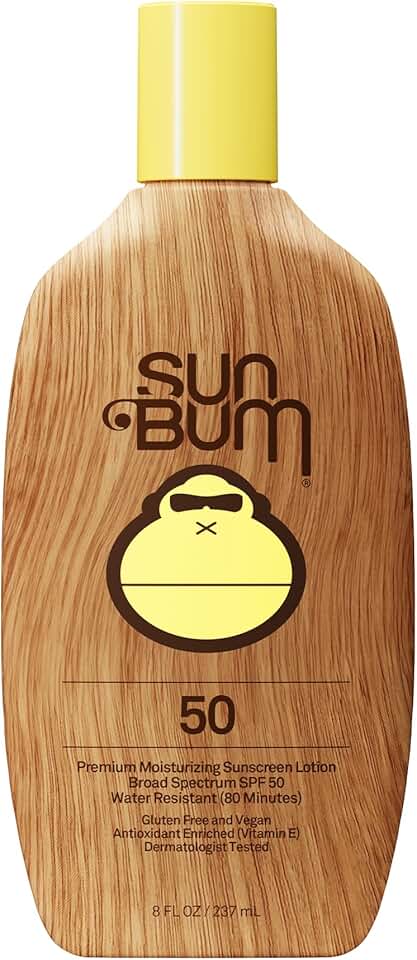
SPF 50 broad-spectrum protection · Moisturizing formula with Vitamin E · Reef-friendly (Hawaii 104 Act Compliant)
Protect your skin from the strong tropical sun with this moisturizing, broad-spectrum sunscreen.

Universal compatibility for over 150 countries · 45W GaN fast charging with multiple ports (USB-A & USB-C) · Compact and lightweight design
This versatile adapter ensures all your electronic devices can be charged efficiently, no matter where you are in Thailand.
As an Amazon Associate I earn from qualifying purchases. Prices may vary.
Avoiding the Crowds: Hidden Gems
Thailand has so much to offer beyond the well-trodden tourist trails. If you’re looking to escape the crowds, consider visiting some of its hidden gems. Pai, in northern Thailand, is a laid-back town surrounded by mountains and rice paddies, offering a more relaxed vibe than Chiang Mai. Koh Lanta, on the Andaman coast, is a beautiful island with long sandy beaches and a more authentic feel than Phuket.
Sukhothai Historical Park, a UNESCO World Heritage site, offers stunning ancient ruins without the crowds of Ayutthaya. Kanchanaburi, west of Bangkok, is home to the Bridge over the River Kwai and offers beautiful scenery and outdoor activities. The best time to visit these destinations varies, but generally, the shoulder seasons (April-May and September-October) offer the best combination of good weather and fewer tourists.
These lesser-known destinations provide a chance to experience a different side of Thailand – a more authentic and peaceful experience away from the hustle and bustle of the major tourist hotspots. Exploring these areas requires a little more planning, but the rewards are well worth the effort.




No comments yet. Be the first to share your thoughts!