

Thailand’s Weather: A Quick Look
Thailand's climate features three main seasons: cool and dry, hot and dry, and rainy. These seasons vary in timing and intensity across different regions, including the Gulf Coast, Andaman Coast, and inland areas. While the cool/dry season is popular, each period offers unique experiences.
The hot/dry season, from March to May, brings high temperatures and can see fewer tourists. The rainy season, influenced by monsoons, affects the Andaman coast (Phuket, Krabi) from May to October and the Gulf coast (Koh Samui, Koh Phangan) from September to December.
While exact weather for 2026 cannot be predicted, historical data provides a reliable guide. Thailand's geography contributes to a complex climate. During the rainy season, rain typically occurs in short, intense bursts rather than continuous downpours.
Humidity, combined with heat, can be draining for visitors. Planning activities and packing with this in mind is important for comfort. Staying hydrated and utilizing air-conditioned spaces is recommended.

November - February: Peak Season Bliss
November to February is widely considered the best time to visit Thailand due to cool, dry weather ideal for exploring beaches, temples, and attractions. This period offers pleasant temperatures and low humidity.
This peak season means higher prices for flights and accommodation, along with larger crowds at popular spots. Booking in advance is essential. Travelers must weigh ideal weather against a potentially less relaxed experience.
In Bangkok, temperatures typically range from 20 to 30°C (68 to 86°F) during this period. Chiang Mai, being further north, experiences cooler temperatures, often dropping to around 15 to 25°C (59 to 77°F) at night. Phuket and other southern islands enjoy sunshine and warm seas, with temperatures around 24 to 32°C (75 to 90°F).
The consistently pleasant conditions during this period make it worthwhile for many travelers, despite higher costs and crowds. Outdoor activities are particularly enjoyable.
Thailand Weather and Crowd Levels: November - February
| Location | Month | Average Temperature (°C) | Average Rainfall (mm) | Crowd Level |
|---|---|---|---|---|
| Bangkok | November | 26-31 | 60-120 | Medium |
| Bangkok | December | 24-30 | 30-60 | High |
| Bangkok | January | 22-29 | 20-50 | High |
| Bangkok | February | 24-32 | 20-40 | Medium |
| Chiang Mai | November | 20-28 | 30-60 | Medium |
| Chiang Mai | December | 18-25 | 20-40 | Medium |
| Chiang Mai | January | 15-24 | 10-30 | Medium |
| Chiang Mai | February | 18-27 | 10-30 | Low |
| Phuket | November | 26-32 | 150-250 | Medium |
| Phuket | December | 24-31 | 90-180 | High |
| Phuket | January | 23-30 | 70-150 | High |
| Phuket | February | 24-32 | 60-100 | Medium |
Illustrative comparison based on the article research brief. Verify current pricing, limits, and product details in the official docs before relying on it.
March - May: The Hot Season
Following the cool season, Thailand enters its hot season from March to May. Temperatures regularly exceed 35°C (95°F), particularly in central and northern areas, with increased humidity intensifying the heat.
Travel during these months is still possible with adjustments. Temple visits are best scheduled for early mornings or late afternoons to avoid midday heat. Relaxing by the pool or on the beach offers a way to cool down.
Songkran, the Thai New Year water festival, occurs around April 13-15.) This nationwide celebration is a unique cultural experience, but participants should expect to get wet.
The heat can be challenging for those unaccustomed to tropical climates. Travelers sensitive to heat may prefer other times to visit, but preparedness and an appreciation for the energy of Songkran can make this a rewarding period.
June - October: Rainy Season Realities
The rainy season typically runs from June to October, with regional variations. The Andaman coast (Phuket, Krabi, Phi Phi) is affected by the southwest monsoon, while the Gulf coast (Koh Samui, Koh Phangan, Koh Tao) sees more rain from September to December.
Rainfall is not constant; expect short, intense afternoon showers followed by sunshine. Prolonged rain can occur, especially in September and October, but dry spells are common. Ferry services may be disrupted by rough seas, so checking schedules is advisable.
The rainy season offers advantages, including lower prices for accommodation and flights, and fewer crowds. Landscapes are lush, waterfalls are impressive, and it's a good period for spa treatments and indoor activities.
The rainy season can be enjoyable, with rain often providing a cooling effect and a peaceful atmosphere. It does not rain all day, every day, and sunshine is still common. Flexibility and preparedness for showers are key.
Festivals & Events: Planning Around the Fun
Thailand hosts numerous festivals and events that can enhance a trip. Here is a guide for 2026 (dates are approximate and subject to change):
January: New Year’s Day (January 1st), Chinese New Year (late January/early February – varies). Chinese New Year features lion dances, dragon parades, and street decorations, especially in Bangkok’s Chinatown.
February: Makha Bucha (full moon of February) – an important Buddhist festival. March: Yi Peng Lantern Festival (usually in March, sometimes February) – a spectacle in Chiang Mai with thousands of lanterns released at night.
April: Songkran (Thai New Year, April 13-15) – a major water festival. May: Visakha Bucha (full moon of May) – commemorates Buddha's birth, enlightenment, and death. June: Buddha Jayanti (Vesak Day) – an important Buddhist festival.
July-August: Khao Phansa (beginning of Buddhist Lent) – marks the start of a three-month monastic retreat. September: Loy Krathong (full moon of November) – people release decorated baskets (krathongs) onto rivers and waterways, often coinciding with Yi Peng in Chiang Mai.
October: Chulalongkorn Day (October 23rd) – commemorates King Chulalongkorn. November: Loy Krathong and Yi Peng (Northern Thailand) – release of lanterns and floating of krathongs. December: King’s Birthday (December 5th) – a national holiday.
- Songkran is very popular, so book accommodations well in advance.
- Loy Krathong and Yi Peng are visually stunning, but also attract large crowds.
- Check the exact dates of festivals closer to your travel dates, as they can vary.
Thailand Festivals & Events
- Songkran (April) - Thailand’s traditional New Year, celebrated with water festivals throughout the country.
- Visakha Bucha (May/June) - A significant Buddhist holiday commemorating the birth, enlightenment, and death of Buddha. Dates vary annually.
- Asalha Puja (July) - Marks Buddha’s first sermon. Often observed with processions and merit-making activities.
- Loy Krathong (November) - A beautiful festival where people release decorated baskets (krathongs) onto rivers, symbolizing letting go of negativity. Often coincides with Yi Peng in the North.
- Yi Peng (November) - Primarily celebrated in Northern Thailand (Chiang Mai), this festival involves releasing sky lanterns.
- Makha Bucha (February/March) - Commemorates a gathering of 1,250 disciples of Buddha. Observed with religious ceremonies.
- Chinese New Year (January/February) - Celebrated by the Thai-Chinese community with parades, lion dances, and offerings. Dates vary.
- Ubon Ratchathani Candle Festival (July/August) - A unique festival featuring intricately carved wax candles paraded through the streets. Dates vary.
Regional Variations: Where to Go When
Thailand's diverse geography influences the best time to visit each region. Here is a breakdown:
Bangkok: November to February provides the most comfortable weather. March to May is hot and humid, and June to October brings frequent rain. Chiang Mai: The cool season (November to February) is ideal with pleasant temperatures. The burning season (February-April) can cause smoky conditions.
undefined seas. Krabi: Similar to Phuket, November to April is the best time to visit. Koh Samui: The driest months are February to April and September to December.
Koh Phangan: The best weather is from February to September. October to December can be wet. Koh Tao: Similar to Koh Phangan, with February to September being the driest months. It’s important to remember these are general guidelines, and weather patterns can be unpredictable.
Which region of Thailand are you most interested in visiting?
Vote below to tell us which part of Thailand you would most like to explore in 2026.
Gear Up: What to Pack for Any Season
Packing appropriately for Thailand depends on the season and your planned activities. However, some essentials are always useful.
Clothing: Lightweight, breathable clothing is crucial, regardless of the season. Pack cotton and linen shirts, shorts, and dresses. For temple visits, remember to pack modest clothing that covers your shoulders and knees. A light sweater or jacket is useful for cooler evenings, especially in the north.
Footwear: Comfortable walking shoes are essential for exploring temples and cities. Sandals or flip-flops are ideal for the beach. Rain Gear: A lightweight raincoat or umbrella is a must-have during the rainy season. Sun Protection: Sunscreen, a hat, and sunglasses are vital year-round.
Other Essentials: Insect repellent, especially during the rainy season. A universal adapter for your electronics. A first-aid kit with basic medications. Hand sanitizer. Respectful attire for temples. It is also a good idea to bring a reusable water bottle to stay hydrated and reduce plastic waste.
- Lightweight clothing
- Comfortable walking shoes
- Raincoat or umbrella
- Sunscreen
- Insect repellent
Essential Gear for Your Thailand Adventure in 2026

Waterproof and breathable fabric · Lightweight and packable · Adjustable hood and cuffs
This jacket offers reliable protection from sudden rain showers, common during Thailand's transitional seasons.

Quick-drying and highly absorbent · Soft, plush feel · Compact and lightweight for travel
A quick-drying towel is essential for staying comfortable during humid days and after dips in the ocean or pool.

15% DEET formula for effective insect protection · Repels mosquitoes, ticks, and other biting insects · Family-friendly formula
Protect yourself from mosquito-borne illnesses and annoying bites, especially during evenings and in tropical areas.
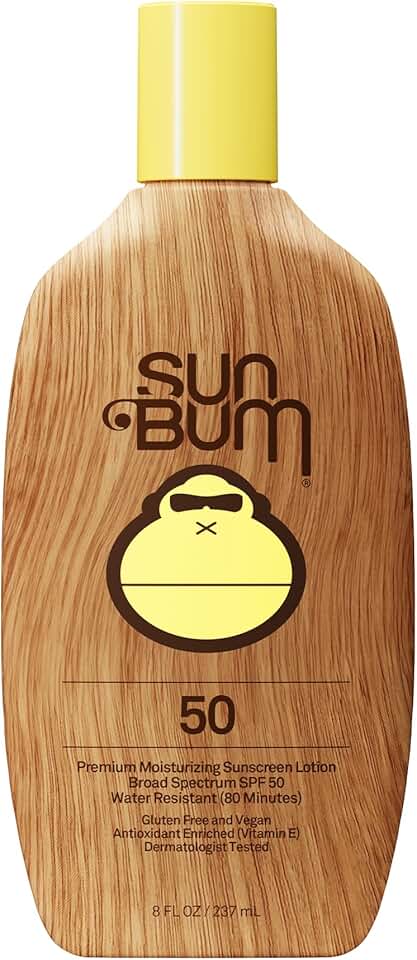
SPF 50 broad-spectrum protection · Moisturizing formula with Vitamin E · Reef-friendly (Hawaii 104 Act Compliant)
Shield your skin from the strong tropical sun to prevent sunburn and long-term damage.

10,000mAh capacity for multiple charges · PowerIQ for high-speed charging · Compact and portable design
Keep your essential devices charged on the go, ensuring you can navigate, photograph, and stay connected throughout your adventures.
As an Amazon Associate I earn from qualifying purchases. Prices may vary.



No comments yet. Be the first to share your thoughts!