

Bangkok’s Booming Back Alleys
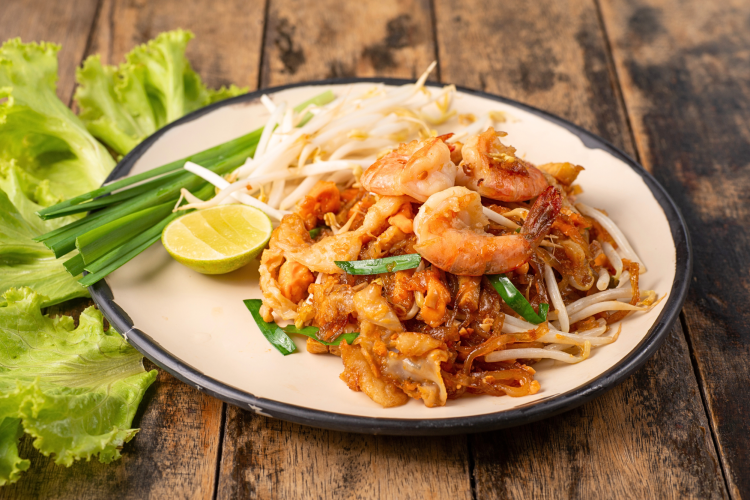
Bangkok’s street food scene is undergoing a quiet revolution. It’s no longer simply about finding the best Pad Thai near Khao San Road. Instead, the real excitement, the truly innovative flavors, are being discovered down sois – the narrow back alleys – away from the main tourist thoroughfares. There’s a surge in regional specialties and a willingness to experiment that wasn't as prevalent a few years ago.
Several factors are driving this shift. Running a full-service restaurant in Bangkok has become more expensive, leading talented chefs to explore street food. More chefs trained in top hotels and Michelin-starred restaurants are returning to their roots, applying their skills to traditional recipes and rethinking Thai street food.
Authenticity is also in demand. Tourists and locals alike are seeking genuine experiences, wanting to eat where locals eat, often off the beaten path. The atmosphere in these back alleys is lively – the sizzle of woks, the aromas of spices, the chatter of locals sharing meals. It's a wonderful sensory experience.
This isn't just about cheaper food. Many operations are meticulous, focusing on quality ingredients and presentation. You'll find places specializing in single, perfected dishes or experimenting with new techniques. It's an exciting time for food lovers in Bangkok.
Isan’s Influence: Beyond Som Tam
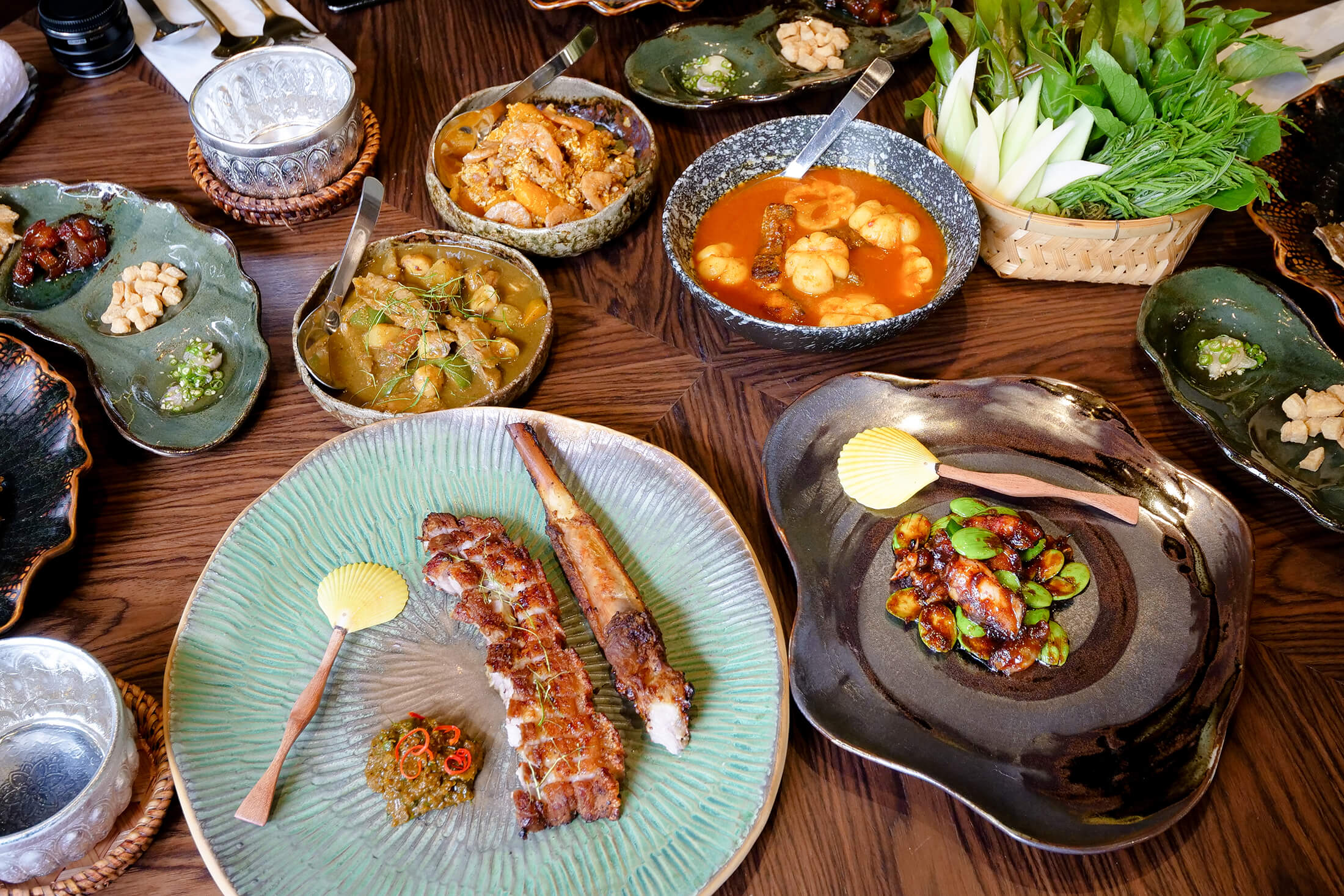
Many people think Thai food is just green curry and Pad Thai. But the cuisine of Isan, northeastern Thailand, is gaining well-deserved recognition. While Som Tam (papaya salad) is the most famous Isan dish, it's only one example. The region's food features bold flavors, fresh herbs, and grilled and fermented ingredients.
Dishes like Gai Yang (grilled chicken) are incredibly popular, often marinated overnight in a complex blend of spices. Larb, a minced meat salad flavored with fish sauce, lime juice, chili, and toasted rice powder, is another staple. And Nam Tok, similar to Larb but featuring grilled meat and a distinctive "waterfall’ of chili-lime dressing, shouldn"t be missed. These dishes are typically served with sticky rice, which is used to scoop up the flavorful sauces.
Isan cuisine's distinct flavor comes from Pla Ra – a pungent, umami-rich fermented fish sauce. It's an acquired taste, but many find it addictive. You can find excellent Isan food in Bangkok, especially around On Nut and Ari. Look for restaurants busy with Thai customers; that's usually a good sign.
Isan cuisine isn't monolithic. There are regional variations within Isan, with each province having its own specialties. For example, Udon Thani is known for grilled pork, while Nakhon Ratchasima is famous for pla pao (salt-crusted grilled fish).
We're in Da Nang, Vietnam - last few weeks before going back to Thailand. Food is truly amazing here. 🙏
— beeman 🐝 (@beeman_nl) May 2, 2026
Southern Flavors Take Center Stage
Southern Thai cuisine is often overlooked but is steadily gaining popularity. Influenced by Malaysia and Indonesia, Southern Thai food is intensely spicy and uses coconut milk, turmeric, lemongrass, and galangal. It's a cuisine built around fresh seafood, reflecting the region’s long coastline.
Massaman Curry, a rich and fragrant curry with Persian influences, is perhaps the most famous Southern Thai dish. Gaeng Tai Pla (fish organ curry) is a more adventurous option – a fiery curry made with fermented fish entrails, vegetables, and a blend of aromatic spices. Khao Jim Kai (rice with chicken and yellow curry) is a hearty and flavorful breakfast dish.
Turmeric is prominent in Southern Thai cooking, giving many dishes a yellow color. Lemongrass and galangal add citrusy and aromatic notes. For authentic Southern Thai food in Bangkok, head to Silom and Sathorn. Several restaurants specialize in the cuisine of specific Southern provinces.
The freshness of the seafood is a key component of Southern Thai cuisine. Dishes featuring prawns, fish, and shellfish are especially popular, and often prepared with bold and spicy flavors. Be prepared for a bit of heat – Southern Thai food is not for the faint of heart.
Fusion Finds: The Next Generation
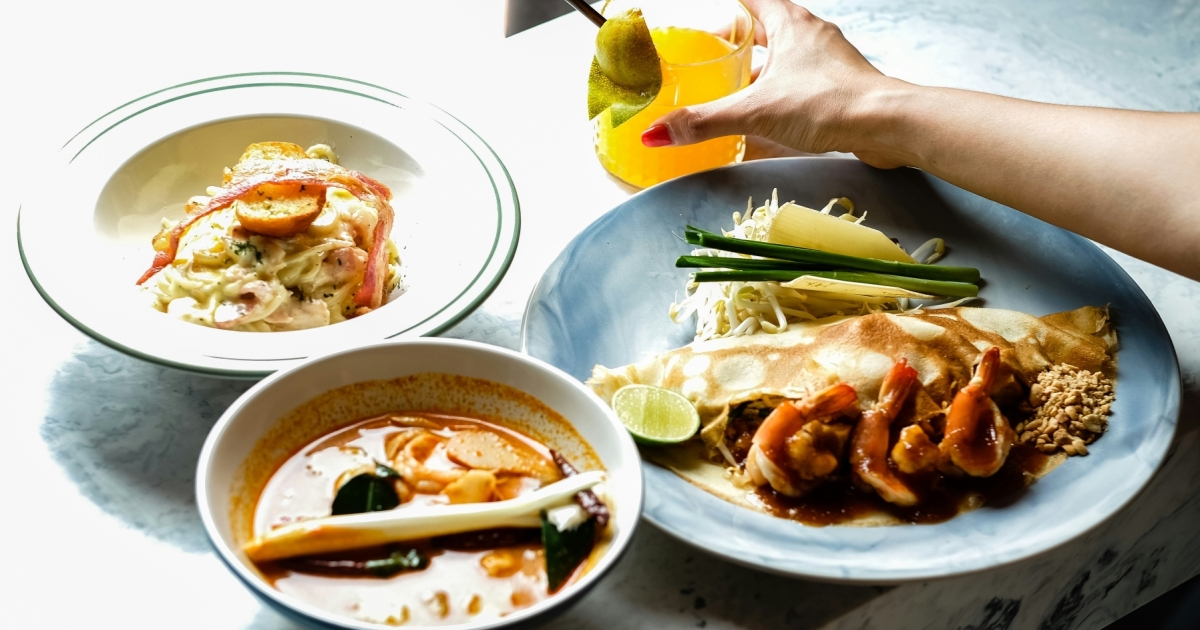
A new wave of chefs is emerging in Thailand, blending traditional Thai flavors with international techniques. This isn't just adding a Thai twist to Western dishes; it's a more thoughtful integration of flavors and ingredients. Thai-Italian, Thai-Japanese, and Thai-Peruvian fusion concepts are gaining traction.
For example, chef Thitid "Ton" Tassanakajohn of Le Du in Bangkok, has gained international acclaim for his modern Thai cuisine, incorporating molecular gastronomy techniques and innovative presentations. While not strictly fusion, his approach demonstrates a willingness to push boundaries. Others are taking a more direct approach, like restaurants experimenting with Thai-inspired pasta dishes or sushi rolls.
Traditionalists have had mixed reactions. Some embrace the innovation, while others see it as diluting authentic Thai flavors. There's concern that these fusion concepts cater to tourists and lose sight of Thai cuisine's cultural heritage. I believe there's room for both tradition and innovation.
Whether this fusion trend lasts remains to be seen. Some concepts might be fleeting fads, while others could evolve. It's undeniable that these chefs are injecting new energy and creativity into the Thai food scene.
Emerging Food Experiences
- Innovative Regional Cuisine - A growing trend sees chefs elevating dishes from lesser-known Thai provinces, like Isan and Lanna, using modern techniques. Expect to see more restaurants focusing on unique ingredients and flavors from these regions.
- Sustainable Seafood Focus - With increasing awareness of marine conservation, restaurants are prioritizing sustainably sourced seafood and highlighting local fishermen. Look for menus detailing the origin of their catches.
- Plant-Based Thai Food Expansion - Beyond traditional vegetarian options, chefs are creating innovative plant-based versions of classic Thai dishes, using ingredients like jackfruit and tofu to mimic meat textures and flavors.
- Fermented Food Renaissance - Traditional Thai fermented foods, like pla ra (fermented fish) and various pickles, are experiencing a revival, with chefs incorporating them into both traditional and modern dishes.
- Ghost Kitchen & Delivery Concepts - The rise of delivery services has fueled the growth of ghost kitchens specializing in specific Thai dishes or regional cuisines, offering convenient access to a wider range of flavors.
- Refined Street Food Experiences - Chefs are taking inspiration from classic street food dishes and elevating them with premium ingredients and refined presentation, offering a more upscale take on familiar flavors. Many are located in modern food halls.
- Interactive Dining & Cooking Classes - Restaurants are increasingly offering interactive dining experiences, such as DIY papaya salad stations, and hands-on Thai cooking classes, allowing diners to engage with the cuisine on a deeper level.
Hidden Gems: Neighborhood Guides
Beyond the main tourist paths, several Bangkok neighborhoods are emerging as street food hotspots. Ari is a popular choice, known for its trendy cafes and many street food stalls offering everything from boat noodles to grilled meats. Expect to pay around 50-150 baht per dish.
Talat Noi, a historic neighborhood near Chinatown, offers a gritty and authentic experience. Here, you'll find traditional Chinese-Thai dishes, dim sum, and lively street life. Prices are generally affordable, around 30-100 baht per dish. It's harder to navigate but worth the effort.
Areas around universities, like Thammasat University, are good spots for cheap and tasty food. Students are demanding customers, so vendors must offer good food at affordable prices. You can find everything from Pad Thai to grilled skewers for under 50 baht.
Explore by wandering down side streets, following your nose, and asking locals for recommendations. This is often the best way to discover hidden gems. These neighborhoods offer a glimpse into everyday life in Bangkok and a chance to experience the city’s street food culture like a local.
Emerging Food Trends
- Plant-Based Adaptations - Traditional Thai dishes are increasingly available with tofu, tempeh, and mushroom-based protein alternatives, catering to a growing international and local vegan/vegetarian demand.
- Regional Noodle Focus - Beyond Pad Thai, expect greater exploration of regional noodle dishes like Khao Soi (Chiang Mai) and Khanom Jeen (Southern Thailand) gaining popularity in Bangkok and other major cities.
- Sustainable Seafood - A rising awareness of responsible sourcing is driving demand for seafood from sustainable fisheries, particularly in coastal areas like Phuket and Krabi. Look for restaurants highlighting traceable origins.
- Fermented Flavors - Fermentation techniques, traditionally used in Thai cuisine, are being creatively applied to new dishes and ingredients, adding depth and umami. Expect to see more fermented fruits and vegetables.
- Artisanal Ice Creams with Thai Ingredients - Local flavors like durian, mango sticky rice, and Thai tea are inspiring a wave of artisanal ice cream makers, offering unique and refreshing desserts.
- Ghost Pepper Infusion - While Thai food is known for spice, a trend towards incorporating even hotter chili peppers, like ghost peppers (bhut jolokia), is emerging in some adventurous eateries.
- Revival of Royal Thai Cuisine - Increased interest in the complex and refined recipes historically prepared for the Thai royal court, often featuring intricate presentations and delicate flavors.
Sustainable Bites: Eco-Conscious Eating
Sustainability is slowly gaining traction in Thailand’s street food scene. While it's early days, awareness of the environmental impact of food production and consumption is growing. More vendors are using locally sourced ingredients, reducing reliance on imported products.
Reducing plastic waste is another focus. Some vendors are switching to biodegradable containers and cutlery, while others encourage customers to bring their own reusable containers. However, widespread adoption of sustainable practices is still a challenge. The convenience and low cost of plastic remain significant barriers.
Supporting local farmers is becoming more important. Some restaurants and street food vendors partner directly with farmers to source fresh produce and ingredients. This reduces the carbon footprint and supports local communities. I'm uncertain about the demand for organic or fair-trade Thai food, but it's something to watch.
Sustainability challenges in the street food industry are significant. Many vendors operate on tight margins and may lack resources to invest in sustainable practices. As consumer awareness grows, more vendors will likely adopt eco-friendly approaches.
Snack Attack: New Treats to Try
undefined tea ice cream to mango sticky rice ice cream. Several vendors are experimenting with unusual combinations, such as durian ice cream (for the adventurous!).
Creative fruit shakes are also a big trend. Forget your standard mango shake – now you can find shakes made with passion fruit, dragon fruit, and other exotic fruits. Some vendors are even adding a touch of chili or salt to their shakes for an extra kick. Expect to pay around 30-60 baht for a shake.
Traditional Thai sweets are also getting a makeover. Vendors are experimenting with new textures and flavors, creating innovative takes on classic desserts like Khanom Krok (coconut pancakes) and Luk Chup (fruit-shaped mung bean paste).
Keep an eye out for vendors selling Kanom Buang, crispy Thai crepes filled with sweet or savory fillings. They're a classic snack that's always a crowd-pleaser. The Thai street food scene is a playground for culinary creativity, and there's always something new to discover.
Emerging Thai Street Eats
- Kanom Krok with Unique Fillings - Beyond the traditional coconut cream, vendors are experimenting with fillings like salted egg yolk, durian, and even brown sugar boba in these miniature coconut pancakes.
- Rainbow Lok Chin - This colorful, jelly-like dessert made from pandan flour is gaining popularity with vibrant, naturally-dyed layers and playful presentations.
- Grilled Scallops with Spicy Seafood Sauce - Fresh scallops, quickly grilled and served with a fiery, umami-rich seafood sauce, are becoming a street food staple in coastal areas like Phuket and Pattaya.
- Deconstructed Mango Sticky Rice Crepes - A modern take on a classic. Thin, crispy crepes are filled with sweet sticky rice and fresh mango, often served with a drizzle of coconut milk.
- Thai Tea Ice Cream Rolls - The popular rolled ice cream trend meets Thailand’s beloved Thai tea. Vendors are creating visually appealing and flavorful rolls with a strong Thai tea base.
- Moo Ping (Grilled Pork) Skewers with Regional Sauces - While Moo Ping is a classic, chefs are now offering a variety of dipping sauces reflecting regional Thai cuisine, such as a Chiang Mai chili jam or an Isan-style jaew sauce.
- Butterfly Pea Flower Lemonade with Sparkling Water - This visually stunning drink, utilizing the natural color-changing properties of butterfly pea flower, is becoming a refreshing and Instagrammable street food beverage.

No comments yet. Be the first to share your thoughts!