

Thailand's Emerging Eco-Tourism Scene
Thailand's tourism industry is shifting. While mass tourism once dominated, a strong movement toward sustainability is now evident. This shift responds to global environmental concerns and growing traveler demand for responsible experiences. The Thai government is supporting this with increased investment in eco-friendly initiatives and promotion of lesser-known destinations.
Traveler preferences are changing. Beyond beaches and cities, people seek connection with local cultures, responsible nature experiences, and assurance that their money benefits local communities. This drives demand for eco-lodges, community-based tourism, and low-impact activities. This is a positive development for Thailand's tourism sector.
Eco-tourism offers substantial economic benefits. When tourists patronize locally-owned guesthouses, restaurants, and community tours, more money remains within the community, creating jobs, supporting local businesses, and preserving cultural traditions. This contrasts with all-inclusive resorts that often see revenue leave the country.
Thailand actively works to protect its natural beauty, aiming to safeguard environments for future generations. Initiatives include reforestation, marine conservation, and stricter development regulations in sensitive areas. The country recognizes its natural assets as its greatest treasures.
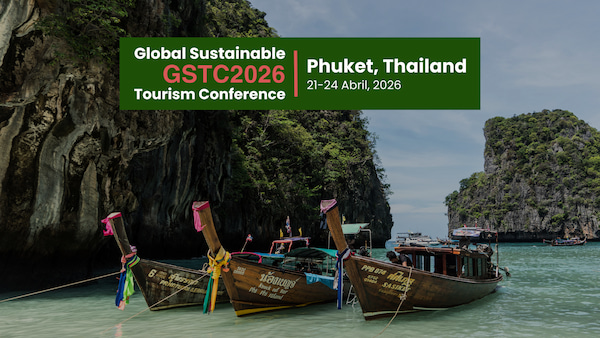
The Top 15 Eco-Destinations for 2026
Selecting 15 destinations from Thailand's many offerings is challenging. These spots stand out for their commitment to sustainability and unique experiences, representing a mix of well-known and lesser-visited locations across different regions and eco-tourism types.
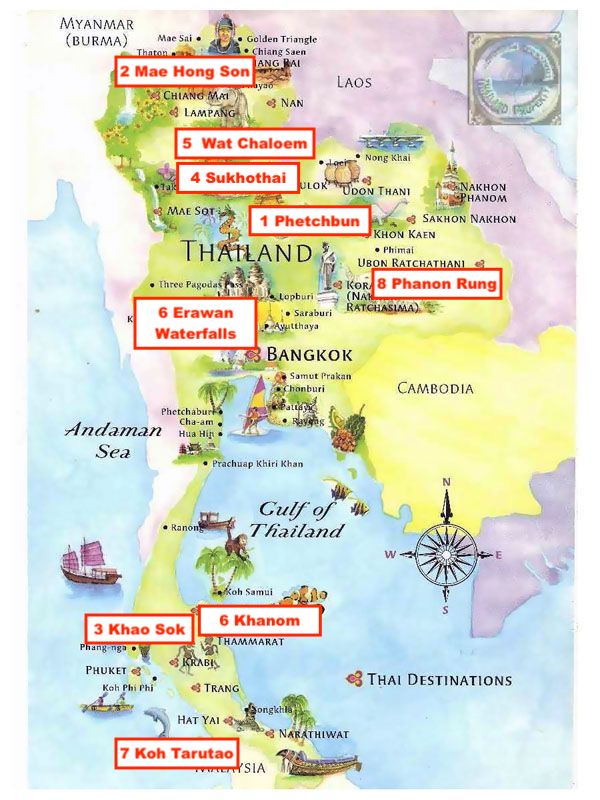
- Khao Sok National Park: This park offers incredible biodiversity, with ancient rainforest, limestone cliffs, and Cheow Lan Lake. Several eco-lodges operate within and around the park, focusing on minimal impact and supporting local communities. Kayaking, trekking, and wildlife spotting are popular activities; choose tour operators committed to responsible practices.
- Koh Lanta: Unlike more developed islands, Koh Lanta maintains a laid-back, sustainable vibe. Resorts actively engage in conservation efforts like coral reef restoration and mangrove reforestation. The island also offers opportunities to learn about local culture and support local businesses.
- Chiang Dao: Located in northern Thailand, Chiang Dao is a haven for nature lovers, featuring stunning mountains, caves, and waterfalls. Community-based tourism initiatives thrive here, with homestays and guided treks led by local villagers offering a glimpse into rural Thai life.
- Pai: While Pai has grown in popularity, it still offers eco-friendly options. Several farms practice organic agriculture, and opportunities exist to learn about sustainable living. Travelers should be mindful of their impact and choose accommodations and tour operators prioritizing responsible tourism.
- Ranong Province: Bordering Myanmar, this province remains largely unexplored. It offers pristine beaches, hot springs, and lush rainforest, focusing on low-impact tourism with opportunities for hiking, birdwatching, and exploring local villages.
- Samui Islands (Ang Thong Marine Park): While Koh Samui can be busy, the nearby Ang Thong Marine Park is a protected area with stunning limestone islands and turquoise waters. Kayaking and snorkeling are popular, with several tour operators committed to responsible marine tourism.
- Rayong Province: Often overlooked, Rayong offers beaches, mangroves, and agricultural landscapes. It's a good place to experience rural Thai life and learn about sustainable farming practices, with several eco-friendly resorts along the coast.
- Trang Islands: This archipelago provides a more authentic, less crowded island experience. Several islands are committed to sustainable tourism through initiatives like coral reef conservation and waste management programs.
- Huai Kha Khaeng Wildlife Sanctuary: This UNESCO World Heritage site is a crucial habitat for endangered species. Visiting is challenging but offers a wild, immersive experience. Access is limited and requires permits.
- Doi Inthanon National Park: Home to Thailand’s highest peak, this park features stunning scenery and diverse ecosystems. Hiking trails and viewpoints offer opportunities for responsible exploration. Support local communities by purchasing products from local farmers.
- Mae Hong Son Province: This remote northern province is a haven for tranquility and cultural immersion. Explore hill tribe villages, visit ancient temples, and enjoy stunning natural landscapes. Community-based tourism is well-developed here.
- Krabi Province (Ao Thalane): While Krabi is known for its beaches, Ao Thalane offers a quieter, more eco-friendly experience. Kayak through
- Phuket (Panwa Beach): Even Phuket has pockets of sustainability. Panwa Beach is a more secluded area with several eco-friendly resorts and opportunities for responsible snorkeling and diving.
- Nan Province: A relatively undiscovered province in northern Thailand, Nan offers stunning mountain scenery, ancient temples, and a rich cultural heritage. It's a great place to experience authentic Thai life and support local communities.
- Surin Islands: These islands, located in the Andaman Sea, are known for their pristine beaches, coral reefs, and diverse marine life. The islands are a protected area, and tourism is carefully managed to minimize environmental impact.
Thailand's Top 15 Sustainable Eco-Tourism Destinations in 2026
| Destination Name | Region | Key Sustainability Focus | Price Range (per night for accommodation) | Accessibility |
|---|---|---|---|---|
| Khao Sok National Park | Southern Thailand | Wildlife Conservation & Rainforest Preservation | Budget - Mid-Range | Moderate |
| Chiang Dao Wildlife Sanctuary | Northern Thailand | Biodiversity Conservation & Community Support | Budget - Mid-Range | Moderate |
| Samut Songkhram Floating Markets | Central Thailand | Community-Based Tourism & Canal Ecosystem Preservation | Budget - Mid-Range | Easy |
| Rayong Province | Eastern Thailand | Mangrove Restoration & Coastal Conservation | Mid-Range - Luxury | Easy |
| Pang Nga Bay | Southern Thailand | Marine Ecosystem Protection & Responsible Tourism | Mid-Range - Luxury | Moderate |
| Huai Kha Khaeng Wildlife Sanctuary | Northern Thailand | Forest Conservation & Anti-Poaching Efforts | Budget - Mid-Range | Difficult |
| Koh Lanta | Southern Thailand | Sustainable Diving & Beach Clean-ups | Mid-Range - Luxury | Easy |
| Isan (Northeast Thailand) | Northeast Thailand | Rural Tourism & Preservation of Local Culture | Budget - Mid-Range | Moderate |
Illustrative comparison based on the article research brief. Verify current pricing, limits, and product details in the official docs before relying on it.
Community-Based Tourism: A Closer Look
Community-based tourism (CBT) prioritizes local community involvement and benefit. Unlike traditional tourism where profits often go to outside investors, CBT gives local people a voice in tourism development and ensures they receive a fair share of economic benefits. It empowers communities to manage their resources and preserve cultural heritage.
CBT offers numerous benefits, including economic opportunities, job creation, and support for local businesses. It also helps preserve cultural traditions, protect the environment, and promote social equity. Participating in CBT initiatives directly contributes to the well-being of visited communities.
Mae Hong Son Province is a prime example of successful CBT. Several villages offer homestays, allowing visitors to experience local life firsthand. Tourists can participate in traditional activities like weaving, cooking, and farming, and learn about the unique cultures of the local hill tribes. The income generated from tourism is used to support community development projects.
In Chiang Dao, local villagers lead guided treks through the mountains, sharing their knowledge of the local flora and fauna. The tours are designed to minimize environmental impact and provide a sustainable source of income for the community. Visitors can also stay in locally-owned guesthouses and eat at local restaurants. Nan Province also has a growing CBT scene, with several villages offering similar experiences. These initiatives are a great way to connect with local communities and support sustainable tourism.
Wildlife Encounters: Ethical Considerations
Thailand's wildlife tourism industry has a dark side. While the opportunity to interact with elephants and other animals can be tempting, many attractions prioritize profit over animal welfare. Elephant riding, in particular, is widely considered unethical, as it often involves cruel training methods and stressful conditions for the animals.
Tiger temples, where tigers are kept in captivity for tourists to pose with, are also problematic. These animals are often drugged and subjected to inhumane treatment. It’s important to avoid any attractions that exploit animals for entertainment. If you want to see wildlife in Thailand, choose responsible options that prioritize animal welfare.
Look for sanctuaries that rescue and rehabilitate animals, providing them with a safe and natural environment. Elephant Nature Park in Chiang Mai is a well-respected sanctuary that focuses on rescuing elephants from abusive situations. Observe animals in their natural habitat, such as national parks and wildlife reserves. Support conservation projects that work to protect endangered species.
Ask questions about the sanctuary's practices. Do they allow visitors to ride elephants? Do they use positive reinforcement training methods? Do they provide adequate space and enrichment for the animals? If you’re not satisfied with the answers, choose a different sanctuary. Remember, your travel choices have an impact on animal welfare.
Eco-Lodges & Sustainable Accommodations
Eco-lodges offer a good option for eco-conscious travelers. These accommodations minimize environmental impact and support local communities through sustainable building materials, water and energy conservation, and responsible waste management. Many also provide opportunities to learn about local culture and participate in conservation activities.
Lanna Eco-Lodge (Chiang Mai): This lodge is built using traditional Lanna architecture and sustainable materials. They focus on organic farming, waste reduction, and supporting local artisans. Prices start around $80 per night.
Rayavadee (Krabi): Though a luxury resort, Rayavadee is committed to sustainability, with initiatives like coral reef conservation and mangrove reforestation. Expect to pay upwards of $500 per night.
The Tides Resort (Koh Lanta): This beachfront resort prioritizes environmental responsibility, with solar power, water conservation, and waste management programs. Rooms start around $100 per night.
Pimalai Resort & Spa (Koh Lanta): Another luxury option, Pimalai focuses on preserving the natural beauty of Koh Lanta, with initiatives like reforestation and marine conservation. Prices start around $300 per night.
Green Tiger House (Koh Lanta): A more budget-friendly option, this guesthouse is committed to sustainability, with solar power, rainwater harvesting, and organic gardening. Rooms start around $30 per night.
Essential Eco-Friendly Gear for Your Sustainable Thai Adventure

Durable stainless steel construction · Keeps drinks hot for 12 hours or cold for 24 hours · Leak-proof cap with integrated handle
Reduce single-use plastic waste by carrying your beverages in this reusable and insulated bottle.

Made from sustainable bamboo · Biodegradable and compostable handles · BPA-free bristles
Opt for these biodegradable bamboo toothbrushes to avoid plastic waste in landfills and oceans.

100% mineral active ingredients (Zinc Oxide and Titanium Dioxide) · Reef-safe formula · Paraben-free and fragrance-free
Protect your skin and marine ecosystems with this reef-safe mineral sunscreen.

Made with Bluesign-approved recycled materials · Lightweight and durable design · Ergonomic fit for comfortable carrying
This backpack is constructed with sustainable materials, ensuring a lower environmental footprint for your adventures.

Quick-drying and super absorbent microfiber · Ultra-compact and lightweight for easy packing · Made from recycled materials
A versatile and quick-drying towel that packs small, reducing the need for bulky, resource-intensive cotton towels.
As an Amazon Associate I earn from qualifying purchases. Prices may vary.
Reducing Your Travel Footprint
Traveling responsibly extends beyond choosing eco-friendly accommodations. Simple actions can minimize your environmental impact in Thailand. Using public transportation, like trains and buses, reduces your carbon footprint.
Reduce your plastic consumption by bringing a reusable water bottle, shopping bag, and coffee cup. Support local businesses by eating at local restaurants and buying souvenirs from local artisans. Conserve water and energy by taking shorter showers and turning off lights when you leave your room. Respect local customs and traditions by dressing modestly and being mindful of your behavior.
Consider offsetting your carbon emissions by donating to a reputable carbon offset program. Pack light to reduce fuel consumption during transportation. Be mindful of your waste and dispose of it properly. Every small action can make a difference.
Looking Ahead: Thailand's Sustainable Tourism Future
The future of eco-tourism in Thailand looks promising, but there are challenges ahead. Balancing economic growth with environmental protection will require careful planning and collaboration between the government, tourism industry, and local communities. Technology can play a role in promoting sustainable tourism, such as through apps that provide information about eco-friendly businesses and transportation options.
Continued investment in conservation efforts, community-based tourism initiatives, and sustainable infrastructure is crucial. Educating travelers about responsible tourism practices is also essential. We all have a role to play in protecting Thailand’s natural and cultural heritage.
Ultimately, the long-term well-being of Thailand depends on our ability to travel responsibly. By making conscious choices and supporting sustainable tourism initiatives, we can help ensure that future generations can enjoy the beauty and wonder of this incredible country. It requires a collective effort, but the rewards are well worth it.



No comments yet. Be the first to share your thoughts!