

Thailand’s Newest Attractions (2024-2026)
Thailand's travel scene is always changing. Recent years have brought a focus on sustainable tourism, cultural experiences, and new attractions. Better transportation is also opening up more remote areas.
The Ayutthaya Flooding Prevention and Tourism Development project, set for completion in late 2026, will improve access and enjoyment of the historical park through temple restoration and new walking paths.
Phuket's Laguna Phuket expansion includes new luxury resorts and a shopping village. In Bangkok, boutique hotels are appearing in older neighborhoods like Talat Noi and Charoen Krung, often in restored traditional shophouses, offering a more local feel.
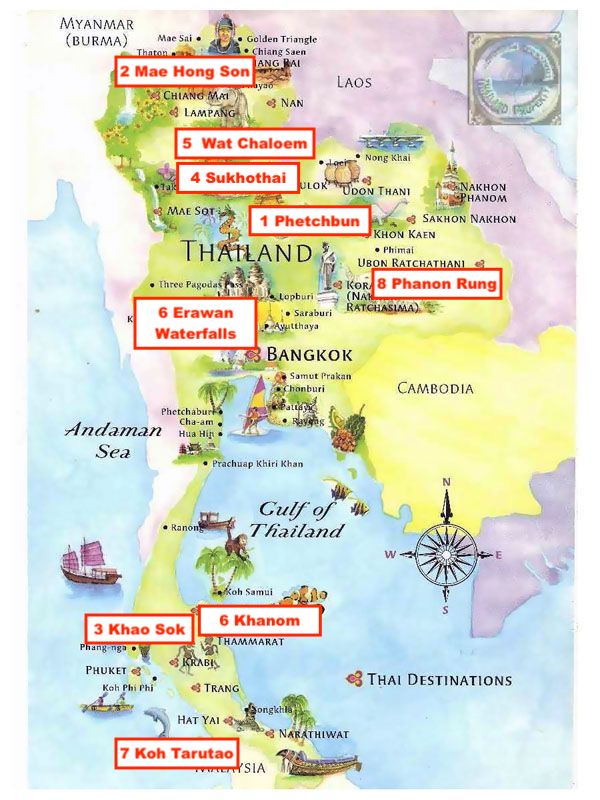
Adventure tourism is expanding with multi-day kayaking and hiking in Khao Sok National Park and rock climbing in Krabi. These organized activities cater to travelers seeking experiences beyond beaches.
Development projects can face delays from environmental concerns and local opposition. The Maya Bay rehabilitation, though successful, took longer than anticipated, highlighting the need for careful planning and community involvement in sustainable tourism.

Beyond Bangkok: Emerging Island Destinations
Beyond Phuket and Koh Samui, Thailand has many islands offering a more relaxed and authentic experience. Koh Libong in Trang province, known for its dugong population and beaches, is a less crowded option that provides a glimpse of traditional island life.
Koh Kood in Trat province is gaining popularity for its beautiful beaches and upscale atmosphere. Reaching it requires a ferry from Trat, but the tranquility is rewarding. The island is also developing eco-tourism with resorts committed to sustainable practices.
Mu Ko Ang Thong National Marine Park, near Koh Samui, has dozens of untouched islands. While day trips are popular, staying overnight offers a special experience. Koh Wua Talap, with its viewpoint, is a good choice. Access is via organized tour or private boat.
Koh Yao Yai and Koh Yao Noi, between Phuket and Krabi, provide scenery, local culture, and a relaxed atmosphere, popular with families and those seeking quiet. Life moves slowly, offering opportunities to interact with local communities, but nightlife is limited.
Accessibility varies: Koh Libong and Koh Kood require more travel time and transfers, while Koh Yao Yai and Koh Yao Noi are easier to reach from Phuket or Krabi. Consider your priorities between convenience and seclusion.
Essential Gear for Your Thai Island Hopping Adventure

Ultralight design for minimal weight · 20L capacity for essentials · Bluesign approved fabric for sustainability
This pack is ideal for day trips and keeping your gear dry on boat excursions.

Highly absorbent and quick-drying · Lightweight and compact for easy packing · Comes with a storage pouch
A quick-drying towel is essential for beach days and humid climates.

Broad Spectrum SPF 50 protection · Reef-friendly formula (Octinoxate & Oxybenzone Free) · Fast-absorbing and oil-free
Protect your skin from the intense tropical sun with this reef-safe sunscreen.

100% waterproof construction · Durable 60L capacity · Secure roll-top closure
Keep your electronics and valuables completely dry during boat transfers and water activities.

Removes 99.9999% of bacteria and protozoa · Lightweight and portable · Easy to use with squeeze pouch or hydration pack
Ensure access to safe drinking water from natural sources, reducing plastic waste.
As an Amazon Associate I earn from qualifying purchases. Prices may vary.
Northern Thailand's Cultural Renaissance
Chiang Mai and Chiang Rai are Northern Thailand's tourism hubs, with a growing focus on cultural preservation and sustainable practices. Efforts include restoring ancient temples and promoting traditional crafts. Wat Phra That Doi Suthep has been renovated to improve visitor experience.
Ethical elephant tourism is evolving, with more travelers seeking sanctuaries that prioritize animal welfare over riding. Research sanctuaries that allow elephants to roam freely and avoid entertainment-focused operations. Elephant Nature Park is a leader, but other reputable sanctuaries also exist.
Artisan communities like Bo Sang (umbrella making) and San Kamphaeng (silk weaving) are experiencing renewed interest. Workshops offer classes in these traditional crafts, providing a way to support local artisans and find unique souvenirs.
Community-based tourism, including homestays and local-guided treks, offers a more authentic cultural experience. Organizations are promoting responsible tourism to ensure local communities benefit from revenue.
For off-the-beaten-path experiences, consider visiting lesser-known hill tribe villages. Always be respectful of local customs and ask permission before taking photographs.
Culinary Adventures: New Foodie Hotspots
Thailand's world-renowned cuisine scene is constantly evolving. While Bangkok is a culinary epicenter, Chiang Mai is emerging as a hub for innovative Thai food.
Bangkok restaurants are innovating Thai cooking by blending traditional flavors with modern techniques. Chef Thitid 'Ton' Tassanakajohn’s Nusara offers a refined take on classic dishes. The street food scene also continues to thrive with new vendors.
Cooking classes focusing on regional specialties are available, such as Northern Thai cuisine in Chiang Mai or Southern Thai seafood in Phuket.
Farm-to-table initiatives are growing, with restaurants sourcing ingredients directly from local farms, especially in the Isan region where organic farming is popular.
Local markets, like Bangkok's Or Tor Kor Market, offer regional specialties and a vibrant atmosphere. Or Tor Kor is known for high-quality produce and prepared foods.
Sustainable Stays: Eco-Friendly Accommodations
Thailand offers a growing range of eco-friendly accommodations, from luxury resorts focused on environmental responsibility to small community-run guesthouses.
Resorts are reducing environmental impact through water conservation, waste
Homestays and community-based tourism initiatives offer a more immersive and sustainable travel experience. These options allow travelers to stay with local families and learn about their culture and way of life. They also provide economic benefits to local communities.
Beware of 'greenwashing' – some hotels may claim to be eco-friendly without actually implementing meaningful sustainability practices. Look for certifications from reputable organizations, or research the hotel’s environmental policies before booking. Ask specific questions about their water usage, waste management, and sourcing of materials.
Beyond the accommodations themselves, consider the impact of your travel activities. Choose tour operators that prioritize responsible tourism, and support local businesses whenever possible. Small choices can make a big difference.

GRAYL GeoPress 24 oz Water Purifier Bottle - Filter for Hiking, Camping, Survival, Travel (Bali Blue)
- Purifies 24 oz of water in 15 seconds
- Removes viruses, bacteria, and protozoa
- Eliminates particulates, chemicals, and heavy metals
- Durable construction for outdoor use
- Reusable and eco-friendly
Stay hydrated and travel sustainably in Thailand with the GRAYL GeoPress. This powerful water purifier bottle ensures you have safe drinking water from any source, reducing plastic waste and keeping you healthy as you explore.
View on Amazon →As an Amazon Associate I earn from qualifying purchases.
Navigating Thailand: Transportation Updates for 2026
Getting around Thailand is generally easy and affordable, but the transportation system is constantly evolving. The expansion of the high-speed rail network is a major development, making it easier to travel between major cities. The Bangkok-Northeast high-speed rail line is expected to be fully operational by 2026, significantly reducing travel time to Isan.
Airport infrastructure is also being upgraded. Suvarnabhumi Airport in Bangkok is undergoing a major expansion to increase capacity. Don Mueang International Airport continues to serve low-cost carriers. Several regional airports are also being renovated to accommodate more flights.
Ride-sharing services like Grab are widely available in major cities and tourist destinations, offering a convenient and affordable way to get around. However, be aware of potential traffic congestion, especially in Bangkok.
Traditional modes of transport, such as trains and buses, remain popular options, particularly for budget travelers. The State Railway of Thailand offers a network of trains that connect major cities throughout the country. Buses are also a convenient and affordable way to travel between destinations.
Ferry services connect the mainland with many of Thailand's islands. The quality of ferry services can vary, so it’s important to choose a reputable operator. Always check the weather forecast before traveling by ferry, as services may be suspended during rough seas.
Hidden Gems: Local Experiences Off the Beaten Path
Thailand offers a wealth of unique and off-the-beaten-path experiences for those willing to venture beyond the tourist trail. These experiences offer a chance to connect with Thai culture on a deeper level and create lasting memories.
Traditional Thai massage workshops are a great way to learn about this ancient healing art. Many massage schools offer short courses for tourists, allowing you to learn basic techniques and experience the benefits of Thai massage firsthand. Look for schools that are certified by the Thai government.
Pottery classes with local artisans offer a hands-on experience of Thai craftsmanship. Several villages specialize in pottery, and you can often find workshops where you can learn to create your own ceramic pieces. It’s a fun and rewarding way to support local artisans.
Exploring remote waterfalls is a great way to escape the crowds and enjoy the natural beauty of Thailand. Khao Yai National Park is home to several stunning waterfalls, as is Doi Inthanon National Park in Northern Thailand. Be prepared for some hiking.
Participating in local festivals is a fantastic way to experience Thai culture. Songkran (Thai New Year) is the most famous festival, but there are many other festivals celebrated throughout the year. Research local events before your trip and be respectful of local customs.
What is the most underrated experience in Thailand that travelers should not miss?
Thailand offers so much more than its famous beaches and temples. As we explore the best new attractions and hidden gems for 2026, we want to hear from you. Which of these authentic Thai experiences do you think deserves more attention from travelers? Vote below and share your thoughts in the comments!


No comments yet. Be the first to share your thoughts!