

Beyond the Beaches: Thailand's Untapped Corners
Thailand is a popular destination, known for its beaches, food, and culture. But beyond the usual spots like Bangkok, Phuket, and Chiang Mai, there's a quieter side of Thailand few tourists see. In 2026, travelers are increasingly looking for authentic experiences away from crowded hotspots.
Travelers now seek connection and understanding over just sightseeing. This involves exploring less-traveled areas and embracing slower, more immersive experiences. The places featured here aren't strictly secret, but they see fewer tourists than the main attractions.
Many locals prefer these spots remain less discovered, cherishing their quiet nature. Some have voiced concerns about overtourism's impact. This guide aims to help travelers experience these places respectfully and mindfully, preserving their authenticity.
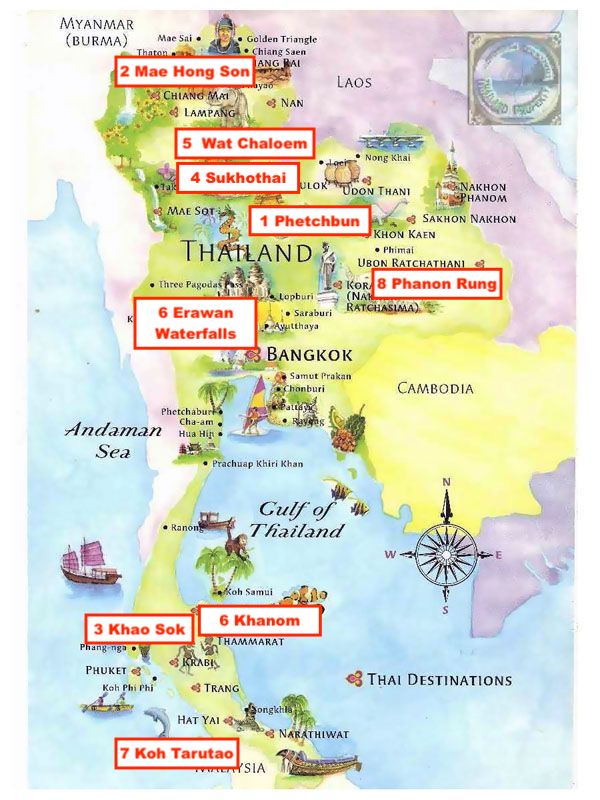
The 15 Hidden Gems: A Detailed Guide
Here are 15 off-the-beaten-path attractions in Thailand for your 2026 itinerary. They are not ranked, as the best choice depends on your preferences. Each includes travel information, highlights, and an indication of expected tourist numbers.
1. Khao Sok Lake & Floating Bungalows: Located in Surat Thani province, Khao Sok Lake is a stunning freshwater lake surrounded by limestone cliffs and dense rainforest. Staying in one of the floating bungalows is an unforgettable experience – imagine waking up to the sounds of the jungle and jumping straight into the water for a swim. Getting there involves a bus from Surat Thani or a private transfer. The vibe here is relaxed and increasingly popular, but still far less crowded than most coastal destinations.
2. Phu Chi Fa (Chiang Rai): For breathtaking sunrise views, head to Phu Chi Fa in Chiang Rai province. This mountain peak offers panoramic vistas of rolling hills and valleys, often shrouded in mist. It's a bit of a trek to reach the summit, but the reward is well worth the effort. You’ll likely need to hire a driver or join a tour from Chiang Rai city. Expect to share the view with a few other early risers, mostly Thai tourists.
3. Sangkhlaburi (Kanchanaburi): This unique town in Kanchanaburi province is home to a large Mon community, and offers a fascinating glimpse into a different side of Thai culture. Explore the wooden Mon Bridge, visit the local temples, and enjoy the peaceful atmosphere. It’s accessible by bus from Kanchanaburi town. Relatively undiscovered by international tourists, this is a great place to experience authentic Thai life.
4. Koh Yao Noi: Situated between Phuket and Krabi, Koh Yao Noi offers a tranquil escape from the hustle and bustle of its more famous neighbors. It’s known for its pristine beaches, lush rice paddies, and friendly locals. Ferries connect the island to Phuket and Krabi. You’ll find a mix of travelers here, but it still retains a very laid-back and authentic feel.
5. Railay’s Hidden Lagoons: While Railay Beach itself is becoming increasingly popular, many visitors don’t venture beyond the main beaches to explore the hidden lagoons tucked away in the limestone cliffs. These secluded pools are perfect for a refreshing swim and offer a sense of adventure. Accessible by kayak or rock climbing. These lagoons are still relatively quiet, but require a bit of effort to reach.
6. Si Satchanalai Historical Park: Often overshadowed by Sukhothai, Si Satchanalai is an ancient city with impressive ruins dating back to the 13th century. Explore the crumbling temples, chedis, and city walls, and immerse yourself in Thailand’s rich history. It’s located about 50km north of Sukhothai. You’ll likely have the park almost entirely to yourself during the week.
7. Erawan National Park (Less-Visited Tiers): Erawan National Park is famous for its seven-tiered waterfall, but many tourists only visit the first few tiers. Venture further upstream to discover the more secluded and less crowded tiers, where you can enjoy a peaceful swim in the turquoise pools. Located in Kanchanaburi province. The upper tiers are significantly less crowded, offering a more tranquil experience.
8. Sam Phan Bok (Ubon Ratchathani): Known as the "Grand Canyon of Thailand,’ Sam Phan Bok is a stunning geological formation carved by the Mun River. Explore the sandstone cliffs, caves, and waterfalls, and marvel at the power of nature. It"s located in Ubon Ratchathani province, in the Isan region. This is a truly off-the-beaten-path destination, rarely visited by international tourists.
9. Ancient Temples of Ayutthaya (Beyond Wat Yai Chaimongkol): Ayutthaya is a UNESCO World Heritage site with numerous ancient temples, but most tourists only visit the most famous ones. Explore the lesser-known temples, such as Wat Phra Sri Sanphet and Wat Mahathat, to discover hidden gems and avoid the crowds. Many of the smaller temples offer a more peaceful and authentic experience.
10. Doi Inthanon National Park (Beyond the Summit): While the summit of Doi Inthanon is popular, the park itself offers much more to explore. Hike through lush forests, visit waterfalls, and discover hidden villages. Venture beyond the main viewpoints to experience the park’s true beauty.
11. Koh Lanta Yai's Southern Beaches: Koh Lanta Yai is known for its long, sandy beaches, but the southern end of the island remains relatively undeveloped and unspoiled. Explore the secluded bays and enjoy the peaceful atmosphere. A great option for those seeking a more laid-back island experience.
12. Pai Canyon (Mae Hong Son): A miniature version of the Grand Canyon, Pai Canyon offers stunning views and hiking trails. It’s especially beautiful at sunset. Can get crowded during peak hours, but worth visiting for the views.
13. Khao Chamao-Khao Wong National Park (Rayong): This park offers a diverse landscape of rainforest, waterfalls, and caves. It’s a great place for hiking, birdwatching, and exploring nature. A hidden gem for nature lovers.
14. Thung Wua Laen Beach (Chanthaburi): This secluded beach is known for its unique rock formations and clear waters. It’s a great place to relax and enjoy the natural beauty. A local favorite, but still relatively unknown to tourists.
15. Phanom Rung Historical Park (Buriram): This Khmer temple complex is perched on top of an extinct volcano, offering stunning views of the surrounding landscape. A fascinating historical site with a unique setting.
Northern Thailand's Mountain Secrets
Northern Thailand is a treasure trove of hidden gems, offering a unique blend of stunning natural beauty and rich cultural heritage. Beyond the popular tourist destinations of Chiang Mai and Chiang Rai, lies a network of remote villages, breathtaking mountain vistas, and ancient traditions waiting to be discovered. Let’s delve a little deeper into Phu Chi Fa, Doi Inthanon, and Pai Canyon.
Phu Chi Fa, as mentioned before, is more than just a sunrise viewpoint. The surrounding area is home to several hill tribe villages, offering opportunities for responsible trekking and cultural immersion. Consider staying in a local homestay to experience the traditional way of life. However, always be respectful of local customs and traditions – ask permission before taking photos and avoid imposing your own values.
Doi Inthanon, the highest peak in Thailand, is often visited for its summit views, but the surrounding national park is a world unto itself. Explore the King and Queen Pagodas, hike through the cloud forests, and visit the Karen and Hmong villages. The climate on Doi Inthanon is significantly cooler than in the lowlands, so pack accordingly. Changing weather patterns are impacting these areas, with increased rainfall and landslides in recent years. Supporting sustainable tourism initiatives is crucial to protecting this fragile ecosystem.
Pai Canyon, despite its growing popularity, still offers a sense of adventure and tranquility. Explore the narrow ridges and winding paths, and enjoy the panoramic views. Be cautious when walking along the canyon edges, as the terrain can be unstable. The town of Pai itself is a hub for backpackers and digital nomads, but venture beyond the town center to discover hidden waterfalls, hot springs, and remote villages.
Island Escapes: Beyond Phuket and Koh Samui
While Phuket and Koh Samui are undoubtedly beautiful, they can get incredibly crowded, especially during peak season. For a more secluded island escape, consider Koh Yao Noi, Koh Lanta Yai (specifically its southern beaches), or some of the smaller islands in the Trang archipelago. These islands offer a more authentic Thai experience, with pristine beaches, crystal-clear waters, and a slower pace of life.
Sustainable tourism is a major concern on these smaller islands. The influx of tourists can put a strain on local resources and ecosystems. Choosing eco-conscious tour operators, supporting local businesses, and minimizing your environmental impact are all crucial steps you can take to help preserve these fragile environments. Look for accommodations that prioritize sustainability and participate in responsible tourism initiatives.
Activities on these islands range from snorkeling and diving to kayaking and rock climbing. Many islands offer opportunities to explore hidden caves, secluded bays, and vibrant coral reefs. Ferry schedules and speedboat services connect the islands to the mainland, but it's important to check the schedules in advance, especially during the low season. Be prepared for a more rustic and laid-back experience – these islands aren’t known for their luxury resorts and nightlife.
Thailand's Undiscovered Islands: A Comparative Overview (2026)
| Island | Vibe | Accessibility | Crowd Level | Accommodation |
|---|---|---|---|---|
| Koh Yao Noi | Relaxed | Moderate | Low | Mid-range |
| Koh Lanta | Adventurous/Relaxed | Easy | Medium | Budget to Mid-range |
| Koh Mak | Family-friendly/Relaxed | Moderate | Low | Mid-range to Luxury |
| Koh Kood | Relaxed/Adventurous | Moderate | Low to Medium | Mid-range to Luxury |
| Koh Phangan (North) | Adventurous/Backpacker | Moderate | Medium | Budget to Mid-range |
Illustrative comparison based on the article research brief. Verify current pricing, limits, and product details in the official docs before relying on it.
Local Eats: Flavors You Won't Find in Guidebooks
Thai cuisine is world-renowned, but there’s so much more to it than Pad Thai and Green Curry. Venture beyond the tourist restaurants and explore the local food markets and street food stalls to discover a whole new world of flavors. In Sangkhlaburi, try the Mon-style noodles, a local specialty. In Isan (where Sam Phan Bok is located), sample som tam pla ra (papaya salad with fermented fish sauce) – it’s an acquired taste, but a true Isan experience.
In the north, look for khao soi (curry noodle soup) and sai oua (northern Thai sausage). Don't be afraid to try unfamiliar dishes – that’s part of the adventure. Chat with the vendors, ask them about their food, and be open to new experiences. You might just discover your new favorite Thai dish. Many of these vendors operate on a small scale, and your patronage directly supports the local community.
Don't overlook the fruit! Thailand is a tropical paradise, and the markets are overflowing with exotic fruits you’ve probably never seen before. Durian, mangosteen, rambutan, and longan are just a few of the delicious options available. Be adventurous and try something new – you might be surprised at what you discover.
Respectful Travel: Etiquette and Local Customs
Thailand is a country steeped in tradition and culture. Showing respect for local customs and etiquette is essential for a positive and enriching travel experience. When visiting temples, dress modestly – cover your shoulders and knees. Remove your shoes before entering temple buildings and homes. Avoid pointing your feet at people or religious images, as this is considered disrespectful.
Interacting with monks requires special consideration. Women should never touch a monk, and both men and women should avoid making direct eye contact. When offering donations to temples or monks, do so with reverence and humility. Learning a few basic Thai phrases, such as sawasdee (hello) and khop khun (thank you), will go a long way in showing your respect for the local culture.
The concept of sanuk – finding joy and fun in everything – is central to Thai culture. Embrace the sanuk spirit, be open to new experiences, and don’t take yourself too seriously. Avoid displays of anger or frustration, as this is considered impolite. Be mindful of your impact on the environment and support local businesses whenever possible. Ethical tourism is about more than just ticking off sights; it’s about building meaningful connections and leaving a positive impact.
- Dress modestly when visiting temples.
- Remove your shoes before entering temple buildings and homes.
- Avoid pointing your feet at people or religious images.
- Learn a few basic Thai phrases.
- Support local businesses.
- Be mindful of your environmental impact.
Planning Your Trip: Logistics and Resources
Getting to these hidden gems often requires a bit more planning and effort than traveling to the popular tourist destinations. Domestic flights connect major cities, but trains and buses are often the most affordable and convenient options for reaching smaller towns and remote areas. Songthaews (red trucks) and scooters are common forms of transportation within local areas.
Useful websites include the Tourism Authority of Thailand () for general information and 12Go Asia () for booking transportation. Accommodation options range from budget guesthouses to boutique hotels, but availability can be limited in some areas, so it’s advisable to book in advance, especially during peak season.
Budgeting for a trip to Thailand depends on your travel style, but it’s generally affordable. Travel insurance is highly recommended, and it’s important to check visa requirements before you travel. Remember that travel in these areas can be more challenging than in popular tourist destinations, so be prepared for unexpected delays and be flexible with your plans. Embrace the adventure, and enjoy the beauty of Thailand’s hidden corners.


No comments yet. Be the first to share your thoughts!