

Thailand's Weather in 2026: A Quick Look
Thailand generally experiences three main seasons: hot, rainy, and cool. This isn’t a rigid system, though, and the timing can shift slightly year to year. For 2026, we anticipate a fairly typical pattern, but it’s always wise to be prepared for variations. The hot season typically runs from March to May, followed by the rainy season from June to October, and then the cooler, drier months from November to February.
It's important to understand that Thailand's climate isn't uniform across the country. The north experiences more pronounced temperature swings than the south. The islands have their own microclimates influenced by monsoon winds. Central Thailand, where Bangkok is located, tends to be hot and humid for much of the year. This means the best time to visit Thailand really depends on where you're going and what you want to do.
Understanding these broad patterns is the first step. We'll break down each season in more detail, and then look at regional differences. This will help you make an informed decision about when to plan your trip in 2026, maximizing your enjoyment and minimizing potential discomfort. Planning ahead is key, especially if you're hoping to catch a specific festival or explore a particular region.
Decoding Thailand's Seasons
The hot season, spanning roughly March to May, is characterized by rising temperatures and increasing humidity. April is usually the hottest month, with temperatures frequently exceeding 35°C (95°F) in many parts of the country. While it's not ideal for extensive outdoor activities during the hottest part of the day, it’s a good time for exploring temples early in the morning or enjoying air-conditioned shopping malls. There’s also a chance of haze, particularly in northern Thailand, due to agricultural burning.
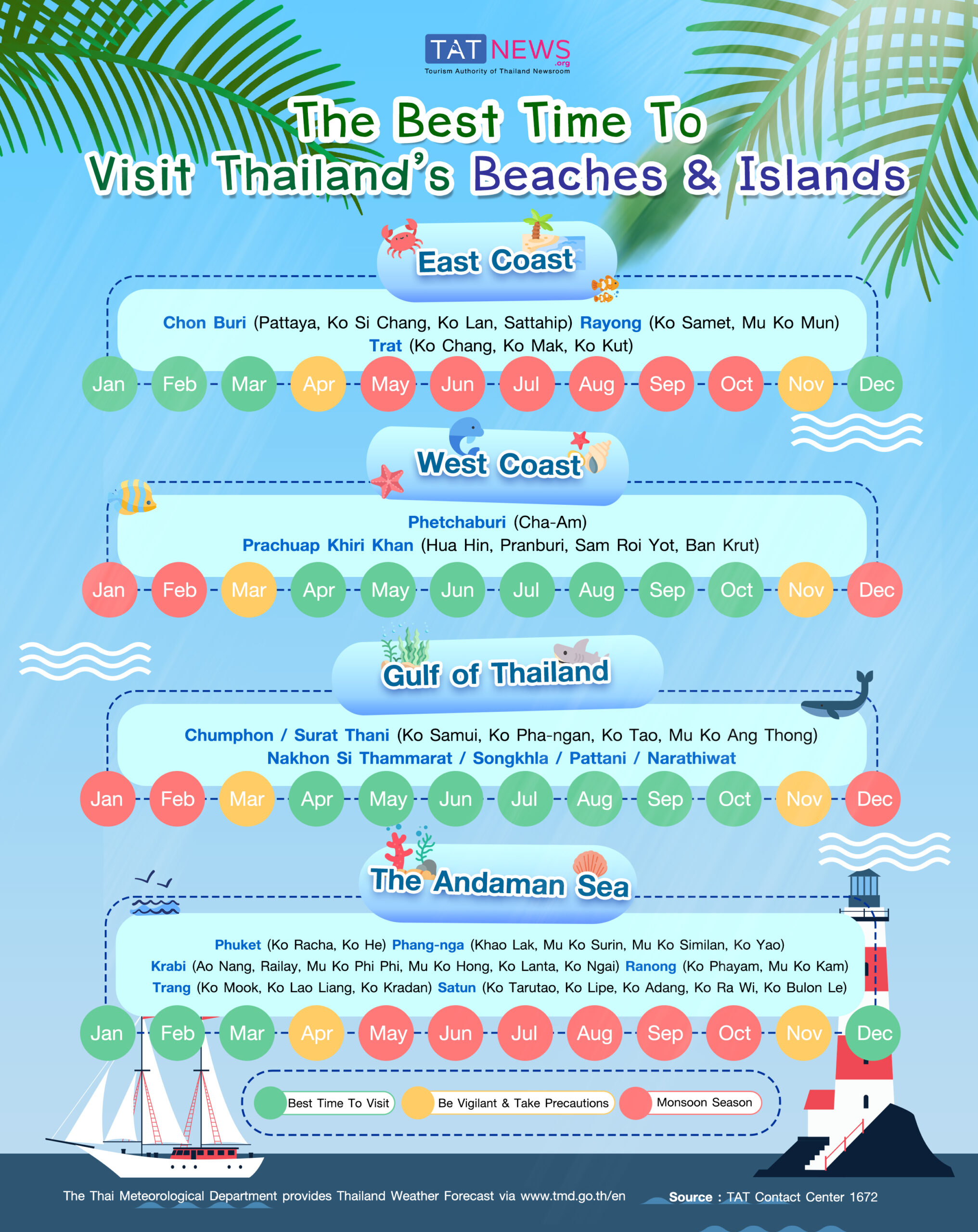
The rainy season, from June to October, brings much-needed relief from the heat. However, it also means dealing with monsoon rains. These rains aren’t constant; they often come in short, intense bursts, usually in the afternoon. Regional rainfall varies significantly. The Gulf Coast generally receives more rain in September and October, while the Andaman Coast sees heavier rainfall from May to October. Travel is still possible during the rainy season, and you’ll find fewer crowds and lower prices. Just be prepared for occasional disruptions.
The cool season, November to February, is widely considered the best time to visit Thailand. The weather is pleasantly warm and dry, with average temperatures ranging from 20°C to 30°C (68°F to 86°F). Humidity is lower, making it ideal for outdoor activities like hiking, exploring national parks, and relaxing on the beaches. This is peak tourist season, so expect higher prices and more crowded attractions. Booking accommodations and tours in advance is highly recommended.
It’s worth noting that even during the rainy season, you can often experience sunny days. The monsoon isn't a constant downpour. It’s more about predicting the likelihood of rain and being prepared for it. Checking weather forecasts closer to your travel dates is always a good idea.
Regional Weather Variations
Central Thailand, including Bangkok and Ayutthaya, experiences hot and humid weather for much of the year. The hot season is particularly intense, and the rainy season can bring significant flooding. Bangkok’s drainage systems are improving, but flash floods can still occur during heavy downpours. The cool season offers the most comfortable weather for exploring this region. Expect temperatures in Bangkok to range from 25°C to 35°C (77°F to 95°F) throughout the year.
Northern Thailand, encompassing Chiang Mai and Pai, has a more pronounced seasonal climate. The cool season brings pleasant temperatures, but it’s also when the air quality can be poor due to agricultural burning. This “burning season” typically occurs from February to April. The hot season is scorching, and the rainy season brings lush greenery and cooler temperatures. The mountains create microclimates, so temperatures can vary depending on elevation. I’ve personally found Chiang Mai to be most enjoyable in December and January.
Southern Thailand is divided into the Andaman Coast (Phuket, Krabi, Phi Phi) and the Gulf Coast (Koh Samui, Koh Phangan, Koh Tao). The Andaman Coast experiences its rainy season from May to October, while the Gulf Coast is affected by monsoon rains from September to December. This means you can often find sunshine on one coast while the other is experiencing rain. This difference makes it possible to plan a multi-destination trip that maximizes your chances of good weather.
The islands, like Koh Samui and Koh Phangan, have their own unique microclimates. Koh Samui, for example, tends to have slightly less rainfall than other islands in the Gulf of Thailand. These islands are popular destinations, and the weather patterns significantly influence the tourist season. Knowing the specific monsoon seasons impacting each coast is essential for planning your island-hopping adventure.
Month-by-Month Travel Guide
Here's a detailed look at what to expect each month in Thailand for 2026. Keep in mind these are averages, and actual weather conditions can vary.
January: Cool and dry. Average high of 28°C (82°F) in Bangkok, 25°C (77°F) in Chiang Mai. Perfect for exploring temples and beaches. February: Similar to January, perhaps slightly warmer. Ideal for festivals like Chinese New Year. March: Transition month. Temperatures start to rise, with average highs around 30°C (86°F). Still relatively dry. April: Hot and dry. Temperatures can reach 35°C (95°F) or higher. Songkran (Thai New Year) takes place this month.
May: Very hot and humid. The start of the rainy season. Expect afternoon showers. June: Rainy season begins in earnest. Average high of 32°C (90°F) in Bangkok, with frequent rain. July: Continued rainfall, especially in the Andaman Coast. August: Similar to July, with monsoon conditions persisting. September: Heaviest rainfall on the Gulf Coast. October: Rain begins to subside on the Andaman Coast.
November: The cool season begins. Average high of 28°C (82°F) in Bangkok. Loy Krathong festival takes place this month. December: Cool and dry. Excellent weather for travel throughout the country. Average high of 26°C (79°F) in Bangkok. The best month for many travelers.
Here's a quick reference table:
| Month | Temperature (Bangkok) | Rainfall (Bangkok) | Recommended Activities |
|-----------|------------------------|--------------------|-------------------------|
| January | 28°C (82°F) | 20mm | Temples, Beaches |
| February | 29°C (84°F) | 25mm | Festivals, Sightseeing |
| March | 30°C (86°F) | 30mm | Outdoor Exploration |
| April | 32°C (90°F) | 40mm | Songkran Festival |
| May | 33°C (91°F) | 80mm | Indoor Activities |
| June | 32°C (90°F) | 150mm | Budget Travel |
| July | 31°C (88°F) | 200mm | Relaxation |
| August | 31°C (88°F) | 220mm | Cultural Experiences |
| September | 30°C (86°F) | 250mm | Gulf Coast Avoidance |
| October | 29°C (84°F) | 180mm | Andaman Coast Travel |
| November | 28°C (82°F) | 40mm | Loy Krathong Festival |
| December | 26°C (79°F) | 30mm | Beaches, Sightseeing |
Thailand Weather and Travel Guide - 2026
| Month | Average High (°C) | Average Low (°C) | Rainfall (mm) | Best For |
|---|---|---|---|---|
| January | 30-34 | 20-24 | 30-50 | Bangkok sightseeing, Southern beaches (Andaman Coast - dry season), Chiang Mai cool season |
| February | 32-35 | 22-26 | 30-50 | Southern beaches (Andaman Coast - dry season), exploring national parks, festivals |
| March | 34-37 | 24-28 | 60-100 | Isan region (comfortable temperatures), Bangkok cultural experiences before the heat intensifies |
| April | 35-39 | 26-30 | 60-150 | Songkran Festival (mid-April), exploring historical parks (Ayutthaya, Sukhothai) - be prepared for heat |
| May | 36-40 | 27-31 | 150-250 | Mango season, quieter beaches, preparing for the rainy season |
| June | 33-37 | 26-30 | 200-300 | Beginning of the rainy season, lush landscapes, fewer tourists, good for budget travel |
| July | 32-36 | 25-29 | 200-350 | Khao Sok National Park (green season), exploring waterfalls, cultural experiences |
| August | 32-36 | 25-29 | 200-350 | Samui, Koh Phangan, and Koh Tao (relatively dry), diving and island hopping |
Illustrative comparison based on the article research brief. Verify current pricing, limits, and product details in the official docs before relying on it.
Festivals and Weather: Timing is Everything
Several major Thai festivals are closely tied to the weather. Songkran, the Thai New Year, takes place in mid-April, during the hottest time of year. The water fights are a welcome relief from the heat, but be prepared for scorching temperatures. Loy Krathong, celebrated in November, is a beautiful festival where people release krathongs (decorated floating baskets) onto rivers and waterways. The weather is typically cool and breezy, creating a magical atmosphere.
Yi Peng, often celebrated alongside Loy Krathong in northern Thailand, involves releasing khom loi (sky lanterns). The cool, clear skies of November provide the perfect conditions for this stunning spectacle. If you’re planning to attend these festivals, booking accommodations and transportation well in advance is crucial, as they are popular events.
The timing of these festivals also impacts the crowds. Songkran is a particularly busy time, while Loy Krathong and Yi Peng attract large numbers of tourists. Consider your tolerance for crowds when planning your trip. It's also worth checking the specific dates of the festivals each year, as they can vary slightly.
Packing Essentials by Season
Packing appropriately for your trip to Thailand is essential for staying comfortable. The required items will vary depending on the season. For the hot season (March-May), pack lightweight, breathable clothing made from cotton or linen. Sunscreen, a hat, and sunglasses are also crucial. A reusable water bottle is a must to stay hydrated.
During the rainy season (June-October), a waterproof jacket, quick-drying clothes, and an umbrella are essential. Mosquito repellent is also important, as mosquitoes are more prevalent during this time. Comfortable, waterproof footwear is a good idea, as streets can become flooded. For the cool season (November-February), pack light layers, as temperatures can vary throughout the day. A sweater or jacket may be needed for evenings.
Regardless of the season, comfortable walking shoes are a must, as you’ll likely be doing a lot of exploring. A universal adapter is also helpful, as Thailand uses different plug types. Finally, don’t forget any necessary medications and a small first-aid kit.
- Lightweight clothing
- Sunscreen
- Hat
- Sunglasses
- Reusable water bottle
- Waterproof jacket
- Quick-drying clothes
- Umbrella
- Mosquito repellent
- Comfortable walking shoes
- Universal adapter
- Medications
- First-aid kit
Essential Gear for Your Thailand Adventure

Quick Dry & Super Absorbent · Ultra Compact & Lightweight · Suitable for Travel, Gym, Camping, Beach, Pool
This microfiber towel is a versatile and compact essential for drying off after swimming or showering, and it dries quickly, making it ideal for Thailand's humid climate.

20L Capacity · Waterproof Dry Pack · Lightweight and Packable
A lightweight, waterproof dry pack is crucial for protecting your belongings from sudden downpours, especially during the rainy season, and for keeping essentials dry during boat trips.
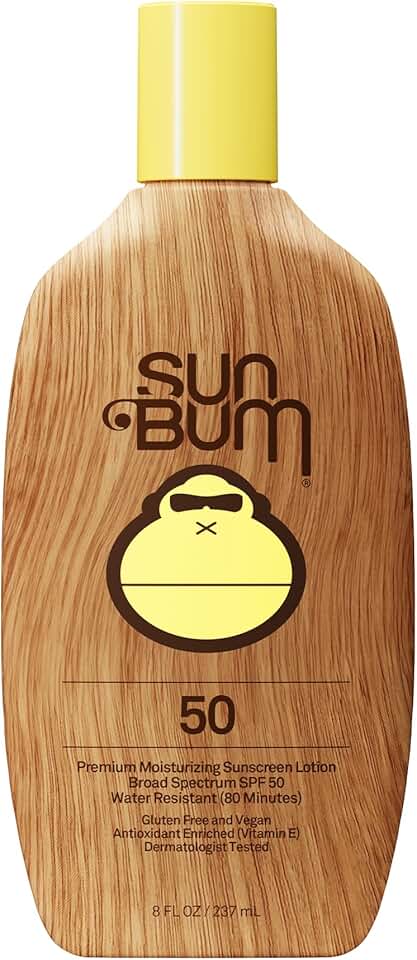
SPF 50 Broad Spectrum Protection · Moisturizing with Vitamin E · Reef-Friendly Formula (Hawaii 104 Act Compliant)
High SPF sunscreen is non-negotiable for protecting your skin from intense tropical sun, and this reef-friendly option is suitable for beach days and water activities.

10-Hour Protection with DEET · Repels Mosquitoes, Ticks, Gnats, and more · Pump Spray Application
Effective insect repellent is vital for preventing bites from mosquitoes and other insects, particularly during evenings and in areas with lush vegetation, to ward off potential diseases.

45W PD & QC Fast Charging · 3 USB-C and 2 USB-A Ports · Worldwide Compatibility (US/UK/AU plugs)
A universal travel adapter with fast charging capabilities ensures all your electronic devices can be powered up efficiently, regardless of the outlet type, keeping you connected throughout your trip.
As an Amazon Associate I earn from qualifying purchases. Prices may vary.
Island Hopping: When to Go Where
If you're planning to visit multiple islands, understanding the different monsoon seasons is critical. The Andaman Coast (Phuket, Krabi, Phi Phi) enjoys its best weather from November to April, with sunny skies and calm seas. This is peak season, so expect higher prices and more crowds. The rainy season on this coast runs from May to October.
The Gulf of Thailand (Koh Samui, Koh Phangan, Koh Tao) has a different monsoon pattern. The best time to visit these islands is from February to September, with drier weather and calmer seas. The rainy season here is from September to December. This means you can often find good weather on one coast while the other is experiencing rain, making it possible to plan a seamless island-hopping adventure.
For example, if you’re traveling in July, you might choose to visit Koh Samui and Koh Phangan, while avoiding the Andaman Coast. Conversely, if you’re traveling in December, you should focus on the Andaman Coast and skip the Gulf of Thailand. Careful planning based on the monsoon patterns will ensure you have the best possible island-hopping experience.



No comments yet. Be the first to share your thoughts!