

When to visit Thailand
Timing your trip around Thailand’s weather patterns and crowd levels is the single most effective way to control your experience. The country’s climate shifts dramatically between the rainy, hot, and cool seasons, and these changes directly impact both the cost of your Thai Trip Lover getaway and the comfort of your daily activities. By understanding these cycles, you can choose the right month to match your budget and tolerance for humidity.
Thailand’s weather is generally divided into three seasons. The cool season (November to February) offers the most pleasant temperatures, with lower humidity and clear skies, making it ideal for temple visits and island hopping. However, this period coincides with peak tourist numbers and higher prices. The hot season (March to May) brings intense heat, often exceeding 35°C (95°F), which can be exhausting for outdoor exploration. The rainy season (June to October) sees heavy but often short downpours, particularly in the afternoons. While some islands close during this time, mainland destinations remain accessible, and prices drop significantly.
Choosing the right month depends on your priorities. If you want the best weather, aim for November to February. If you are budget-conscious, consider the shoulder months of March or October, where you might trade some rain or heat for lower costs. Always check specific regional forecasts, as the Andaman Sea and Gulf of Thailand islands have different rainy periods.
| Month | Weather | Crowds | Price Tier |
|---|---|---|---|
| Nov–Feb | Cool, dry, sunny | Peak | High |
| Mar–May | Hot, humid | Moderate | Medium |
| Jun–Oct | Rainy, humid | Low | Low |
Start your Thai Trip Lover journey in Bangkok
Bangkok is the practical gateway for almost every Thailand itinerary. The city’s transport hubs funnel visitors into the country, and its density of hotels, airports, and river ferries makes it the easiest place to begin a Thai Trip Lover journey. Start here to orient yourself before moving north to Chiang Mai or south to the islands.
Day one: The river and the old city
Begin your first morning at Wat Arun, the Temple of Dawn, right across the Chao Phraya River. Take a short, inexpensive ferry ride from the nearby pier to cross over. This temple is best visited early to avoid the midday heat and the largest crowds. The intricate porcelain mosaics and central prang are striking in the morning light.
After Wat Arun, walk or take a local taxi to Wat Pho, home to the massive Reclining Buddha. The temple complex is vast, so allow at least an hour to explore the grounds and see the hundreds of smaller Buddha images. The nearby massage schools offer affordable traditional Thai massages, a perfect way to recover from the walk.
End your first day on Khao San Road. While it is tourist-heavy, it is the central hub for budget travelers and backpackers. Grab dinner at one of the street stalls, listen to the live music, and get a feel for the city’s nightlife energy. It is a chaotic but essential part of the Bangkok experience.
Getting around and staying connected
Bangkok traffic is notorious, so rely on the BTS Skytrain and MRT subway for longer distances. For short hops across the river or along the canals, use the public ferries and express boats. They are cheap, efficient, and offer a unique perspective of the city.
Download the Grab app for taxi and ride-hailing services. It is safer and often cheaper than hailing random street taxis, which may overcharge tourists. Keep small bills for ferry fares and street vendors, as many places do not accept cards.
Khao Sok National Park
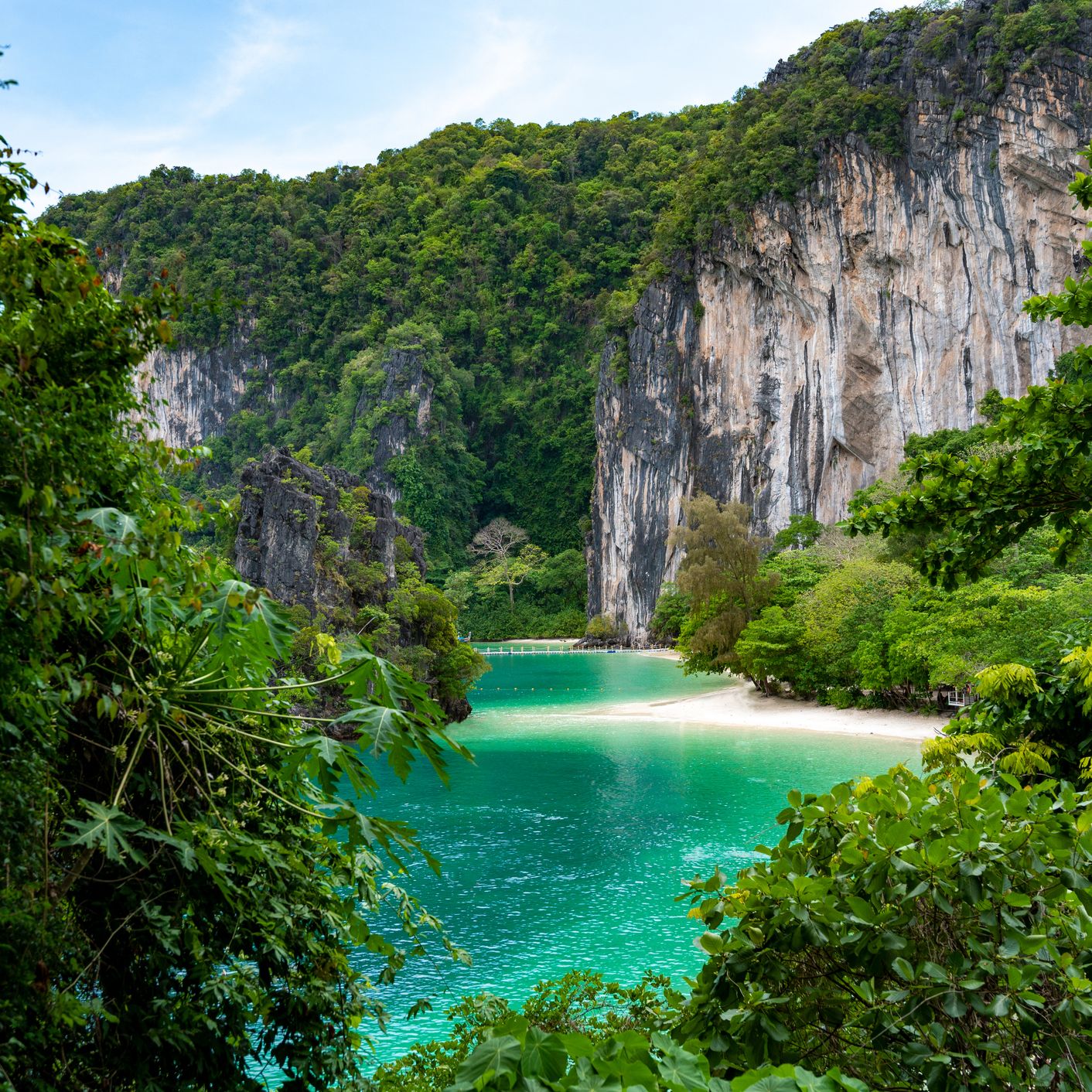
Khao Sok National Park in Surat Thani is the definitive nature experience for a Thai trip lover. While the beaches draw the crowds, the ancient rainforest here offers a quieter, more immersive escape. The limestone karsts rising from Cheow Lan Lake create a landscape that feels untouched, making it the perfect counterpoint to the hustle of Bangkok or the party scene of Khao San Road.
Practical Route Details
The journey to Khao Sok typically starts with a morning drive from Surat Thani town or a short flight to Surat Thani Airport. From there, it is a two-hour drive to the park headquarters. For a smoother arrival, consider booking a private transfer from Phuket or Krabi, which takes about three hours but saves the hassle of navigating local buses.
Timing and Cost Context
Visiting between November and March offers the most comfortable weather, with lower humidity and minimal rain. During the monsoon season (May–October), some trails may close, and boat tours can be rough. Entry fees are reasonable, but the real cost comes from accommodation. Staying on Cheow Lan Lake in a floating bungalow provides the best views but requires booking weeks in advance. Budget travelers can stay in nearby lodges, which are cheaper but lack the iconic sunrise views over the water.
Key Activities
The highlight is a sunset cruise on Cheow Lan Lake. The calm waters reflect the jagged limestone peaks, creating a mirror-like effect that is best captured in the late afternoon. After the cruise, join a night walk near the park headquarters to spot nocturnal wildlife like tarsiers and flying squirrels. For the active traveler, a full-day jungle trek to Sok To Waterfall offers a chance to swim in natural pools surrounded by dense greenery.
Why It Fits the Thai Trip Lover
This destination balances culture and nature by offering a break from urban chaos without sacrificing accessibility. It is not isolated; you can easily combine a Khao Sok stop with a beach trip to Koh Phangan or Koh Samui. The park’s infrastructure is well-developed for tourists, yet it retains a wild, adventurous spirit that defines the best of Thailand’s natural heritage.
Eat like a Thai Trip Lover
Thailand’s food scene is the heartbeat of the culture, and street food is the pulse. You don’t need a reservation to find the best meals; you just need to follow the crowds and the smoke. From the bustling night markets of Bangkok to the quiet corner stalls in Chiang Mai, eating on the street is an affordable, authentic, and deeply social experience. A typical meal costs between 50 and 150 baht ($1.50–$4.50), making it easy to sample a wide variety of dishes without breaking your travel budget.
The country’s regions each have distinct flavor profiles that define their local specialties. In the north, near the mountains, you’ll find khao soi—a rich, coconut-curry noodle soup that is mild yet complex. Move south to Phuket or Krabi, and the food shifts to fresh seafood and Malay-influenced curries that are often spicier and more aromatic. Central Thailand, including Bangkok, offers the balanced sweet, sour, salty, and spicy combinations that most foreigners recognize as classic Thai cuisine. Understanding these regional differences helps you navigate menus with confidence and know what to expect.
Street food etiquette is simple: sit on the small plastic stools, eat quickly while the food is hot, and use the provided condiments—fish sauce, chili flakes, dried chili powder, and sugar—to adjust the flavor to your liking. Don’t be afraid to point at what looks delicious; vendors are used to tourists and will often guide you through the options. This hands-on approach to dining is not just about sustenance; it’s a way to connect with the daily rhythm of Thai life.
Packing checklist for Thailand
Getting ready for a Thai trip requires balancing two distinct needs: surviving the tropical heat and respecting local cultural norms. Your packing list should prioritize lightweight, breathable fabrics that dry quickly, while ensuring you have appropriate coverage for temple visits. The climate is humid year-round, so versatile clothing that works for both city exploration and beach relaxation is essential.
Respectful temple attire
Thailand’s temples (wats) have strict dress codes. You must cover your shoulders and knees. Avoid sleeveless tops, tank tops, or shorts that end above the knee. Pack a lightweight sarong or a pair of loose linen trousers that can be easily slipped on over swimwear or shorts when visiting sacred sites. This simple addition prevents awkward moments at entry gates.
Footwear for transitions
You will remove your shoes frequently. When entering temples, homes, and some shops, bare feet are required. Wear slip-on sandals or shoes that are easy to take off and put back on. Avoid complex laces or heavy boots. Comfortable walking shoes are also crucial for navigating uneven temple steps and bustling markets.
Sun and rain protection
The sun is intense, and sudden tropical showers are common. Pack a high-SPREE sunscreen, a wide-brimmed hat, and sunglasses. A compact, foldable rain jacket or umbrella is practical for unexpected downpours. Mosquito repellent is also a must-have, especially if you are traveling to rural areas or during the rainy season.
Health and essentials
Bring a basic medical kit with band-aids, antiseptic wipes, and anti-diarrheal medication. Tap water is not safe to drink, so carry a reusable water bottle with a built-in filter or plan to refill with bottled water. Power adapters are needed for Type A, B, and C outlets, which are standard in Thailand.
-
Lightweight, breathable shirts (long and short sleeve)
-
Long pants or sarong for temple visits
-
Modest swimwear (cover-ups for public areas)
-
Slip-on sandals or easy-off shoes
-
High-SPF sunscreen and sunglasses
-
Compact rain jacket or umbrella
-
Mosquito repellent
-
Universal power adapter (Type A/B/C)
-
Reusable water bottle with filter
No comments yet. Be the first to share your thoughts!