

When to visit Thailand in 2026
Choosing the right month for your Thai Trip Lover itinerary depends on balancing dry weather with manageable crowds. Thailand’s climate splits into three distinct seasons, each offering different trade-offs for beach days, temple tours, and street food hunting. Understanding these windows helps you avoid monsoon disruptions and peak tourist congestion.
The cool season (November to February) brings the most comfortable temperatures and minimal rain, making it ideal for island hopping and northern treks. However, this is also peak tourist season, meaning higher prices and crowded attractions. The hot season (March to May) sees temperatures soar above 35°C, which can be exhausting for outdoor activities, though crowds thin out slightly. The rainy season (June to October) offers the lowest costs and fewest tourists, but afternoon downpours can disrupt boat trips to islands like Koh Phi Phi or Koh Samui.
Use the comparison below to weigh weather, cost, and crowd levels for each season.
| Season | Months | Weather | Cost | Crowds |
|---|---|---|---|---|
| Cool Season | Nov–Feb | Dry, 20–30°C | High | Peak |
| Hot Season | Mar–May | Humid, 30–38°C | Medium | Medium |
| Rainy Season | Jun–Oct | Wet, 25–32°C | Low | Low |
For a Thai Trip Lover experience, the sweet spot is late October or early November. The rains taper off, prices drop from their peak, and the landscape is lush and green. If you prioritize beach reliability, aim for the Gulf Islands (Koh Samui, Koh Phangan) between June and August, as they experience less rain during the southern monsoon than the Andaman coast.
Must-see spots for first-timers
A Thai Trip Lover itinerary usually starts with the capital’s electric energy before moving north to cultural heritage or south to coastal relaxation. These three destinations form the classic triangle, offering the most efficient way to experience the country’s diversity without spending your entire vacation in transit.
Bangkok: The Urban Pulse
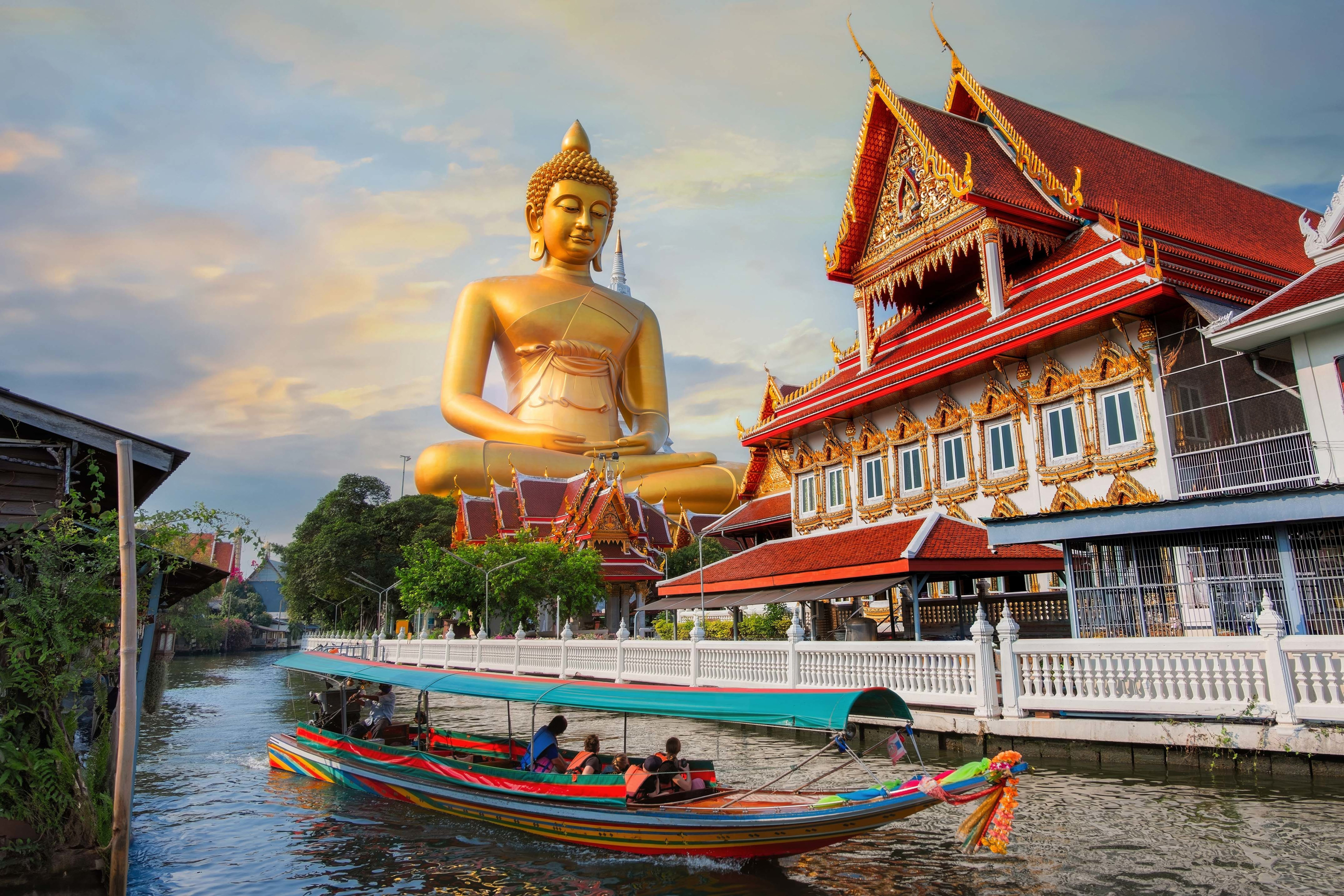
Bangkok is a sensory overload that demands at least two full days. Start at Wat Pho to see the 46-meter reclining Buddha, then take a long-tail boat through the Khlongs to Wat Arun. The city’s street food scene is unmatched; head to Yaowarat Road (Chinatown) after dark for crab omelets and mango sticky rice.
Expect to spend 1,500–2,500 baht per day on mid-range lodging and meals. The BTS Skytrain is essential for avoiding traffic, while Grab handles the rest. Avoid tuk-tuks unless you are prepared to pay tourist rates for a short, bumpy ride.
Chiang Mai: Temple Trails and Hills
Fly north from Bangkok (1.5 hours) to Chiang Mai, the gateway to the northern highlands. This city moves slower, centered around the ancient moated old city. Visit Wat Phra That Doi Suthep on the mountain for panoramic views, then explore the Sunday Night Market for handmade crafts and northern Thai specialties like sai ua (herbal sausage).
Chiang Mai is ideal for day trips to elephant sanctuaries or hill tribe villages. Choose ethical sanctuaries that prohibit riding. Daily costs here are lower than Bangkok, with comfortable guesthouses available for 500–1,000 baht.
Phuket and the Southern Islands
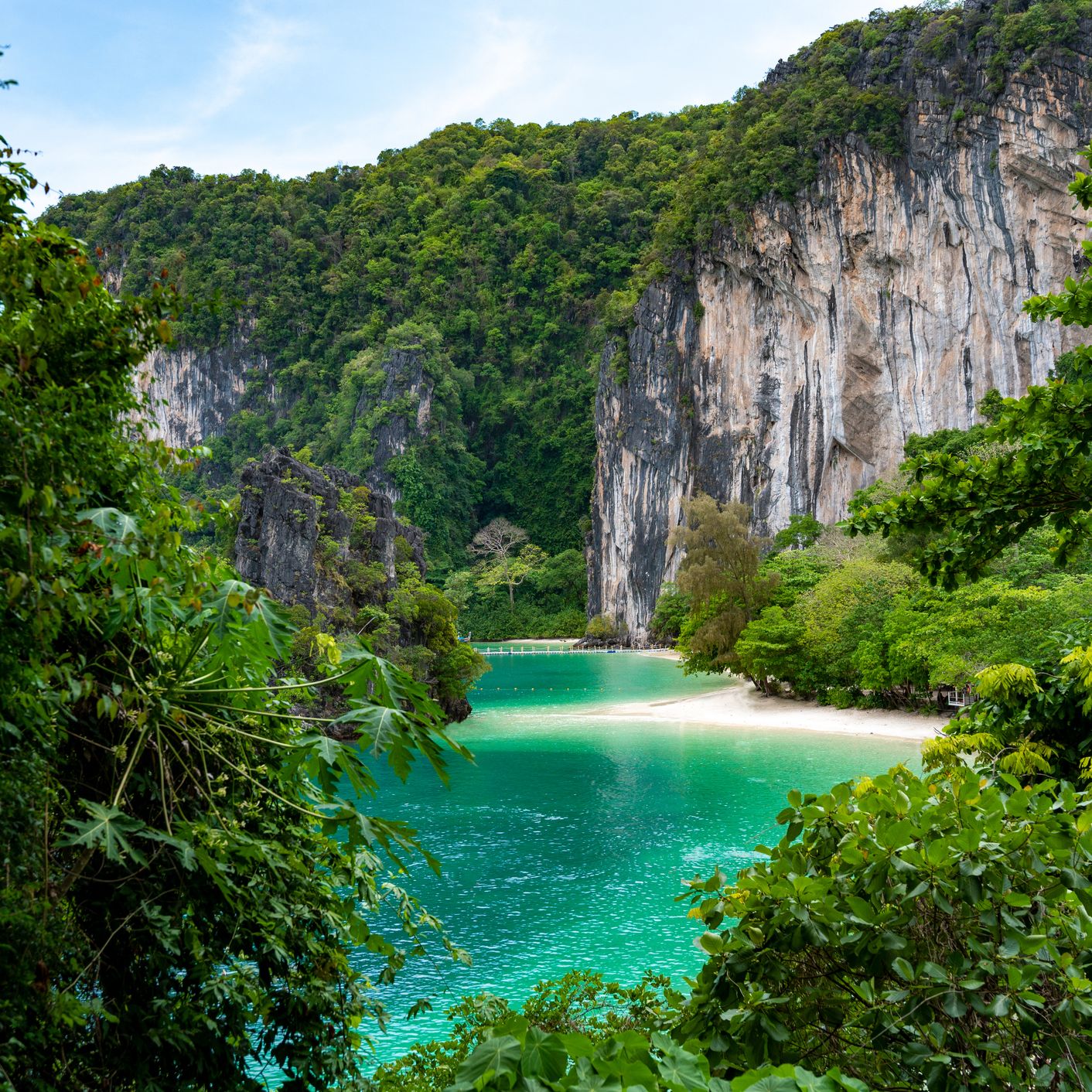
For the beach leg of your Thai Trip Lover journey, fly south to Phuket. It serves as the hub for island hopping to Phi Phi or James Bond Island. While Phuket itself has busy beaches, the southern coast offers quieter coves.
Book ferries or speedboats in advance during peak season (November–April). For a more relaxed vibe, consider Krabi across the bay, which offers similar limestone karst scenery with fewer crowds. Budget 2,000–3,500 baht daily for island tours and seaside dining.
Street food trends to try now
Thai street food has evolved far beyond the standard pad thai and mango sticky rice. While those classics remain staples, the current culinary landscape in Thailand is defined by a return to regional roots and bold, specific flavor profiles. The best way to navigate this is to look for stalls that specialize in one thing rather than offering a sprawling menu of everything.
Southern heat and northern herbs
The most significant trend right now is the popularity of regional specialties that travel with tourists. In Bangkok and Chiang Mai, you will see a surge in Southern Thai curries like Gaeng Som, which offers a sour and spicy kick distinct from the creamy massaman often found in tourist areas. Look for small, bustling stalls near local markets where the curry paste is ground fresh daily. The heat level is intense, so ask for "pet nit noi" (little spicy) if you are not accustomed to chilies.
In the north, the focus has shifted to herbal complexity. Dishes like Khao Soi remain popular, but savvy eaters are now seeking out Sai Oua (Northern Thai sausage) and Nam Prik Num (green chili dip) with fresh vegetables. These dishes highlight the region’s abundant herbs, such as lemongrass, galangal, and kaffir lime leaves. The experience is less about the sauce and more about the freshness of the accompanying greens.
Modern twists on ancient recipes
Another emerging trend is the fusion of traditional techniques with modern presentation, particularly in urban centers like Bangkok and Phuket. Street vendors are increasingly offering deconstructed versions of classic dishes, such as individual portions of Tom Yum soup in small, elegant bowls, or sushi rolls filled with Thai ingredients like pickled daikon and basil. This does not mean the flavors have changed; it means the delivery has adapted to faster-paced city life.
You can also find innovative uses of local ingredients. For instance, street vendors are now using jackfruit as a meat substitute in stir-fries, catering to the growing number of vegetarian and vegan travelers. These dishes are often priced similarly to their meat-based counterparts, making them an accessible option for budget-conscious foodies. The key is to look for stalls with high turnover, which ensures the ingredients are fresh and the cooking is done to order.
Plan your route and budget
Structuring a Thai trip requires balancing geographic flow with financial reality. Thailand is long and narrow, so the most efficient way to see it is to follow the natural north-to-south or island-hopping corridors. Trying to zigzag between distant provinces like Chiang Mai and Phuket in a single week will waste more time on buses and flights than you gain in sightseeing. A linear route minimizes backtracking and keeps your daily transport costs predictable.
Budgeting for Thailand is straightforward if you separate fixed costs from daily spending. Flights and intercity transport (buses, trains, ferries) are fixed costs you should book in advance during peak season. Daily spending, which covers food, accommodation, and activities, is highly flexible. You can stretch a budget significantly by eating at local street stalls and staying in mid-range guesthouses rather than resorts. The key is to allocate a daily allowance that covers your preferred comfort level without overspending on luxury experiences you don't need.
To keep your trip smooth, prioritize logistics that reduce friction. Download offline maps and ride-hailing apps like Grab or Bolt before you arrive, as data can be spotty in remote areas. Keep a mix of cash and cards; while cards are accepted in malls and hotels, small vendors and rural transport rely entirely on baht. A little cash goes a long way in ensuring you never miss a local experience due to payment issues.
Decide on a primary corridor. Most travelers choose the Northern Loop (Bangkok-Chiang Mai-Chiang Rai), the Southern Beaches (Krabi-Phuket-Koh Lanta), or the Gulf Islands (Koh Samui-Koh Phangan-Koh Tao). Pick one region to start, then expand if time allows. Avoid trying to cover the entire country in less than two weeks.

Secure your long-distance buses, trains, and flights at least a month in advance for peak season (November-February). The State Railway of Thailand website is reliable for train bookings. For buses, booking through platforms like 12Go.asia ensures you get confirmed seats on reputable companies.
Calculate a realistic daily budget based on your comfort level. Budget travelers can manage on $30-50/day, mid-range on $70-100/day, and luxury on $150+/day. This baseline should include accommodation, three meals, local transport, and one activity per day. Adjust this number based on your planned activities.

Before departure, download Grab for rides and food delivery, Google Maps for navigation, and a translation app for local interactions. Withdraw a sufficient amount of Thai Baht from ATMs upon arrival to cover your first few days, as not all places accept cards. Keep small bills for tips and street vendors.
Common Questions About Thai Travel
Planning a trip to Thailand involves more than just booking flights. You need to navigate local customs, stay connected, and understand the safety landscape to truly enjoy the experience. These practical answers address the logistical concerns that often arise when timing, routes, and local eats are on your mind.
Is Thailand safe for tourists?
Thailand is generally safe for travelers, with low rates of violent crime against foreigners. The primary risks are traffic accidents and petty theft in crowded areas. Always use reputable transportation services, keep your valuables secure in markets, and wear helmets when renting motorbikes. For health emergencies, major hospitals in Bangkok, Chiang Mai, and Phuket offer high-quality care.
Do I need to dress modestly at temples?
Yes. When visiting temples (wats) or royal palaces, you must cover your shoulders and knees. This applies to both men and women. Carry a light scarf or sarong in your day bag. Remove your shoes before entering any temple building or a Thai person’s home. Dressing respectfully is a small effort that shows appreciation for local culture.
How can I stay connected while traveling?
Local SIM cards are affordable and provide reliable 4G/5G coverage in most tourist areas. You can buy them at the airport upon arrival or at 7-Eleven stores in cities. Major providers include AIS, TrueMove, and DTAC. Alternatively, international eSIMs are convenient if your phone supports it, though local SIMs often offer better data rates for long stays.
What cultural etiquette should I know?
The "wai" is a traditional greeting with palms pressed together. It is used for hello, goodbye, and thanks. Always show respect to the royal family; it is illegal to criticize them. Avoid touching people’s heads, as the head is considered sacred. Use your right hand for giving and receiving items, as the left hand is considered unclean.
When is the best time to visit?
The cool, dry season from November to February is the most comfortable time for travel, with temperatures ranging from 20-30°C. The hot season (March-May) can be intense, especially in the north. The rainy season (June-October) brings daily showers but also fewer crowds and lush greenery. Plan your route based on your preferred weather and budget.
No comments yet. Be the first to share your thoughts!