

When to book your Thai Trip Lover getaway
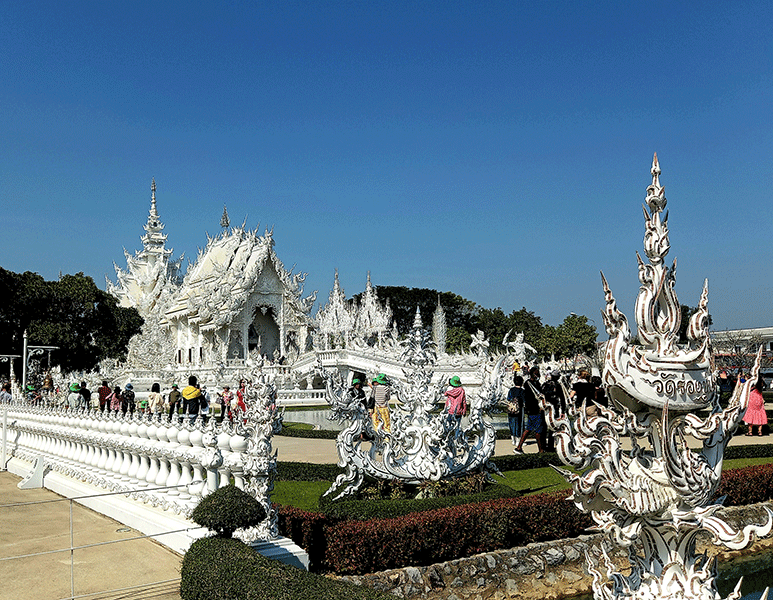
Choosing the right month for your Thai Trip Lover itinerary comes down to balancing three factors: rain, heat, and crowds. Thailand’s tropical climate shifts quickly, and the difference between a sunny beach day and a flooded street can be as small as two weeks. For most travelers, the sweet spot is the cool, dry season from November to early April. During these months, humidity drops, skies are clear, and travel between islands or cities is straightforward.
The peak window runs from December to February. This is when the weather is most comfortable, with daytime highs around 30°C (86°F) in Bangkok and cooler nights in the north. However, this is also the busiest time. Prices for flights and hotels surge, and popular spots like Phi Phi Islands or Chiang Mai’s Old City feel crowded. If you prefer a quieter experience, aim for the shoulder months of November or March. You’ll still get good weather, but with fewer tourists and slightly lower rates.
The rainy season, from May to October, brings heavy afternoon showers and high humidity. This doesn’t mean your trip is ruined; in fact, many travelers find the landscape greener and the prices lower. The key is flexibility. Rain usually comes in short, intense bursts in the late afternoon, leaving mornings clear for exploration. The Gulf Coast islands (Koh Samui, Koh Phangan, Koh Tao) have a different rainy pattern, peaking later in the year, so check regional forecasts if you’re island-hopping.
Here is a quick breakdown of what to expect by season:
- November to February (Cool & Dry): Best overall weather. Peak crowds and prices. Ideal for northern temple tours and southern beach hopping.
- March to May (Hot): Very hot and humid. Rain starts in May. Good for beach trips if you don’t mind the heat. Songkran (Thai New Year) in mid-April is a major water festival.
- June to October (Rainy): Afternoon showers. Lower prices. Fewer tourists. Some islands may have limited boat services. Great for lush scenery and indoor activities.
Book your flights and main accommodations at least three months in advance for the November–February window. For the rainy season, you can often book on the fly, but secure your first night or two to ensure you have a place after any travel delays.
Map your route from Bangkok to the islands
Thailand’s geography is long and narrow, stretching south like a teardrop. The most efficient way to experience the country without wasting time on backtracking is to follow the natural north-to-south flow. Starting in the bustling capital and moving toward the southern peninsula allows you to transition smoothly from urban energy to historic culture, and finally to coastal relaxation.
Step 1: Bangkok and the Central Plains
Your journey begins in Bangkok, the country’s energetic heart. This is where you’ll navigate traffic, explore grand temples, and experience the city’s vibrant street life. From here, you can take a short day trip to Ayutthaya to see the ruins of the ancient capital or head west to Kanchanaburi for the River Kwai. These stops serve as a gentle introduction to Thai history before you commit to the longer travel days ahead. Use Bangkok as your logistical hub for arrival and departure, but try not to linger too long if your primary goal is island time.
Step 2: The Northern Gateway
While many travelers fly directly to the islands, a logical geographic flow often includes a brief stop in the north or a strategic transit through central hubs. However, if you are strictly mapping a route to the islands, you can skip the deep north and focus on the western coast. A common and scenic route involves traveling from Bangkok to Hua Hin or Cha-am. These beach towns offer a relaxing break between the city and the deeper south, providing a taste of coastal life without the heavy tourist crowds of Phuket. This leg is easily covered by train or bus, allowing you to see the countryside.
Step 3: The Western Coast (Phuket and Krabi)
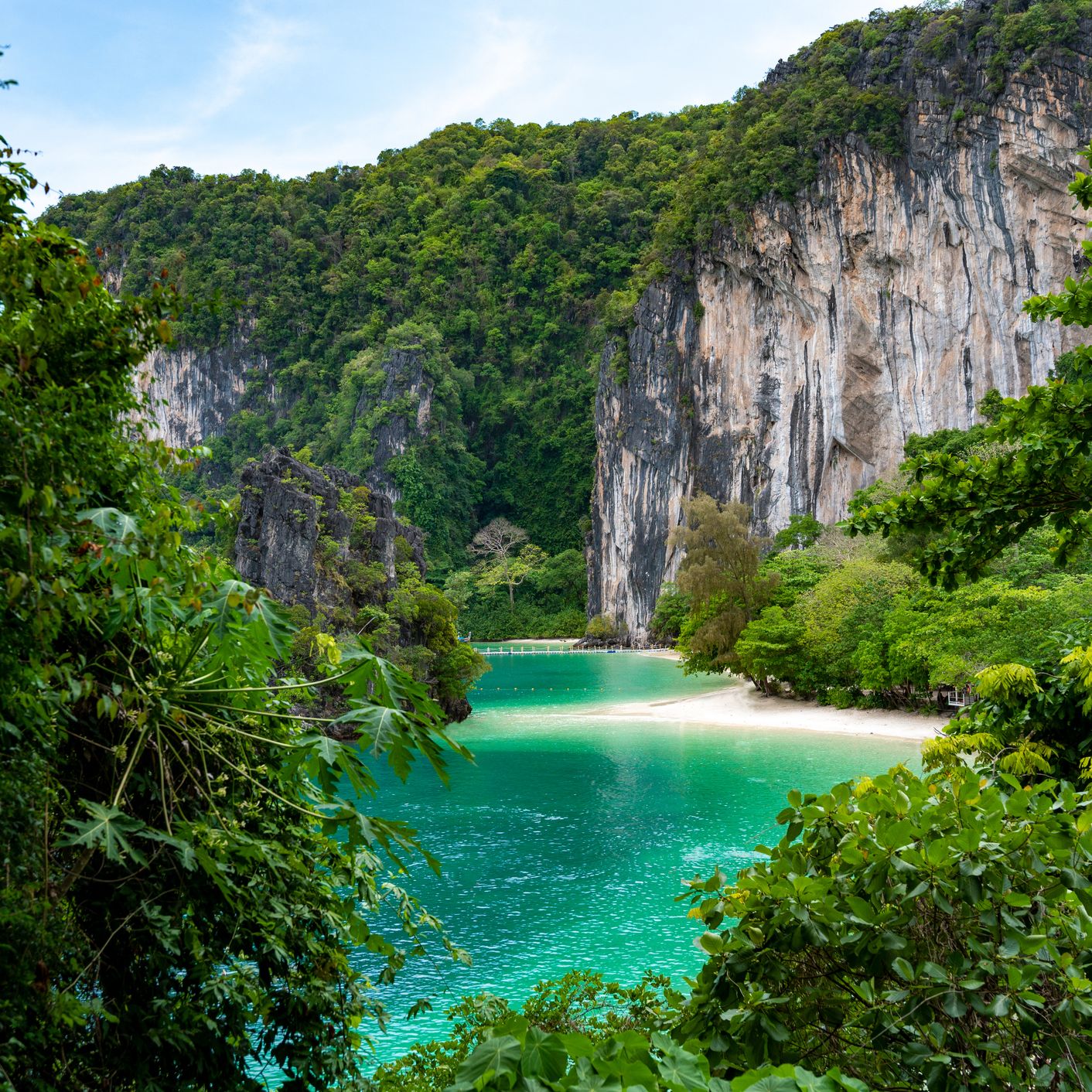
Heading further south, you’ll reach the Andaman Sea side, home to Phuket and Krabi. This region is the most developed for tourism, with excellent flight connections from Bangkok. Phuket serves as a major hub for nightlife and luxury, while Krabi offers dramatic limestone karsts and access to islands like Phi Phi. The travel time between Bangkok and this region is typically two hours by flight or six to eight hours by land. Plan for at least three to four days here to explore the mainland beaches and take day trips to the surrounding islands.
Step 4: The Eastern Gulf (Koh Samui and Koh Phangan)
After exploring the Andaman side, you have two choices: fly back north to Bangkok and then south again, or take a more direct route across the isthmus. The smarter geographic move is to head east to the Gulf of Thailand. Ferries and minivans connect the west coast to the east coast, dropping you off in Surat Thani or directly on Koh Samui. This region offers a different vibe—more relaxed and family-friendly. Koh Phangan is famous for its full moon parties, while Koh Tao is a diver’s paradise. This leg completes the triangle, allowing you to see both sides of the peninsula without retracing your steps.
Step 5: The Deep South and Final Departure
If you have extra time, you can continue south to islands like Koh Lanta or Koh Yao Noi, which are quieter and more rustic. These islands sit between the Phuket/Samui clusters and the Malaysian border. For most travelers, the journey ends in Koh Samui or Surat Thani, where you can catch a flight back to Bangkok for your international departure. This loop ensures you’ve seen the major highlights of Thailand’s island geography in a logical, time-efficient order.
Eat like a local in hidden food spots
Skipping the tourist traps is the fastest way to eat better and cheaper in Thailand. The best meals aren't in the main squares; they're tucked into alleyways, wet markets, and neighborhood shophouses where the turnover is high and the ingredients are fresh. This approach shifts your budget from overpriced "tourist menus" to authentic street food that costs a fraction of the price.
In Bangkok, head to Yaowarat Road after 8 PM when the neon lights hit the street stalls, or explore the Soi Nana area for local noodle shops. In Chiang Mai, the Sunday Walking Street market offers incredible regional dishes, but the real gems are the small stalls along Ratchadamnoen Road serving khao soi. Avoid restaurants with photos of the food on the menu; if the menu is only in English and has pictures, you're paying a premium.
To help you plan your daily food budget, here is a comparison of typical costs between street food and sit-down restaurants in key Thai cities.
Check your visa and travel insurance needs
The Thai Trip Lover’s to Thailand works best as a clear sequence: define the constraint, compare the realistic options, test the tradeoff, and choose the path with the fewest hidden costs. That order keeps the advice usable instead of decorative. After each step, pause long enough to check whether the recommendation still fits the reader's actual situation. If it depends on perfect timing, unusual access, or a best-case budget, include a simpler fallback.
The simplest way to use this section is to write down the real constraint first, compare each option against it, and choose the path that still works outside ideal conditions.
Your final Thai Trip Lover packing list
Before you head to the airport, pack smart. Thailand’s heat and humidity demand lightweight, breathable fabrics that dry quickly. Cotton and linen are your best friends here, while heavy denim will only keep you uncomfortable.
-
Lightweight, breathable clothing (linen/cotton)
-
Packable rain jacket
-
Wide-brimmed hat
-
High-SPF sunscreen
-
Sarong or lightweight scarf
-
DEET-based mosquito repellent
-
Anti-malarial medication (if needed)
-
Hidden money belt or anti-theft bag
-
Photocopy of passport
-
Comfortable walking sandals
-
Breathable sneakers
Common Questions for Thailand Travelers
Planning a trip to Thailand often brings up specific questions about wildlife, budgeting, and seasonal weather. Here are the most frequent queries from travelers, answered with practical details for 2026.
Which animals are most commonly seen in Thailand?
Thailand’s biodiversity is rich, with the Asian elephant being the most iconic mammal. You are also likely to encounter gibbons in northern forests, macaques in urban temples, and various reptiles like the king cobra. In coastal waters, keep an eye out for manta rays and whale sharks during snorkeling or diving trips.
Is $30,000 enough for a Thailand trip?
A budget of $30,000 (approximately ₹25,00,000) is more than sufficient for a 7-day trip, especially if booked from India. This amount covers international flights, budget accommodation, street food, and local transport. For longer stays or luxury travel, this budget easily extends to two weeks or more.
When is the best time to visit Bangkok?
The dry season from November to February offers the most comfortable weather for exploring Bangkok. The rainy season, typically from May to October, brings heavy downpours but also fewer crowds and lower hotel prices. If you visit during the rains, plan indoor activities for the afternoons.
No comments yet. Be the first to share your thoughts!