
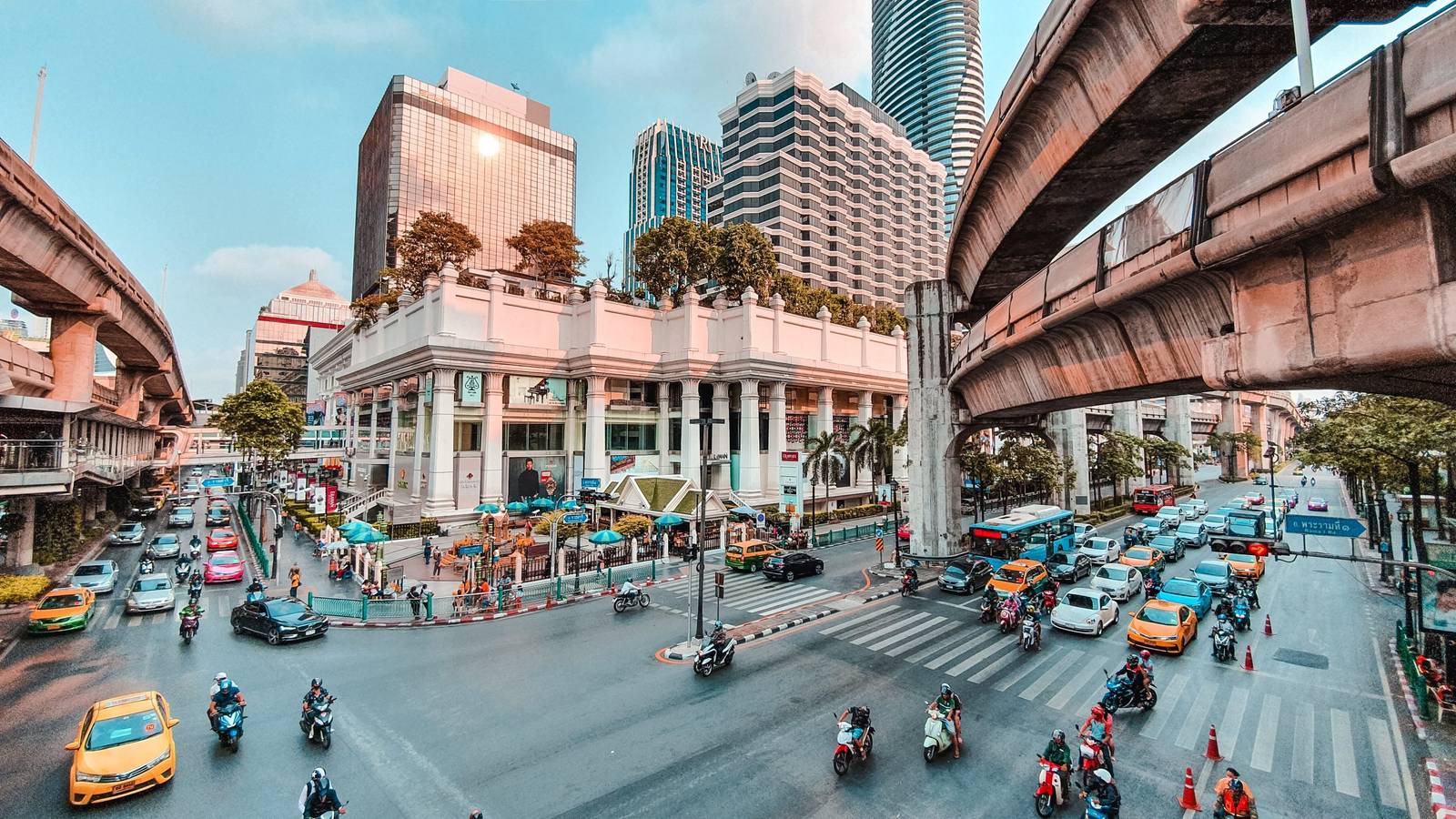
When to book your Thailand trip
The sweet spot for visiting Thailand is November through February. During these months, the country experiences its cool and dry season, making it the most comfortable time to explore temples, markets, and beaches. Temperatures typically range from 29°C to 34°C, with lower humidity and minimal rainfall. This window offers the best balance of pleasant weather and manageable crowd levels, especially if you avoid the peak Christmas and New Year holidays.
While the central and northern regions enjoy crisp mornings and sunny afternoons, the southern coasts vary significantly. The Andaman Coast (Phuket, Krabi) is at its best during this period, with calm seas and clear water. However, the Gulf Coast (Koh Samui, Koh Phangan) may still experience some rain in November and December, so check regional forecasts before booking island-hopping itineraries.
If your schedule allows flexibility, consider traveling in March or early April. The weather remains warm and dry, though temperatures begin to climb. This is an excellent alternative if you want to avoid the highest tourist volumes of the winter peak.

Thailand isn't one climate zone
Planning your trip requires looking past the country as a single destination. Thailand spans a large geographic area with distinct weather patterns. The north and south often experience opposite conditions at the same time. Choosing the right region depends on whether you prefer mountain hiking or beach relaxation.
The northern region, anchored by Chiang Mai and Chiang Rai, features a cooler, drier climate compared to the rest of the country. This area is ideal for trekking and cultural tours during the cooler months. However, the north has a unique challenge: the burning season from February to April brings heavy haze and poor air quality. Avoid visiting the north during these months if you have respiratory issues or plan to hike in the national parks.
In contrast, the southern region offers a split climate due to its two coastlines. The Andaman Sea coast (Phuket, Krabi) is best visited from November to April, when the seas are calm and sunny. The Gulf of Thailand coast (Koh Samui, Koh Phangan) has a different peak season, often remaining pleasant while the Andaman side experiences monsoon rains. This divergence allows for year-round beach travel if you pick the correct side of the peninsula.

Regional weather comparison
Use this table to compare the primary travel regions. The north cools down in winter but suffers from haze in spring. The south remains warm year-round but requires careful timing based on the specific coast.
| Region | Best Months | Avg Temp | Rainfall | Crowd Level |
|---|---|---|---|---|
| North (Chiang Mai) | Nov–Feb | 20–30°C | Low | High |
| Central (Bangkok) | Nov–Feb | 25–35°C | Low | High |
| South (Andaman) | Nov–Apr | 26–32°C | Low | High |
| South (Gulf) | Jun–Sep | 27–33°C | Low | Medium |
Map of Thailand regions
Understanding the geography helps explain the weather differences. The north is landlocked and mountainous. The south is a long peninsula stretching into the Malay Archipelago. This shape creates the distinct microclimates that define the best time to visit Thailand.
November through February: Peak season
November through February marks Thailand’s peak season, often called the "cool and dry" period. This is when the weather is most pleasant across the country, with lower humidity and minimal rainfall. For travelers prioritizing comfort, this window offers the best conditions for exploring temples, hiking in the north, and island-hopping in the south.
Temperatures generally range from 20°C to 32°C (68°F to 90°F), depending on the region. Bangkok and northern cities like Chiang Mai experience cooler evenings, while southern beaches remain warm and sunny. Rainfall probability drops significantly, especially in December and January, making it ideal for outdoor activities and beach days.
However, this perfect weather comes with a trade-off: crowds and higher costs. This is when international tourism peaks, leading to busier attractions, fully booked accommodations, and elevated prices for flights and hotels. Popular destinations like Phuket, Koh Samui, and Bangkok’s historic district can feel congested, particularly around Christmas and New Year’s.
If you book early, you can secure better rates and avoid the last-minute rush. For a balance of good weather and fewer crowds, consider traveling in late November or early February, just before or after the holiday surge.
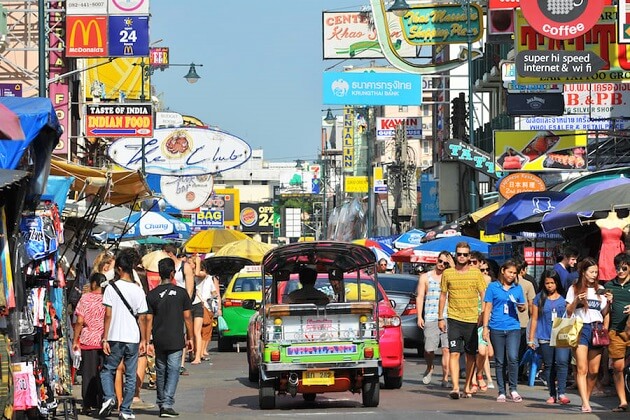
March through May: Heat and festivals
The hot season turns up the temperature significantly, with March and April offering some of the most reliable beach weather in the country. Daytime highs consistently reach 35°C to 38°C, and humidity begins to climb. This is the peak window for the southern Andaman Sea islands and the Gulf of Thailand, where rainfall is minimal and seas are calm. However, the heat intensifies rapidly, making midday exploration uncomfortable without heavy hydration and shade. By May, temperatures often exceed 40°C in the interior, and the air grows thick and stagnant before the monsoon rains finally break.

April is defined by Songkran, the Thai New Year, which transforms the country into a massive, nationwide water festival. While the heat is intense, the water fights provide a necessary respite and are a unique cultural experience. Major cities like Bangkok and Chiang Mai become hubs of celebration, with streets flooded and travelers covered in powder and water. If you choose to visit during this time, book accommodations well in advance. Hotels in popular destinations sell out months ahead, and prices surge as domestic and international tourists converge for the holiday.
May marks the transition to the rainy season, particularly in the north and central regions. Rainfall probability increases sharply, with afternoon thunderstorms becoming frequent. While the lush greenery is stunning, travel plans can be disrupted by heavy downpours and potential flooding in low-lying areas. The southern Gulf coast, however, often remains dry and sunny, making it a viable alternative if you want to escape the humidity and rain of the rest of the country. For those sensitive to heat, May is generally the least comfortable month to travel, so consider delaying your trip until the cooler dry season begins in November.
June through October: Rainy season savings
June through October marks the rainy season across much of Thailand, but this period offers a distinct value opportunity for budget-conscious travelers. Contrary to the stereotype of weeks of continuous downpours, rain typically arrives in short, intense bursts in the late afternoon or evening. These showers usually last an hour or two, leaving the rest of the day warm, humid, and clear for exploration.
The primary advantage of visiting during these months is the significant drop in prices. Accommodation rates can be 20-30% lower than during the peak dry season, and flights are often cheaper. Crowds are thinner at major temples and national parks, allowing for a more relaxed experience without the usual queues. If you are flexible with your itinerary, the rainy season provides a cost-effective way to experience Thailand’s culture and landscapes.
However, regional differences are critical when planning your trip. The Andaman Coast (Phuket, Krabi, Phi Phi Islands) experiences its heaviest rainfall from May to October, with rough seas often making island-hopping boat tours unsafe or unavailable. In contrast, the Gulf Coast (Koh Samui, Koh Phangan, Koh Tao) remains relatively dry and sunny through September and October. Meanwhile, Northern Thailand (Chiang Mai, Chiang Rai) sees steady rain that lushes the countryside but can sometimes lead to trail closures in national parks due to mud.
To maximize your trip, pack lightweight, quick-dry clothing and a compact umbrella. Many hotels offer discounted rates for extended stays, making this an ideal time for digital nomads or those looking to settle into a local rhythm. By choosing the Gulf islands or northern cultural sites over the Andaman beaches, you can enjoy Thailand’s beauty without the peak-season crowds or costs.
Your Thailand trip checklist
Locking in your dates is only half the battle. Once you know the best time to visit Thailand for your specific region, you need to align your logistics with the seasonal realities. The difference between a smooth trip and a stressful one often comes down to how you handle visa requirements, insurance, and packing for the specific climate you’ve chosen.
Visa rules can shift, especially for peak season travelers. Many nationalities get 30 or 60 days visa-free, but always verify your specific passport requirements on the official Thai embassy website before booking. If you’re traveling during the busy November-to-March window, ensure your passport has at least six months of validity remaining.
Health care in Thailand is excellent but not free for tourists. If you visit during the rainy season (May–October), flight cancellations due to monsoons are common. A policy that covers medical evacuation and trip interruption is essential, particularly if you plan to island-hop in the Andaman Sea or Gulf regions where weather disruptions are frequent.
Packing depends entirely on when you go. For the cool dry season (Nov–Feb), pack light layers for air-conditioned buses and temples, plus a light jacket for northern mountains where nights drop below 20°C. If you’re visiting during the hot season (Mar–Apr), prioritize breathable fabrics and sun protection. Rainy season travelers need quick-dry clothing and a reliable waterproof bag for electronics.
November through February is peak season. Prices for flights and popular hotels in Phuket, Koh Samui, and Chiang Mai surge during this window. Book your international flights and domestic connections at least two to three months in advance. If you’re traveling during Christmas or New Year’s, book even earlier to avoid paying premium rates for limited availability.
-
Verify visa requirements for your passport
-
Purchase travel insurance with medical coverage
-
Pack light layers for dry season or rain gear for wet season
-
Book flights and accommodation 2-3 months ahead
Common questions about Thailand weather
Planning a trip requires knowing what to pack and when to book. Thailand’s weather varies significantly by region and season, so the "best" time depends on where you are going.
No comments yet. Be the first to share your thoughts!