

Thailand Travel Guide 2024: Best Time to Visit and Top Attractions for Your Perfect Vacation
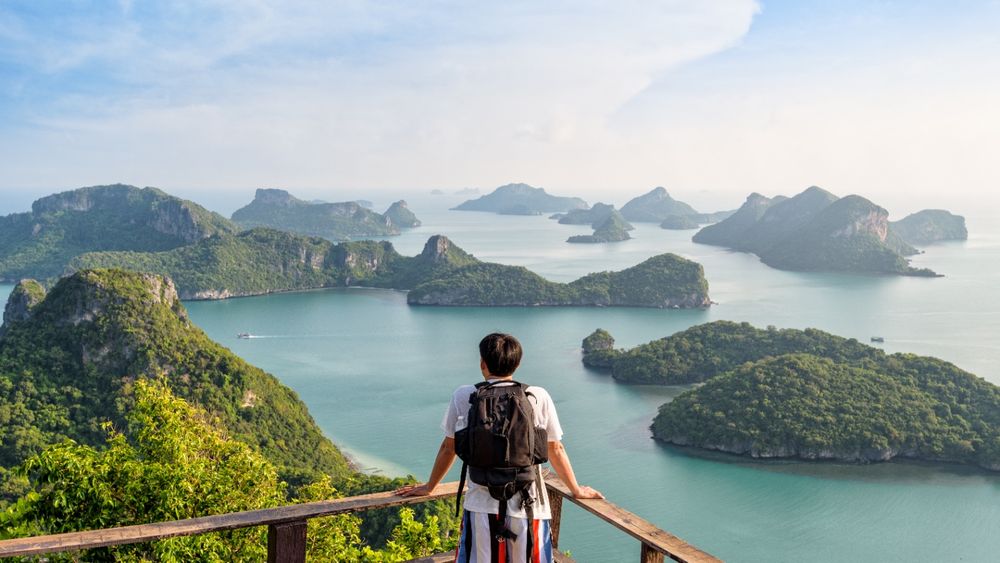
Thailand stands as one of Southeast Asia's most captivating destinations, offering an extraordinary blend of ancient temples, pristine beaches, vibrant cities, and rich cultural experiences. Whether you're seeking spiritual enlightenment in Buddhist monasteries, adventure in lush jungles, or relaxation on world-class beaches, Thailand delivers unforgettable memories for every type of traveler.
Planning the perfect Thailand vacation requires understanding the country's diverse climate patterns, peak tourist seasons, and must-see attractions. This comprehensive guide will help you navigate the best times to visit Thailand and discover the top destinations that make this kingdom truly special.

Understanding Thailand's Climate and Seasons
Thailand's tropical climate is characterized by three distinct seasons, each offering unique advantages for different types of travelers. The country's weather patterns are influenced by monsoons, creating varied conditions across different regions.
The Cool and Dry Season (November to February) represents the peak travel period and for good reason. During these months, temperatures remain comfortable between 23°C to 30°C (73°F to 86°F), humidity levels drop significantly, and rainfall is minimal. This period offers ideal conditions for exploring ancient temples, trekking through national parks, and enjoying beach activities without the oppressive heat.
The Hot Season (March to May) brings intense heat with temperatures soaring up to 40°C (104°F), particularly in northern and central regions. While this period sees fewer crowds and lower accommodation prices, the extreme heat can make daytime activities challenging. Early morning and late afternoon excursions become essential during this season.
The Rainy Season (June to October) is characterized by afternoon downpours and higher humidity levels. Despite the name, rain typically occurs in short, intense bursts rather than continuous precipitation. This season offers lush green landscapes, fewer tourists, and significant savings on accommodations and activities.
Thailand Monthly Weather Guide 2024: Temperature, Rainfall & Tourist Crowds
| Month | Average Temperature (°C) | Rainfall (mm) | Tourist Crowd Level | Season |
|---|---|---|---|---|
| January | 26-32 | 15 | Very High | Cool & Dry |
| March | 28-35 | 40 | High | Hot & Dry |
| May | 28-34 | 220 | Medium | Rainy |
| July | 27-33 | 160 | Medium-High | Rainy |
| September | 27-32 | 320 | Low | Rainy |
| November | 25-31 | 50 | High | Cool & Dry |
| December | 24-30 | 10 | Very High | Cool & Dry |
Regional Weather Variations
Thailand's geography creates distinct microclimates that affect travel planning. The northern regions, including Chiang Mai and Chiang Rai, experience cooler temperatures during the cool season, making it perfect for cultural exploration and outdoor activities. The central plains around Bangkok see more extreme temperature variations, while the southern peninsular regions maintain more consistent tropical conditions year-round.
The eastern and western coasts of southern Thailand experience different rainy seasons due to varying monsoon patterns. The Gulf of Thailand side (including Koh Samui and Koh Phangan) sees its wettest months from September to December, while the Andaman Sea coast (Phuket and Krabi) experiences peak rainfall from May to October.
Thailand's Travel Seasons: Weather Conditions and Best Activities
Choosing Your Ideal Travel Time
Selecting the best time to visit Thailand depends on your priorities, budget, and planned activities. The cool and dry season offers the most comfortable weather conditions but comes with premium pricing and crowded attractions. Budget-conscious travelers might prefer the shoulder seasons when accommodation rates drop significantly.
Adventure enthusiasts planning jungle treks or mountain climbing should target the cool season for optimal conditions. Beach lovers have year-round options by choosing coastal areas with favorable weather patterns during their travel dates. Cultural enthusiasts can time their visits around major festivals like Songkran (April), Loy Krathong (November), or the Chiang Mai Flower Festival (February).
Understanding these seasonal patterns and regional variations ensures you can plan a Thailand vacation that aligns perfectly with your expectations and travel style. The following sections will explore the country's top attractions and provide detailed insights to help you create your ideal Thai adventure.
When to Visit Thailand: Complete Seasonal Guide
Understanding Thailand's climate patterns is crucial for planning your perfect vacation. The country experiences three distinct seasons, each offering unique advantages and considerations for travelers.
Cool & Dry Season (November to February)
This represents the golden period for Thailand travel, offering the most comfortable conditions across the country. During these months, temperatures remain pleasant between 23°C to 30°C (73°F to 86°F), humidity levels drop significantly, and rainfall is minimal. The cool season provides ideal conditions for all activities, from temple hopping in Bangkok to island adventures in the south.
However, this optimal weather comes with trade-offs. Accommodation prices reach their peak, popular attractions become crowded, and advance booking becomes essential. The period coincides with major festivals including Loy Krathong in November, where thousands of lanterns illuminate the sky, and the vibrant Chiang Mai Flower Festival in February.
Hot Season (March to May)
Thailand's hot season brings intense heat with temperatures soaring up to 40°C (104°F), particularly in northern regions like Chiang Mai and inland areas. Despite the challenging temperatures, this period offers significant advantages for budget-conscious travelers and those seeking fewer crowds.
The key to enjoying Thailand during hot season lies in strategic planning. Schedule outdoor activities during early morning hours (6-9 AM) or late afternoon (4-7 PM) when temperatures are more manageable. Coastal areas and islands provide relief with sea breezes, making destinations like Koh Samui and Phuket more comfortable than inland cities.
Rainy Season (June to October)
Contrary to common misconceptions, Thailand's rainy season doesn't mean constant downpours. Rainfall typically occurs in short, intense bursts during late afternoon or evening, leaving mornings and early afternoons often clear and sunny. This pattern allows for substantial sightseeing opportunities while offering the lushest landscapes of the year.
The rainy season presents excellent value for money with significantly reduced accommodation rates and fewer tourists at major attractions. However, some activities may be affected by weather conditions, and certain islands on the west coast experience rougher seas.
Regional Climate Variations
Thailand's geography creates distinct regional climate patterns that affect travel planning:
Northern Thailand (Chiang Mai, Chiang Rai): Experiences the most pronounced seasonal differences with genuinely cool temperatures during winter months and intense heat during the hot season.
Central Thailand (Bangkok, Ayutthaya): Follows the general three-season pattern but with higher humidity levels year-round due to urban heat effects and river systems.
Southern Thailand: Split between east and west coasts with different rainy seasons. The Gulf of Thailand (east coast) receives most rainfall from October to December, while the Andaman Sea (west coast) experiences peak rains from May to October.
Festival Calendar and Cultural Events
Thailand's festival calendar significantly influences the best times to visit, with major celebrations offering unique cultural experiences:
November: Loy Krathong festival transforms rivers and lakes into magical displays of floating lanterns and flowers.
April: Songkran (Thai New Year) brings nationwide water festivals, though temperatures are at their peak.
February: Chinese New Year celebrations and the Chiang Mai Flower Festival showcase Thailand's cultural diversity.
Choosing Your Ideal Time
Your perfect timing depends on personal priorities and travel style. Culture enthusiasts should align visits with festival periods, while budget travelers can maximize value during shoulder seasons. Beach lovers might prefer the hot season for guaranteed sunshine, while adventure seekers could embrace the rainy season's dramatic landscapes and fewer crowds.
Consider booking flexibility as weather patterns can vary yearly. Climate change has introduced some unpredictability to traditional seasonal patterns, making adaptable itineraries increasingly valuable for Thailand travel planning.
Top Thailand Attractions: Must-Visit Destinations for 2024
Thailand's diverse landscape offers something for every traveler, from ancient temples and bustling cities to pristine beaches and lush jungles. Here are the essential attractions that should feature on every Thailand vacation itinerary.
Bangkok: The Vibrant Capital
Bangkok serves as Thailand's cultural and economic heart, blending traditional charm with modern sophistication. The Grand Palace complex houses the revered Emerald Buddha and showcases stunning Thai architecture spanning centuries. Wat Pho temple, home to the massive reclining Buddha, offers traditional Thai massage experiences within its sacred grounds.
The floating markets of Damnoen Saduak provide authentic glimpses into traditional Thai commerce, while the weekend Chatuchak Market presents over 15,000 stalls selling everything from handicrafts to street food. For panoramic city views, visit the Sky Bar at Lebua or take a sunset cruise along the Chao Phraya River.
Northern Thailand: Cultural Heritage and Natural Beauty
Chiang Mai, the northern capital, captivates visitors with its ancient temples and vibrant night markets. The old city contains over 300 temples, including the mountaintop Wat Phra That Doi Suthep, offering breathtaking valley views. The Sunday Walking Street transforms the old quarter into a bustling marketplace featuring local artisans and street food vendors.
Adventure seekers can explore the Golden Triangle region, trek through hill tribe villages, or visit ethical elephant sanctuaries. The nearby town of Pai offers a laid-back atmosphere with hot springs, waterfalls, and scenic mountain roads perfect for motorbike exploration.
Southern Thailand: Tropical Paradise
Thailand's southern peninsula boasts some of the world's most beautiful beaches and islands. Phuket, the largest island, combines stunning beaches with vibrant nightlife and luxury resorts. Patong Beach offers water sports and entertainment, while Kata and Karon beaches provide more relaxed atmospheres.
The Phi Phi Islands, made famous by Hollywood films, feature dramatic limestone cliffs and crystal-clear waters perfect for snorkeling and diving. Koh Samui attracts visitors with its palm-fringed beaches and full-moon parties, while Krabi province offers the iconic Railay Beach, accessible only by boat and surrounded by towering limestone formations.
Planning Your Thailand Vacation: Essential Considerations
Thailand's excellent transportation infrastructure makes island hopping and city exploration convenient. Domestic flights connect major destinations within 1-2 hours, while buses and trains offer budget-friendly alternatives for longer journeys. The BTS Skytrain and MRT subway systems in Bangkok provide efficient urban transportation.
Accommodation options range from luxury beach resorts and boutique hotels to budget-friendly hostels and guesthouses. Book accommodations in advance during peak season (November to February) to secure better rates and availability. Many hotels offer airport transfers and tour booking services to enhance your Thailand travel experience.
Cultural Experiences and Local Activities
Immerse yourself in Thai culture through cooking classes, traditional massage treatments, and temple visits. Muay Thai boxing matches provide exciting entertainment, while traditional dance performances showcase Thailand's rich artistic heritage. River cruises, elephant sanctuaries, and hill tribe visits offer unique perspectives on Thai life and traditions.
Street food tours introduce visitors to authentic Thai flavors, from spicy som tam (papaya salad) to sweet mango sticky rice. Night markets across the country offer shopping opportunities for handicrafts, textiles, and souvenirs while sampling local delicacies.
Thailand's combination of stunning natural beauty, rich cultural heritage, and warm hospitality creates unforgettable vacation experiences. Whether seeking adventure, relaxation, or cultural immersion, this Thailand travel guide ensures you'll discover the perfect attractions and timing for your 2024 Thailand vacation. Plan ahead, respect local customs, and prepare for an extraordinary journey through one of Southeast Asia's most enchanting destinations.
No comments yet. Be the first to share your thoughts!