
Plan the route
Thailand’s geography stretches over 1,800 miles from the limestone karsts of the north to the Andaman Sea beaches in the south. Trying to cover everything in one trip leads to exhaustion and missed details. Instead, treat the country like a menu: pick one region per week to keep travel time under four hours daily. This approach leaves room for slow mornings, local markets, and unexpected detours without feeling like a military operation.
Start in Bangkok to handle logistics. The capital is a hub for international flights, domestic connections, and visa on arrival processing. Spend two days here to acclimate to the heat and traffic, then move north or south. If you head north to Chiang Mai, you’ll find cooler mountain air and hill tribe villages. If you go south to Phuket or Krabi, you enter the island-hopping season. Never try to do both the north and the south in the same two-week window; the internal flights alone will eat half your holiday.
Use the map below to visualize the north-south axis. Most travelers make the mistake of booking a "Bangkok-Chiang Mai-Phuket" triangle in ten days. That leaves you spending more time in airports than on beaches. Stick to a linear path: either North Loop (Bangkok-Chiang Mai-Luang Prabang) or South Loop (Bangkok-Phuket-Koh Phi Phi). This keeps your hotel changes predictable and your packing light.
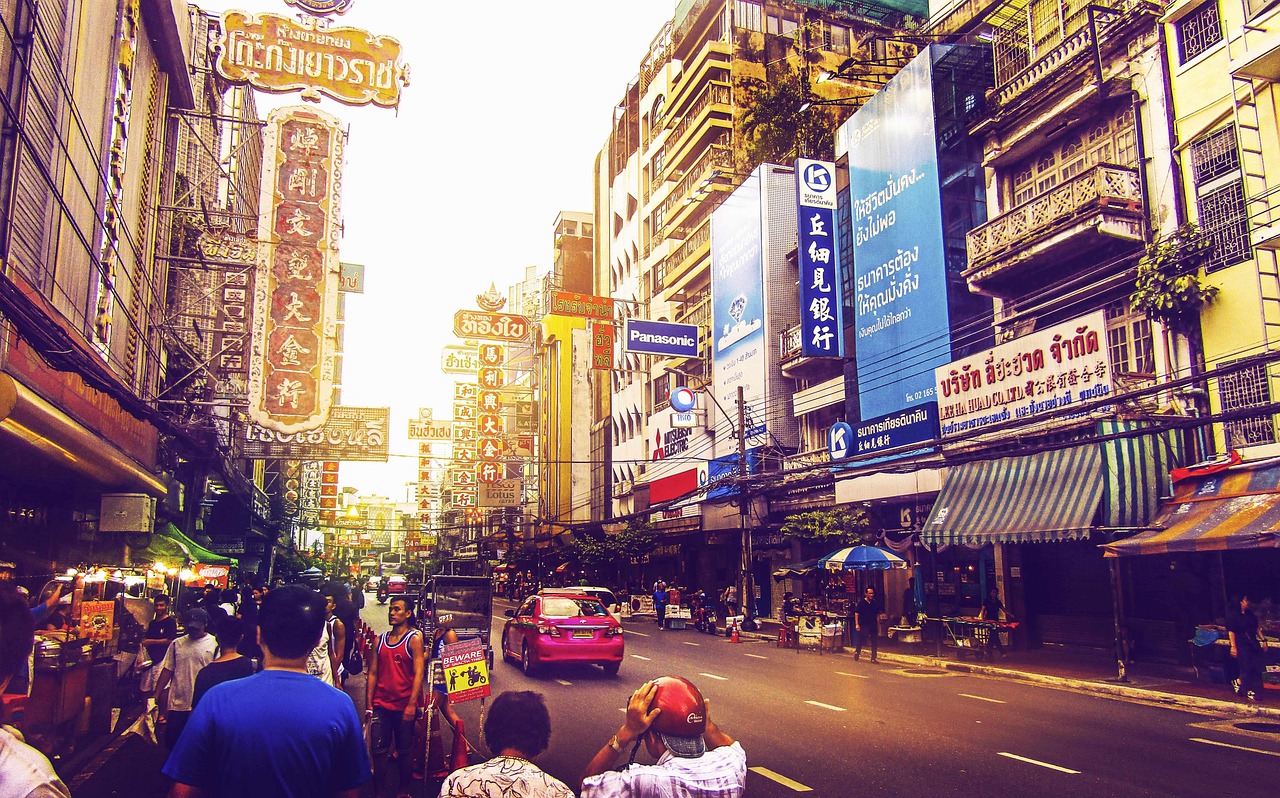
Arrive in Bangkok and stay for two nights. Use these days to sort out your SIM card, exchange currency at a bank (avoid airport counters for better rates), and book your next internal flight or overnight train. This buffer protects you from jet lag or delayed incoming flights.
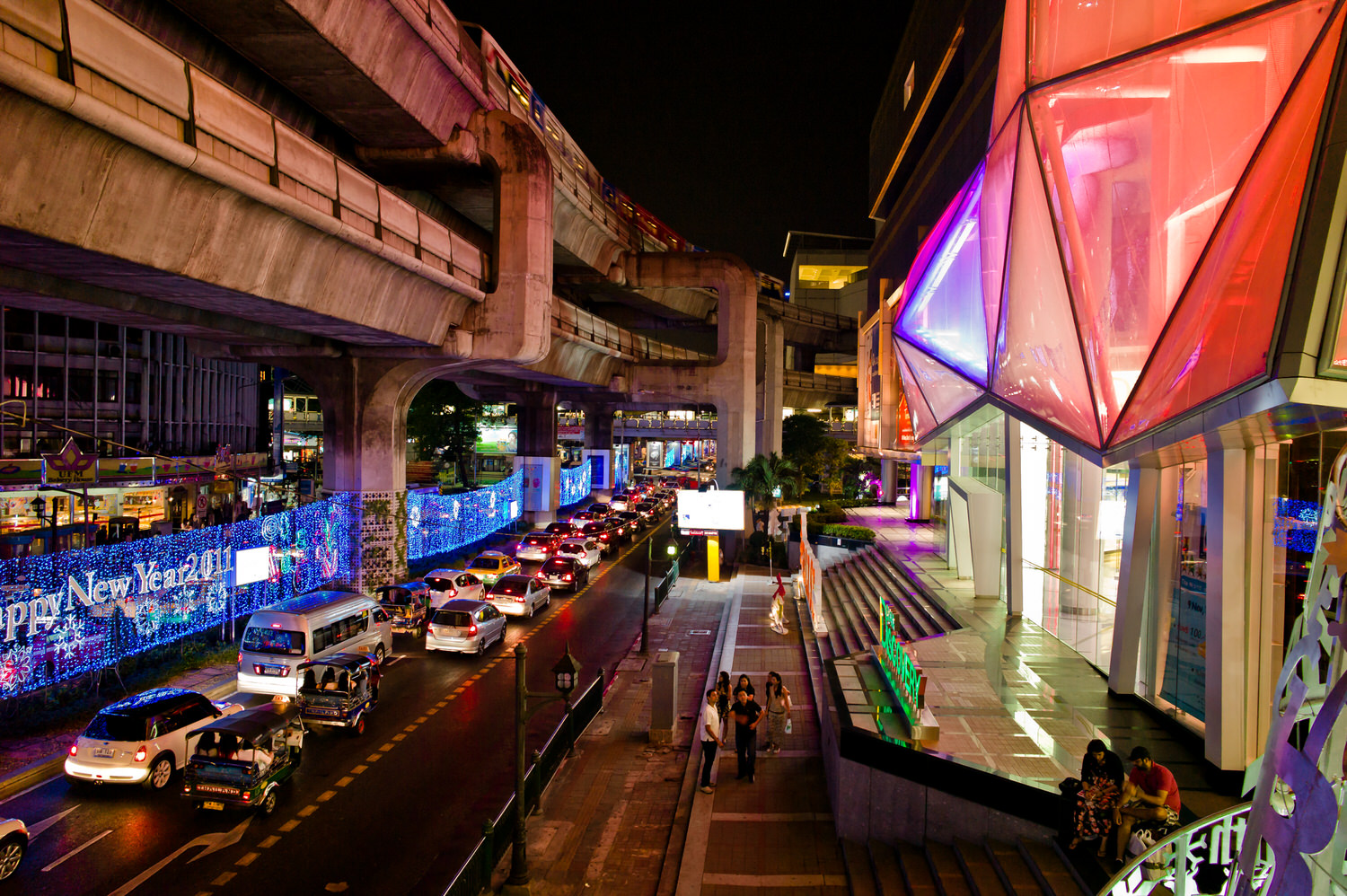
Decide your primary interest. For culture, temples, and cooler weather, fly north to Chiang Mai. For turquoise water and island hopping, fly south to Phuket or Surat Thani. Booking these legs early in peak season (November–February) secures better prices and availability.
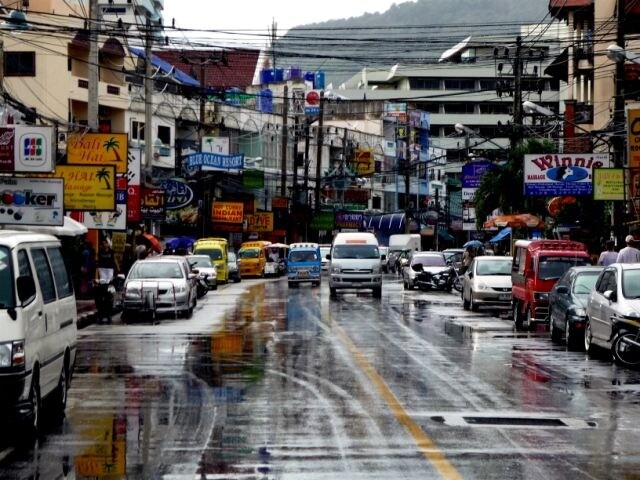
Once you pick a region, stick to it. If you are in the north, visit Pai or Sukhothai before returning to Bangkok. If you are in the south, island-hop between Phuket, Phi Phi, and Krabi. Crossing back across the isthmus mid-trip wastes expensive domestic flights and adds unnecessary stress to your itinerary.
-
Book internal flights at least 3 weeks in advance for peak season
-
Exchange currency at banks in Bangkok, not at the airport
-
Pack light: a 40L backpack fits domestic overhead bins easily
-
Download offline maps for areas with spotty cell service
Stops worth prioritizing
Thailand offers a dense mix of cultures, landscapes, and histories, so narrowing your itinerary is essential. The following stops form the backbone of a balanced trip, covering urban energy, ancient heritage, and coastal relaxation. Treat the first three as non-negotiable anchors; the final two are excellent additions if your timeline allows.
Bangkok: The Urban Anchor
Bangkok demands the most time, not just for the Grand Palace but for the city’s layered street life. Start early to beat the heat and crowds at Wat Arun, then take the Khlongs by long-tail boat to see the city from the water. The real magic happens in the evening at street food stalls in Yaowarat (Chinatown) or riverside spots like Asiatique. It’s chaotic, loud, and unforgettable.
Chiang Mai: The Cultural Heart
For a shift in pace, head north to Chiang Mai. The old city moat encircles a grid of temples, including Wat Phra Singh, but the value lies outside the walls. Visit the Doi Suthep temple for the view, then spend a day at the Elephant Nature Park for ethical wildlife interaction. The night markets offer handicrafts and northern cuisine like sai oua (herbal sausage), which you won’t find elsewhere with this authenticity.
Ayutthaya: The Historical Shortcut
Just an hour by train from Bangkok, Ayutthaya was the second Siamese capital before Bangkok. The ruins are sprawling and best explored by bicycle. Unlike the more intact temples in Sukhothai, Ayutthaya’s brick structures offer a dramatic, romantic decay against the sky. It’s a half-day trip, making it easy to squeeze in without disrupting your main itinerary.
Phuket or Krabi: The Coastal Choice
For islands, choose based on your travel style. Phuket is developed, with plenty of nightlife and amenities, while Krabi (specifically Ao Nang and Railay Beach) offers dramatic limestone karsts and a more laid-back vibe. Both require a flight or long bus ride from the north. If you only have time for one region, pick Krabi for its natural beauty and easier access to mainland adventures.
Samui: The Private Retreat
Koh Samui is distinct from the Andaman coast islands. It’s closer to Bangkok, making it a convenient weekend escape. The west coast has the best beaches and resorts, while the east is quieter. It’s less rugged than Krabi and more commercialized than smaller neighbors like Koh Phangan, but it offers a reliable, comfortable beach experience with good dining and transport links.
| Destination | Best For | Time Needed | Vibe |
|---|---|---|---|
| Bangkok | Food, Culture, Nightlife | 3-4 Days | Urban, Chaotic |
| Chiang Mai | Temples, Nature, Ethics | 3-4 Days | Relaxed, Cultural |
| Ayutthaya | History, Ruins | 1 Day | Historical, Open |
| Krabi | Beaches, Karsts, Adventure | 3-4 Days | Natural, Active |
| Samui | Resort Relaxation | 2-3 Days | Commercial, Comfortable |
Map your route to minimize backtracking. A logical flow is Bangkok → Ayutthaya (day trip) → Chiang Mai → Fly to Krabi/Samui → Return to Bangkok. This avoids crossing the country twice and keeps travel days manageable.
Timing and logistics
Thailand is generally a safe destination for travelers, but managing its infrastructure requires a different approach than in Western countries. The key to a smooth trip is handling two distinct challenges: the chaotic urban transit in Bangkok and the rigid timing of long-distance travel.
Bangkok Transit and Parking
In Bangkok, traffic congestion is severe. Driving a private car or renting a vehicle is often slower and more stressful than using the public transit system. The BTS Skytrain and MRT subway lines cover the major tourist areas and business districts efficiently. For short hops, use the river ferries or the Grab app for ride-hailing, which is cheaper and more reliable than hailing random taxis.
If you must drive, note that parking in central Bangkok is expensive and scarce. Most malls offer paid parking, but it can cost 50-100 THB per hour. Outside the city center, parking is easier and often free or very cheap. For island destinations like Phuket or Koh Samui, renting a scooter is common, but always wear a helmet and carry your international driving permit; police frequently fine tourists for lacking proper documentation.
Long-distance travel limits to account for
Thailand’s intercity travel operates on fixed schedules. Trains and buses do not run on a "wait and come" basis; they depart at specific times. You must book tickets in advance, especially during peak seasons (November-February) and holidays.
- Trains: The State Railway of Thailand (SRT) offers overnight sleeper trains. Book at least two weeks ahead for popular routes like Bangkok to Chiang Mai. Third-class seats are basic but affordable; first-class sleepers offer air conditioning and private compartments.
- Buses: Private bus companies (like Sombat Tour or Phetchabun Tour) are often more comfortable and reliable than government buses. They offer air-conditioned seats and sometimes WiFi. Book via your hotel or online platforms.
- Flights: Budget airlines like AirAsia and Nok Air connect major cities. While cheap, they have strict baggage limits. Arrive at the airport early, as security lines can be long.
The "3-Day Rule" and Local Caveats
You may encounter the "3-day rule" in discussions about Thai bureaucracy or travel logistics. This often refers to the requirement for certain visa extensions or border runs, where staying beyond a specific period without proper documentation can lead to fines or entry bans. Always check your visa status with the official Thai Immigration Bureau website before your trip. For the most current safety and entry requirements, refer to the U.S. State Department’s Thailand Travel Advisory.
Practical Checklist
-
Book intercity trains/buses 2+ weeks in advance.
-
Download Grab app for Bangkok transport.
-
Carry passport copies for hotel check-ins.
-
Verify visa expiry dates before travel.
-
Pack a power adapter (Type A, B, C, or O).
No comments yet. Be the first to share your thoughts!