

Bangkok's Bold New Bites
Bangkok’s fine dining scene is really heating up in 2026, and it’s not just about replicating familiar flavors. A wave of new restaurants is emerging, driven by chefs eager to redefine Thai cuisine through innovative techniques and a dedication to local sourcing. Nusara, for example, has quickly become a benchmark. Chef Tonn’s approach—reimagining family recipes with a modern sensibility—is something many are trying to emulate. It’s a fascinating time to be a diner in Bangkok.
What’s particularly interesting is the impact of increased tourism on these openings. While demand from international visitors certainly plays a role, these restaurants aren’t simply catering to tourists. They're creating experiences that appeal to a growing segment of Thai diners who are seeking out sophisticated and creative cuisine. They want something more than just the usual suspects. It’s a sign of a maturing culinary landscape.
Several chefs are focusing on hyper-local ingredients, working directly with farmers and producers to ensure the freshest possible produce. This isn't just a trend; it's a response to a growing awareness of food security and sustainability. Others are experimenting with fermentation techniques, inspired by traditional Thai preservation methods, to create entirely new flavor profiles. The focus on technique is visible in places like Baan Ice, which takes classic southern Thai dishes and presents them with a level of refinement rarely seen.
It’s not all about innovation, though. Some restaurants are succeeding by focusing on delivering exceptional service and creating a memorable atmosphere. The competition is fierce, so attention to detail is crucial. This push for quality is raising the bar for the entire industry and benefiting diners across the city. You’re seeing a willingness to invest in staff training and create dining rooms that are both beautiful and comfortable.
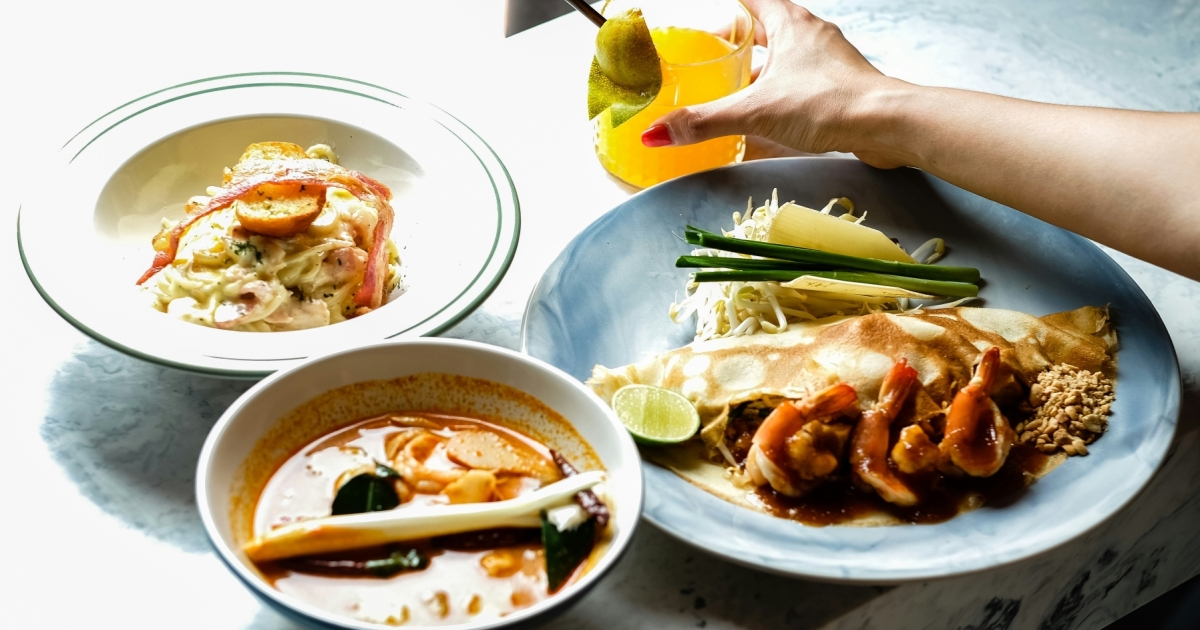
Street Food's Evolution: Beyond Pad Thai
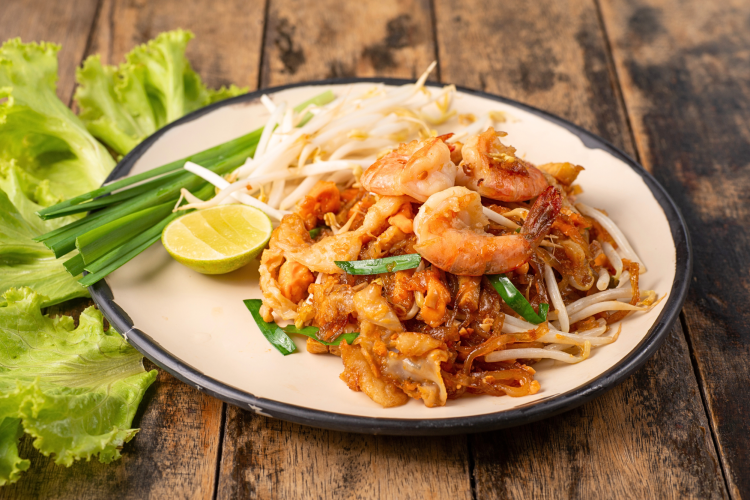
Pad Thai remains a beloved staple, but the real excitement in Thailand’s street food scene in 2026 lies in the growing popularity of regional specialties. The "Thai Food, Mapped" video on YouTube does a great job of illustrating the incredible diversity of Thai cuisine, and that diversity is finally starting to be reflected on the streets of Bangkok and beyond. Isan-style salads, like Som Tam Pla Ra (fermented fish papaya salad), are becoming increasingly common, as are southern Thai curries, known for their bold and complex flavors.
Street food vendors are also adapting to changing consumer preferences. Hygiene standards are improving, with more vendors using proper food handling practices and providing cleaner eating environments. Delivery apps are becoming increasingly popular, allowing vendors to reach a wider audience and offering customers the convenience of having their favorite street food delivered directly to their door. This changes the dynamic, but also gives vendors more reach.
We’re also seeing a growing number of vendors catering to vegetarian and vegan diets. While traditionally Thai cuisine relies heavily on fish sauce and other animal products, there's a growing demand for plant-based options. Many vendors are now offering vegetarian versions of classic dishes, using tofu or other plant-based proteins. It’s a smart move, given the increasing number of tourists and locals who are embracing a vegetarian or vegan lifestyle.
Instagram accounts like the one highlighting “must-try” street foods are also playing a role in shaping trends. They expose both locals and tourists to lesser-known dishes and encourage exploration beyond the usual tourist traps. It’s a form of culinary democratization, giving a platform to smaller vendors and showcasing the true depth of Thai street food culture.
251018 #CHENLE_RECORDS
— CHENLE CHARTS (@ZCLCHARTS) October 18, 2025
Coco Harvest, the coconut water which #CHENLE was seen drinking yesterday, is currently out of stock on the Thailand food delivery app!#辰乐 #천러#CHENLEcommendations pic.twitter.com/crLpoBmoyu
Northern Flavors Gain Ground
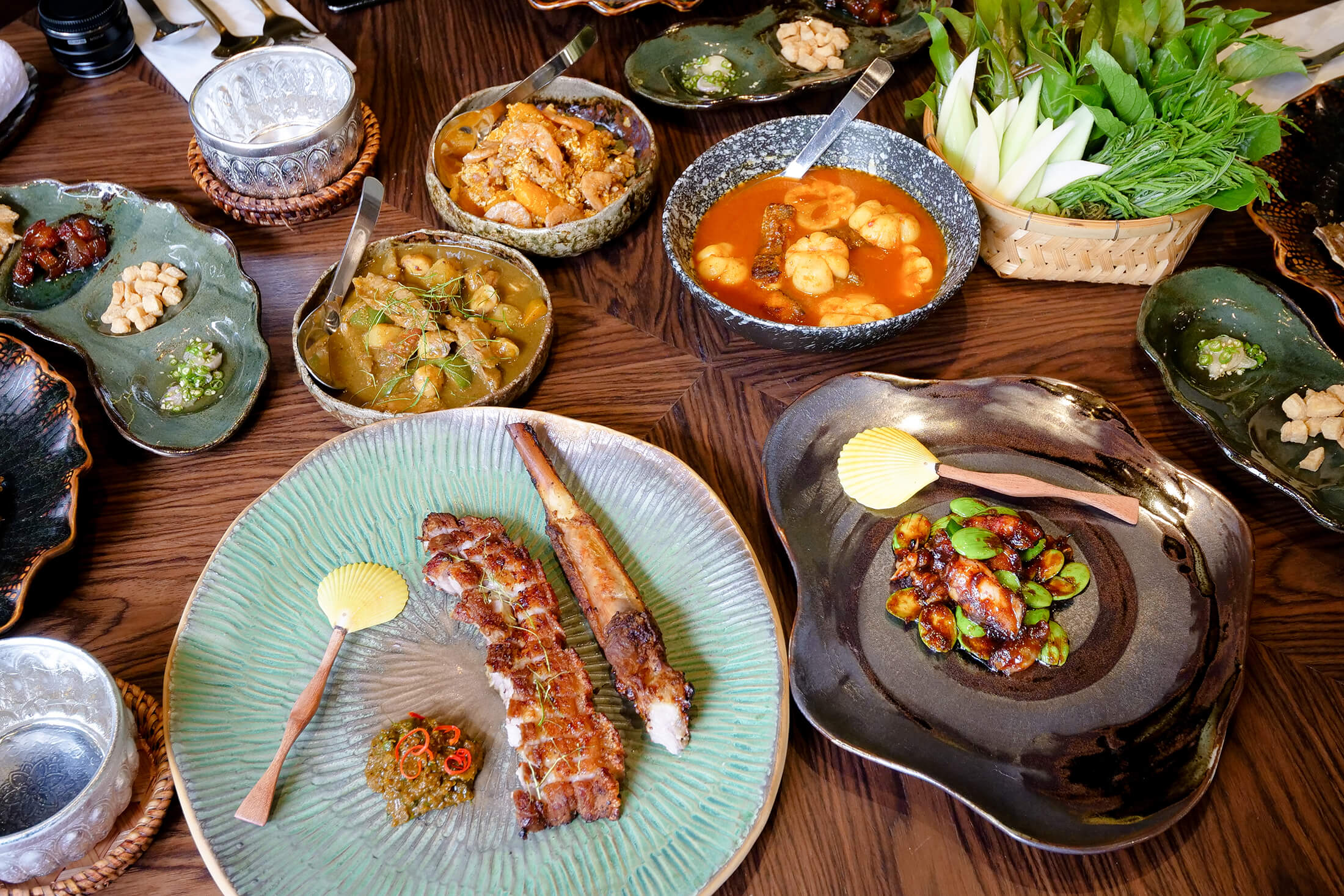
For years, Northern Thai cuisine remained somewhat niche, largely confined to the Chiang Mai and Chiang Rai regions. But in 2026, we’re seeing a significant push to bring these flavors to Bangkok and other parts of the country. Dishes like Khao Soi, a creamy coconut curry noodle soup, Sai Oua (Northern Thai sausage), and Gaeng Hung Lay (Burmese-influenced pork curry) are appearing on menus in the capital, and they’re resonating with a wider audience.
I think this growing appreciation for Northern Thai cuisine is driven by a desire for something different. People are becoming more adventurous with their food choices and are eager to explore regional variations. There’s also a growing awareness of the unique ingredients and cooking techniques that characterize Northern Thai cuisine. It’s a welcome change from the often-homogenized flavors found in more tourist-oriented restaurants.
Several new restaurants in Bangkok are specializing in Northern cuisine, offering authentic dishes prepared with traditional methods. These restaurants are often run by chefs from Northern Thailand who are passionate about sharing their culinary heritage. They’re not dumbing down the flavors for a wider audience; they’re presenting the cuisine as it’s traditionally made.
The success of these restaurants suggests that there’s a real appetite for regional diversity in Thailand’s culinary scene. It’s a positive trend that celebrates the country’s rich gastronomic heritage and encourages a deeper appreciation for its diverse flavors.
Sustainable Seafood & Farm-to-Table
Sustainability is becoming an increasingly important consideration in Thailand’s food scene. There’s a growing awareness of the environmental impact of food production, and more restaurants and initiatives are prioritizing locally sourced ingredients and responsible seafood practices. This is particularly crucial given concerns about overfishing and the lack of traceability in the seafood supply chain.
The challenges of sustainable sourcing in Thailand are significant. Overfishing is a major problem, and many seafood markets lack transparency. It’s often difficult to know where the fish comes from or how it was caught. Restaurants that are committed to sustainability are often forced to pay a premium for ethically sourced seafood, but they believe it’s worth the cost.
We’re seeing a rise in farm-to-table dining experiences, where chefs work directly with local farmers to source fresh, seasonal produce. This not only supports local agriculture but also reduces the environmental impact of food transportation. These restaurants often have close relationships with their suppliers, ensuring that the ingredients are of the highest quality.
The Food and Drug Administration of Thailand (FDA) is also playing a role in promoting food safety and sustainability, but there’s still a long way to go. Increased regulation and consumer awareness are essential to driving positive change in the industry.
- Restaurants prioritizing local sourcing: Several restaurants in Bangkok and Chiang Mai are actively working with local farmers and producers.
- Sustainable seafood initiatives: Organizations are working to promote responsible fishing practices and improve traceability in the seafood supply chain.
- Farm-to-table dining experiences: Restaurants offering direct connections with local farmers.
- Increased consumer awareness: Growing demand for sustainable food options is driving change.
Sustainable Dining Spots
- Bo.lan - This Michelin-starred restaurant in Bangkok champions traditional Thai recipes and sources ingredients directly from its own organic farm and local farmers, minimizing its environmental impact and supporting local communities.
- Nahm - Another Michelin-starred establishment in Bangkok, Nahm focuses on reviving ancient Thai culinary techniques and prioritizes seasonal ingredients, often sourced from small-scale producers across Thailand.
- Issaya Siamese Club - Located in Bangkok, Issaya emphasizes using fresh, local produce and reducing food waste. They actively work with local suppliers and promote sustainable farming practices.
- Ruen Mallika Royal Thai Cuisine - This Chiang Mai restaurant is committed to using ingredients grown in their own organic garden and sourced from local farms. They focus on authentic Northern Thai cuisine prepared with traditional methods.
- The 606 Restaurant - Situated in Chiang Mai, The 606 prioritizes organic and locally-sourced ingredients, supporting surrounding hill tribe communities and promoting biodiversity through its menu.
- Farm to Table Bangkok - As the name suggests, this Bangkok restaurant is dedicated to sourcing ingredients directly from local farmers and producers, offering a seasonal menu that highlights the best of Thai agriculture.
- Khao Yai Pachai - Located in Khao Yai National Park, this restaurant focuses on farm-to-table dining, utilizing ingredients grown on-site and sourced from nearby organic farms. They offer a menu that reflects the region's fresh produce.
Spice Levels & Chili Trends
Thai food is, of course, known for its spice. But in 2026, the focus isn’t simply on adding more chili peppers; it’s about using different varieties of chilies to create more complex flavor profiles. Chefs are experimenting with techniques like fermentation to enhance the heat and add depth to their dishes. It’s a more nuanced approach to spice than simply turning up the Scoville units.
There’s a wide range of chilies used in Thai cuisine, each with its own unique flavor and heat level. Prik Kee Nu (bird’s eye chili) is known for its intense heat, while Prik Haeng (dried chili) adds a smoky flavor. Chefs are becoming more knowledgeable about these different varieties and are using them strategically to create balanced and flavorful dishes.
I’ve noticed a growing popularity of chili-infused products, such as sauces and oils. These products allow people to add a touch of Thai spice to their own cooking at home. They’re also a popular souvenir for tourists who want to take a piece of Thailand’s flavors with them. It’s a sign that Thai spice is gaining a wider audience.
This focus on chili isn't just about heat, it's about flavor. Chefs are using chilies not just to burn, but to add layers of complexity to their dishes. That’s a sophistication we’re seeing more and more of.
The Rise of Thai Fine Dining Experiences
Beyond the street food and casual restaurants, Thailand is experiencing a surge in high-end dining experiences. These aren’t just restaurants with expensive menus; they’re places that are pushing the boundaries of Thai cuisine and creating truly memorable dining experiences. They're thinking about the entire experience - the service, the ambiance, the presentation - not just the food.
Chefs like Thitid 'Ton' Tassanakajohn of Le Du are leading the charge, elevating Thai cuisine on the global stage. His innovative approach to traditional dishes and his commitment to using local ingredients have earned him international acclaim. He's not afraid to experiment, but he always remains true to the essence of Thai flavor.
These restaurants are often smaller and more intimate, offering a personalized dining experience. They may feature tasting menus that showcase the chef’s creativity and culinary skills. The emphasis is on quality over quantity, and the ingredients are often sourced from small, local producers. It's a very different experience than your typical tourist-oriented restaurant.
The investment in these experiences is significant. Restaurants are pouring money into staff training, kitchen equipment, and creating beautiful dining spaces. It’s a sign that Thailand is taking its culinary scene seriously and is determined to compete with the best restaurants in the world.
Emerging Trends & Highlights
- Refined Regional Cuisine - A growing emphasis on elevating lesser-known regional Thai dishes. Restaurants are increasingly focusing on ingredients and techniques specific to provinces beyond the central region, like Isan and Lanna.
- Sustainable Seafood Focus - With increasing awareness of ocean conservation, restaurants are prioritizing sustainably sourced seafood and highlighting local fishermen. Look for menus detailing the origin of their catches.
- Fermentation Forward - Traditional Thai fermentation techniques are experiencing a renaissance. Chefs are utilizing fermented ingredients like pla raa (fermented fish sauce) and various fermented vegetables in innovative ways, extending beyond traditional applications.
- Plant-Based Innovation - While Thailand has a naturally vegetarian-friendly cuisine, restaurants are now offering sophisticated plant-based menus utilizing local ingredients like jackfruit and tofu, catering to both vegan and flexitarian diners.
- Chef’s Table Experiences - Several fine dining establishments are expanding their offerings to include intimate chef’s table experiences, allowing diners to interact directly with the culinary team and learn about the inspiration behind the dishes. Le Du in Bangkok is a prominent example.
- Street Food Evolution - Street food vendors are increasingly collaborating with chefs and restaurants, resulting in higher-quality ingredients and more refined presentations while maintaining affordability. This is particularly visible in Bangkok’s Chinatown.
- Emphasis on Indigenous Ingredients - Chefs are actively seeking out and incorporating rare and underutilized indigenous ingredients from Thailand’s diverse ecosystems, contributing to biodiversity conservation and unique flavor profiles.
- Modern Thai Desserts - Traditional Thai desserts are being reimagined with modern techniques and presentations. Restaurants like Sühring are known for their innovative takes on classic sweets.
Dessert Innovations: Beyond Mango Sticky Rice
Mango sticky rice is, and will likely remain, a beloved classic, but Thai desserts are far more diverse than many people realize. In 2026, we’re seeing a wave of innovation in Thai dessert cuisine, with chefs experimenting with new flavors, textures, and presentation techniques. It's a really exciting area to watch.
There’s a lot of experimentation with local ingredients, such as coconut sugar, palm fruit, and durian. Chefs are finding creative ways to incorporate these ingredients into both traditional and modern desserts. They’re also playing with textures, combining crunchy elements with creamy ones to create a more satisfying experience.
Innovative pastry chefs are pushing the boundaries of Thai dessert cuisine, creating entirely new creations that are both visually stunning and delicious. They’re drawing inspiration from traditional recipes but are not afraid to break the rules and try something different. Expect to see more desserts that are light, refreshing, and not overly sweet.
This isn’t just about aesthetics. The rise of innovative desserts also reflects a growing appreciation for the art of pastry making in Thailand. It’s a sign that Thai cuisine is evolving and becoming more sophisticated.

No comments yet. Be the first to share your thoughts!