

Bangkok's Bold New Bites
Bangkok’s food scene is buzzing with new restaurants in late 2025 and early 2026. Innovation isn't limited to high-end dining; street food vendors are also pushing boundaries with infectious energy.
"Nahm Neo’, a spin-off from David Thompson’s original Nahm, offers a modern take on Thai flavors with smaller plates and a casual atmosphere, experimenting with ancient recipes and modern techniques. In Ari, ‘Baan Ice" is gaining a loyal following for its intensely flavorful southern Thai curries and seafood; expect a wait.
Street food is also evolving. "Jay Fai 2.0’, linked to the Michelin-starred original, experiments with presentation and higher-quality ingredients, justifying its higher price point. Near Victory Monument, ‘Krua Khun Nai" is gaining attention for its elevated boat noodles, using organic pork and homemade noodles, proving exceptional food doesn't require a fancy dining room.
"Or Tor Kor Market Kitchen" offers a rotating menu from chefs and producers using ingredients sourced directly from the market, celebrating Thai ingredients and local producers. 'Somboon 2.0' reimagines the classic seafood restaurant with a focus on sustainable sourcing and a refined dining experience.
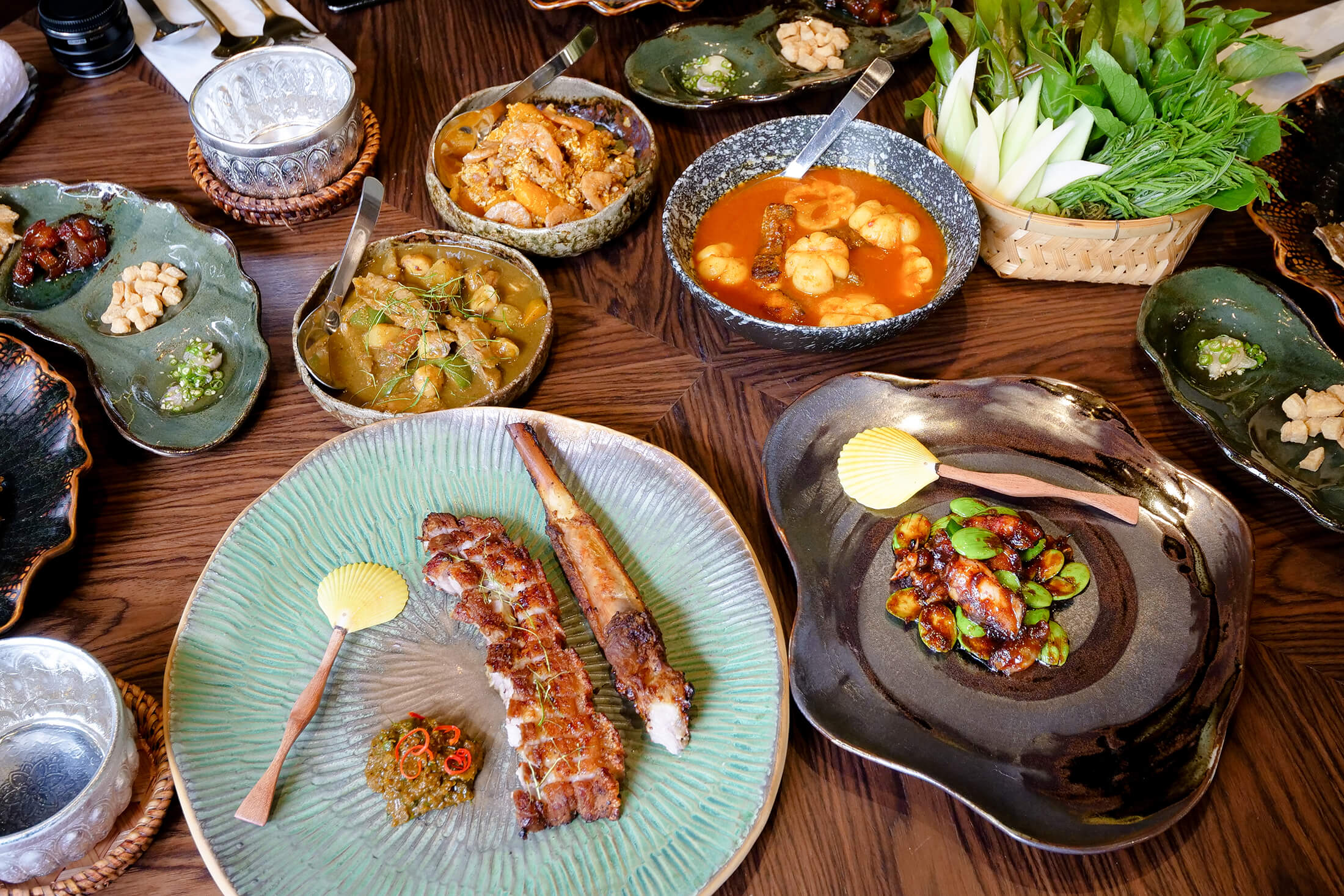
Regional Flavors Gain Traction
Central Thai cuisine once dominated, but a shift is occurring. Chefs and diners now appreciate the diverse flavors across Thailand’s regions, rediscovering overlooked dishes and ingredients.
In Chiang Mai, "Huen Phen’ preserves and promotes northern Thai cuisine, specializing in Gaeng Hung Lay (a rich pork curry with Burmese influences) and other northern specialties. In Bangkok, ‘Baan Ice" champions southern Thai food, bringing the region's heat and complexity to a wider audience.
Isan cuisine is also gaining traction. "Nang Loeng Market’ in Bangkok offers authentic Isan dishes, while ‘Somtum Der" elevates Isan-style salads with premium ingredients and innovative techniques. Chefs are increasingly experimenting with pla ra (fermented fish sauce) in creative ways.
This trend extends beyond Bangkok. A recent YouTube video by Mickey Stotch highlighted a thriving, largely unknown street food scene in Prachuap Khiri Khan, showcasing regional specialties and fresh ingredients.
Fermentation's Moment: Beyond Pla Ra
Fermentation, famously seen with pla ra, is central to Thai cuisine. Chefs are now exploring its potential to unlock unique flavors and textures, aligning with a global trend but drawing on Thailand's deep history with fermented ingredients.
Restaurants are experimenting with fermenting fruits and vegetables. Some chefs use fermented pineapple for tangy sweetness in curries, others ferment chilies for complex pastes. Fermenting meats is also being explored, though it remains uncommon.
While no restaurant is solely dedicated to fermentation, several incorporate it prominently. "Paste Bangkok", for example, uses fermented ingredients for depth and complexity. Health benefits also drive interest, with consumers seeking dishes good for palate and gut.
Educating consumers about fermentation's benefits and overcoming preconceived notions about its flavors presents a challenge. The potential is significant, and more restaurants are expected to embrace this trend.
Rising Fermented Flavors
- Plaa Raa - A traditional fermented fish sauce, Plaa Raa is gaining renewed appreciation beyond its regional origins (Isan). Chefs are now using it in sophisticated dipping sauces, marinades for meats, and even subtly in desserts to add umami.
- Som Fak - Fermented soybean paste, Som Fak, traditionally used in Northern Thai cuisine, is appearing on menus in Bangkok and beyond. It’s being incorporated into chili dips (nam prik) and as a flavoring agent for pork dishes.
- Nham - A fermented pork sausage popular in Northern Thailand, Nham is seeing innovative applications. Restaurants are using it as a filling for spring rolls, incorporating it into flavorful rice dishes, and even creating Nham-infused oils.
- Makruu Fermentation - While kaffir lime (makruu) leaves are well-known, fermenting the fruit itself is a growing trend. The resulting product offers a complex citrusy and slightly funky flavor, used in cocktails, desserts, and savory sauces.
- Miang Kham Variations - Traditionally a leaf-wrapped bite, Miang Kham is being reimagined with fermented ingredients. Chefs are experimenting with fermented fruits and vegetables within the wrap, adding layers of complexity to this classic snack.
- Fermented Bamboo Shoots - Various types of fermented bamboo shoots, like mai phai dong, are gaining traction. Their unique sour and slightly bitter flavor profile is being utilized in salads, stir-fries, and curries, offering a distinct textural element.
- Mor Hom Fermentation - Mor Hom, a type of eggplant, is being fermented to create a condiment with a deep, savory flavor. It’s used similarly to Pla Raa, adding depth to dips and sauces, and is particularly popular with grilled meats.
Sustainable Seafood & Farm-to-Table
Sustainability is a growing concern for diners worldwide, and Thailand is no exception. Restaurants and producers are beginning to prioritize responsible sourcing and reduce their environmental impact, though it's a complex issue given Thailand’s fishing industry challenges.
"Nahm" (the original) has long been committed to sourcing high-quality, sustainable ingredients by working directly with local farmers and fishermen. This approach is still uncommon and often comes at a higher price point.
Farm-to-table initiatives are gaining momentum, with some restaurants growing their own produce or sourcing from nearby organic farms to reduce transportation costs and ensure freshness. Smaller, independent producers are key to this movement, offering consumers a more sustainable alternative to mass-produced ingredients.
A hurdle to wider adoption is the lack of clear certification standards for sustainable seafood in Thailand, making it difficult for consumers to identify restaurants committed to responsible sourcing. Importing food into Thailand also involves regulations, adding complexity.
The Rise of Thai Fine Dining
Thai cuisine, traditionally associated with street food and casual dining, is being challenged by a new generation of chefs. They are elevating Thai flavors and techniques to fine dining standards, creating unique and memorable experiences.
"Sühring’ (German-Thai fusion) has demonstrated that Thai ingredients and flavors can be presented in a sophisticated and innovative way. ‘Le Du" offers a modern tasting menu showcasing Thai ingredients and techniques, gaining international recognition for creativity and quality.
These restaurants often feature tasting menus with wine pairings, creating a complete culinary journey with attention to presentation and service, offering a refinement rarely seen in traditional Thai restaurants. This trend largely caters to local clientele and affluent tourists.
These restaurants face the challenge of balancing tradition and innovation, respecting Thai cuisine's roots while creating something new. Chefs are proving this balance is achievable.
Content is being updated. Check back soon.
Snackification and Innovative Street Food
Global snacking trends are impacting Thailand’s street food scene, with vendors adapting to demand for smaller, more convenient portions, presentation, and innovation.
undefined that are both delicious and Instagrammable. Social media is playing a huge role in this trend, with vendors using platforms like TikTok to promote their offerings.
Creative packaging is also becoming more common. Vendors are using colorful containers and eco-friendly materials to make their snacks more appealing. This is particularly important in a market where visual appeal is key. The street food hunt in Prachuap Khiri Khan, documented on YouTube, shows the wide array of choices available.
I’ve noticed a trend towards smaller, more specialized street food stalls. Instead of offering a wide range of dishes, some vendors are focusing on perfecting a single snack. This allows them to offer a higher-quality product and build a loyal following.
March 2026: Food Festival Preview
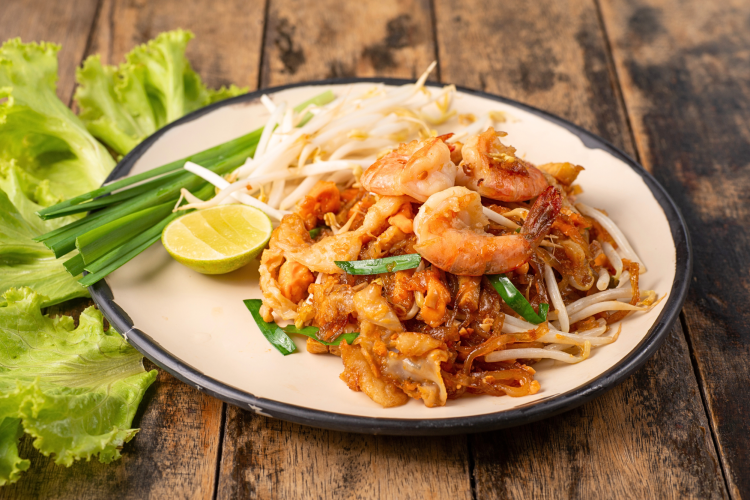
Mark your calendars! The Facebook post indicates a major food festival will be held at the Grand Atrium, Shangri-La Plaza on March 28-29, 2026. This event promises a celebration of all things Thai food, from classic Pad Thai to Mango Sticky Rice and beyond.
Expect a wide variety of food stalls representing different regions of Thailand, as well as cooking demonstrations and cultural performances. It’s a great opportunity to sample a diverse range of Thai dishes and learn about the country’s rich culinary heritage. The festival has been a staple for food lovers for years.
Details about ticket prices and specific events are still being finalized, but you can find more information on the Shangri-La Plaza website closer to the event date. It’s likely to be a popular event, so I recommend purchasing tickets in advance if possible. This is a fantastic opportunity to experience the best of Thailand’s food scene in one place.
I’m so not use to this
— idle pls come home (@windy_wooks) March 29, 2026
In Thailand, restaurants always have someone inside, like we eat 24x7
Here people only eat in the breakfast lunch dinner time slot…
Went to restaurant at 1:30pm and only us inside 🤡

No comments yet. Be the first to share your thoughts!