

Beyond Pad Thai: A 2026 Food Snapshot
Thai food is beloved globally, and for good reason. But too often, the experience stops at Pad Thai and green curry. While those are delicious starting points, the true depth of Thailand’s culinary landscape is astonishing. It's a cuisine shaped by centuries of trade – influences from China, India, Malaysia, and beyond are all interwoven into what we recognize as Thai food today.
Looking ahead to 2026, I'm seeing a real resurgence of interest in the authentic side of Thai cuisine. People are actively seeking out dishes that go beyond the familiar, wanting to experience the flavors that locals have enjoyed for generations. This shift is fueled by travel, of course, but also by chefs and food enthusiasts sharing these hidden gems online – like the insights from Andy Cooks’ recent video on underrated Thai dishes.
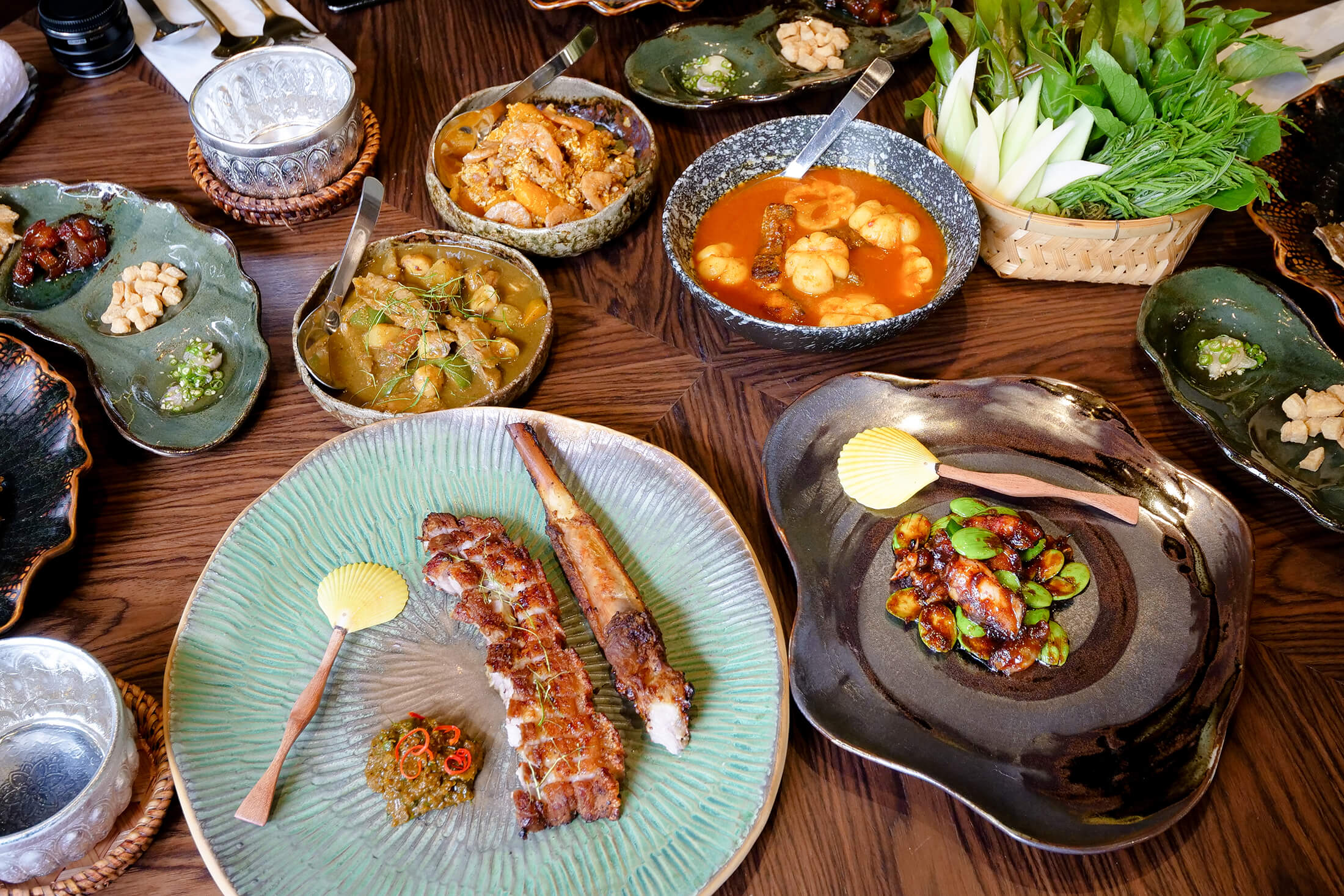
Regional variations are key to understanding this complexity. Each area of Thailand boasts its own unique ingredients, cooking techniques, and flavor profiles. From the coconut-rich curries of the South to the herbal, fermented flavors of the Northeast, there’s a world of culinary adventure waiting to be discovered. It’s a food culture that’s both ancient and constantly evolving, and 2026 promises to be a great year to explore it.
Northern Flavors: Chiang Mai’s Hidden Gems
Northern Thailand, and particularly the area around Chiang Mai, offers a distinctly different culinary experience than the rest of the country. The cooler climate allows for the cultivation of ingredients not commonly found elsewhere, and the region’s history has resulted in unique dishes influenced by neighboring Myanmar and Laos. Khao soi, a creamy coconut curry noodle soup, is perhaps the most famous export from the North, and for good reason.
A truly great bowl of khao soi is a revelation. You'll find variations everywhere – some with chicken, some with beef, some with a richer, spicier sauce. The best versions, in my experience, are found at small, family-run shops, where the recipe has been passed down through generations. Look for places where the noodles are freshly made and the curry is clearly prepared with care.
Beyond khao soi, don’t miss sai oua – a flavorful Northern Thai sausage packed with herbs and spices. It’s often served grilled and is perfect with sticky rice. Gaeng hung lay, a Burmese-influenced pork curry, is another highlight, known for its slow-cooked tenderness and complex flavors. The cooler air seems to enhance the aromatic spices used in these dishes, making them particularly satisfying.
Isan’s Spicy Kick: Northeast Thailand’s Boldness
Isan, or Northeast Thailand, is a region often overlooked by tourists, but it’s a paradise for adventurous eaters. The cuisine here is characterized by its bold flavors, its use of fermented ingredients, and its reliance on fresh, local produce. It’s a region where spice is not just a flavor, it’s a way of life.
Som tam, the famous papaya salad, originated in Isan, but the versions you find in Bangkok are often milder and sweeter. In Isan, som tam is a fiery explosion of flavors, with plenty of chili, lime juice, fish sauce, and often pla ra – a fermented fish sauce that adds a pungent umami depth. The preparation is just as important as the ingredients, and you’ll often see vendors expertly pounding everything together in a mortar and pestle.
Other Isan specialties include larb, a meat salad flavored with herbs, spices, and roasted rice powder, and nam tok, a grilled meat salad with a similar flavor profile. The cuisine is heavily influenced by Laos and Cambodia, reflecting the region’s shared history and culture. It’s a cuisine that’s meant to be shared, enjoyed with sticky rice and good company.
Central Thailand: Royal Cuisine & River Delights
Central Thailand, encompassing Bangkok and the surrounding provinces, is considered the heartland of Thai cuisine. Historically, the royal court played a significant role in shaping the region’s culinary traditions, emphasizing presentation, balance of flavors, and the use of high-quality ingredients. This influence is still evident today.
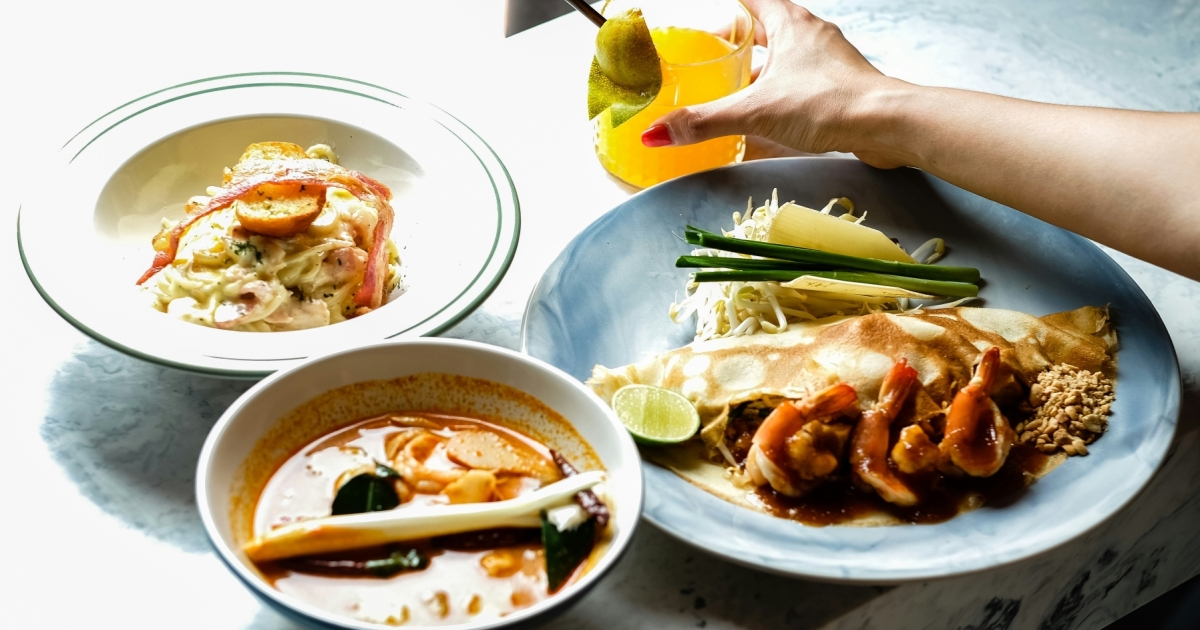
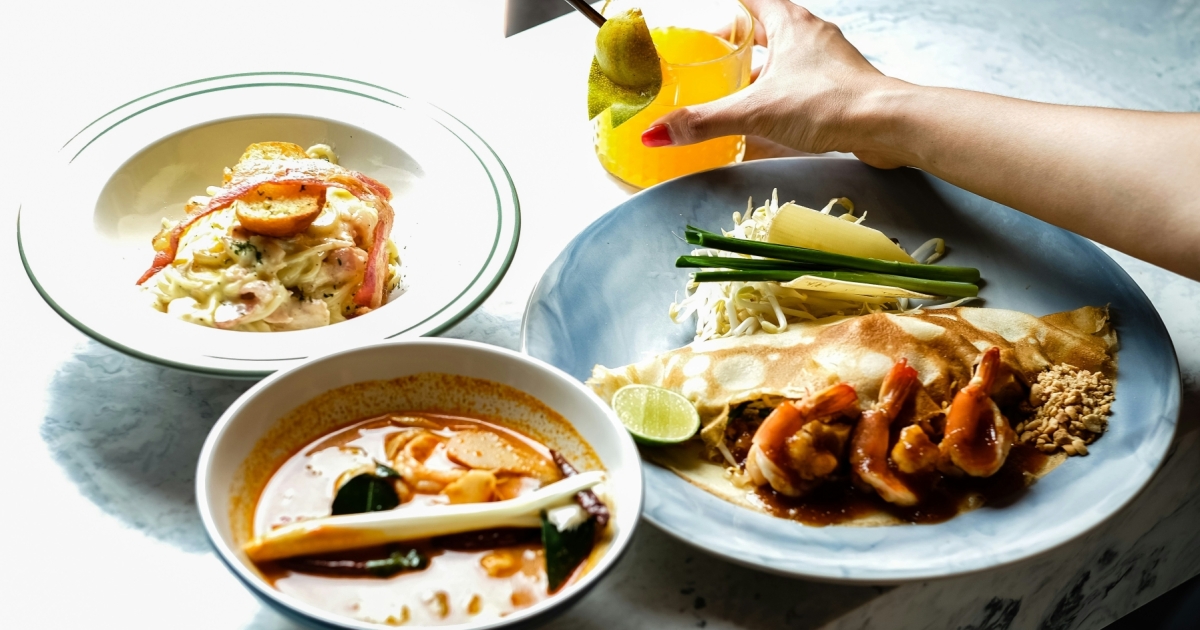
Tom yum goong, the iconic spicy shrimp soup, is a prime example of Central Thai cuisine – a perfect balance of sweet, sour, salty, spicy, and umami. Massaman curry, with its Persian and Indian influences, is another classic, showcasing the region’s historical connections. The use of coconut milk is prevalent in many Central Thai dishes, adding richness and complexity.
The Chao Phraya River and its tributaries provide an abundance of fresh seafood and river fish, which are central to many Central Thai dishes. From grilled fish to spicy seafood curries, the region offers a diverse range of aquatic delights. The emphasis here is on finesse and refinement, making it a great place to experience the more elegant side of Thai cooking.
Southern Thailand: Seafood & Malay Influence
Southern Thailand’s cuisine is heavily influenced by its proximity to Malaysia and its long coastline. Seafood is, unsurprisingly, a staple, and the region is known for its bold, spicy flavors and its use of coconut milk. The food here is often more pungent and intense than in other parts of Thailand.
Gaeng tai pla, a fiery fish kidney curry, is a Southern Thai specialty that’s not for the faint of heart. It’s intensely spicy and flavorful, and it’s often served with rice and vegetables to help cool the palate. Khao mok plaa, rice cooked in fish broth, is another regional favorite, offering a more subtle but equally delicious seafood experience.
Coconut milk is used extensively in Southern Thai cooking, adding richness and creaminess to curries and soups. The use of spices is also prominent, reflecting the region’s historical trade routes. I’m not sure how much the recent tourism boom has impacted the authenticity of the food here, but it’s still a fantastic place to experience truly unique Thai flavors.
- Must-Try Dishes: Gaeng tai pla (fish kidney curry), khao mok plaa (rice cooked in fish broth)
- Key Ingredients: Coconut milk, fresh seafood, chili peppers
Regional Food Highlights
- Khao Soi (Chiang Mai) - A creamy coconut curry noodle soup, typically served with chicken or beef, pickled mustard greens, shallots, lime, and chili oil. A Northern Thai staple.
- Som Tum (Northeast/Isan) - Spicy green papaya salad made with tomatoes, green beans, peanuts, dried shrimp, fish sauce, lime juice, and chilies. Variations abound across Isan.
- Massaman Curry (Southern Thailand) - A rich, relatively mild curry with Persian and Indian influences, featuring potatoes, peanuts, and often beef or chicken. Often includes cinnamon and star anise.
- Pad See Ew (Bangkok & Central Thailand) - Stir-fried wide rice noodles with Chinese broccoli, egg, and a dark sweet soy sauce. A popular street food dish.
- Kuay Teow Reua (Ayutthaya) - Boat noodles, traditionally sold from boats, are a dark, flavorful noodle soup with pork or beef blood, herbs, and spices. A unique Ayutthaya experience.
- Khao Chae (Phetchaburi) - Rice soaked in cool water, served with various side dishes like salted fish, shrimp paste, and grilled pork. A refreshing summer dish.
- Gaeng Keow Wan Gai (Central Thailand) - Green curry with chicken, coconut milk, bamboo shoots, and Thai basil. One of the most recognizable Thai curries.
Street Food Staples: What to Hunt For
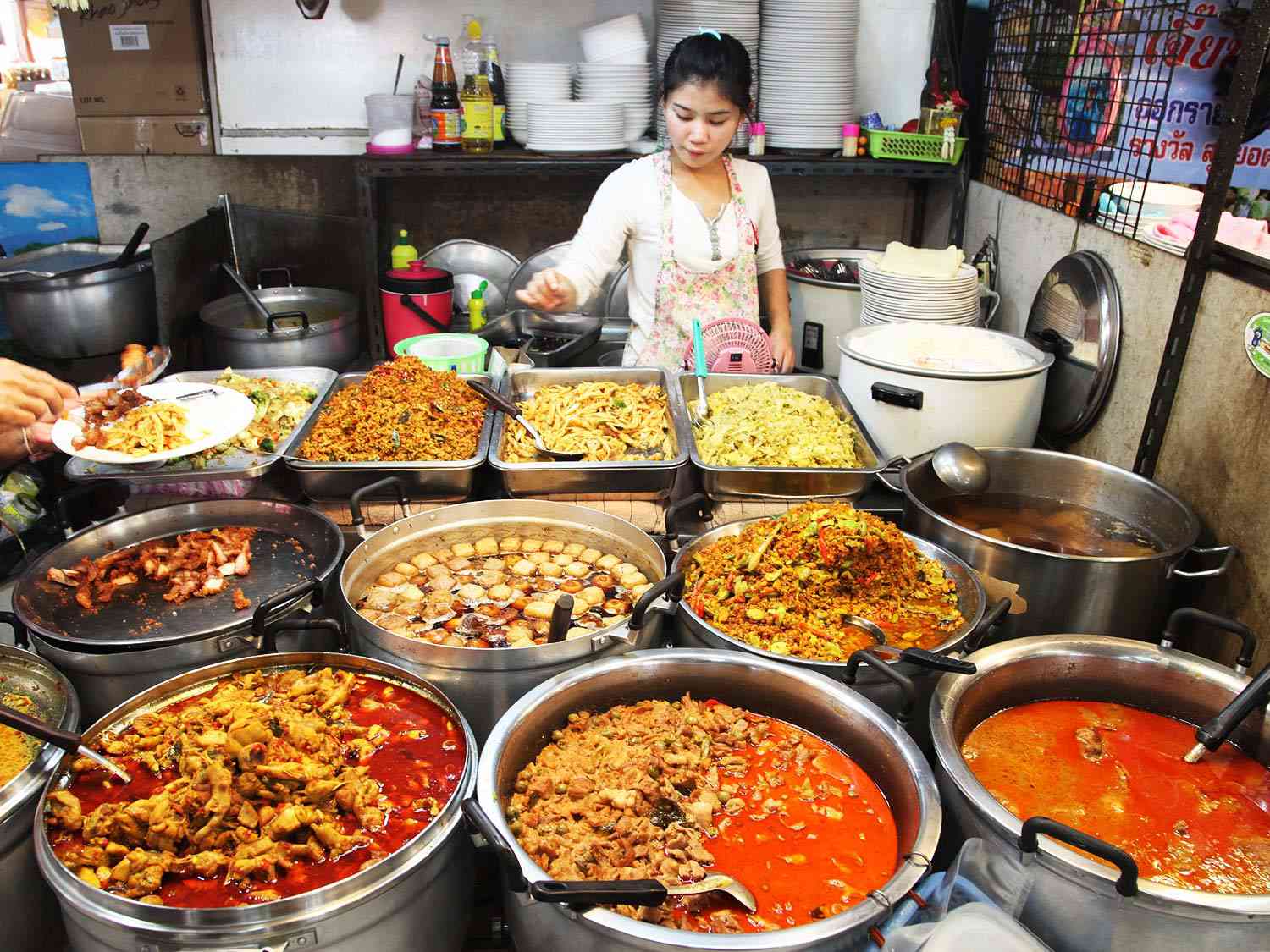
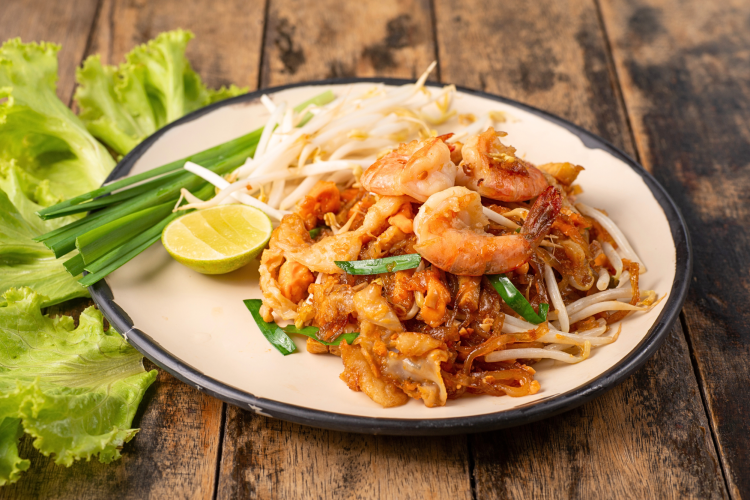
No trip to Thailand is complete without indulging in its incredible street food scene. It’s affordable, delicious, and offers a truly authentic taste of Thai culture. But beyond the usual Pad Thai and mango sticky rice, there’s a whole world of culinary delights waiting to be discovered.
Kuay teow reua (boat noodles) are a Bangkok institution – small bowls of flavorful noodle soup traditionally served from boats along the canals. Mango sticky rice, of course, is a must-try – perfectly ripe mango served with sweet sticky rice and a drizzle of coconut milk. Roti, a Thai pancake, is another popular street food, often filled with banana, chocolate, or condensed milk.
For something a little different, try hoy tod (crispy mussel pancake) – a savory and satisfying snack. Khanom krok (coconut pancakes) are small, sweet pancakes cooked in a special indented pan. The key to finding the best street food vendors is to look for busy stalls with a high turnover of food – that's a good sign of freshness and quality.
Underrated Dishes: Andy Cooks’ Picks & Beyond
Andy Cooks’ video on underrated Thai food highlighted some truly hidden gems. It’s a great starting point for exploring beyond the tourist trail. Miang kham (leaf-wrapped bites) are a delightful combination of flavors and textures – a betel leaf filled with roasted coconut, ginger, shallots, lime, peanuts, and a sweet-savory sauce.
Khao phat khai dao (fried rice with crispy egg) is a simple yet incredibly satisfying dish. The key is the perfectly crispy egg, which adds a delightful textural contrast to the fluffy rice. Pla ra (fermented fish sauce) is an acquired taste, but it’s a staple in Isan cuisine and adds a unique umami depth to many dishes.
Other underrated dishes to look out for include khao man gai (Hainanese chicken rice), yen ta fo (pink noodle soup), and sai krok isan (Isan fermented pork sausage). Don't be afraid to ask locals for recommendations – they’re often happy to share their favorite hidden gems.
Eating Like a Local: Etiquette & Tips
Thai dining etiquette is relatively relaxed, but there are a few things to keep in mind to show respect to your hosts and fellow diners. Chopsticks are used for noodles and some other dishes, but a spoon and fork are the primary utensils. The fork is used to push food onto the spoon, which is then brought to the mouth.
Dishes are typically shared family-style, so it’s common to take a little bit of everything and try a variety of flavors. It’s important to balance the flavors in a meal – sweet, sour, salty, spicy, and bitter – to create a harmonious experience. When ordering, don’t be afraid to ask for dishes to be adjusted to your spice preference.
Showing gratitude to your hosts is also important. A simple “khop khun” (thank you) goes a long way. Remember that Thai people value politeness and respect, so a friendly and considerate attitude will be greatly appreciated.
No comments yet. Be the first to share your thoughts!