
Thailand’s Seasons at a Glance
Thailand doesn't quite follow the traditional four seasons many of us are used to. Instead, it's generally categorized into three main seasons: hot, rainy, and cool. These seasons aren't uniform across the country, though. Regional variations are significant, meaning the best time to visit truly depends on where in Thailand you plan to go.
The climate is heavily influenced by monsoons. The southwest monsoon brings rain to the Andaman Sea (west coast) and central Thailand from April/May to October, while the northeast monsoon affects the Gulf of Thailand (east coast) from November to April. Understanding these patterns is key to Thailand trip planning.
The north experiences a more pronounced cool season, with temperatures dropping significantly compared to the central and southern regions. The islands, meanwhile, tend to have a more tropical climate with less dramatic temperature swings. Expect humidity to be a constant factor throughout the year, though it’s less oppressive during the cool season.

November to February: The Cool & Dry Season
This is, without a doubt, the most popular time to visit Thailand. The weather is remarkably pleasant – think comfortable temperatures ranging from 29°C to 34°C (84°F to 93°F), low humidity, and very little rainfall. It's ideal weather for nearly any activity you can imagine.
Trekking in the north becomes much more enjoyable during these months, as the cooler temperatures make hiking less strenuous. Exploring the historical sites of Ayutthaya and Sukhothai is also far more comfortable than during the scorching heat of the summer. And of course, the beaches are at their best, offering perfect conditions for swimming, sunbathing, and watersports.
However, this popularity comes at a cost. Expect higher prices for flights and accommodation, and be prepared for larger crowds at popular attractions. Booking in advance is essential, especially if you’re traveling during peak periods like Christmas and New Year’s. It's a trade-off, really – perfect weather versus a busier experience.
Several festivals take place during this time. Loy Krathong, the festival of lights, usually falls in November and is a truly magical experience. Chinese New Year is another major celebration, often occurring in January or February, with vibrant parades and festivities.
- Trekking: Northern Thailand (Chiang Mai, Pai)
- Historical Sites: Ayutthaya, Sukhothai
- Beaches: Phuket, Krabi, Koh Lanta
Essential Gear for Thailand's Cool/Dry Season Adventure

Waterproof nubuck leather and mesh upper · Molded nylon arch shank · Vibram TC5+ outsole
These durable, waterproof hiking boots offer excellent traction and support for exploring Thailand's diverse terrain, ensuring your feet stay dry and comfortable.

100% Nylon 2L Plain Weave with Omni-TECH™ · Waterproof and breathable fabric · Adjustable storm hood
This lightweight, waterproof jacket provides reliable protection from unexpected rain showers without adding bulk, making it ideal for variable weather conditions.

22-liter capacity · LightWire™ frame suspension · Stretch-mesh front and side pockets
This versatile and comfortable daypack is perfect for carrying essentials during day trips, offering ample storage and easy access to your gear.
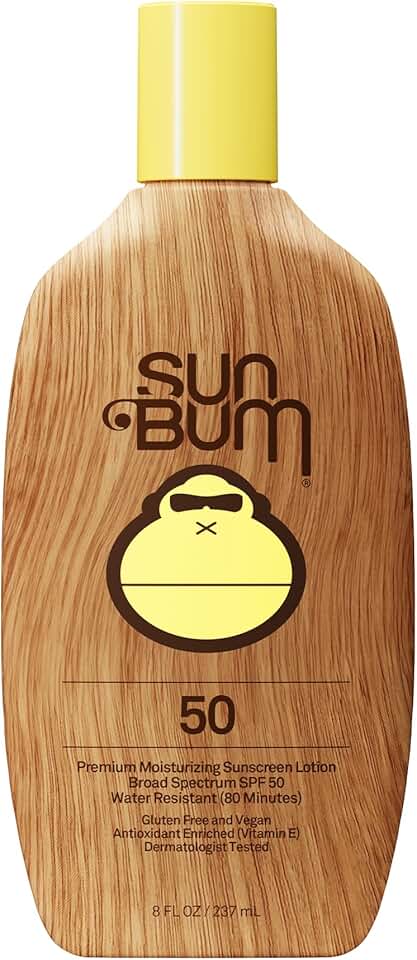
SPF 50 broad spectrum protection · Reef-friendly formula (Made without Octinoxate & Oxybenzone) · Enriched with Vitamin E
Protect your skin from the strong tropical sun with this moisturizing, broad-spectrum sunscreen that is gentle on both your skin and marine life.

Repels mosquitoes and black flies · Contains Oil of Lemon Eucalyptus · Effective up to 6 hours
Keep biting insects at bay with this effective plant-based repellent, ensuring a more pleasant outdoor experience, especially during evenings or near water.
As an Amazon Associate I earn from qualifying purchases. Prices may vary.
March to May: The Hot Season
The hot season is characterized by intense heat and humidity. Temperatures can soar to over 40°C (104°F) in some areas, particularly in April and May. It’s a challenging time for those not accustomed to tropical heat. While it doesn't necessarily ruin a trip, it's something to be prepared for.
April is when Songkran, the Thai New Year, takes place. It's a massive water festival where people playfully splash and spray each other, and it’s a lot of fun, but also incredibly crowded. Be aware that roads can be chaotic, and you'll likely get soaked!
This isn’t the best time for strenuous outdoor activities. Instead, focus on activities that allow you to stay cool, like spending time by the pool, visiting air-conditioned shopping malls, or exploring temples in the early morning or late afternoon. Consider indoor attractions like museums and art galleries.
- Songkran: Thai New Year water festival (April)
- Air-Conditioned Attractions: Shopping malls, museums
- Pool Time: Relaxing by the hotel pool
June to October: The Rainy Season
The rainy season often gets a bad rap, but it’s not as bad as many people think. It doesn't rain all day, every day. Typically, you can expect short, intense downpours in the afternoon, followed by sunshine. These showers can actually provide a welcome relief from the humidity.
One of the biggest benefits of traveling during the rainy season is the lower prices and fewer crowds. You’ll find significant discounts on accommodation and tours, and popular attractions will be less congested. The landscapes are also incredibly lush and green after the rain.
However, some islands may experience rough seas and ferry cancellations during this time, especially during the monsoon season. It’s important to check the weather forecast and be prepared for potential disruptions to your travel plans. Rainfall patterns also vary by region; the Gulf of Thailand tends to experience more rain in November and December, while the Andaman Sea sees heavier rainfall from May to October.
The west coast (Phuket, Krabi) generally sees more consistent rainfall than the east coast (Koh Samui, Koh Phangan) during this period. While you can still enjoy your trip, be prepared for occasional downpours and potential travel delays.
- Lower Prices: Discounts on accommodation and tours
- Fewer Crowds: Less congestion at attractions
- Lush Landscapes: Green and vibrant scenery
Rainy Season Experience by Region (Generally November - October)
| Region | Rainfall Intensity | Crowds | Price | Activities |
|---|---|---|---|---|
| Bangkok | Medium | Medium | Moderate | Indoor attractions, shopping, culinary experiences are readily available. |
| Chiang Mai | High | Low | Low | Lush landscapes, but outdoor activities may be limited by heavy rainfall. |
| Phuket | Medium to High | Medium | Moderate | Potential for strong waves and rough seas; some boat trips may be cancelled. |
| Koh Samui | Medium | Low to Medium | Low to Moderate | Generally drier than other regions during certain months of the rainy season; good for beach relaxation when it's not raining. |
| Krabi | High | Low | Low | Similar to Phuket, potential for disruptions to boat trips and outdoor activities. |
| Pattaya | Medium | Medium | Moderate | Rainfall is less intense than in other regions, but still present; a mix of indoor and outdoor options. |
| Hua Hin | Medium | Medium | Moderate | Generally calmer seas than the Andaman coast, but rainfall is still a factor. |
Illustrative comparison based on the article research brief. Verify current pricing, limits, and product details in the official docs before relying on it.
Regional Weather Breakdown: Where to Go When
Thailand's diverse geography means the best time to visit varies depending on the region. Here’s a breakdown to help you plan:
Northern Thailand (Chiang Mai, Pai): The cool season (November to February) is ideal, with pleasant temperatures and clear skies. March to May is hot and smoky due to agricultural burning. The rainy season (June to October) brings relief from the heat but can also cause occasional flooding.
Central Thailand (Bangkok, Ayutthaya): November to February is the best time, with cooler temperatures and lower humidity. March to May is hot and humid, while June to October is the rainy season, with frequent downpours. Bangkok’s urban environment means rain rarely disrupts plans for long.
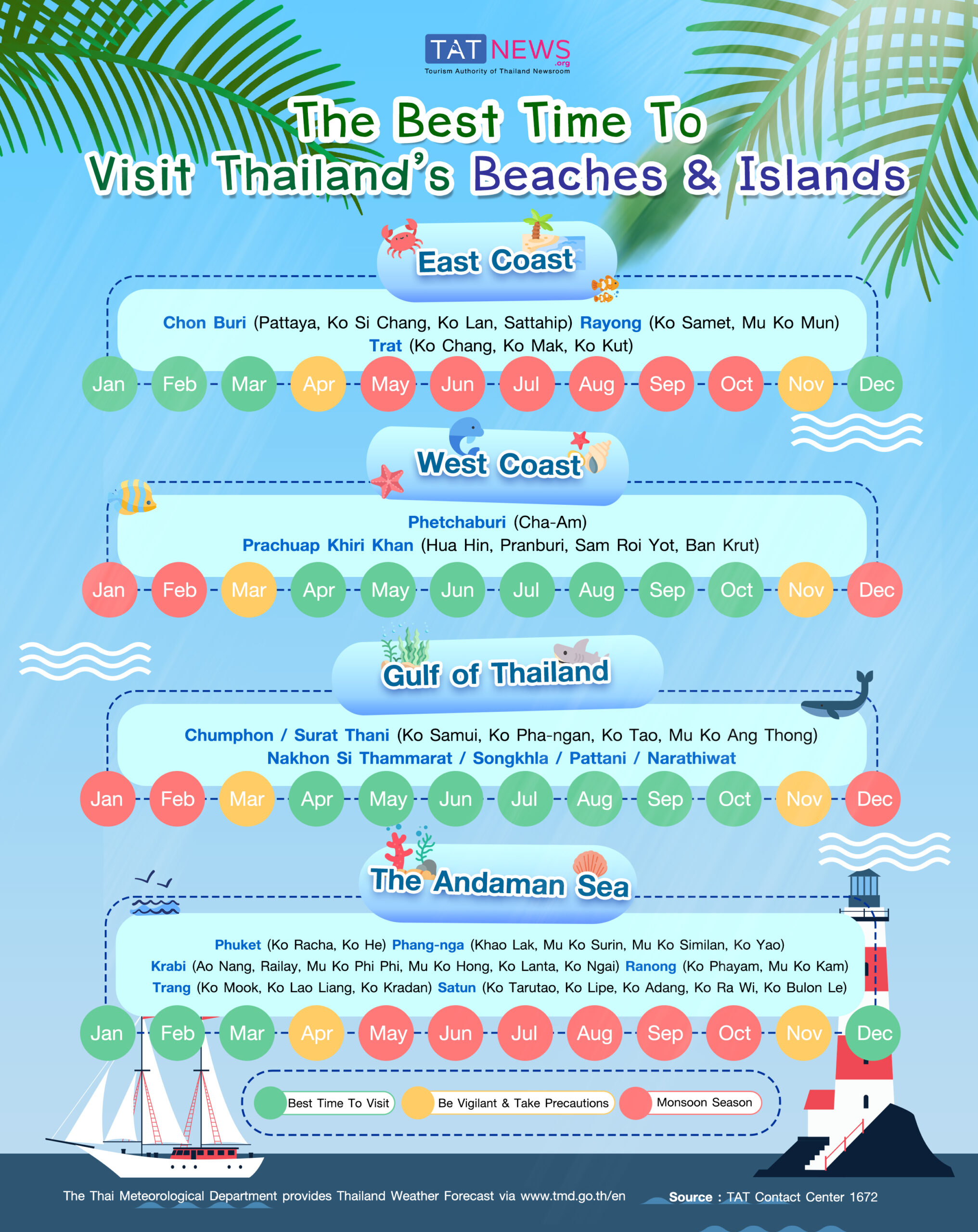
Southern Thailand – West Coast (Phuket, Krabi): The best time to visit is November to April, during the dry season. May to October is the rainy season, with heavier rainfall and rougher seas. Expect potential disruptions to ferry services.
Southern Thailand – East Coast (Koh Samui, Koh Phangan): The best time to visit is February to September, with warm temperatures and relatively dry conditions. October to December is the wettest period, with higher rainfall and potential for storms.
Shoulder Seasons: Best of Both Worlds?
April-May and September-October can be excellent times to visit Thailand. These shoulder seasons often offer a sweet spot – a balance of good weather, fewer crowds, and reasonable prices. You might experience occasional showers, but they are usually short-lived.
These periods are particularly good for travelers who are flexible and don’t mind a bit of unpredictability. You can enjoy the benefits of both the dry and rainy seasons, with fewer tourists and lower costs. It’s a good compromise if you’re looking for a more authentic and less crowded experience.
Travel Advisories & Important Considerations
Before you travel, it’s essential to check the latest travel advisories from your government. The U.S. Department of State () provides up-to-date information on safety and security concerns.
Ensure your passport is valid for at least six months beyond your intended stay (as of November 2024). One blank page is needed per entry stamp. Consider travel insurance that covers medical emergencies, cancellations, and lost belongings. Be aware of potential scams and petty theft, particularly in tourist areas. Research recommended vaccinations before your trip.


No comments yet. Be the first to share your thoughts!