

The reality of Thai tourism
Thailand has long been a magnet for travelers, drawn by its stunning beaches, ornate temples, and vibrant culture. But that popularity has come at a cost. In recent years, we’ve seen the negative impacts of overtourism – crowded beaches, strained infrastructure, and damage to delicate ecosystems. Places like Maya Bay, made famous by The Beach, even had to close for extended periods to allow for ecological recovery.
Thankfully, things are changing. There’s a growing awareness, both from the Thai government and from travelers themselves, about the need for a more sustainable approach to tourism. The Tourism Authority of Thailand is actively promoting responsible tourism initiatives, and more businesses are adopting eco-friendly practices. The shift isn't happening overnight, but the momentum is building.
This isn't simply about feeling good; it’s about preserving Thailand’s beauty for future generations. We need to move beyond just visiting this incredible country and start actively protecting it. This means making conscious choices about where we go, how we travel, and who we support. It’s a responsibility we all share. I believe Thailand is at a turning point, and the next few years will be crucial.
Where to stay without the guilt
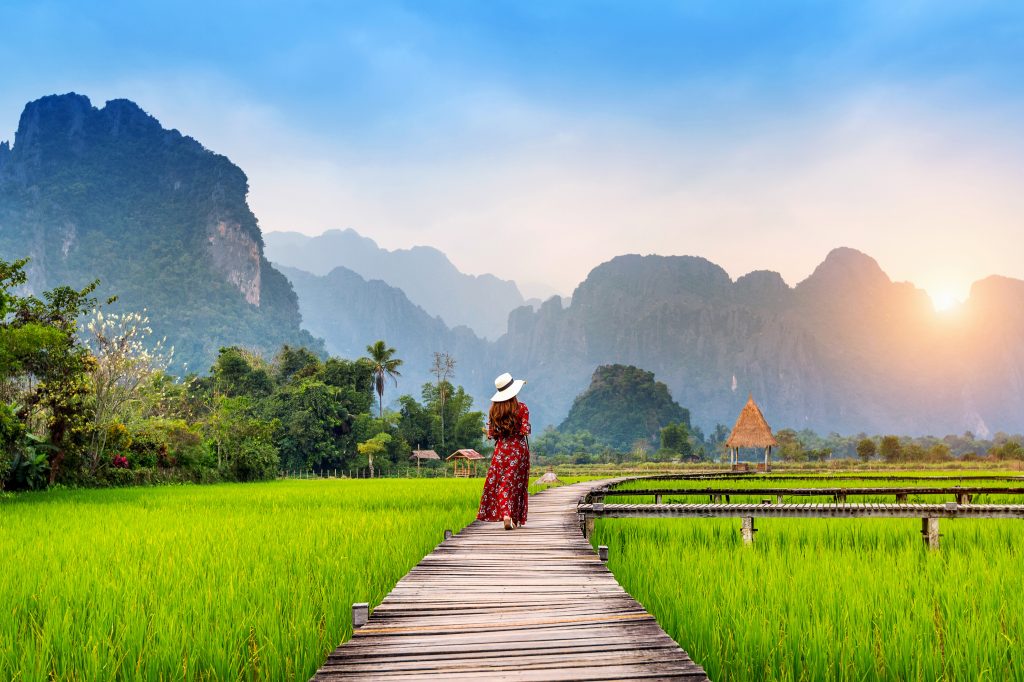
Finding genuinely sustainable accommodation is the first step towards responsible travel. Thankfully, Thailand is seeing a surge in eco-lodges and green hotels. The key is to look beyond marketing buzzwords and dig a little deeper. A 'green' hotel isn't necessarily a sustainable one.
What should you look for? Solar power is a great start, as is a commitment to water conservation – things like rainwater harvesting and greywater recycling. Effective waste management programs, including composting and reducing single-use plastics, are also essential. But perhaps most importantly, look for accommodations that are actively involved in supporting the local community.
For a truly immersive experience, consider the Bamboozle Eco Resort in Koh Lanta. They focus on minimizing their environmental impact and supporting local employment. Another excellent option is the Lisu Lodge in Chiang Mai, which is owned and operated by members of the local Lisu hill tribe, providing economic benefits directly to the community. These aren't just places to stay; they're opportunities to connect with the culture and contribute to its preservation. You will find that these places are often a bit more expensive, but I believe the investment is worthwhile.
Don’t overlook smaller guesthouses committed to sustainability. Many family-run businesses are actively reducing their footprint and offering a more authentic experience. Read reviews carefully and look for specific examples of their eco-friendly practices. Don't be afraid to ask questions directly to the owners.
- Look for solar panels and rainwater systems.
- Water Conservation: Rainwater harvesting, greywater recycling.
- Waste Management: Composting, reducing plastic use.
- Check if they actually hire people from the local village.
Eco-Lodges Leading the Way
- Lisu Lodge (Chiang Mai, North) - This community-based lodge actively supports local Lisu villages through employment and purchasing local products. They focus on cultural preservation and minimizing environmental impact with organic farming and waste reduction. Rooms start from $70/night. Learn More
- Rayavadee (Krabi, South) - Nestled within Krabi Marine National Park, Rayavadee is committed to conservation. They participate in coral reef restoration projects, support local marine research, and implement rigorous waste management programs. Prices begin around $450/night. Explore Rayavadee
- Soneva Kiri (Koh Kood, Islands) - A luxury eco-resort prioritizing sustainability. Soneva Kiri emphasizes waste to wealth initiatives, organic gardens, and responsible sourcing. They also have a strong focus on marine conservation. Rates start from $600/night. Discover Soneva Kiri
- Pimalai Resort & Spa (Koh Lanta, Islands) - This resort focuses on environmental protection and community development. They have implemented energy-saving measures, water conservation programs, and support local schools and healthcare initiatives. Rooms from $250/night. Visit Pimalai
- Baan Rai Viewpoint (Tak, North) - A smaller, family-run guesthouse focusing on organic farming and providing guests with an authentic rural Thai experience. They prioritize minimal environmental impact and support the local community. Bungalows from $30/night. Baan Rai Viewpoint Website
- The Tides Resort (Koh Tao, Islands) - Committed to marine conservation, The Tides actively participates in coral reef restoration projects and promotes responsible diving and snorkeling practices. They also focus on reducing plastic waste. Rooms available from $80/night. The Tides Resort Koh Tao
- Panviman Chiang Mai Spa Resort (Chiang Mai, North) - This resort blends luxury with sustainability, featuring organic gardens, water conservation efforts, and support for local artisans. They aim to minimize their environmental footprint while providing a relaxing experience. Rooms start from $120/night. Panviman Chiang Mai
Avoiding the animal tourism trap
This is where things can get tricky. Thailand’s wildlife tourism industry has a dark side, with many attractions prioritizing profit over animal welfare. Elephant riding, for example, is widely recognized as harmful and unethical. The process of 'breaking' an elephant to accept a rider involves severe physical and psychological abuse. Tiger temples, too, often keep animals in cramped and unnatural conditions.
Avoid any attraction that allows you to touch, ride, or otherwise interact with wild animals in a way that compromises their well-being. Instead, support sanctuaries that prioritize animal rescue, rehabilitation, and conservation. Elephant Nature Park near Chiang Mai is a leading example. They provide a safe haven for rescued elephants, allowing them to live as naturally as possible. You can observe the elephants from a respectful distance and learn about the challenges they face.
Look for sanctuaries that don't offer riding or shows. A truly responsible sanctuary will focus on education and conservation. They will also be transparent about their funding and how they care for their animals. It’s tempting to get that perfect photo with a tiger, but remember – your choices have consequences. I've seen too many places that claim to be sanctuaries, but are really just exploiting animals for tourist dollars.
Supporting Local Communities
Tourism can be a powerful force for good, but only if it benefits the local communities. Too often, tourism revenue leaks out of the country, ending up in the hands of foreign-owned companies. We need to ensure that the money stays in Thailand, supporting the people who live there.
One way to do this is to buy souvenirs directly from artisans. Visit local markets and workshops and purchase handmade crafts. This not only supports the local economy but also helps preserve traditional skills and knowledge. Eating at locally-owned restaurants is another great way to contribute. You'll get a more authentic culinary experience and support small businesses.
Community-based tourism puts money directly into the hands of the people living there. In Chiang Rai, the Fair Trade Hilltribe Crafts project pays artisans fair wages for their work. I also like the Samut Prakan Riverside community, where the residents run the tours themselves. It is a better way to see the country than through a big international agency.
Don't be afraid to venture off the beaten path and explore lesser-known destinations. This can help to distribute the economic benefits of tourism more evenly and reduce the pressure on popular areas.
Sustainable Food Choices in Thailand
Food is a huge part of the Thai experience, and our food choices can also have a significant impact on sustainability. Reducing food waste is a good place to start. Order only what you can eat, and take leftovers with you if possible. Choosing seasonal and locally-sourced ingredients reduces the environmental impact of transportation and supports local farmers.
Thailand is a paradise for vegetarians and vegans, with a wide range of delicious plant-based options available. Exploring these options reduces the demand for meat, which has a higher environmental footprint. Be mindful of the origins of seafood, and choose sustainably sourced options whenever possible. Ask your server about the source of the fish or shrimp.
It’s surprisingly easy to eat sustainably in Thailand. The abundance of fresh fruits, vegetables, and herbs makes it a culinary delight for conscious travelers.
Comparing Tourism Models in Thailand: Impacts & Considerations
| Tourism Type | Local Economic Impact | Environmental Impact | Cultural Preservation | Community Involvement |
|---|---|---|---|---|
| Mass Tourism | Significant revenue generation, but often leakage to international companies. Can create low-wage, seasonal jobs. | High potential for negative impacts: pollution, resource depletion, habitat destruction. Often generates substantial waste. | Risk of commodification and erosion of traditions to cater to tourist expectations. Potential for disrespectful behavior. | Limited. Often bypasses local communities, with benefits concentrated among larger businesses. |
| Eco-Tourism | Moderate revenue generation, with a greater focus on local businesses and employment. Supports conservation efforts which can have economic benefits. | Minimizes environmental impact through responsible practices, conservation, and education. Aims to protect biodiversity. | Promotes respect for local culture and traditions. Supports cultural heritage preservation. | High. Actively involves local communities in planning and operation, ensuring benefits are shared. |
| Community-Based Tourism (CBT) | Direct economic benefits to local communities. Supports small businesses and entrepreneurship. Revenue stays within the community. | Low impact, as it often focuses on small-scale, sustainable activities. Encourages responsible resource management. | Strong emphasis on preserving and promoting local culture and traditions. Supports cultural exchange and understanding. | Very High. Communities have full control over tourism development and benefit directly from its success. |
| Adventure Tourism | Can provide economic opportunities in rural areas, but often requires specialized skills and infrastructure. | Moderate impact, depending on the activity. Potential for disturbance of natural environments if not managed responsibly. | Can raise awareness of cultural heritage, but also risks sensationalizing or misrepresenting it. | Variable. May involve local guides and service providers, but can also be dominated by external operators. |
| Agritourism | Supports local farmers and agricultural communities. Provides opportunities for direct sales and value-added products. | Generally low impact, promoting sustainable farming practices and preserving rural landscapes. | Offers insights into traditional agricultural practices and rural lifestyles. Can help preserve agricultural heritage. | Moderate. Often involves direct interaction with farmers and local communities. |
Illustrative comparison based on the article research brief. Verify current pricing, limits, and product details in the official docs before relying on it.
What is next for 2026
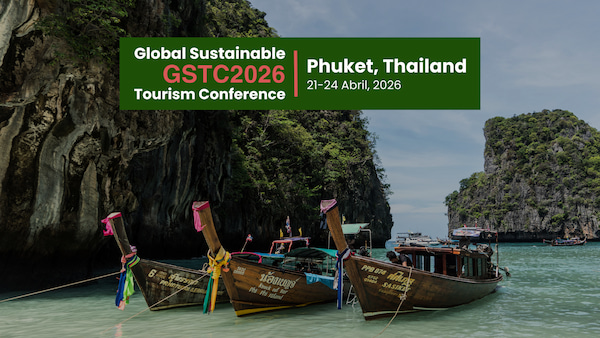
Looking ahead to 2026, I expect to see a continued push towards more sustainable tourism practices in Thailand. The Thai government is likely to introduce stricter regulations to protect the environment and promote responsible tourism. The recent recognition of Thailand’s Sustainable Tourism Management Standard by the Global Sustainable Tourism Council (GSTC) is a positive sign.
We’ll probably see wider adoption of new technologies to support sustainable tourism, such as smart energy management systems in hotels and apps that help travelers make eco-friendly choices. The demand for regenerative tourism experiences – those that actively contribute to the restoration of ecosystems and communities – is also likely to grow.
I anticipate a greater emphasis on educating both tourists and tourism operators about sustainable practices. This will involve raising awareness about the environmental and social impacts of tourism and providing training on how to minimize those impacts. The future of Thailand tourism depends on our collective commitment to responsible travel. It’s not just about preserving the beauty of this country; it’s about ensuring a sustainable future for its people and its ecosystems.

No comments yet. Be the first to share your thoughts!