

First Impressions: Navigating Thai Social Grace
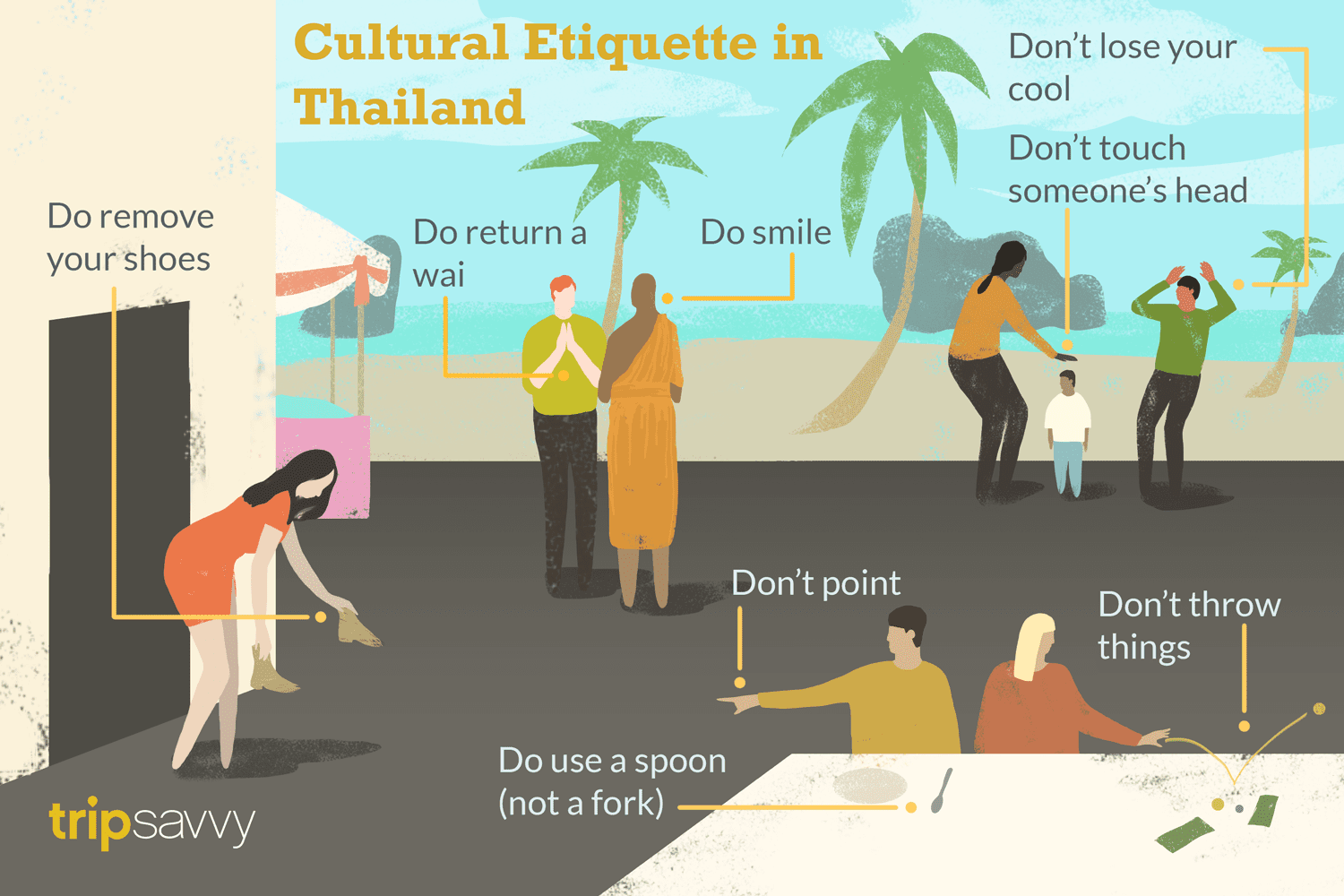
Thailand’s culture emphasizes respect, and understanding a few key customs will go a long way. The most important gesture to learn is the wai – a slight bow with the palms pressed together, similar to a prayer position. It’s used for greetings, showing respect, and expressing gratitude.
If someone wais you, return the gesture with a slightly lower bow if they are older or of higher status. Service staff and people you meet on the street may wai you; it’s a common and polite gesture. A firm handshake isn't typical. Avoid touching someone's head, as it’s considered the most sacred part of the body.
Thais generally value harmony and avoid direct confrontation. They may smile and agree even if they don’t fully understand or agree, aiming to maintain a peaceful interaction. Avoid raising your voice or losing your temper, as this is considered very rude. A calm and respectful demeanor is always appreciated. A genuine smile and a polite attitude open many doors.
Temple Etiquette: Sacred Spaces and Respect
Thailand’s temples, or wats, hold immense spiritual significance. Visiting them requires mindful etiquette. The most important rule is to dress respectfully: shoulders and knees must be covered. Many temples offer sarongs or wraps for visitors who are inappropriately dressed, but it’s best to come prepared.
Remove shoes before entering temple buildings or shrine rooms. Follow where others leave their shoes. Photography is generally allowed, but be respectful and avoid taking pictures of monks without their permission. Never point your feet at Buddha images, as feet are considered the lowest and most unclean part of the body.
Buddha images are sacred objects. Avoid touching them or posing disrespectfully, such as sitting with your feet pointing towards one. If offered a blessing by a monk, kneel and lower your head as a sign of reverence. Showing respect during these rituals is paramount.
- Dress modestly: shoulders and knees covered
- Remove shoes before entering buildings
- Avoid pointing feet at Buddha images
- Ask permission before photographing monks
The Power of ‘Kreng Jai’: Understanding Indirect Communication
"Kreng jai’ is a Thai concept meaning a reluctance to impose on others or cause them discomfort. It influences how people communicate, often manifesting as indirectness. Thais may avoid saying ‘no" directly, preferring vague responses or suggesting alternatives.
Direct questions can be considered rude if they seem intrusive or demanding. Phrase requests as suggestions or ask for advice instead. Pay attention to non-verbal cues – facial expressions, tone of voice, and body language – as these reveal more than words. Learning to read between the lines is important.
If you ask a Thai person for help and they respond with a smile and a vague promise to "try,’ it might mean they don’t want to commit or are unable to help. Respect their reluctance to say ‘no’ directly and don’t push the issue. This approach significantly improved my interactions. It"s about being sensitive and understanding unspoken feelings.
Dining Customs: More Than Just the Food
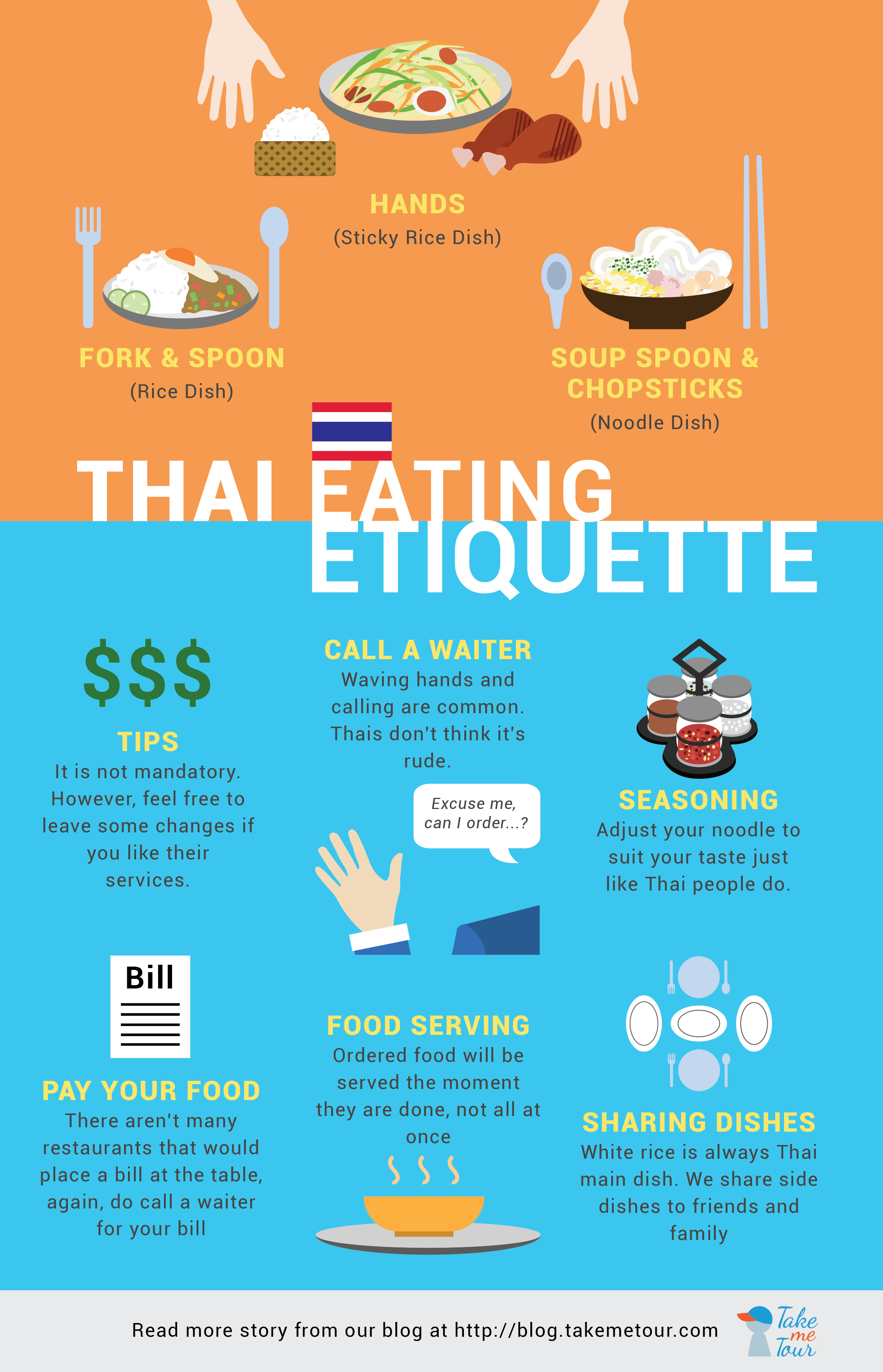
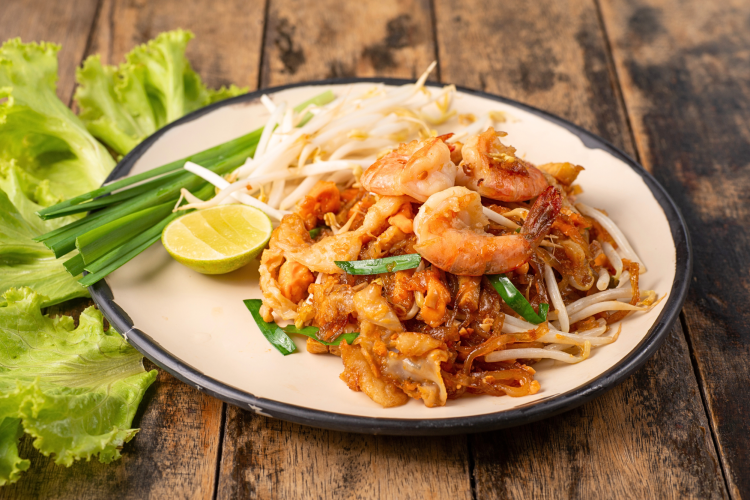
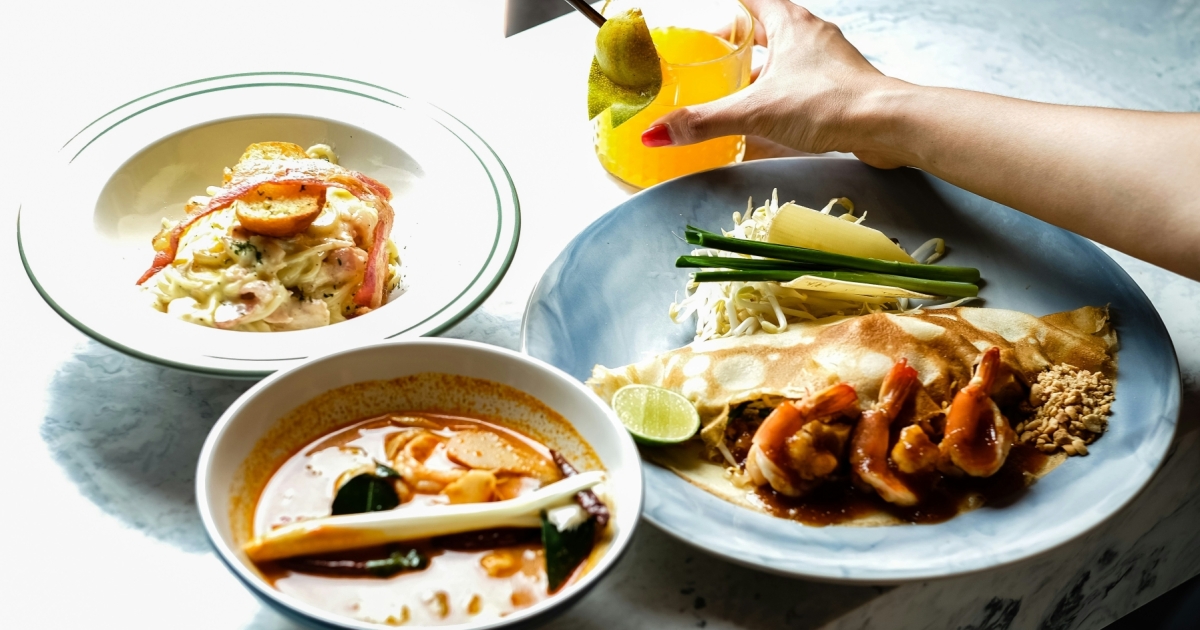
Thai food is world-famous and a cultural experience. A typical Thai meal includes various dishes placed in the center of the table for sharing. Use a fork to push food onto your spoon, which is then used to eat. The fork isn't meant to go into your mouth.
Offer food to others at the table before serving yourself. Don’t waste food – take only what you can eat, as wasting food is disrespectful. Avoid discussing sensitive topics like politics or religion. Showing appreciation to the host is important; a simple "aroy mak mak" (very delicious) is always appreciated.
A host once insisted on continually refilling my plate, even after I indicated I was full. This wasn't rudeness, but an expression of hospitality and a desire to ensure I was well-fed. It’s a cultural norm to offer and encourage eating. Try a little of everything offered, even if you’re unsure about it.
Body Language: What Your Gestures Say
Body language speaks volumes, and in Thailand, certain gestures can be deeply offensive. Perhaps the most important thing to remember is never to point your feet at anyone or anything, especially Buddha images. Feet are considered the lowest and dirtiest part of the body, so pointing with them is a sign of extreme disrespect.
Touching someone’s head is also a major no-no, as the head is considered the most sacred part of the body. Avoid placing your hand on someone’s head, even playfully. The way you position your hands matters too. When wai-ing, keep your hands pressed together and your fingers pointing upwards. Avoid pointing with your finger, as this can be seen as accusatory.
According to theculturetrip.com, maintaining a relaxed and respectful posture is key. Avoid crossing your legs when sitting on the floor, as this can be considered impolite. Be mindful of your body language and try to avoid any gestures that might be misinterpreted as disrespectful. The head and feet aren't just body parts; they represent a cosmology of high and low, clean and unclean.
- Do not point with your feet
- Do not touch anyone's head
- Avoid crossing legs when sitting on the floor
Thai Body Language Guide
| Gesture | Meaning | Appropriateness | Notes |
|---|---|---|---|
| Pointing with feet | Considered rude and disrespectful. | No | The feet are considered the lowest and dirtiest part of the body. Never point your feet at a person or sacred objects like Buddha images. |
| Touching someone's head | The head is considered the most sacred part of the body. | No | Avoid touching anyone’s head, even children. It is deeply disrespectful. |
| Raising your voice | Seen as aggressive and losing control. | No | Thais value harmony and composure. Maintaining a calm demeanor is important. |
| Smiling | Often used to show politeness, avoid conflict, or mask embarrassment. | Yes | A smile doesn’t always indicate happiness; it’s a common social lubricant. |
| Wai (slight bow with palms pressed together) | A traditional greeting and sign of respect. | Yes | The height of the hands in the 'wai' indicates the level of respect shown. Wai back to those who wai to you. |
| Showing the soles of your feet | Disrespectful. | No | Avoid pointing the soles of your feet at anyone or at images of the Buddha. |
| Public displays of affection | Generally discouraged. | Potentially No | While attitudes are evolving, overt displays of affection between couples are often considered inappropriate in public. |
| Directly criticizing the monarchy | Illegal and deeply offensive. | No | The Thai monarchy is highly revered and protected by strict laws. |
Illustrative comparison based on the article research brief. Verify current pricing, limits, and product details in the official docs before relying on it.
Gift-Giving: Showing Respect and Building Relationships
Gifts aren't usually expected in Thailand, but they are a way to show respect and gratitude. Appropriate gifts include fruit, flowers, or small souvenirs from your home country. Avoid giving anything black or dark blue, as these colors are associated with mourning. When presenting a gift, use both hands – this is a sign of respect.
Gifts are appreciated when visiting someone’s home, attending a ceremony, or receiving a favor. It’s not about the monetary value, but the thought behind it. A small token of appreciation can build relationships. The recipient may not open the gift immediately; this is a sign of politeness.
undefined once brought a small box of chocolates to a homestay host, and she was genuinely touched by the gesture. It wasn't about the chocolates themselves, but the fact that I had thought of her and wanted to show my gratitude. It created a warm and friendly atmosphere for the rest of my stay.
Navigating Sensitive Topics: Politics, Religion, and the Monarchy
Thailand has strict laws regarding lèse-majesté – criticizing the monarchy. It’s vitally important to be respectful of the royal family and avoid discussing them in a negative light. Even seemingly harmless comments can be misinterpreted and could lead to serious consequences. It’s best to steer clear of the topic altogether.
Similarly, avoid getting involved in political discussions, especially those that are critical of the government or the country’s institutions. Thailand has a complex political history, and it’s easy to inadvertently offend someone. Religion is also a sensitive topic. While Buddhism is widely practiced and respected, avoid criticizing or questioning religious beliefs.
I am not a legal expert, and this isn't legal advice, but erring on the side of caution is always the best approach. If someone brings up a sensitive topic, politely change the subject or excuse yourself from the conversation. It’s better to be safe than sorry. Remember, respecting Thai culture and laws is essential for a smooth and enjoyable trip.
Festivals and Celebrations: Joining the Joy
Thailand is renowned for its vibrant festivals, which are an integral part of the country’s culture. Songkran (Thai New Year), celebrated in April, is perhaps the most famous, involving a nationwide water fight. It’s a joyous and chaotic event, but be prepared to get soaked! Loy Krathong, celebrated in November, is another beautiful festival where people release decorated floats on rivers and waterways.
Other notable festivals include Yi Peng (the Lantern Festival), Visakha Bucha (celebrating the birth, enlightenment, and death of Buddha), and Makha Bucha (commemorating a gathering of Buddha and his disciples). When participating in festivals, dress respectfully and be mindful of local customs. Avoid wearing overly revealing clothing and be respectful of religious ceremonies.
I was lucky enough to experience Loy Krathong in Chiang Mai, and it was truly magical. The sight of thousands of illuminated floats drifting down the river was breathtaking. It’s a wonderful way to immerse yourself in Thai culture and create lasting memories. Attending festivals isn't just about watching; it's about respectfully joining in the joy.
No comments yet. Be the first to share your thoughts!