

Bangkok’s new breed of food halls
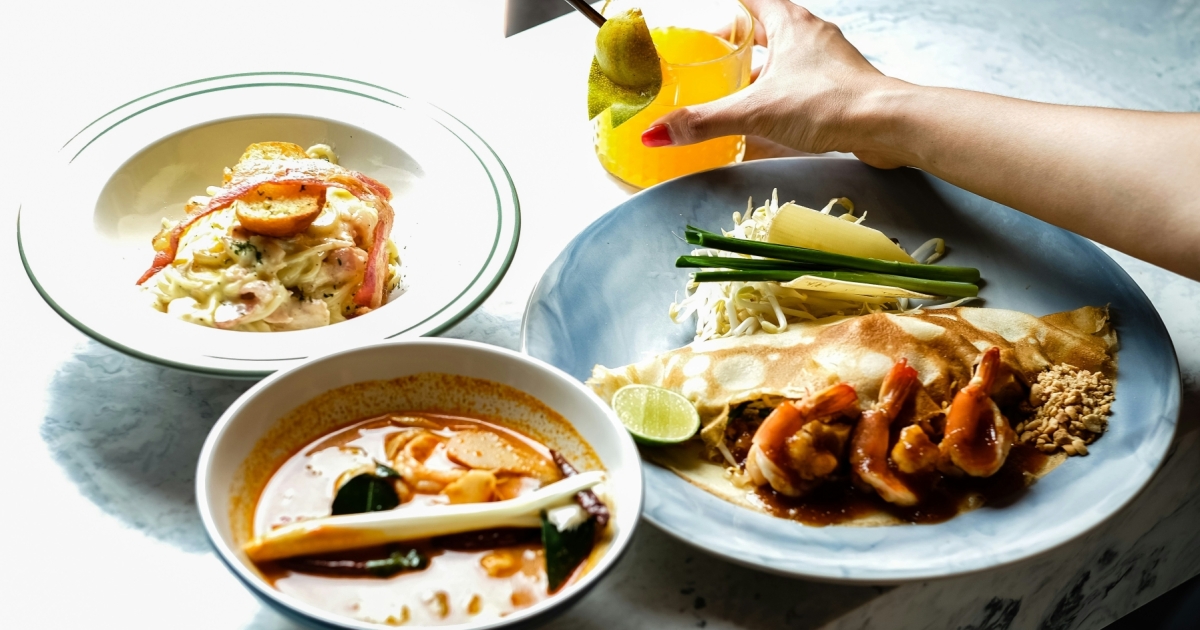
Bangkok is trading its plastic-stool food courts for high-end food halls. Every month a new space opens, moving away from the chaotic mall basements of the past. These new spots focus on specific neighborhoods and give younger chefs a platform to experiment without the overhead of a full restaurant.
Places like Eathai at CentralWorld and Market Hall at The EmQuartier have been around for a while, but we’re now seeing more localized, independent food halls popping up in different neighborhoods. They’ve become social hubs, places where people go to hang out, sample a variety of cuisines, and experience a lively atmosphere. It's a far cry from the solitary street food experience of years past.
Tourism definitely plays a role in this demand for higher-quality and more diverse food options. Visitors want to try everything Thailand has to offer, and these food halls provide a convenient and accessible way to do that. However, I think the primary driver is actually a growing local appetite for culinary innovation. Thais are increasingly adventurous eaters, eager to explore new flavors and dining experiences. They want quality, they want variety, and they’re willing to pay for it.
Street food goes regional
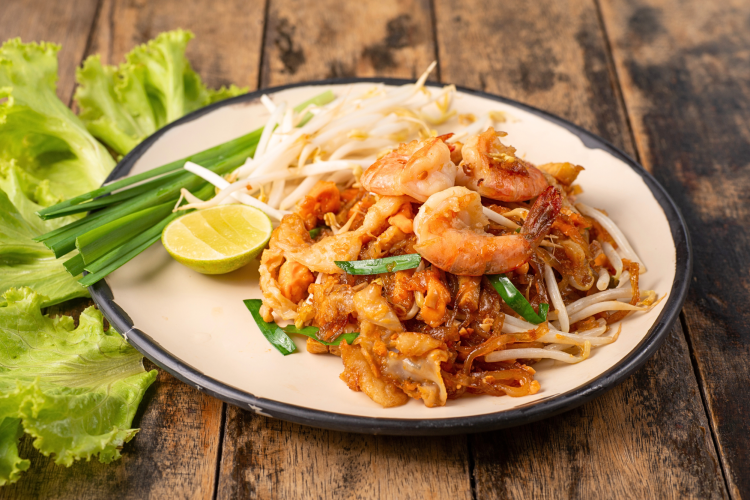
For a long time, the perception of Thai street food outside of Thailand – and even within Bangkok – has been largely limited to Pad Thai, Mango Sticky Rice, and a few other well-known dishes. But that’s changing. I’m seeing a real resurgence of interest in regional Thai cuisine, and street food vendors are responding by specializing in dishes from different parts of the country.
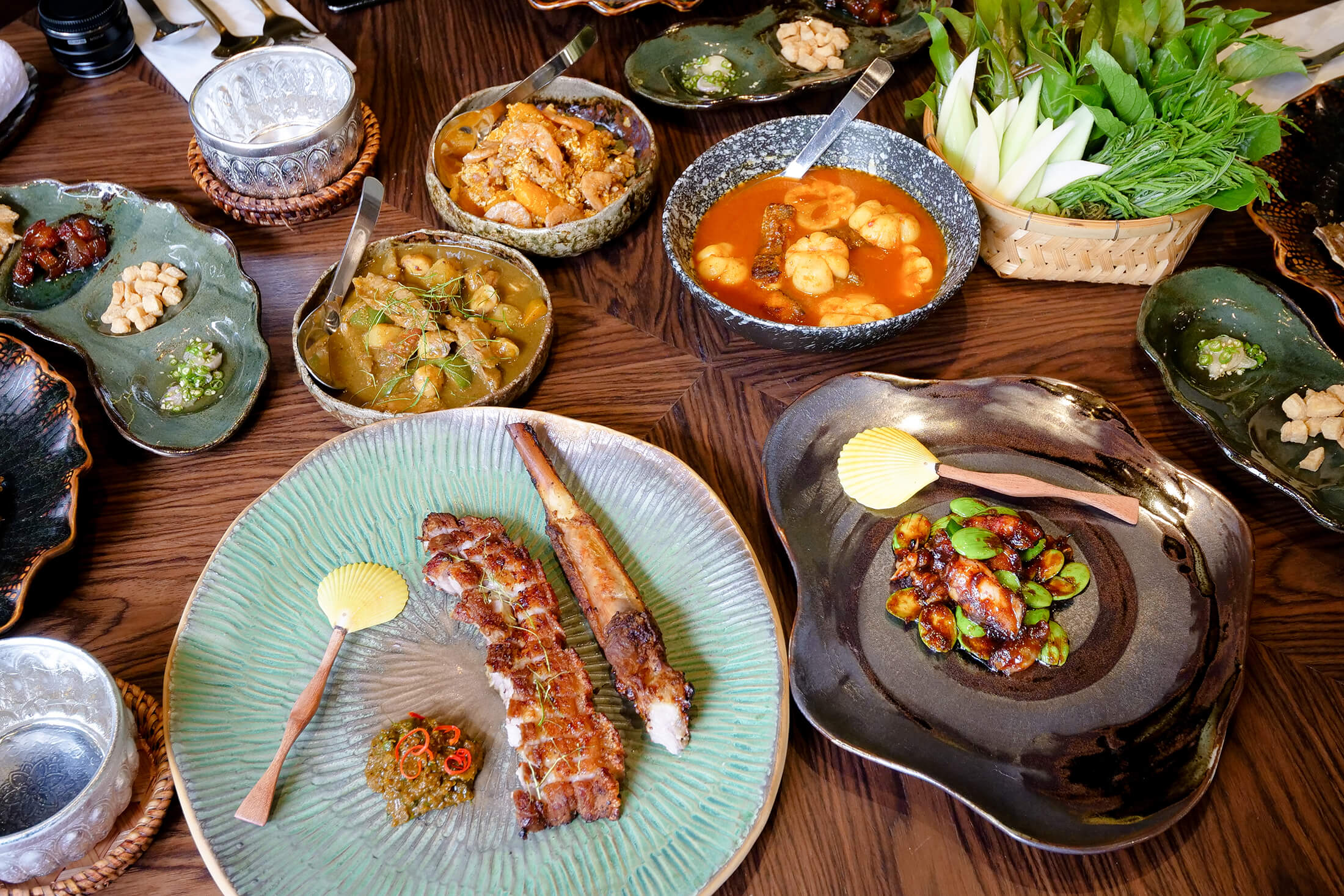
Specifically, I’ve noticed a significant increase in vendors offering Isan specialties like Sai Oua (Northern Thai sausage) and Som Tum with different variations, reflecting the unique flavors of each province. Chiang Mai’s Khao Soi is also becoming increasingly popular, even in areas of Bangkok where it was previously hard to find. Southern Thai cuisine, known for its bold flavors and use of turmeric, is also gaining traction.
This trend is driven by a couple of factors. Firstly, more Thais are traveling within their own country, discovering these regional delicacies firsthand. Secondly, there’s a growing desire for authentic culinary experiences. People are tired of the same old tourist traps and are actively seeking out more genuine flavors. You can find excellent Khao Soi at the Thong Lo market, and several stalls around Victory Monument specialize in Isan grilled meats.
Finding these gems requires a bit more exploration, but it’s well worth the effort. Don't be afraid to venture off the beaten path and ask locals for recommendations. Instagram, surprisingly, has become a great resource – searching hashtags like #อาหารใต้ (Southern Thai food) or #อาหารอีสาน (Isan food) will often lead you to hidden gems.
The fermentation trend
This is a trend that’s still relatively niche, but I believe it’s going to become increasingly important in the Thai food scene. Chefs are starting to rediscover and experiment with traditional Thai fermentation techniques, going beyond simply preserving food to unlock complex, umami-rich flavors. We’re talking about ingredients like Pla Ra (fermented fish sauce), Som Fak (fermented bean curd), and a wide variety of pickled vegetables.
Pla Ra, in particular, is having a moment. It's a pungent, salty sauce that’s traditionally used in Isan cuisine, but chefs are now incorporating it into everything from salads to sauces to desserts. Som Fak is another fascinating ingredient – a fermented bean curd that has a unique, slightly sweet and savory flavor.
You'll find these fermented elements in both alleyway stalls and white-tablecloth spots. Some cooks use them to sharpen old recipes, while others treat them as entirely new seasoning profiles. It adds a funk that was previously hidden in home kitchens.
- Pla Ra is a fermented fish sauce from Isan that provides a salty, pungent base for salads.
- Som Fak uses fermented bean curd to hit both sweet and savory notes simultaneously.
- Pickled Vegetables: A wide variety of vegetables preserved through fermentation.
Fermentation Forward Dining
- Nahm - This Michelin-starred restaurant, consistently ranked among Asia’s 50 Best, continues to refine traditional Thai flavors. Chef Pim Techamuanvivit’s menu often incorporates pla ra (fermented fish sauce) in subtle yet impactful ways.
- Sühring - Run by twin chefs Mathias and Thomas Sühring, this two-Michelin-starred establishment offers a modern German tasting menu with Thai influences. They’ve been experimenting with incorporating fermented ingredients like som saa (fermented bamboo shoots) into their dishes.
- Le Du - A one-Michelin-starred restaurant known for its innovative tasting menus that showcase seasonal Thai ingredients. Chef Ton Thitid Tassanakajohn frequently utilizes fermented fruits and vegetables to add depth and complexity to his creations. Try their dish featuring fermented pineapple.
- Err - From the same team as Bo.lan, Err offers a more casual dining experience focused on ancient Thai recipes. They are dedicated to preserving traditional fermentation techniques, like those used in making nam prik (chili pastes).
- Huen Phen - Located in Chiang Mai, this restaurant focuses on Northern Thai cuisine and incorporates locally sourced, fermented ingredients. They are known for their gaeng hung lay (Burmese-style pork curry) which benefits from a long fermentation process.
- Khao Soi Khun Yai - A Chiang Mai institution specializing in khao soi (curry noodle soup). While not solely focused on fermentation, they use a fermented chili paste as a key component of their signature curry, giving it a unique depth of flavor.
- The Good View Village - Situated along the Ping River in Chiang Mai, this restaurant offers a diverse menu of Northern Thai dishes. They’ve begun to feature dishes that highlight fermented soybeans (thua nao) and their umami-rich flavor.
Plant-Based Thai: Beyond Mock Meats
Thailand has a long history of vegetarian and vegan cuisine, largely influenced by Buddhist traditions. However, the plant-based movement is evolving beyond simply substituting tofu for meat. I’m seeing a new generation of chefs focusing on showcasing the natural flavors of vegetables and fruits, using innovative cooking techniques to create truly exciting dishes.
Restaurants like May Veggie Home in Bangkok are leading the way, offering a completely plant-based menu that’s both creative and delicious. They’re not trying to replicate meat dishes; they’re celebrating the diversity and versatility of plant-based ingredients. They use a lot of seasonal produce and focus on highlighting the natural sweetness and textures of vegetables.
This trend is appealing to both vegans and meat-eaters alike. People are becoming more conscious of their health and the environmental impact of their food choices, and they’re looking for options that are both delicious and sustainable. The strong Buddhist influence in Thailand also contributes to the acceptance and popularity of vegetarian and vegan cuisine.
Emerging Food Trends
- Plant-Based 'Meat' Innovations: Influencer @PimmyFoodie recently highlighted the increasing use of jackfruit and mushroom-based proteins in traditionally meat-heavy dishes like *pad kra pao* and green curry, noting improved texture and flavor profiles.
- Regional Ingredient Focus: Food blogger @MarkWiens shared his experience with restaurants emphasizing ingredients from specific Thai provinces. He praised the use of Doi Chang coffee beans in desserts at a Chiang Mai cafe and Isan-sourced rice varieties.
- Fermented Food Revival: @MigrateWithTaste tweeted about a resurgence in popularity of traditional fermented foods like *pla ra* (fermented fish sauce) and various pickled vegetables, with chefs incorporating them into modern dishes.
- Michelin Recognition for Vegan Cuisine: Several food critics, including @FoodieFlashpacker, have noted the 2025 Michelin Guide awarding stars to May Veggie Home in Bangkok, signifying growing respect for plant-based Thai dining.
- Creative Use of Local Herbs: @ThaiFoodLover posted about a new wave of chefs experimenting with lesser-known Thai herbs like *pak mor* and *bai ya nang*, creating unique flavor combinations in both street food and fine dining.
- Sustainable Seafood Practices: Influencer @BangkokFoodie reported on a growing number of restaurants prioritizing sustainably sourced seafood, with some partnering directly with local fishermen.
- Modern *Khanom Krok* Variations: @SeriousEatsThai highlighted innovative takes on *khanom krok* (coconut pancakes), including fillings like salted plum, durian, and even savory options with crab meat.
- Fine Dining Exploration of Southern Thai Flavors: Food blogger @SheEatsWorld praised the newly Michelin-starred restaurant, Pru, in Phuket, for its refined interpretations of Southern Thai cuisine, showcasing ingredients and techniques from the region.
New stars in the 2026 Michelin guide
The 2026 Michelin Guide for Thailand saw some exciting additions, reflecting the dynamism of the country’s culinary scene. Several restaurants that embody the trends we’ve discussed – regional specialties, fermentation, and plant-based cuisine – earned stars this year. One standout is Nahm, which retained its two-star rating and continues to push the boundaries of Thai fine dining.
Chef Pim Techamuanvivit at Nahm isn't afraid to experiment with traditional flavors and techniques, incorporating lesser-known ingredients and fermentation methods into her dishes. In contrast, Sra Bua by Kiin Kiin, also retaining two stars, offers a playful and innovative take on Thai cuisine, using molecular gastronomy techniques to create visually stunning and incredibly flavorful dishes.
A new addition to the one-star list is Baan Ice, a restaurant specializing in Southern Thai cuisine. It’s a small, unassuming place, but the food is incredibly authentic and flavorful. They source their ingredients directly from Southern Thailand and use traditional cooking methods. This represents a real embrace of regional cuisine by the Michelin guide.
Haoma also picked up a star. They grow a lot of their own produce on-site in Bangkok and stick to organic suppliers for the rest. It is a rare example of a zero-waste kitchen actually succeeding at this level.
New Michelin-Starred Restaurants in Thailand (2026 Guide)
| Restaurant Name | Location | Cuisine Type | Chef's Philosophy |
|---|---|---|---|
| Nahm | Bangkok | Traditional Thai | Chef Pim Techamuanvivit focuses on reviving ancient Thai recipes, utilizing historical texts and emphasizing balanced flavors and seasonal ingredients. |
| Sühring | Bangkok | Innovative German | Twin chefs Mathias and Thomas Sühring present a modern take on German cuisine, incorporating Thai ingredients and techniques for a unique dining experience. |
| Le Du | Bangkok | Modern Thai | Chef Ton Thitid Tassanakajohn champions Thai terroir, sourcing ingredients from local farms and presenting them in contemporary, artful dishes. |
| R-Haan | Bangkok | Royal Thai Cuisine | Chef Pongthawat Chatto focuses on authentic Royal Thai cuisine, meticulously recreating traditional recipes and presentation styles. |
| Potong | Bangkok | Thai-Chinese | Chef Jason Bailey showcases the diverse flavors of Thai-Chinese cuisine, blending traditional techniques with modern innovation and a focus on fresh seafood. |
| 80/20 | Bangkok | Modern Thai | Chef Manit focuses on a nose-to-tail approach with a focus on sustainable sourcing and showcasing lesser-known ingredients in innovative ways. |
Illustrative comparison based on the article research brief. Verify current pricing, limits, and product details in the official docs before relying on it.
Sustainable Seafood and Ethical Sourcing
A growing concern for diners, both locally and internationally, is the sustainability of their food, particularly seafood. Overfishing and destructive fishing practices are threatening marine ecosystems in Thailand, and consumers are becoming more aware of these issues. As a result, there’s increasing pressure on restaurants to source their ingredients ethically and responsibly.
Some restaurants are already taking steps to address this issue. They’re working with local fishermen who use sustainable fishing methods, and they’re prioritizing seafood species that are not overfished. Others are reducing their reliance on seafood altogether, focusing on plant-based dishes or using alternative protein sources.
However, it's still a challenge. Sourcing sustainable seafood can be more expensive, and it requires a significant amount of effort to verify the origin and practices of suppliers. I’m not sure how widespread this commitment to sustainability is yet, but it’s definitely a trend to watch. Restaurants like Blue by Alain Ducasse are setting a good example, but more needs to be done.
This is Thailand culture. The doll is meant to protect the driver from bored ghosts of kids that passed away in road accidents. Instead of causing new accidents, they play with the doll
— Yom (@yomieda) May 4, 2026

No comments yet. Be the first to share your thoughts!