

Thailand’s Rail Revolution: First Look
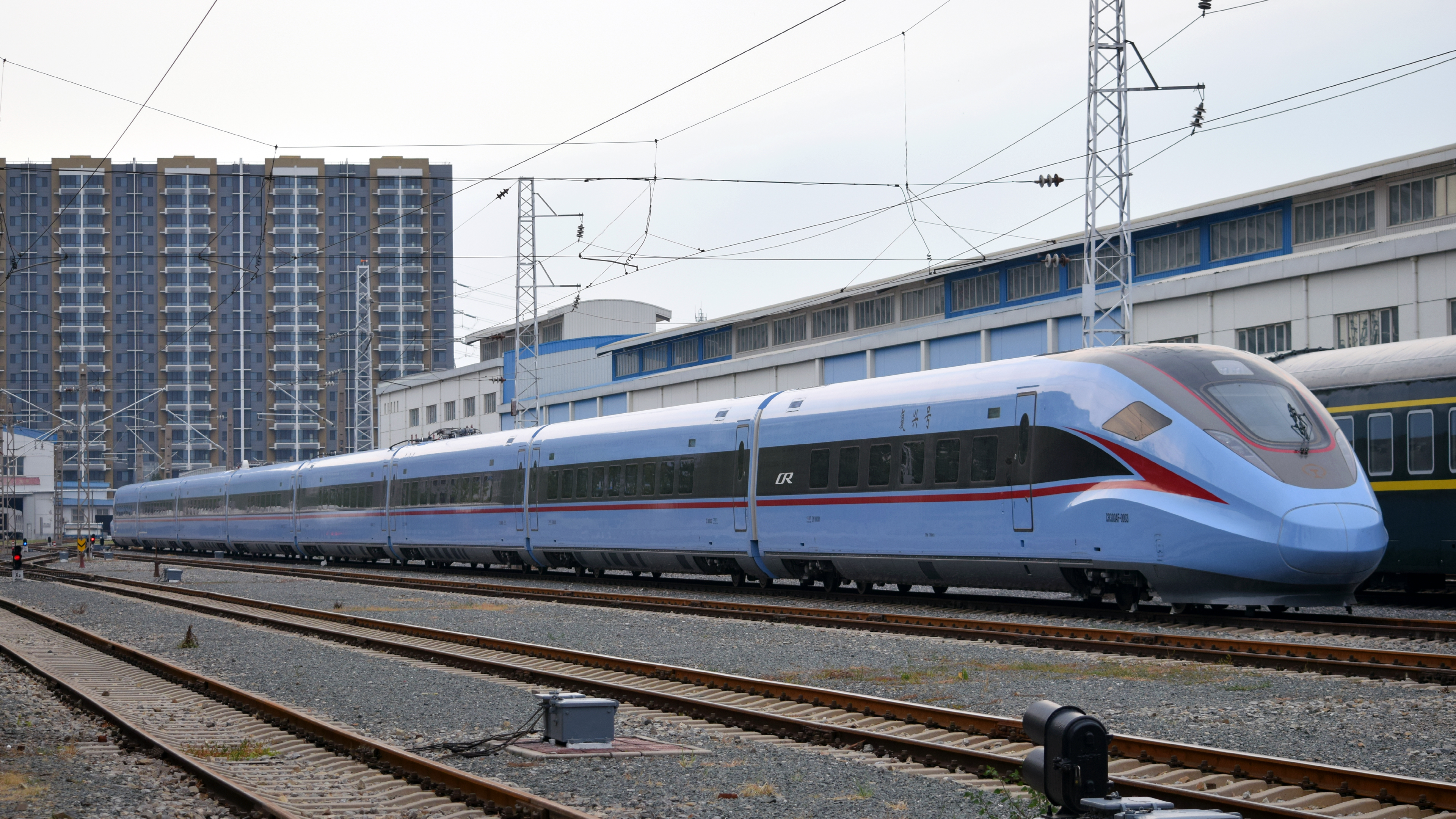
Thailand is introducing a new high-speed rail network that will change how people experience the country, opening up new possibilities for tourism and economic growth. The project aims to connect major cities, significantly reducing travel times and offering a comfortable alternative to flying or long bus journeys.
The Bangkok-Northeast (Korat) line is the most advanced part of the plan. Other lines, including those linking Bangkok to Chiang Mai and Hua Hin, are in development but behind schedule. Initial projections aimed for completion by 2026, but recent reports suggest a timeframe extending into 2028. As of late 2024, about 35% of the first high-speed rail line is complete, according to Thailand Rail Megaprojects.
The network could substantially impact Thailand tourism. Travelers could easily go from Bangkok to Chiang Mai in a few hours, or take a day trip to Ayutthaya without spending half the day in transit. The government anticipates a tourism surge once the network is operational, spreading benefits beyond popular tourist spots. This is a large undertaking with hurdles, but the vision is a more connected and accessible Thailand.
Large-scale infrastructure projects often face delays and cost overruns. The Thai government aims to finalize high-speed rail tenders by 2026, according to Nation Thailand, but the completion date may change. The next few years will be important in determining the project's success.
Routes and Stations: Where Will It Go?
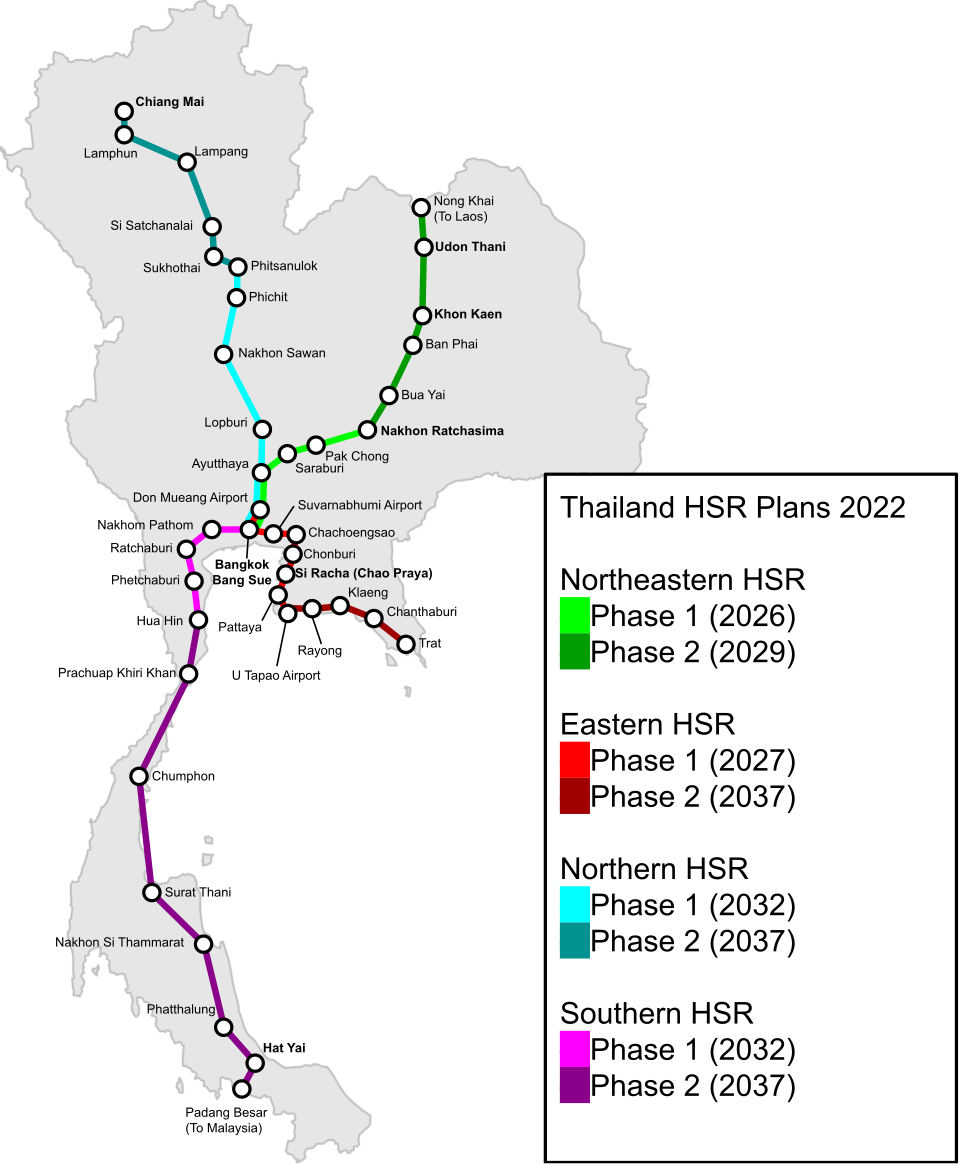
The high-speed rail network is being developed in phases with key routes planned. The Bangkok-Northeast (Korat) line is the priority, stretching about 250 kilometers. This line will connect Bangkok with Nakhon Ratchasima (Korat), a gateway to the northeastern region of Thailand, Isan. Stations along this route include Bang Sue Grand Station (the main hub in Bangkok), Ayutthaya, Saraburi, and Pak Chong.
Bang Sue Grand Station is intended to be the central interchange for all high-speed rail lines, connecting to the airport rail link and Bangkok MRT subway system. This station represents a significant investment in transportation infrastructure. Beyond the Bangkok-Northeast line, plans are underway for routes to Chiang Mai, Phitsanulok, and Khon Kaen.
The Bangkok-Chiang Mai line will traverse a longer distance and potentially face challenging terrain. The exact route is still being finalized, with key stations anticipated in Phitsanulok and Lampang. Another proposed line will connect Bangkok with Hua Hin, a beach resort town, offering an alternative to road travel. This line is expected to serve Nakhon Pathom and Ratchaburi.
Future expansions are being considered, potentially extending the network to Laos and Malaysia. These expansions would transform Thailand into a regional transportation hub, boosting tourism and trade. These expansions are in the planning stages and show the long-term vision for the network. The Thailand Rail 2026 conference in March 2026 will likely provide updates.
Ticketing and Pricing: What to Expect
Details about the ticketing system are emerging and expected to integrate with existing rail networks. Passengers will likely book tickets online via a website or mobile app, or at stations. A goal is to create a seamless travel experience, allowing passengers to connect between different transportation modes.
Exact ticket prices are difficult to predict, as they will depend on distance, class of service (standard, first class, etc.), and demand. Based on comparisons with similar high-speed rail systems, prices may range from about 300 to 1,000 baht for a one-way trip between Bangkok and Korat. Prices for longer routes, like Bangkok to Chiang Mai, will likely be higher.
The operating company may offer discounts for early booking, frequent travelers, or group bookings. A loyalty program could reward regular passengers. The aim is to make high-speed rail an attractive and affordable option for tourists and locals. Integration with existing rail passes is yet to be determined.
The government wants to avoid pricing tickets so high they become inaccessible. Balancing affordability with recouping the infrastructure investment will be a challenge. Official announcements on ticketing and pricing are expected closer to the launch date, with a tiered system offering different comfort and service levels at varying price points.
Thailand High-Speed Rail vs. Existing Transport Options (Estimated 2026)
| Route | Mode of Transport | Estimated Travel Time | Estimated Cost | Convenience & Comfort | Environmental Impact |
|---|---|---|---|---|---|
| Bangkok to Chiang Mai | High-Speed Rail | Approximately 5-6 hours | Potentially Moderate to High (pricing not yet finalized) | High - Modern carriages, dedicated seating, onboard amenities. | Lower than flying, comparable to or slightly higher than regular train. |
| Bangkok to Chiang Mai | Plane | Approximately 1 hour 15 minutes (flight time) + travel to/from airports | Moderate to High (varies significantly with airline and booking time) | Moderate - Airport procedures can be time-consuming. Comfort varies by airline. | Highest carbon footprint. |
| Bangkok to Chiang Mai | Regular Train | Approximately 11-13 hours | Low to Moderate | Basic comfort, can be crowded, limited amenities. | Lower than flying, moderate compared to high-speed rail. |
| Bangkok to Chiang Mai | Bus | Approximately 8-10 hours | Low | Variable - comfort depends on bus class. Can be cramped. | Moderate - higher than train, lower than plane. |
| Bangkok to Korat (Nakhon Ratchasima) | High-Speed Rail | Approximately 1.5 - 2 hours | Potentially Low to Moderate (pricing not yet finalized) | High - Modern carriages, frequent departures. | Lower than flying, comparable to or slightly higher than regular train. |
| Bangkok to Korat (Nakhon Ratchasima) | Regular Train | Approximately 4-6 hours | Low | Basic comfort, slower speed. | Lower than flying and bus. |
| Bangkok to Korat (Nakhon Ratchasima) | Bus | Approximately 3-4 hours | Low | Variable comfort, depending on bus class. | Moderate. |
| Bangkok to Ayutthaya | High-Speed Rail | Approximately 45 minutes - 1 hour | Potentially Low | High - Quick and comfortable connection. | Lower than other options. |
Illustrative comparison based on the article research brief. Verify current pricing, limits, and product details in the official docs before relying on it.
Connecting to Tourist Hubs: Last-Mile Solutions
The high-speed rail stations will serve as major transportation hubs, but getting from the station to your final destination will require connecting transportation. At key stations like Ayutthaya and Pak Chong, you can expect to find a range of options, including buses, taxis, ride-sharing services like Grab, and local trains. However, the availability and convenience of these options will vary.
In Ayutthaya, for example, there are already established bus routes connecting the railway station to the historical park. Taxis and tuk-tuks are also readily available. Pak Chong, near Khao Yai National Park, will likely see an increase in shuttle services catering to tourists visiting the park. The success of the high-speed rail will depend, in part, on how well these 'last-mile' connections are facilitated.
The Thai government is aware of this challenge and is planning infrastructure improvements to enhance connectivity. This includes the development of dedicated bus terminals at major stations, improved signage, and potentially even airport links. For example, plans are being considered to link Bang Sue Grand Station directly to Suvarnabhumi Airport, providing a seamless transfer for international travelers.
However, in smaller towns and cities, the availability of connecting transportation may be more limited. Travelers should research their options in advance and be prepared to rely on taxis or ride-sharing services. The development of more comprehensive transportation networks around the high-speed rail stations will be an ongoing process, and it will take time to fully integrate the new network with existing infrastructure.
Station Transport Options
- Bang Sue Grand Station (Bangkok) - Extensive options include the MRT Blue Line and Red Line directly connecting. Airport Rail Link provides access to Suvarnabhumi Airport. Numerous taxis and ride-sharing services (Grab) are readily available. Local buses connect to various parts of the city.
- Ayutthaya Station - Local buses serve Ayutthaya city center and surrounding historical parks. Songthaews (red trucks) are a common and affordable option for shorter distances. Taxis are available but less frequent. Grab is operational.
- Saraburi Station - Primarily served by local buses connecting to Saraburi town. Songthaews offer transport to nearby attractions. Taxi services are available, though less plentiful than in larger cities.
- Pak Chong Station (Nakhon Ratchasima) - This station provides access to Khao Yai National Park. Songthaews are a popular choice for park access. Taxis and motorbike taxis are available. Local buses connect to Pak Chong town.
- Nakhon Ratchasima Station - Well-connected to Nakhon Ratchasima city via songthaews and local buses. Taxis are available at the station. Ride-sharing apps like Grab operate in the city.
- Khon Kaen Station - Local buses provide connections to Khon Kaen city center and other districts. Songthaews are a common mode of transport. Taxis and Grab are readily available.
- Udorn Thani Station - Local buses connect to Udorn Thani city. Songthaews offer transport within the city and to nearby areas. Taxi services and Grab are available.
Impact on Travel: How It Changes Your Trip
The high-speed rail network promises to revolutionize travel within Thailand. Currently, getting from Bangkok to Chiang Mai involves a flight of around 75 minutes or an overnight bus journey of 10-12 hours. The high-speed rail is expected to reduce travel time to approximately 3-4 hours, offering a comfortable and convenient alternative. This opens up the possibility of exploring multiple destinations in a single trip.
Consider this example itinerary: Spend a day exploring the ancient temples of Ayutthaya, then take a high-speed train to Korat in the afternoon. From Korat, you can easily access Khao Yai National Park for a weekend of hiking and wildlife spotting. This kind of multi-destination trip would be much more challenging and time-consuming without the high-speed rail. Another option would be a day trip from Bangkok to Kanchanaburi, made much easier with faster rail connections.
The cost savings compared to flying are also significant. While the exact ticket prices are still unknown, it’s likely that a high-speed rail ticket will be cheaper than a plane ticket, especially when factoring in airport transportation and baggage fees. This makes the high-speed rail a particularly attractive option for budget-conscious travelers. The convenience of avoiding airport security lines and potential flight delays is another major benefit.
Furthermore, the high-speed rail will make it easier to explore lesser-known destinations in Thailand. By providing faster and more affordable access to these areas, it will encourage tourists to venture beyond the traditional tourist hotspots. This could lead to a more sustainable and equitable distribution of tourism revenue throughout the country. It really will change how many people decide to approach their Thailand trip planning.
Delays and Realities: What Could Go Wrong?
While the vision for Thailand’s high-speed rail network is ambitious and promising, it’s important to be realistic about the challenges that lie ahead. The project has already faced several delays and cost overruns, and further setbacks are possible. Factors such as land acquisition issues, environmental concerns, and bureaucratic hurdles could all contribute to delays.
The initial target completion date of 2026 is looking increasingly unlikely, with many experts now predicting a launch in 2028 or even later. Any further delays could significantly increase the cost of the project and erode public confidence. Integration with existing infrastructure is another potential challenge. Ensuring seamless connections between the high-speed rail and other modes of transportation will require careful planning and coordination.
There’s also the possibility that ticket prices could be higher than initially anticipated. If the operating company is unable to attract enough passengers at affordable prices, it may need to increase fares to cover its costs. This could make the high-speed rail less attractive to budget-conscious travelers. It’s also worth noting that the network may not be fully operational for several years after the first line opens.
Managing expectations is crucial. While the high-speed rail has the potential to transform travel in Thailand, it’s important to remember that it’s still a work in progress. Travelers should stay informed about the latest developments and be prepared for potential disruptions. It's a large-scale project, and unforeseen issues are almost guaranteed to arise.
Beyond the Rails: Regional Development
The impact of the high-speed rail network extends far beyond faster transportation. It’s expected to stimulate economic growth and development in the regions it serves, particularly in smaller cities and towns along the routes. By providing improved connectivity, the rail network will make these areas more accessible to tourists and investors.
This increased accessibility could lead to a surge in tourism, creating new jobs and opportunities in the hospitality sector. Local businesses, such as restaurants, hotels, and souvenir shops, are likely to benefit from the influx of visitors. The rail network could also attract new investment in infrastructure and real estate, further boosting economic growth. Korat, for example, is expected to become a major regional hub as a result of the high-speed rail connection.
The potential for increased investment and job creation is particularly significant in the northeastern region of Thailand (Isan), which has historically been less developed than other parts of the country. The rail network could help to bridge the economic gap between Isan and the rest of Thailand, promoting greater regional equity. It will also allow for a better distribution of tourism income.
However, it’s important to ensure that the benefits of the high-speed rail are shared equitably. Local communities need to be involved in the planning process to ensure that their needs and concerns are addressed. Sustainable tourism practices should be promoted to minimize the environmental impact of increased tourism. The long-term success of the project will depend on its ability to contribute to inclusive and sustainable development.
Which destination are you most excited to visit using Thailand's new high-speed rail network in 2026?
The upcoming high-speed rail network aims to significantly reduce travel times across the country. Select the destination you are most looking forward to exploring via this new infrastructure.


No comments yet. Be the first to share your thoughts!