

Thailand’s Festival Year: A 2026 Preview
Thailand’s cultural heart beats strongest during its festivals. These aren't just tourist attractions; they’re deeply woven into the fabric of daily life, marking seasons, honoring beliefs, and celebrating community. In 2026, as in years past, Thailand will be alive with festivities throughout the year, offering visitors a unique window into Thai traditions. Many dates are determined by the lunar calendar, so slight variations are common, making it a good idea to confirm specifics closer to the time.
The celebrations range from national holidays like the King’s Birthday to seasonal events like Songkran and smaller, local festivals. Whether it's Buddhist observances or rocket festivals, there's something for everyone. Participating, not just observing, is key to understanding the spirit of these events.
Before you go, remember that respect is paramount. Dress modestly when visiting temples – cover your shoulders and knees. Be mindful of your behavior during religious ceremonies. Researching local customs and learning a few basic Thai phrases, like sawasdee (hello) and khop khun (thank you), will be appreciated. Show genuine interest and humility.

January - March: Welcoming the New Year & Floral Beauty
January to March offers a pleasant climate for exploring Thailand and its early-year festivals. Chinese New Year, usually in late January or February, is a major celebration, especially in Bangkok’s Chinatown and cities like Phuket. Expect parades, lion dances, and red decorations for good luck.
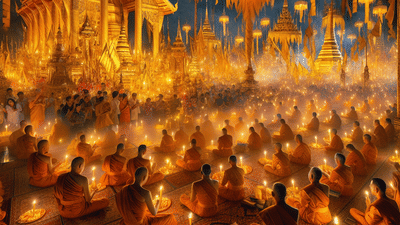
Makha Bucha, a Buddhist festival, usually occurs in February, commemorating a gathering of 1,250 disciples of the Buddha. Many Thais visit temples to make merit, listen to sermons, and participate in rituals. It’s a peaceful and reflective time to observe Buddhist practices. Find local temple schedules through the Tourism Authority of Thailand website.
For something different, consider the Pak Khong River Whale Watching Festival in Loei Province, usually in February. This event celebrates the Irrawaddy dolphins in the Mekong River. It’s a local affair with boat races, cultural performances, and a focus on conservation. Getting there requires some effort, but it’s worth it for an authentic experience. Transportation options include buses from Bangkok or flying to Loei Airport.
Songkran: Thailand’s Most Famous Water Fight
Songkran, the Thai New Year, takes place from April 13th to 15th. While known for its water fights, Songkran’s origins are in Buddhist tradition. Originally, water was gently poured over elders as a sign of respect and to wash away bad luck. It has evolved, but the core meaning remains.
Chiang Mai is famous for its large and lively Songkran celebrations, lasting several days. The city transforms into a water park with people using water guns, buckets, and hoses. Be prepared to get soaked! Songkran is celebrated throughout the country with regional variations. Some areas focus on temple visits and traditional ceremonies, while others embrace the water fights.
Safety is important during Songkran. Protect electronics in waterproof bags, be mindful of traffic (especially when roads are wet and crowded), and avoid drinking and driving. Be respectful of elders and monks – don’t drench them directly. Ask before splashing someone. While water fights are fun, Songkran is a time for renewal and respect. The Tourism Authority of Thailand (TAT) usually publishes safety guidelines each year.
- Songkran Safety Timeline:
- April 13th: Gentle water pouring ceremonies, temple visits.
- April 14th-15th: Full-blown water fights, street parties.
- Always be aware of your surroundings and belongings.
May - July: Rocket Festivals & Rainy Season Rites
As the rainy season begins, Thailand’s festivals shift to reflect the changing climate. The Bun Bang Fai Rocket Festival in Yasothon Province (usually in May) is a spectacular event. Homemade rockets are launched into the sky to encourage rainfall and ensure a good harvest. It’s a boisterous and colorful affair with parades, music, and local food and drink.
Visakha Bucha, usually in May or June, is an important Buddhist holiday. It commemorates the birth, enlightenment, and death of the Buddha. Temples are filled with worshippers, and many Thais spend the day in meditation and prayer. It’s a solemn and peaceful occasion offering a glimpse into Buddhist beliefs.
Traveling during the rainy season (roughly May to October) requires more planning. Pack a lightweight raincoat, waterproof shoes, and quick-drying clothes. Be prepared for occasional transportation disruptions, particularly in rural areas. The rain often comes in short bursts, and the landscapes are lush and green. You’ll encounter fewer crowds and potentially lower prices.
Loy Krathong & Yi Peng: Lanterns & Floating Blessings
November is the time for Loy Krathong and Yi Peng, two of Thailand’s most visually stunning festivals. Loy Krathong, celebrated nationwide, involves releasing krathongs – beautifully decorated floating offerings – onto rivers and waterways. These krathongs symbolize letting go of negativity and paying respect to the water goddess, Phra Mae Khongkha.
Yi Peng, primarily celebrated in Northern Thailand, particularly Chiang Mai, involves the release of khom loy – lanterns into the sky. The sight of thousands of lanterns ascending into the night is truly breathtaking. The lanterns symbolize letting go of bad luck and making wishes for the future. Both festivals are deeply spiritual and offer a sense of peace and wonder.
Responsible tourism is crucial during Loy Krathong and Yi Peng. Use biodegradable krathongs made from natural materials, avoiding those made from plastic or styrofoam. When releasing lanterns, choose a safe location away from airports and power lines. Avoid overcrowded areas to minimize your impact on the environment and local communities. Consider supporting local artisans who make traditional krathongs and lanterns.
- Loy Krathong & Yi Peng FAQ:
- What is a krathong? A decorated floating offering made from natural materials.
- What is a khom loy? A lantern released into the sky.
- Where is the best place to experience Yi Peng? Chiang Mai is the most famous location.
December: A Royal Celebration & Regional Fairs
December marks the King’s Birthday (December 5th), a national holiday celebrated with parades, ceremonies, and displays of loyalty. It’s a time of national pride and reverence for the monarchy. Many Thais will wear yellow – the color associated with the King – and participate in charitable activities.
Throughout December, various regional winter festivals and fairs take place across the country. These events offer a chance to sample local cuisine, purchase handicrafts, and enjoy cultural performances. The pleasant weather makes it an ideal time to explore different parts of Thailand.
December is a popular time to visit Thailand, so booking accommodations and transportation in advance is highly recommended. Prices tend to be higher during this peak season. Consider exploring lesser-known destinations to avoid the crowds and experience a more authentic side of Thailand.
Experiencing Festivals Like a Local: Etiquette & Tips
To truly experience Thai festivals like a local, it’s essential to be mindful of etiquette and customs. Dress modestly when visiting temples or participating in religious ceremonies – cover your shoulders and knees. Remove your shoes before entering temples and private homes. Avoid pointing your feet at people or sacred objects.
Gift-giving is common during festivals, particularly when visiting someone’s home. Small tokens of appreciation, such as fruit, flowers, or sweets, are always well-received. Learning a few basic Thai phrases, such as sawasdee (hello), khop khun (thank you), and mai pen rai (you’re welcome), will demonstrate your respect and willingness to engage with the local culture.
Be wary of scams targeting tourists during festivals. Avoid overly aggressive vendors, and be cautious about accepting unsolicited offers of help. If something seems too good to be true, it probably is. Trust your instincts and don’t be afraid to politely decline unwanted attention. Remember, humility and open-mindedness are key to a rewarding and respectful travel experience.
- Festival Checklist:
- Appropriate attire (modest clothing for temples)
- Small gifts for hosts
- Basic Thai phrases
- Waterproof bag for electronics
- Sunscreen and hat
- Respectful attitude



No comments yet. Be the first to share your thoughts!