

Best time to visit Thailand by region
Use this section to make the Thai Trip Lover decision easier to compare in real life, not just on paper. Start with the reader's actual constraint, then separate must-have requirements from details that are merely nice to have. A practical choice should survive normal use, maintenance, timing, and budget. If a recommendation only works in an ideal situation, call that out plainly and give the reader a fallback path.
| Factor | What to check | Why it matters |
|---|---|---|
| Fit | Match the option to the primary use case. | A good deal still fails if it does not fit the job. |
| Condition | Verify age, wear, and service history. | Hidden condition issues erase upfront savings. |
| Cost | Compare purchase price with likely upkeep. | The cheapest option is not always the lowest-cost option. |
Bangkok’s essential temples and markets
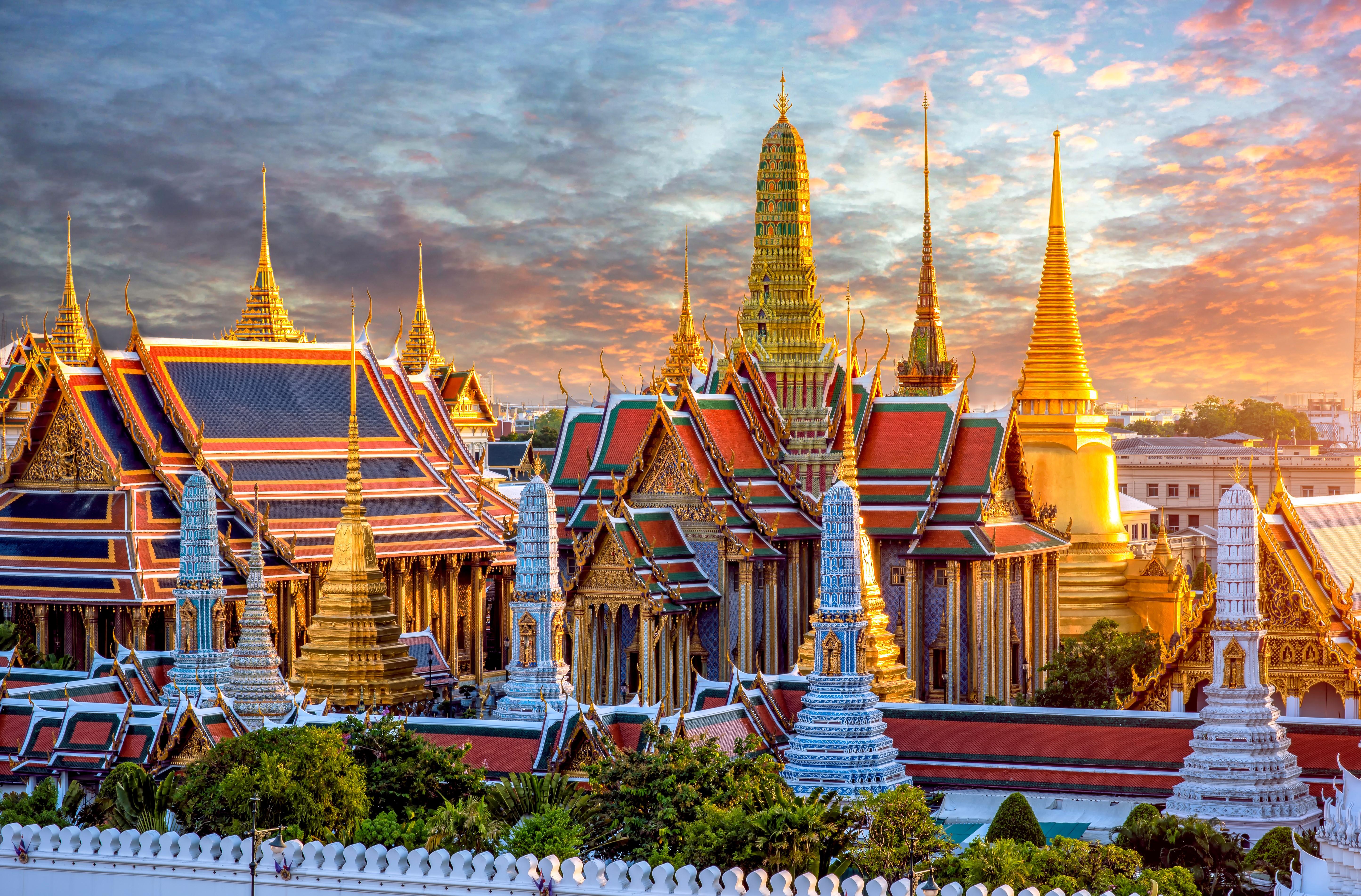
Bangkok’s historic core moves fast. To see the major sites without burning out, follow this walkable loop that connects the Grand Palace, Wat Pho, and a floating market in a single morning.
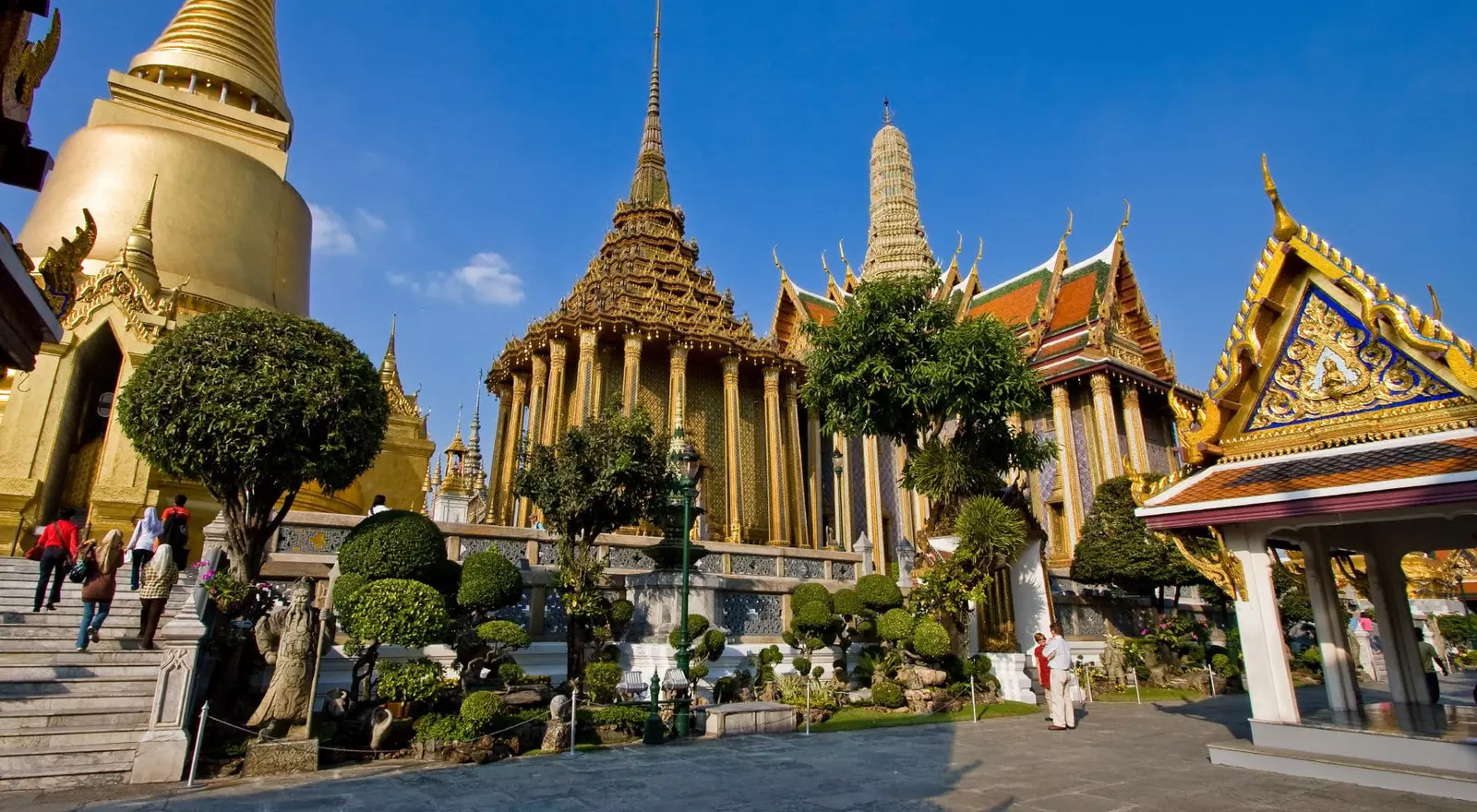
Arrive by 8:30 a.m. to beat the heat and the tour bus crowds. Wear long pants and covered shoulders to enter. Spend 90 minutes here; the architecture is stunning, but the lines get long. Exit through the back gate to avoid the main entrance queue for your next stop.
A five-minute walk along the river brings you to Wat Pho, home to the 46-meter Reclining Buddha. The complex is less chaotic than the Grand Palace. Take your time here; the courtyard is lined with hundreds of smaller Buddha images and the famous massage school. Allocate 45 minutes.
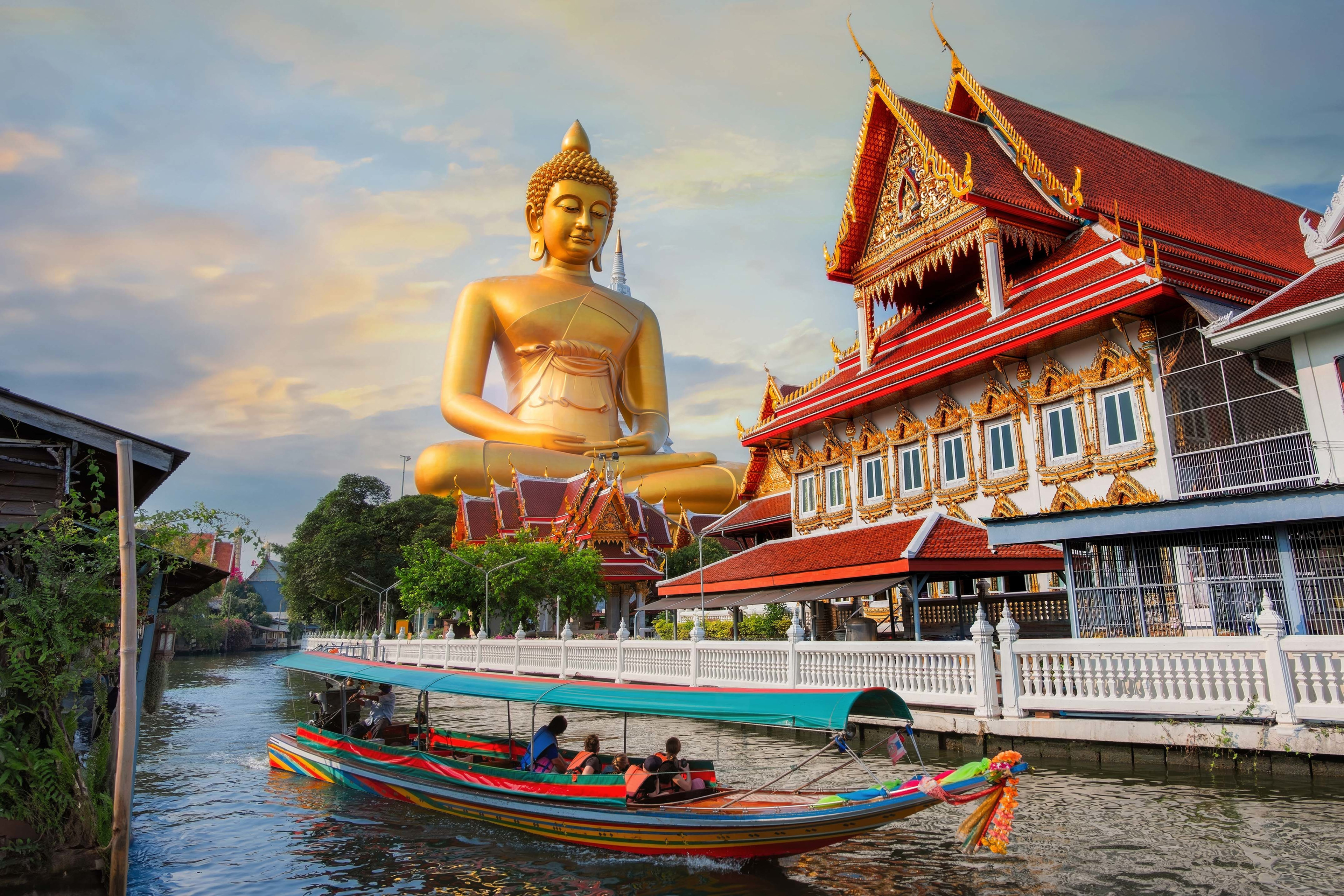
From Wat Pho, take a small long-tail boat (10 baht) across the Chao Phraya River to Wat Arun. This temple’s porcelain-covered spires are best viewed from the west bank. Climb the steep steps for a view of the river traffic. Spend 30 minutes here before heading back.
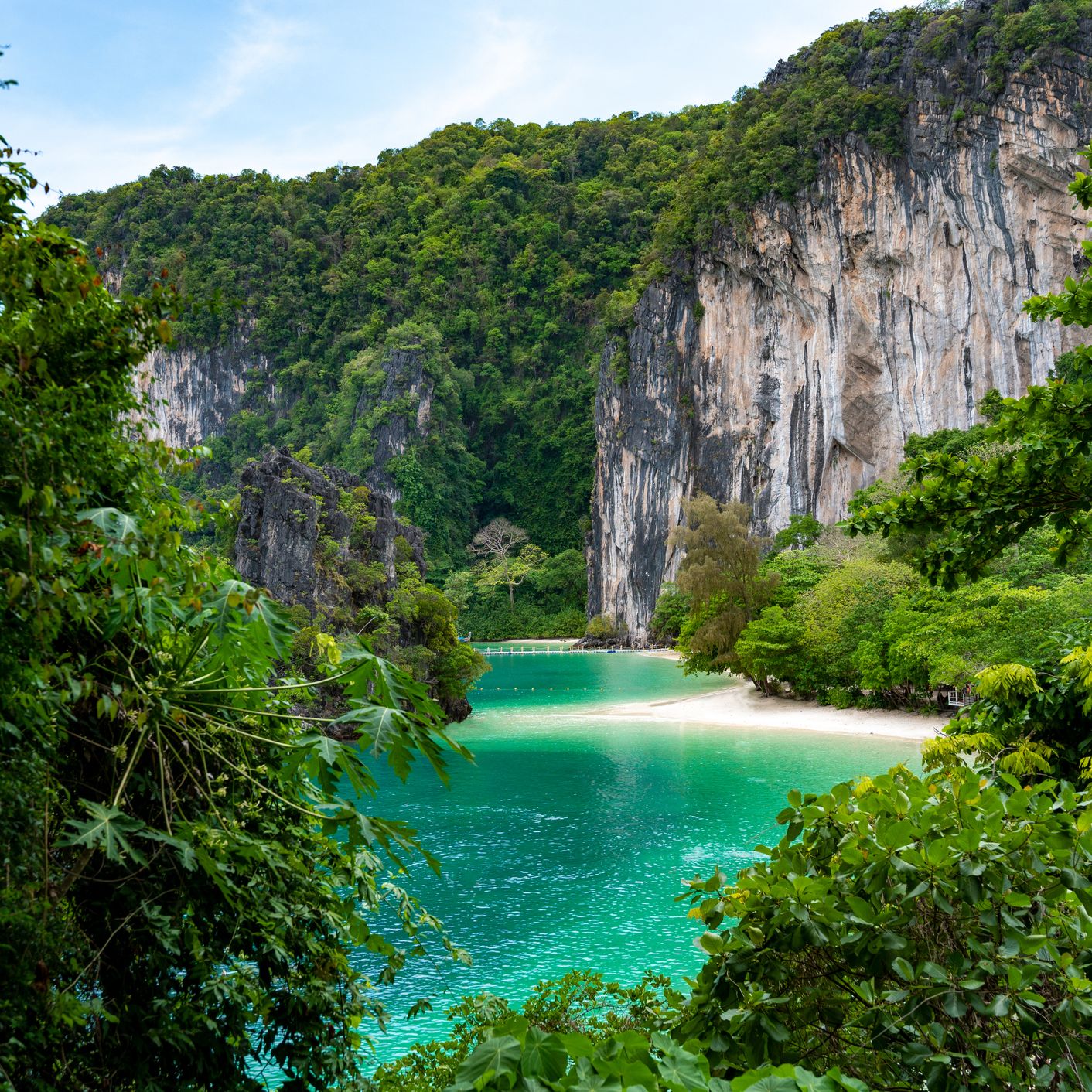
Take a taxi or Grab from Wat Arun to Damnoen Saduak (about 1.5 hours away). This is the most famous floating market, and while touristy, it offers a unique glimpse into traditional boat-based commerce. Buy fruit from the vendors and try a coconut ice cream. Return to Bangkok by 2 p.m. to avoid the worst of the afternoon rush hour.
This route covers the three most iconic landmarks in a logical geographic flow. By starting early and using the river for transit, you minimize traffic stress and maximize sightseeing time. Keep water handy and wear comfortable shoes for the temple stairs.
Chiang Mai and Chiang Rai: Temples, Hills, and Elephants
The northern provinces form the cultural backbone of Thailand, offering a cooler climate and a slower pace than the south. Chiang Mai serves as the primary hub for this region, anchoring a network of historic temples and mountain villages. Chiang Rai lies about three hours north, known for its striking contemporary art and white-washed architecture. Most travelers split their time between these two cities to experience the full range of northern heritage.
Chiang Mai: Old City and Doi Suthep
Start your northern journey in Chiang Mai’s Old City, a grid of streets enclosed by ancient moats. The main draw is Wat Phra Singh and Wat Chedi Luang, where Lanna-style spires dominate the skyline. From the city center, take a red songthaew or a private taxi up to Doi Suthep. The 300-step Naga staircase leads to Wat Phra That Doi Suthep, a golden chedi that offers panoramic views of the valley below. Visit early in the morning to avoid the heat and the midday tour crowds.
For a change of pace, head to the Doi Suthep-Pui National Park or the nearby Mae Rim district. This area is home to the Elephant Nature Park, a sanctuary that prioritizes ethical observation over riding. You can spend half a day feeding and bathing rescued elephants in their natural habitat. The experience is more expensive than standard tourist attractions but supports a conservation-focused model that avoids direct animal exploitation.
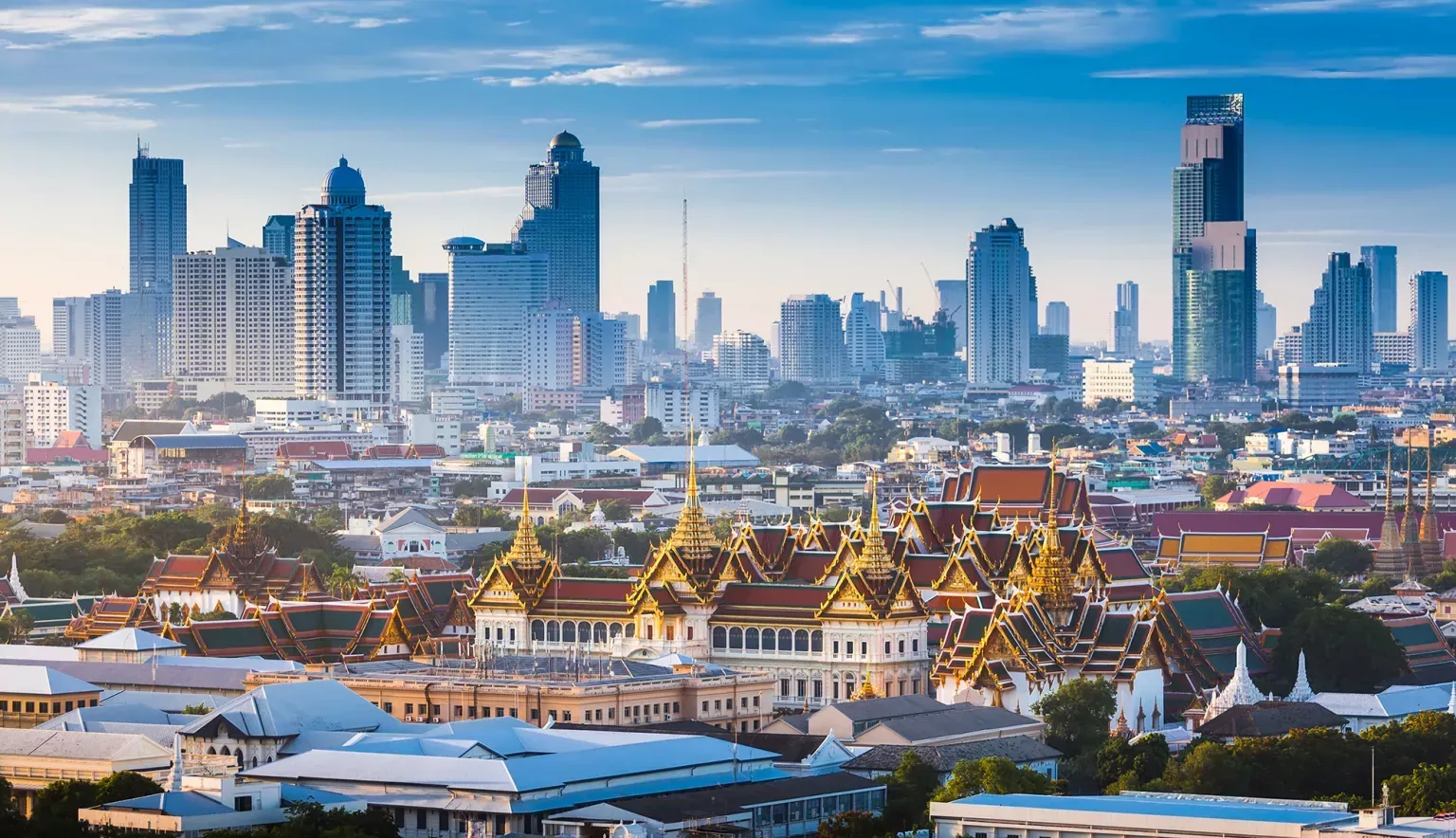
Chiang Rai: White Temple and Blue Temple
The drive from Chiang Mai to Chiang Rai takes roughly three hours via Highway 118. The destination is best known for two modern temples that have become national icons. Wat Rong Khun, or the White Temple, is a surreal, all-white structure designed by artist Chalermchai Kositpipat. Its intricate blue accents and contemporary pop-culture murals make it one of the most photographed sites in the country.
Just down the road is Wat Rong Seur Ten, the Blue Temple. It features deep blue interiors and vibrant murals depicting Buddhist cosmology. Unlike the busy White Temple, the Blue Temple is often quieter, allowing for a more reflective visit. Combine both sites into a single day trip from Chiang Rai town. If you have an extra day, visit the Black House (Baan Dam) to see a unique collection of modern art and traditional northern architecture.
Andaman Sea vs Gulf of Thailand: Picking Your Island Base
Choosing between the Andaman Sea and the Gulf of Thailand is the first major logistical decision for any Thailand itinerary. The difference isn't just geography; it's about which monsoon season you are fighting. The Andaman coast (Phuket, Phi Phi, Krabi) offers dramatic limestone karsts and world-class diving, while the Gulf (Koh Samui, Koh Phangan, Koh Tao) provides a different set of island vibes with easier access from Bangkok.
The critical factor is timing. The Andaman Sea has its best weather from November to April, while the Gulf remains swimmable and sunny from December to August. If you are traveling during the shoulder months of May or September, the Gulf is almost always the safer bet for clear skies and calm seas. Picking the wrong coast during the monsoon can mean rough ferry rides and rain-soaked holidays.
Side-by-Side Comparison
Use this table to quickly match your travel dates with the right destination. The Andaman is best for winter sun, while the Gulf dominates the summer months.
| Feature | Andaman Coast | Gulf Coast | Best Months |
|---|---|---|---|
| Primary Vibe | Dramatic cliffs, big resorts, backpacker hubs | Relaxed islands, nightlife, diving | Both |
| Monsoon Season | May–October (rough seas) | November–February (wetter) | - |
| Diving Quality | World-class, big marine life | Great for beginners, turtle spotting | - |
| Travel from Bangkok | Fly to Phuket or Krabi | Fly to Samui or Surat Thani | - |
| Nightlife | Patong (Phuket) is intense | Haad Rin (Phangan) is legendary | - |
Geographic Context
The two island groups are separated by the Thai mainland, which requires different flight paths to reach. The Andaman islands are accessed via Phuket or Krabi airports, while the Gulf islands typically route through Samui or Surat Thani. Understanding this separation helps in planning multi-island itineraries without backtracking.
Beyond the Masses: Authentic Thai Alternatives
Skip the crowded beaches of Phuket and the party hubs of Koh Phi Phi. These lesser-known destinations offer the same stunning landscapes and rich culture without the overwhelming tourist traffic, allowing for a more immersive experience of the real Thailand.
Kanchanaburi: History and Nature
Located just a few hours west of Bangkok, Kanchanaburi is perfect for travelers interested in history and nature. Visit the Bridge on the River Kwai and explore the local caves. The region offers excellent hiking and river activities, providing a quieter alternative to the south.
Pai: Mountain Retreat
Nestled in the mountains of northern Thailand, Pai is a small town known for its relaxed vibe and scenic beauty. It’s ideal for those seeking peace, with hot springs, waterfalls, and a charming night market. The drive to Pai is an adventure in itself, winding through lush landscapes.
Koh Lanta: Tranquil Island Life
Koh Lanta, south of Krabi, offers a laid-back island experience. The beaches are wide and clean, and the atmosphere is far more relaxed than neighboring islands. It’s a great spot for reading, swimming, and enjoying fresh seafood without the crowds.
Finalize your Thai Trip Lover itinerary
Before you book the final flights, lock in your entry requirements. Most travelers qualify for visa-exempt entry, but always verify the latest rules with the Royal Thai Embassy to avoid last-minute surprises at immigration. Your visa status is the foundation of a smooth Thai Trip Lover experience.
Book your intercity flights or overnight trains at least a month out. Domestic carriers fill quickly during peak season, and train sleeper cabins sell out days ahead. Use the 12Go.asia platform to compare schedules and secure your preferred departure times.
Bring lightweight, breathable clothing that covers shoulders and knees for temple visits. A sarong doubles as a skirt, blanket, or beach towel. Pack a universal power adapter and a portable power bank for long transit days.
Download offline maps for areas with spotty signal. Set up your banking app for travel notifications and note down your bank’s international support line. Keep digital copies of your passport and insurance policy in a secure cloud folder.
-
Passport valid 6+ months
-
Travel insurance policy printed
-
Visa approval (if required)
-
InterCity transport tickets
-
Hotel first-night confirmation
-
Local currency (THB) exchanged
Frequently asked questions about Thailand travel
How many days do I need for a first-time Thailand itinerary? Seven to ten days is the sweet spot for a first visit. This timeframe allows you to split your trip between Bangkok’s cultural sites and one beach region, such as Phuket or Krabi, without spending your entire vacation in transit. If you want to add islands like Koh Samui or Chiang Mai in the north, aim for at least two weeks to keep the pace relaxed.
What is the best time of year to visit Thailand? The cool and dry season, running from November to February, offers the most comfortable weather for exploring temples and beaches. Temperatures are milder, and humidity is lower. The hot season (March–May) can be intense, while the rainy season (June–October) brings frequent afternoon showers but fewer crowds and lower prices.
Which animal is mostly found in Thailand? The Asian elephant is the most iconic and widely recognized animal in Thailand, deeply embedded in the country’s history and culture. While wild populations are small and protected in national parks like Khao Yai, elephants are commonly seen in ethical sanctuaries where you can observe them in more natural settings.
Do I need a visa for Thailand? Many travelers from countries like the US, UK, Canada, and Australia can enter visa-free for stays up to 30 or 60 days, depending on current regulations and passport type. Always check the latest entry requirements with the Royal Thai Embassy before booking, as policies can shift. Travelers planning to stay longer or for work will need to apply for the appropriate visa in advance.
Is tap water safe to drink in Thailand? No, tap water is not safe to drink. Always drink bottled or filtered water, even when brushing your teeth. Ice in reputable restaurants and hotels is usually safe because it is made from purified water, but be cautious with street vendor ice that looks unclear or irregularly shaped.
What should I wear to visit temples? Temples (wats) require modest dress: shoulders and knees must be covered for both men and women. Carry a light scarf or sarong to wrap around your waist or shoulders if needed. Remove your shoes before entering any temple building or sacred area. Tight or revealing clothing is considered disrespectful.
No comments yet. Be the first to share your thoughts!