
The best time to visit Thailand 2026
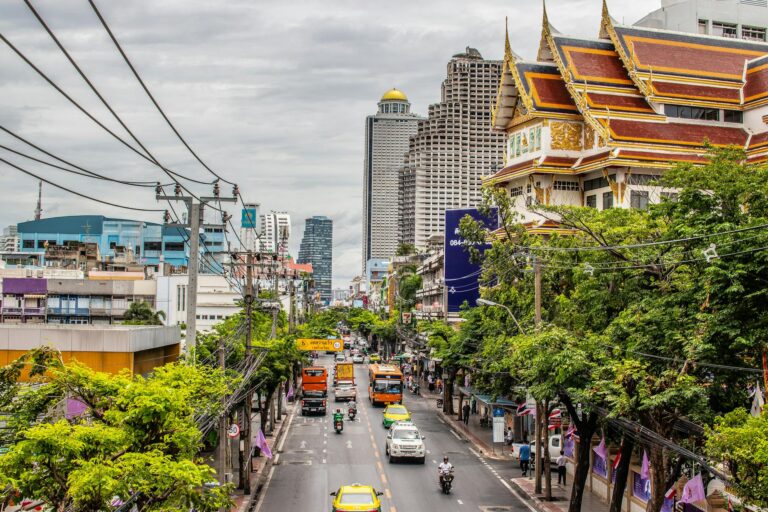
The best time to visit Thailand is generally between November and April. During this window, the country experiences its cool and dry season, offering the most comfortable conditions for exploring bustling cities, relaxing on beaches, and visiting heritage sites. Average temperatures across most regions hover between 25°C and 32°C (77°F–90°F), with low humidity and minimal rainfall making it the ideal period for travel.
Thailand’s geography creates distinct climate zones that influence when you should go. The northern regions, including Chiang Mai, cool down significantly in December and January, with nighttime temperatures sometimes dropping below 15°C (59°F). This is the perfect time for hiking and temple visits without the oppressive heat. Central Thailand, home to Bangkok and Ayutthaya, remains warm year-round but is much more pleasant during the dry season, avoiding the sweltering humidity of the summer months.
The southern coastlines split into two different weather patterns depending on which side of the peninsula you choose. The Andaman Sea coast (Phuket, Krabi, Phi Phi) is at its clearest and calmest from November to April. Meanwhile, the Gulf of Thailand coast (Koh Samui, Koh Phangan, Koh Tao) has its own dry season, typically running from June to August, while experiencing heavier rains from October to December. Planning around these regional differences ensures you avoid the monsoon season in your chosen destination.
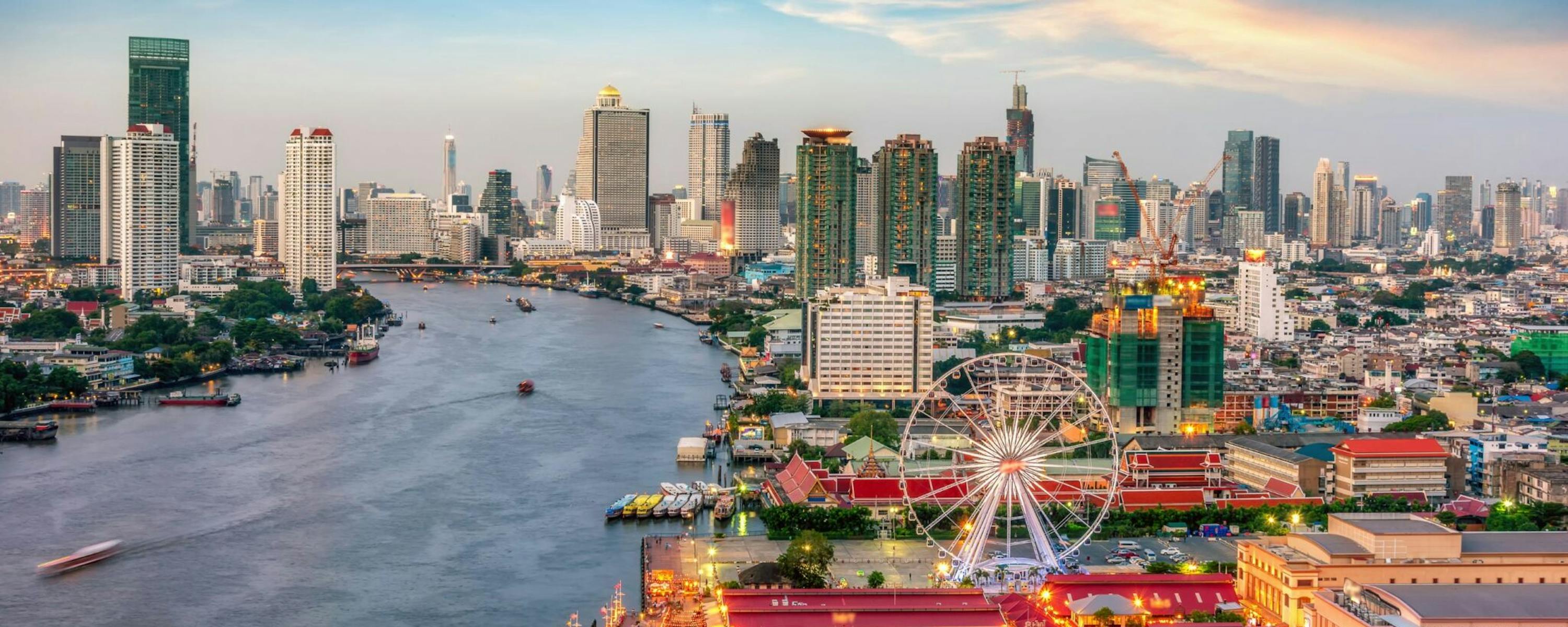
While November to April is the peak tourist season, it also means higher prices for flights and accommodation. If you are traveling on a tighter budget, consider the shoulder months of May or late October. You may encounter occasional rain showers, but the crowds are thinner, and prices drop noticeably. For those seeking specific beach conditions or cultural festivals outside the main dry season, detailed regional breakdowns follow.
Cool season weather and peak crowds
The cool season (November to February) offers the most comfortable conditions for exploring Thailand, but it also brings the highest prices and densest crowds. During these months, daytime temperatures typically hover between 29°C and 34°C with low humidity, making it the ideal window for first-time visitors or multi-stop itineraries. However, this comfort comes at a premium; hotel rates in popular destinations like Phuket and Chiang Mai often double compared to the shoulder months.
If you are traveling during this peak window, expect to pay more for flights and accommodation. Booking at least two to three months in advance is essential to secure reasonable rates. The trade-off is clear: you get reliable weather and full access to all attractions, but you sacrifice some of the budget-friendly flexibility found in the hotter months.
| Metric | Cool Season (Nov-Feb) | Hot Season (Mar-May) |
|---|---|---|
| Avg Temp | 29-34°C | 30-35°C |
| Rainfall | Low | Moderate |
| Price Index | High | Low |
| Crowd Level | Peak | Moderate |
Hot season festivals and quiet beaches
March through May brings the hottest weather of the year, with daytime temperatures often exceeding 35°C (95°F) and high humidity. While this is the least comfortable time for outdoor exploration, it offers a distinct advantage: significantly fewer crowds. Popular temples and national parks are far more accessible, and accommodation prices drop as the peak winter tourist rush ends.
The highlight of this period is Songkran, the Thai New Year celebrated in mid-April. This vibrant water festival turns streets into playful splash zones, particularly in Bangkok, Chiang Mai, and Phuket. Beyond the festivities, the heat drives travelers to the quieter southern islands. While the Andaman Sea (Phuket, Krabi) faces rough seas and potential closures, the Gulf of Thailand (Koh Samui, Koh Phangan, Koh Tao) remains largely dry and ideal for swimming and diving.
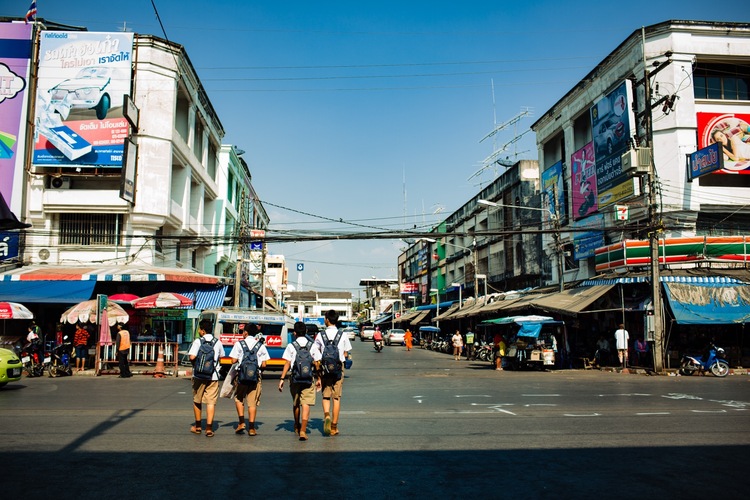
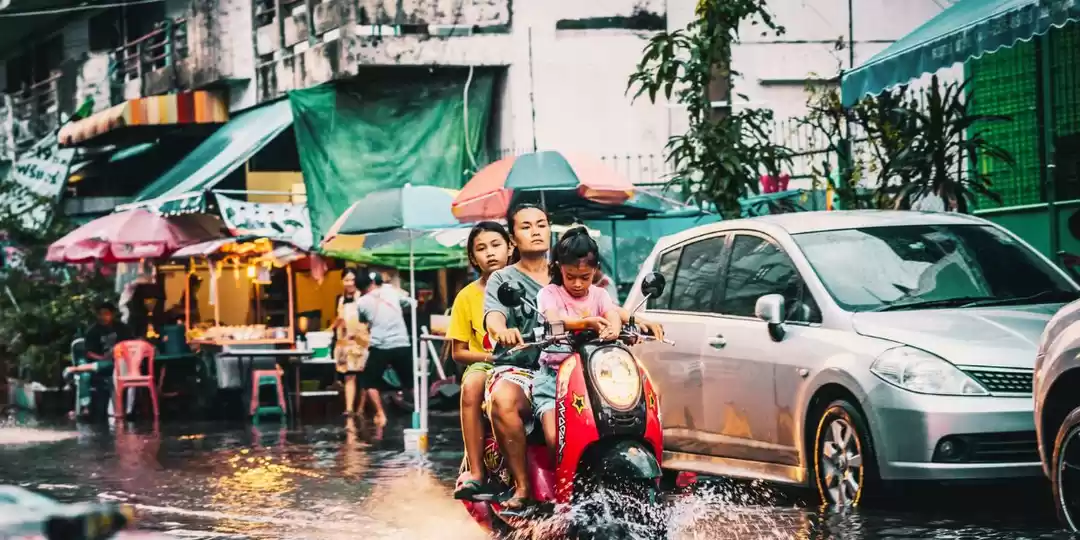
If you can tolerate the heat, the trade-off is worth it for the unique cultural immersion and lower costs. Just be prepared for intense sun; plan activities for early morning or late evening, and stay hydrated. For a visual sense of the vibrant street life during these busy festival periods, see the image below.
Rainy season savings and green landscapes
The monsoon season often gets a bad reputation, but it is rarely a dealbreaker for travelers who know where to look. While the Andaman Coast (Phuket, Krabi) faces heavy rain and rough seas from June to October, the eastern and gulf regions remain accessible. Koh Samui, Koh Phangan, and Koh Tao enjoy relatively drier weather during these months, making them ideal rainy season destinations.
Traveling during the wet months offers significant advantages. Hotel rates can drop by 30-50% compared to peak season, and popular attractions are far less crowded. The landscape is lush and vibrant, with waterfalls at their most powerful. For example, Khao Sok National Park is particularly stunning in the green season, with emerald lakes and dense jungle foliage.
Regional weather patterns
- Gulf Islands (Samui, Phangan, Tao): Best visited October–December. Rain is usually short, intense showers that clear quickly.
- Andaman Coast (Phuket, Krabi): Best visited November–April. June–September sees frequent rain and higher waves, limiting water activities.
- Northern Thailand (Chiang Mai): Rainy season (July–October) brings cooler temperatures and misty mountains, ideal for trekking.
- Bangkok: Rain is common May–October, but the city remains fully operational. Afternoon showers are typical, leaving mornings clear for sightseeing.
2026 festival calendar and local events
Aligning your itinerary with Thailand’s festival calendar transforms a standard vacation into a cultural immersion. The country’s public holidays shift slightly each year based on the lunar cycle, but the major dates remain anchored to specific months. Planning around these events requires balancing the excitement of local celebrations with the reality of increased crowds and higher accommodation rates.
January: Songkran and New Year Aftermath
The year begins with the high-energy New Year’s Eve celebrations in Bangkok and Phuket, followed by the traditional water festival of Songkran in mid-April. While Songkran falls in spring, its planning often starts in January. Travelers seeking the full experience should book accommodations months in advance, as hotels in Chiang Mai and Bangkok fill quickly. The weather is cool and dry, making it the most comfortable time for outdoor festival activities.
May: Visakha Bucha and Royal Ceremonies
May brings Visakha Bucha Day, a significant Buddhist holiday that offers a glimpse into Thai spiritual life. Temples across the country are adorned with lights and flowers, and many Thais observe the five precepts. This is a quieter, more reflective period compared to the water festivals. It is an ideal time for travelers interested in temple architecture and local religious practices without the extreme heat of the pre-monsoon season.
July to October: Buddhist Lent and Rainy Season
The rainy season coincides with the end of Buddhist Lent (Awk Phansa) in October. This period sees fewer tourists, resulting in lower prices for flights and hotels. While rainfall is frequent, it often comes in short, intense bursts, leaving plenty of time for exploration. Local markets remain vibrant, and the landscape is lush and green. Travelers should pack waterproof gear and be prepared for potential ferry cancellations to islands like Koh Phi Phi.
November to December: Loy Krathong and Peak Season
November marks the arrival of Loy Krathong, where thousands of floating lanterns and krathongs (decorative floats) are released onto rivers and lakes. Chiang Mai’s Yee Peng lantern festival is a highlight, though it draws international crowds. December is peak tourist season, with clear skies and comfortable temperatures. Prices for flights and hotels are at their highest, so early booking is essential for those visiting during this window.
Packing list for every season
Your packing list for every season in Thailand depends entirely on which monsoon pattern you are avoiding. The country’s weather is not uniform; what is dry in Bangkok may be flooded in Phuket. Pack light, breathable fabrics and leave room in your suitcase for laundry services, which are inexpensive and widely available.
Temperatures drop to a comfortable 25–30°C (77–86°F) during the day but can dip to 15°C (59°F) in northern mountains like Chiang Mai. Bring a light jacket or sweater for evening temple visits and air-conditioned buses. Mornings are crisp, so long pants are useful for trekking.
This is the hottest period, with humidity pushing temperatures above 35°C (95°F). Pack loose linen or cotton clothing, a wide-brimmed hat, and high-SPF sunscreen. Hydration packs or reusable water bottles are essential for navigating cities without constant air conditioning. Avoid heavy denim or synthetic fabrics that trap heat.
Rain usually comes in heavy afternoon bursts. A compact, packable rain jacket is more practical than an umbrella in windy coastal areas. Quick-dry sandals and waterproof bags for electronics are critical. Note that the Andaman coast (Phuket) sees more rain than the Gulf coast (Koh Samui) during these months, so pack accordingly based on your destination.
Regardless of the season, modest clothing is required for temple visits. Carry a sarong or lightweight scarf to cover shoulders and knees when entering sacred sites. This single item solves the issue of strict dress codes without adding bulk to your luggage.
-
Lightweight rain jacket or compact umbrella
-
Quick-dry clothing for humid days
-
Modest top and sarong for temples
-
High-SPF sunscreen and sunglasses
-
Comfortable walking sandals
-
Waterproof phone case or dry bag
Pack shoes that can handle both paved city streets and potential mud during rain. Sneakers that dry quickly are the most versatile choice. Avoid bringing expensive jewelry or large amounts of cash; Thailand is largely a card-and-digital-payment society in tourist areas, and your hotel safe is sufficient for storing valuables.
Frequently asked: what to check next
Do I need a visa to visit Thailand in 2026?
Most travelers from the US, UK, EU, Australia, and many other countries do not need a visa for short stays. Thailand currently offers visa-free entry for up to 30 days for many nationalities, or a visa exemption that allows a 60-day stay depending on your passport. Always verify the latest entry requirements for your specific citizenship on the official Thai Ministry of Foreign Affairs website before booking.
Is it safe to travel to Thailand right now?
Thailand remains a safe destination for tourists, with low rates of violent crime against visitors. The primary risks are petty theft in crowded areas, traffic accidents, and seasonal health concerns like dengue fever or poor air quality (PM2.5) in northern regions during the dry season (February–April). Exercise standard precautions: use seatbelts, drink bottled water, and avoid riding motorbikes without proper experience and insurance.
How much does a local SIM card cost?
You can buy a prepaid tourist SIM at Bangkok airports (Suvarnabhumi or Don Mueang) or at 7-Eleven stores across the country. Major providers like AIS, TrueMove H, and DTAC offer tourist packages ranging from $10 to $20 USD for 7–15 days of data. These plans typically include 15–100 GB of high-speed data and unlimited local calls, making them far more reliable and cheaper than international roaming.
No comments yet. Be the first to share your thoughts!