
Pick your season first
Choosing when to visit Thailand depends on which trade-off you prefer: perfect beach weather or lower prices. The country’s tropical climate divides into three distinct periods, each with different implications for your itinerary and budget.
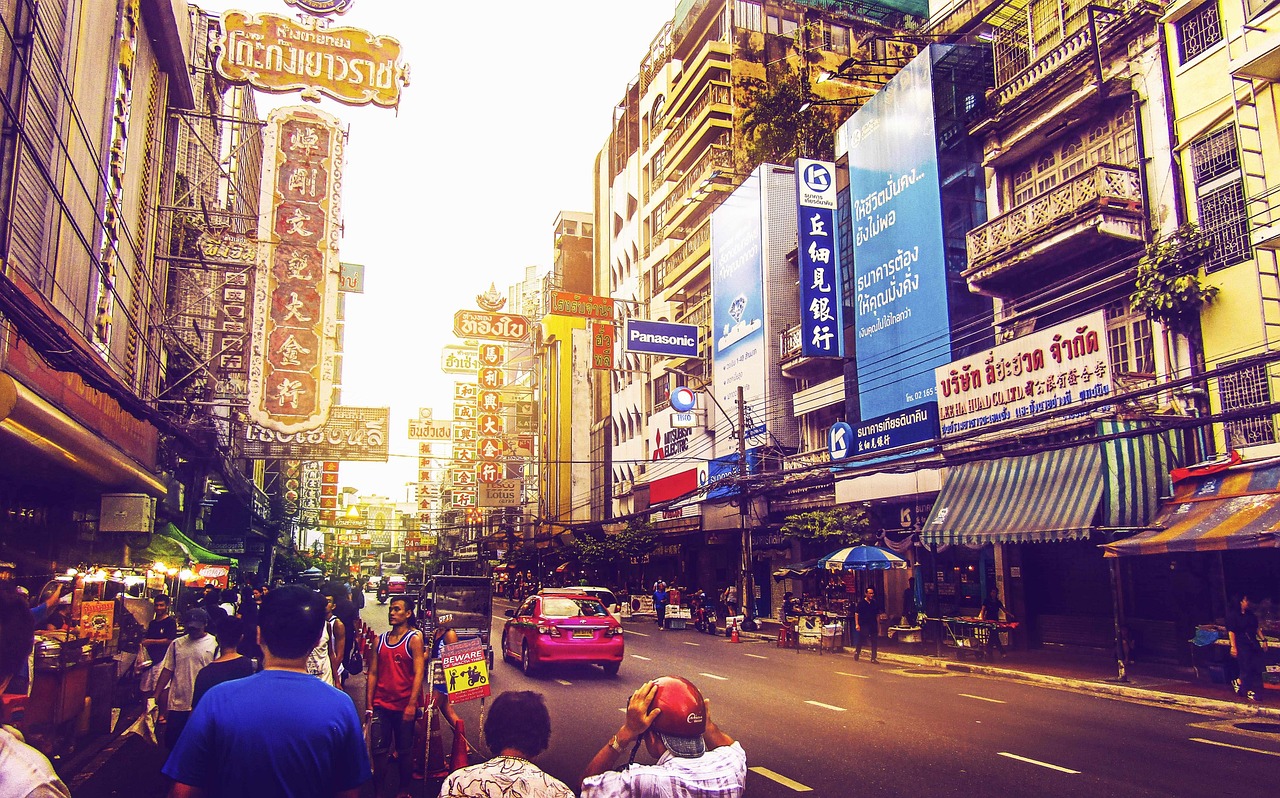
The dry season runs from November to February. This is the peak window for the best time to visit Thailand. Temperatures are milder, humidity drops, and rainfall is rare. Expect higher prices for flights and accommodation, and larger crowds at popular spots like Phuket and Chiang Mai. March and April form the hot season, where temperatures frequently exceed 35°C (95°F). While cheaper than winter, the heat can be exhausting for daytime sightseeing.
The rainy season spans May to October. Contrary to popular belief, rain rarely falls all day; it usually comes in heavy, short bursts in the late afternoon. This is the cheapest time to travel. Some islands close due to rough seas, but mainland destinations remain accessible and lush.
Navigate Bangkok and Chiang Mai
Thailand travel itineraries often anchor on two distinct cities: the electric capital of Bangkok and the cultural hub of Chiang Mai. While they share Thai hospitality, they demand different pacing. Bangkok rewards efficient movement through its sprawling districts, while Chiang Mai invites a slower, temple-hopping rhythm. Understanding the logistics of each helps you balance the chaos with calm.
Bangkok: Temples, Traffic, and Taste
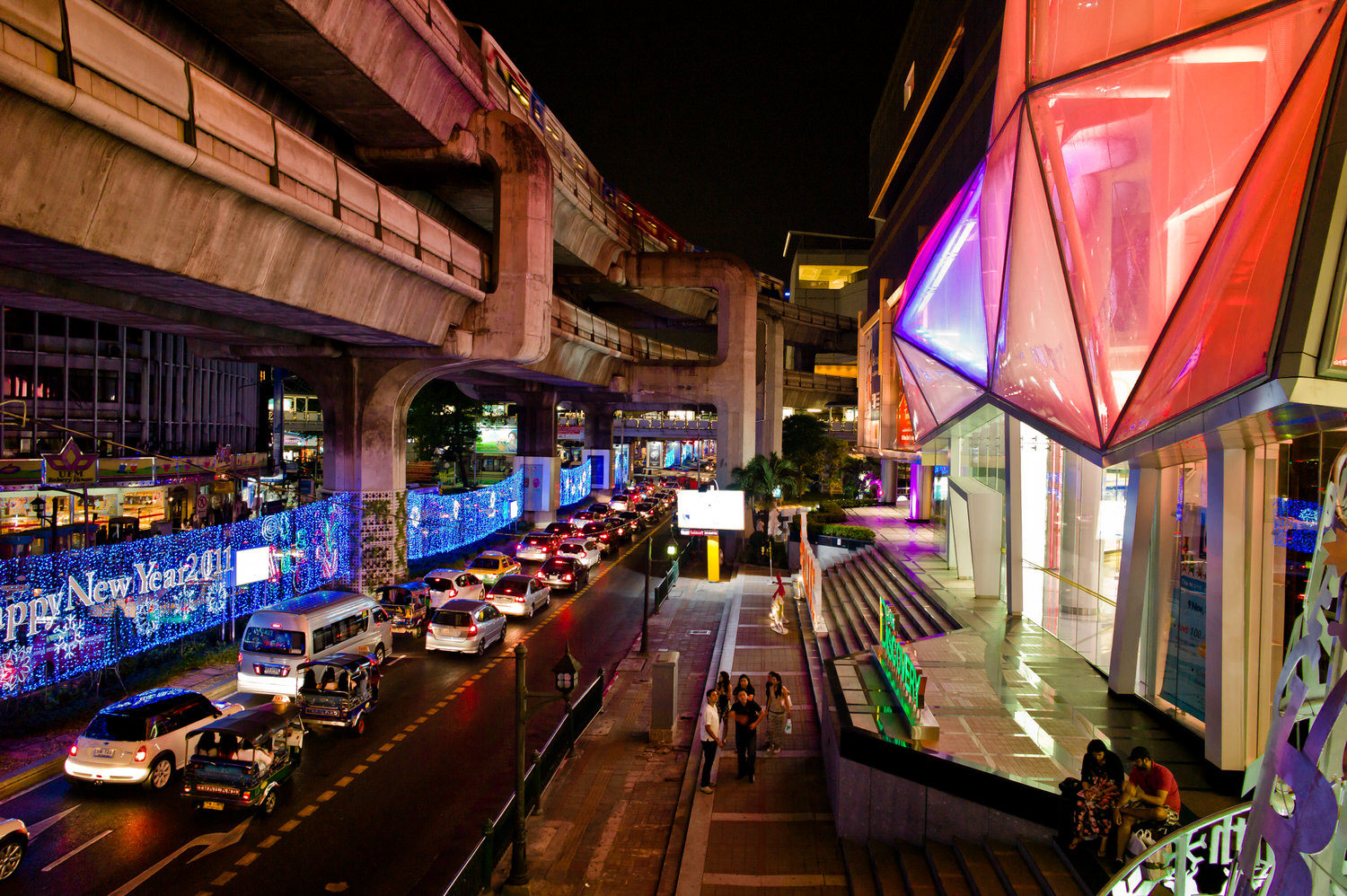
Bangkok is a sensory overload that requires strategic navigation. Start your days early at the Grand Palace or Wat Arun to beat the heat and tour groups. The city’s best cultural sites cluster along the Chao Phraya River, making the public river ferry the most cost-effective and scenic transport option. For shorter hops, the BTS Skytrain avoids the notorious gridlock, though it won’t take you everywhere.
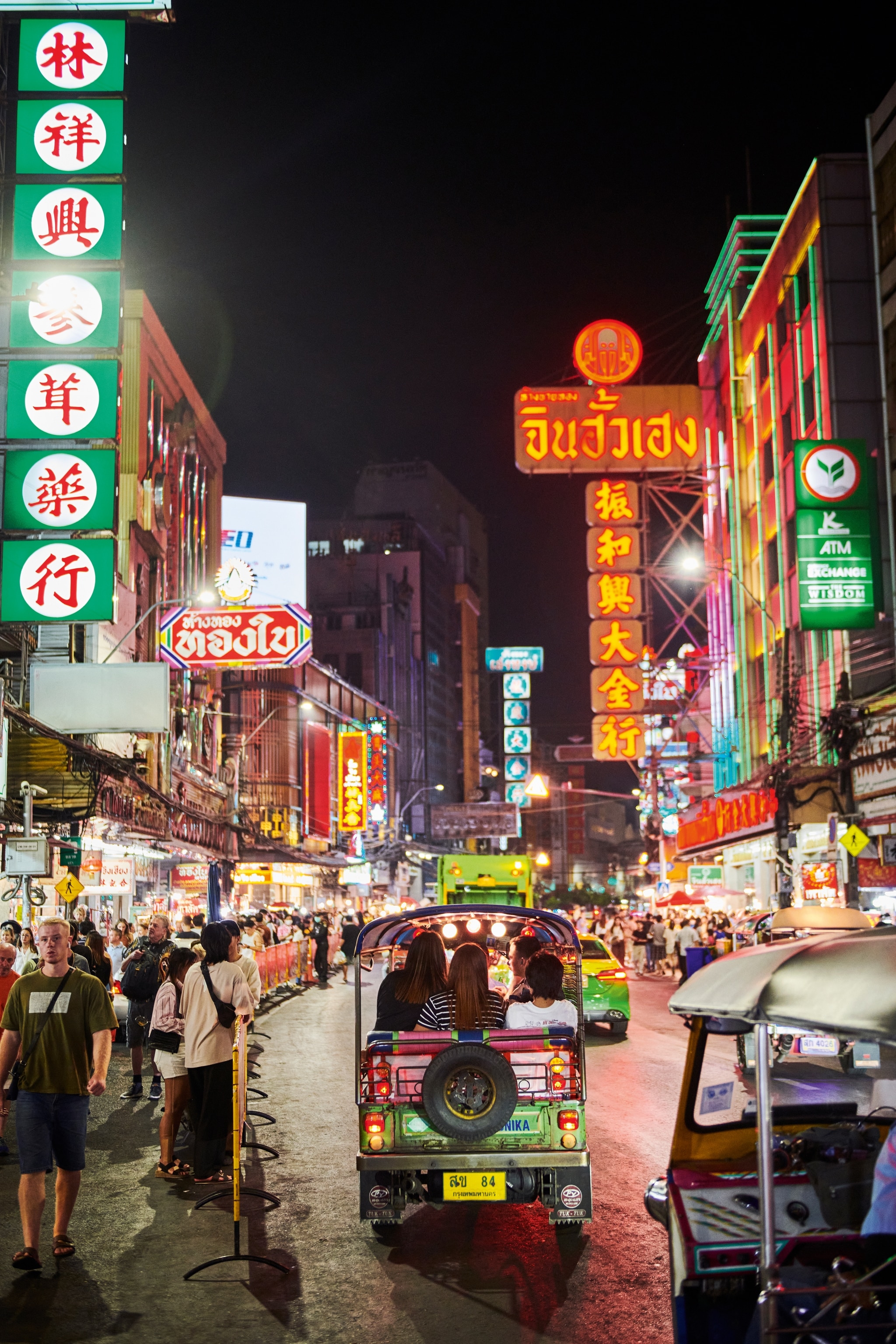
Evenings in Bangkok shift gears entirely. The streets come alive with street food vendors and night markets. Grab a table at a local stall near Yaowarat (Chinatown) for authentic pad thai and seafood without the tourist markup. Don’t miss a long-tail boat ride through the canals (khlongs) near Wat Arun; it offers a perspective of the city that road transport simply cannot match.
Chiang Mai: Temples, Hills, and Handicrafts
Chiang Mai offers a cooler climate and a more relaxed pace, making it ideal for cultural immersion. The Old City is surrounded by moats and walls, with dozens of temples within walking distance. Wat Phra Singh and Wat Chedi Luang are architectural highlights, but don’t overlook the smaller, quieter shrines tucked into residential alleys.
Beyond the temples, Chiang Mai is famous for its handicrafts and coffee culture. Visit a local pottery village or a silk weaving workshop to see traditional techniques up close. The Sunday Walking Street market is a must-visit for souvenirs, local snacks, and live music. It’s crowded, but the energy is infectious and the prices are reasonable.
For a change of scenery, take a day trip to Doi Suthep, the mountain temple overlooking the city. The climb up the Naga staircase is steep, but the panoramic views of the valley are worth the effort. Alternatively, hire a driver for a full-day tour of the northern highlands to visit hill tribe villages and waterfalls, though always choose ethical operators who respect local communities.
Choose islands or mountains
Thailand’s geography splits into two distinct experiences: the limestone karsts and turquoise waters of the south, or the misty, green highlands of the north. Your choice depends on whether you want to trade your boots for swimwear or your flip-flops for hiking boots. The southern islands offer world-class diving and beach relaxation, while the northern mountains provide cooler weather, hill tribe culture, and jungle trekking.
Southern Islands: Andaman Sea vs. Gulf of Thailand
The south is divided by the Isthmus of Kra, creating two separate island groups with different weather patterns.
The Andaman Coast (Phuket, Krabi, Phi Phi, Similan Islands) is dry from November to April. This is the peak season for diving and island hopping. The water is clearer, and the sunsets are legendary. Expect higher prices and more crowds, especially around Full Moon parties on Koh Phangan or the nightlife of Patong Beach.
The Gulf Coast (Koh Samui, Koh Phangan, Koh Tao) has a wetter season from October to December. However, it remains accessible and lush. Koh Tao is the global hub for scuba diving certification, offering affordable courses year-round. Koh Samui is more developed, with luxury resorts and family-friendly beaches.
Northern Mountains: Chiang Mai and Beyond
The north centers around Chiang Mai, a city that blends ancient temples with a modern digital nomad scene. From here, you can venture into the Doi Inthanon National Park, the highest point in Thailand, or trek to hill tribe villages in Mae Hong Son.
The cool season (November to February) is the best time to visit, with daytime temperatures around 25°C (77°F) and chilly nights. This is also when the famous Yi Peng lantern festival takes place. The rainy season (June to October) brings green rice paddies and fewer tourists, but afternoon showers are common.
Practical Comparison
| Feature | Southern Islands | Northern Mountains |
|---|---|---|
| Best Time | Nov–Apr (Andaman), Feb–Sep (Gulf) | Nov–Feb (Cool/Dry) |
| Vibe | Beach, party, diving, relaxation | Trekking, culture, coffee, mountains |
| Transport | Ferries, speedboats, domestic flights | Songthaews (red trucks), buses, bikes |
| Cost | Higher (resorts, tours) | Lower (hostels, street food) |
Pick your region based on travel goals
Choosing between the south and the north comes down to what you want to get out of your trip. The decision isn't just about weather, but about the type of activities and pace you prefer.
Choose the south if your goal is to unwind on white sand beaches, snorkel with whale sharks, or party under the stars. It’s ideal for short, intensive beach vacations.
Choose the north if you prefer culture, history, and outdoor adventure. It’s better for longer stays, exploring ancient cities like Chiang Rai, or hiking through jungle trails.
Many travelers combine both. Fly from Bangkok to Chiang Mai for 3–4 days of trekking, then fly south to Phuket or Koh Samui for 5–7 days of beach time. This itinerary balances activity and relaxation, though it requires domestic flights between regions.
Eat street food safely
Street food is the heartbeat of Thai cuisine, but navigating the stalls requires a bit of local intuition. The best way to judge hygiene is to watch the crowd. High turnover is your best indicator of freshness; if a stall is constantly serving locals, the ingredients are likely moving quickly and haven't been sitting out for hours. Look for vendors who cook to order rather than those with large trays of pre-cooked food that have been warming under heat lamps for hours.
Stay safe and respectful
Thailand is generally welcoming, but maintaining situational awareness keeps your trip smooth. The U.S. State Department advises exercising increased caution due to potential unrest, particularly in border regions. Stick to established tourist areas and monitor local news for any sudden changes in the security landscape.
Respecting local customs is just as important as physical safety. Dress modestly when visiting temples; cover your shoulders and knees. Remove your shoes before entering homes or certain shop areas. A simple bow and a smile go a long way in showing respect for Thai culture.
Bargaining is common in markets but should be done politely. Avoid aggressive haggling over small amounts. When interacting with locals, remember that the head is considered sacred and the feet unclean. Never touch someone’s head or point your feet at a person or Buddha image.
Thailand Travel Checklist
Finalizing your Thailand travel plans comes down to three things: timing, documentation, and local context. Use this ordered checklist to ensure your itinerary is solid before you book.
Plan your trip between November and April. This window offers the most reliable weather for island hopping and temple tours. Avoid the rainy season unless you are prepared for sudden downpours and higher humidity.
Ensure your passport is valid for at least six months beyond your entry date. Most travelers can enter visa-free for 30 days, but verify current entry requirements on the official Tourism Authority of Thailand website before you go.
Review the U.S. State Department’s travel advisory for Thailand. While most tourist areas are safe, some border regions have higher risks. Stay aware of local conditions and register with your embassy if staying long-term.
Book domestic flights or overnight trains early for peak season. Purchase comprehensive travel insurance that covers medical evacuation and trip cancellation, as healthcare costs for foreigners can add up quickly.
Common questions about Thailand
Travelers often ask about the best islands to visit, how much to budget, and whether it is safe to travel. Here are the answers to the most frequent logistical questions.
When is the best time to visit Thailand?
The dry season from November to April offers the most reliable weather for island hopping and temple tours. Temperatures are cooler, and rainfall is minimal, making it the ideal window for outdoor activities. The hot season (March–May) can be intense, while the rainy season brings lush greenery but frequent afternoon showers.
How much does a trip to Thailand cost?
Thailand remains one of Asia’s most budget-friendly destinations. You can expect to spend $30–$50 per day for budget travel (hostels, street food, local transport) and $100–$150 for mid-range comfort (3–4 star hotels, occasional dining out). Luxury resorts and private tours will push costs higher, but the overall value remains strong compared to Western destinations.
Is Thailand safe for tourists?
Thailand is generally safe for tourists, but the U.S. State Department advises exercising increased caution due to the risk of unrest in certain areas. Stick to well-traveled tourist zones, be aware of your surroundings, and check current travel advisories before your trip. Petty crime like pickpocketing can occur in crowded markets, so keep valuables secure.
No comments yet. Be the first to share your thoughts!