

When to book your Thai Trip Lover adventure
Timing is the single most important variable in your Thai Trip Lover itinerary. Thailand’s weather is less about four distinct seasons and more about three distinct regimes: the cool dry season, the hot dry season, and the rainy season. Getting this right prevents your trip from being defined by humidity, monsoon flooding, or miserable heat.
The sweet spot for most travelers is November through February. During these months, the northeast monsoon brings cooler, drier air from the continent. Temperatures in Bangkok and Chiang Mai hover around 25-30°C (77-86°F), making it comfortable to walk through temples and markets without collapsing from heat exhaustion. This is also the peak season for the southern islands. The Andaman Sea (Phuket, Krabi) is calm and clear, while the Gulf islands (Koh Samui, Koh Phangan) are generally dry, though slightly warmer.
March and April mark the transition into the hot season. The air becomes thick and still, with temperatures frequently pushing past 35°C (95°F). If you prioritize beach time over cultural sightseeing, this can still work, but you will need to adapt your schedule. Wake up early, stay indoors or in air-conditioned cafes during the midday heat, and head to the water in the late afternoon. The beaches are less crowded, and prices drop slightly as the high season winds down.
May through October is the rainy season, driven by the southwest monsoon. This does not mean it rains 24 hours a day. Typically, you will see heavy, intense downpours in the late afternoon or evening, followed by clear skies. The landscape turns lush green, and prices are at their lowest. However, the Andaman Sea can get rough, leading to ferry cancellations between Phuket and the islands. If you visit the Gulf islands during this time, the weather is often better than on the Andaman side, but you should still expect some disruption. For a Thai Trip Lover, this season offers a more authentic, local experience, but it requires flexibility.

Mapping your route from Bangkok to the islands
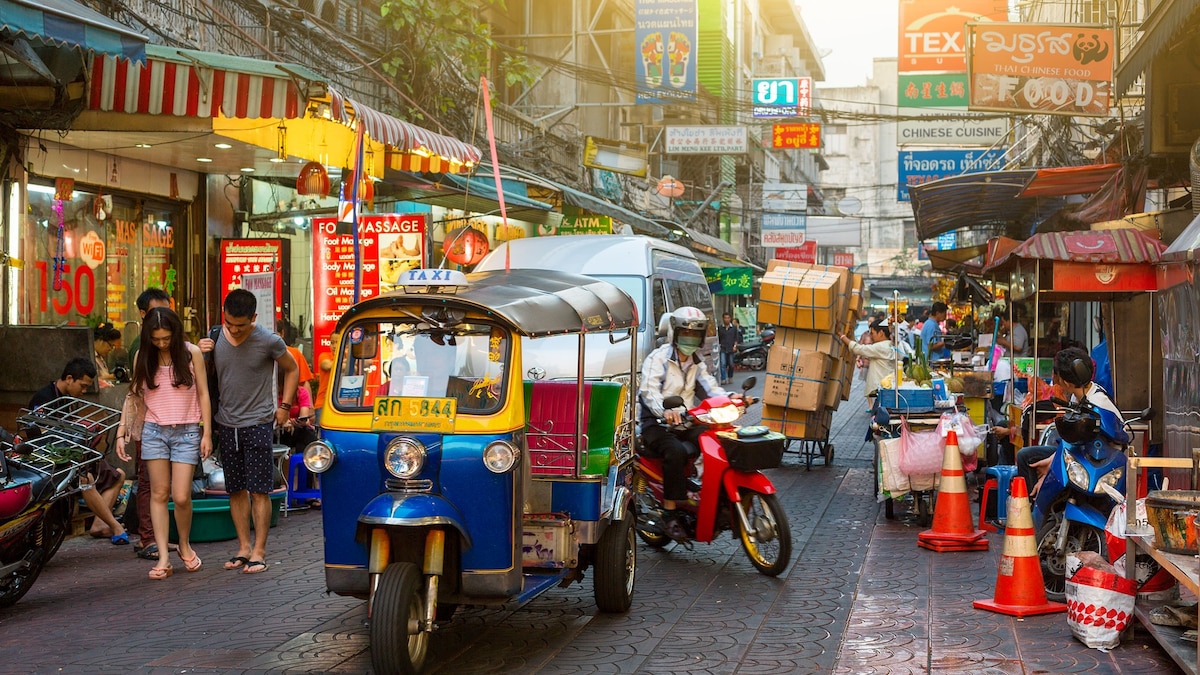
Starting your journey in Bangkok is natural, but the city is just the gateway. The real adventure begins once you leave the traffic behind. The most efficient way to structure your time is to move geographically from the central plains up to the north, then loop back down to the southern coast. This north-to-south flow minimizes backtracking and gives you a clear progression from urban energy to island relaxation.
Begin with two or three days in Bangkok to absorb the culture before heading north. Take an early morning train or a short flight to Chiang Mai. This leg of the trip shifts your pace from bustling streets to cooler mountain air and ancient temples. Spend three to four days exploring the Old City, visiting Doi Suthep, and taking a day trip to the elephant sanctuaries. This northern stop provides a crucial cultural anchor before you descend to the beaches.
After Chiang Mai, fly south to Phuket or Krabi. This transition marks the shift to your island time. From there, you can island-hop to Phi Phi, James Bond Island, or Koh Lanta. The southern Andaman coast offers the clearest water and best diving, while the Gulf Coast islands like Koh Samui are better for the summer months. By keeping this linear route, you avoid the hassle of zigzagging across the country.
Timing your connections is key to keeping costs down. Domestic flights between Bangkok, Chiang Mai, and Phuket are frequent and often inexpensive if booked in advance. Ferries between islands run on fixed schedules, so plan your arrivals to match the last boat of the day. A well-timed route ensures you spend your budget on experiences rather than last-minute transport fees.
Budget styles for your Thai Trip Lover trip
Planning a Thai Trip Lover journey means deciding how far your money needs to stretch. Thailand offers some of the widest gaps in travel costs globally, allowing you to tailor daily spending to your comfort level. Whether you are chasing street food and hostels or private villas and spa treatments, the infrastructure supports every price point.
Backpackers can navigate Thailand on approximately $30 to $50 per day. This budget covers dormitory accommodation, local bus or train travel, street meals, and entry to public temples. Luxury travelers often spend $100 to $200+ daily, securing air-conditioned private rooms, domestic flights, private tours, and fine dining. The middle ground, where most travelers settle, sits comfortably between $60 and $80 per day.
Daily Cost Breakdown
| Category | Backpacker Style | Luxury Style |
|---|---|---|
| Accommodation | $10–$20 (Hostel/Dorm) | $100–$250+ (5-Star Resort) |
| Food | $10–$15 (Street Food) | $50–$100+ (Fine Dining) |
| Transport | $5–$10 (Bus/Train) | $50–$150+ (Private Driver/Flight) |
| Activities | $10–$20 (Temples/Hikes) | $100+ (Private Tours/Spa) |
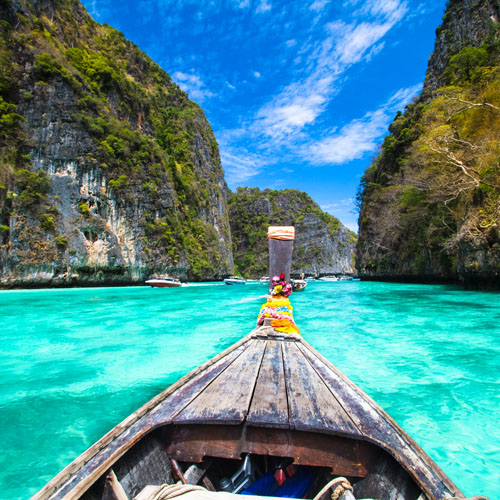
The difference often comes down to convenience and exclusivity. A backpacker might spend two days on a slow train to reach a beach, while a luxury traveler flies directly to a private island resort. Both experiences offer the same stunning Thai landscapes, but the pace and comfort levels vary significantly. Understanding these tiers helps you allocate funds where they matter most to your personal travel style.
Essential etiquette to respect local culture
Thai culture runs on a foundation of respect, hierarchy, and saving face. Understanding these unwritten rules is the difference between being a welcomed guest and an unwitting offender. For the Thai Trip Lover, mastering these small gestures ensures smoother interactions and deeper connections with locals.
The Wai and the Head The wai is the standard greeting: palms pressed together at chest level with a slight bow. Return the gesture when locals initiate it, but you are not expected to initiate one with service staff or children. More importantly, treat the head as sacred. Never touch anyone’s head, even a child’s, as it is considered the most spiritual part of the body. Conversely, feet are the lowest and dirtiest part; never point your feet at people, Buddha images, or use your feet to move objects.
Temples and Dress Temples (wats) are active places of worship, not just photo backdrops. Dress modestly: shoulders and knees must be covered. Remove shoes and socks before entering any temple building or even some private homes.
This is a common misconception; while head coverings are not required, you must ensure your head is not higher than a monk’s or a Buddha statue’s.Monks and the King Never touch a monk, and women must avoid physical contact with them. If you need to hand something to a monk, place it on a table or let a man pass it to him. The monarchy is held in the highest esteem. Never criticize the royal family, and always stand during the royal anthem if played in public spaces. Disrespect here is a serious criminal offense.
Public Demeanor Thais value a calm demeanor (jai yen or "cool heart"). Losing your temper, shouting, or aggressive body language causes others to lose face and is deeply offensive. Keep your voice low, smile often, and maintain a relaxed posture. This composure is the key to navigating daily life in Thailand with grace and respect.
Final Checklist for Your Thai Trip Lover Departure
Before you board your flight, ensure your documents and digital tools are ready. A smooth arrival in Thailand depends on having these essentials in order.
Verify your passport has at least six months of validity from your entry date. Most nationalities qualify for a 30-day visa exemption, but check specific requirements for longer stays. Keep digital and physical copies of your passport and visa approval in separate locations.
Health care in Thailand is excellent but can be costly for foreigners. Purchase a policy that covers medical evacuation and hospitalization. Save your policy number and emergency contact details in your phone for quick access.
Install Grab for reliable taxi and food delivery services. Download a translation app like Google Translate or SayHi for offline use. Enable mobile data or purchase a local SIM card at the airport for seamless navigation and communication.
Common Questions About Planning Your Thai Trip Lover Journey
Planning a trip to Thailand involves balancing budget, timing, and cultural respect. Here are the most frequent questions from fellow travelers looking to experience the country like a local.
Is $100 a day enough for Thailand?
Yes, $100 a day is a comfortable budget for most travelers. Backpackers can manage on as little as $30 daily by staying in hostels and eating street food, while luxury seekers might spend $150 or more for high-end resorts and private tours. Most travelers find themselves spending between $50 and $80 per day, covering mid-range accommodation, local meals, and domestic transport.
Is $50,000 enough for a Thailand trip?
This depends entirely on your currency. If you are referring to Indian Rupees (₹50,000), this is roughly $600 USD, which is tight for a long trip but possible for a 1-2 week budget adventure if you avoid tourist traps. If you mean $50,000 USD, that is an exceptionally generous budget, allowing for first-class flights, five-star resorts, and private guides throughout your entire stay.
How to avoid being rude in Thailand?
Respect is central to Thai culture. Always use the wai (a slight bow with palms together) when greeting others. Never touch anyone’s head, as it is considered sacred, and remove your shoes before entering homes or certain shops. Dress modestly when visiting temples, covering shoulders and knees. Avoid pointing your feet at people or Buddha images, and always speak softly and calmly, even in disagreement.
No comments yet. Be the first to share your thoughts!