

Make the recipe
While Bangkok's high-end districts are evolving, the heart of the Thailand food scene remains its balance of sweet, sour, salty, and spicy. To bring this experience home, we are focusing on a modern take of Som Tum (Green Papaya Salad). This dish represents the street food trends of 2026 by emphasizing fresh, raw ingredients and a punchy, acidic profile that cuts through heavier proteins.

Success with this dish depends on the texture of the papaya. Use a mortar and pestle to bruise the ingredients rather than pulverizing them; this allows the dressing to cling to the shreds without making them soggy. If you cannot find a green papaya, a firm, unripe chayote squash works as a reliable substitute.
Keep the texture right
Achieving the correct texture in Thai cooking depends on managing moisture and heat. Whether you are simmering a curry or stir-frying, the goal is to avoid the common pitfalls of watery sauces or dry proteins.
Precision in the initial stages prevents the dish from becoming bland or unevenly cooked. For example, failing to sear meat properly often leads to steaming rather than browning, which releases excess water into the pan and dilutes the flavor profile.
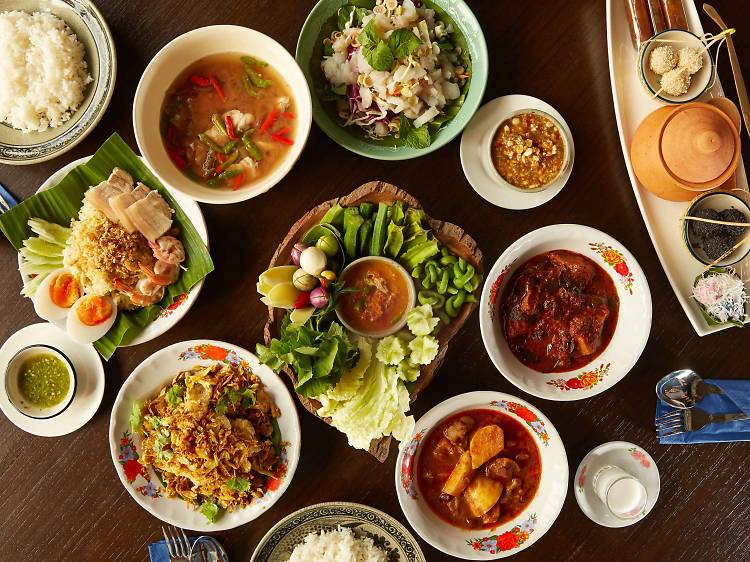
Heat your wok or pan until it just begins to smoke. Add oil and sear meat in small batches to ensure a hard crust. Overcrowding the pan drops the temperature, causing the meat to release juices and turn grey and rubbery.
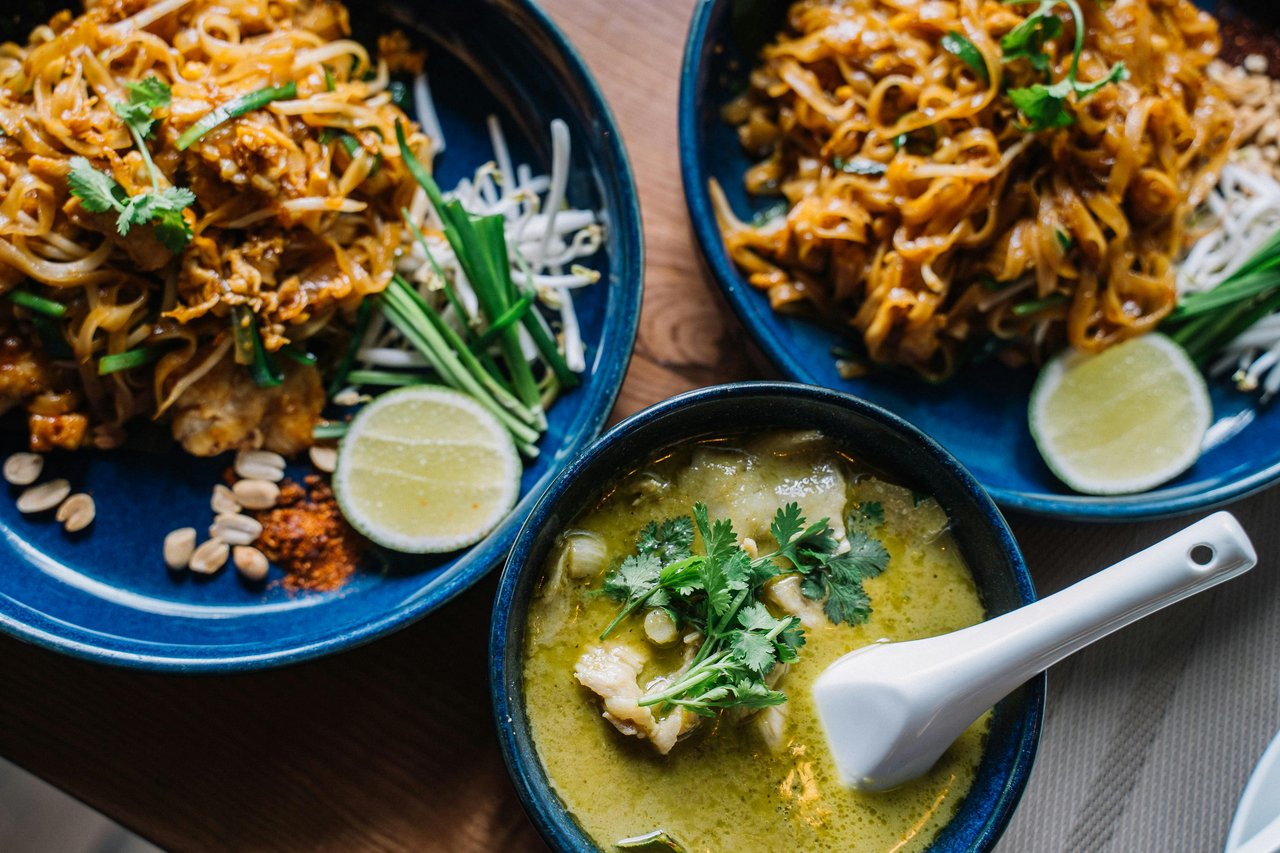
For curries, simmer the coconut cream until it "cracks" or separates into oil. This concentrates the flavor and prevents the final sauce from feeling thin or watery.
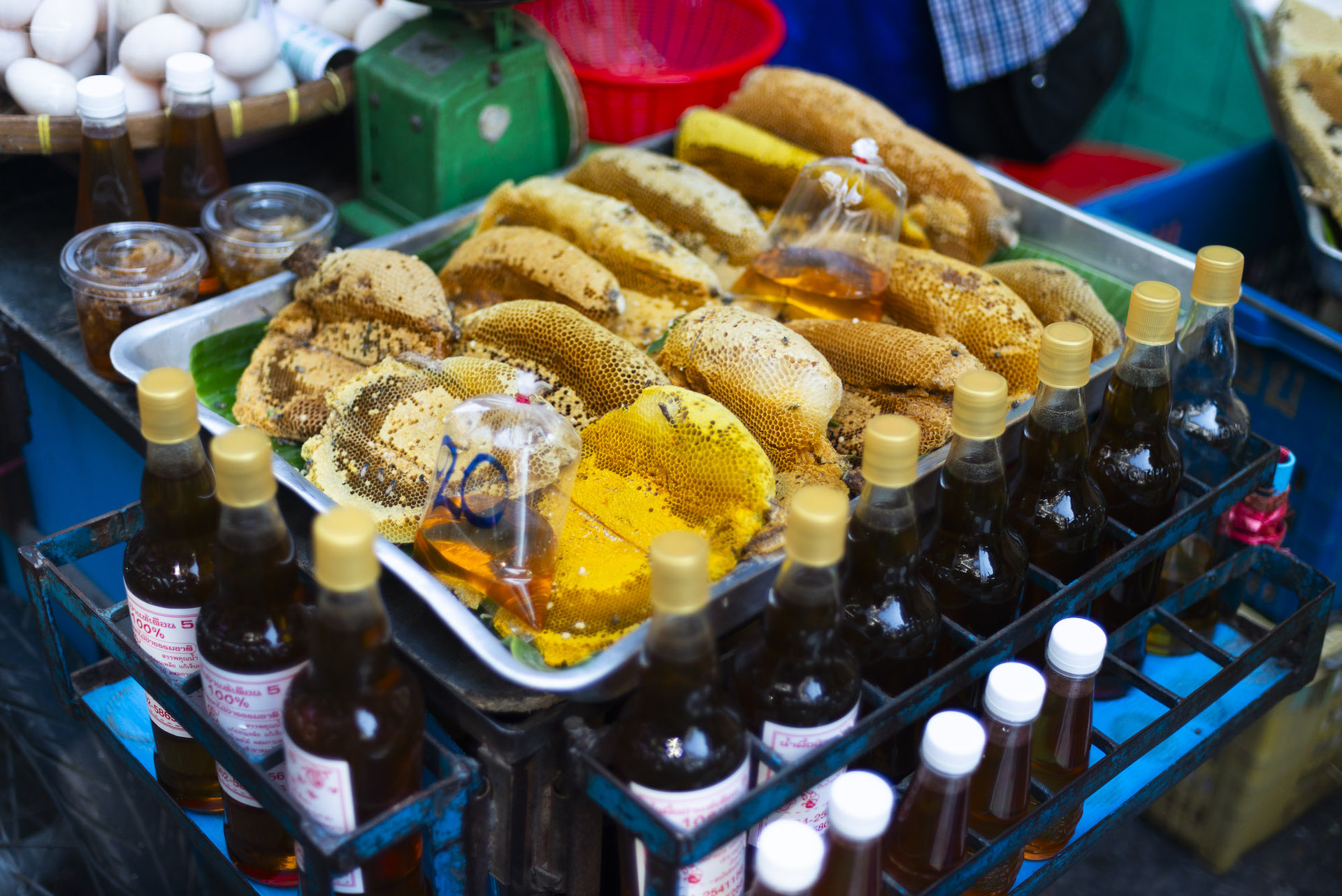
Toss garlic, ginger, and chilies into the oil for only 30-60 seconds. If they brown too deeply, they become bitter; if they don't cook enough, the dish tastes raw and uneven.
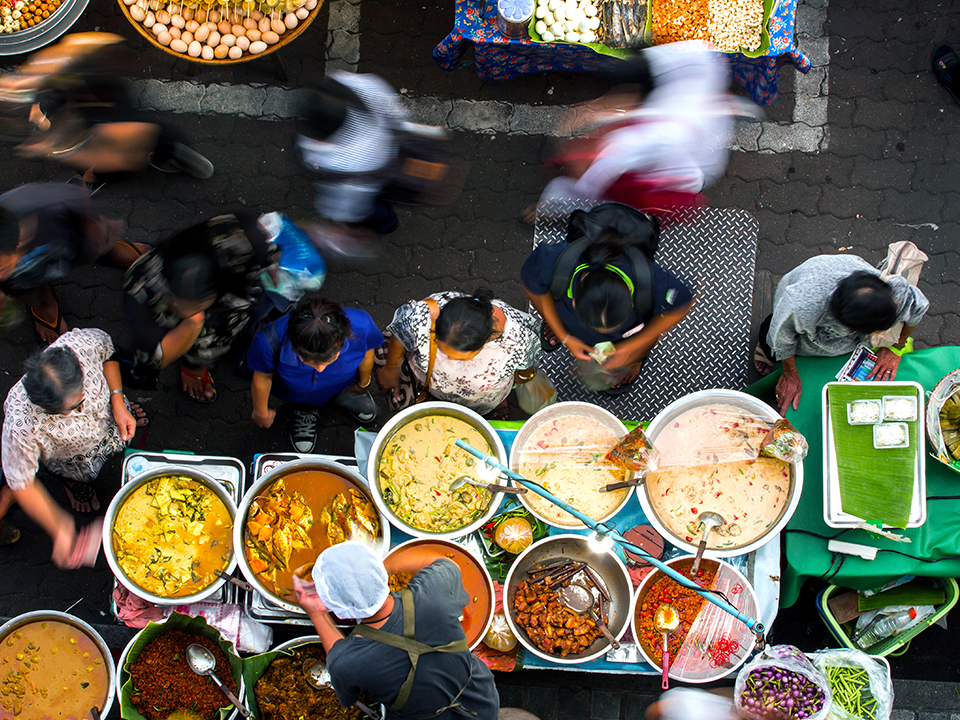
Add lime juice or tamarind paste after removing the pan from the heat. Boiling acidic ingredients for too long can mute the brightness and alter the viscosity of the sauce.
Swaps that still work
Recreating the Thailand food scene at home often comes down to sourcing specific aromatics. While authentic ingredients provide the most depth, certain substitutions maintain the flavor profile without requiring a trip to a specialty importer.
When swapping, the goal is to match the primary function of the ingredient—whether it is providing acidity, heat, or a pungent base. For example, substituting lime juice for tamarind paste changes the type of sourness from a deep, fruity tang to a bright, sharp citrus note, but the dish remains balanced.
| Original Ingredient | Best Substitute | Flavor Tradeoff |
|---|---|---|
| Galangal | Fresh Ginger | Loses the piney, citrusy edge; becomes spicier |
| Palm Sugar | Brown Sugar | Lacks the caramel richness; slightly more acidic |
| Fish Sauce | Soy Sauce + pinch of salt | Loses the fermented funk and umami depth |
| Kaffir Lime Leaves | Lime Zest | Missing the floral aroma and distinct bitterness |
| Thai Bird's Eye Chili | Serrano or Habanero | Different heat profile; Habanero is fruitier |
Serve and store it
Thai dishes often rely on a balance of heat and freshness that can degrade if stored incorrectly. For coconut-based curries, store them in airtight glass containers to prevent the sauce from absorbing fridge odors. These keep for 3 to 4 days, but the coconut milk can separate; a quick stir and gentle heat will bring the emulsion back together.
When reheating, avoid the microwave for proteins like shrimp or pork, as they toughen quickly. Instead, use a small pot over medium-low heat. Add a splash of water or coconut milk to loosen the sauce, as the starch in the curry thickens during cooling.
For street-food style salads (Yam) or fresh herbs, never store them with the dressing. Keep the lime-fish sauce mixture in a separate jar and toss the vegetables immediately before serving. This prevents the greens from wilting and keeps the textures crisp.
Common questions
Navigating the Bangkok food scene requires a balance between following the latest Michelin Guide trends and trusting local street food instincts. Whether you are visiting a high-end district or a neighborhood food court, practical timing and location choices dictate the quality of the meal.
No comments yet. Be the first to share your thoughts!