
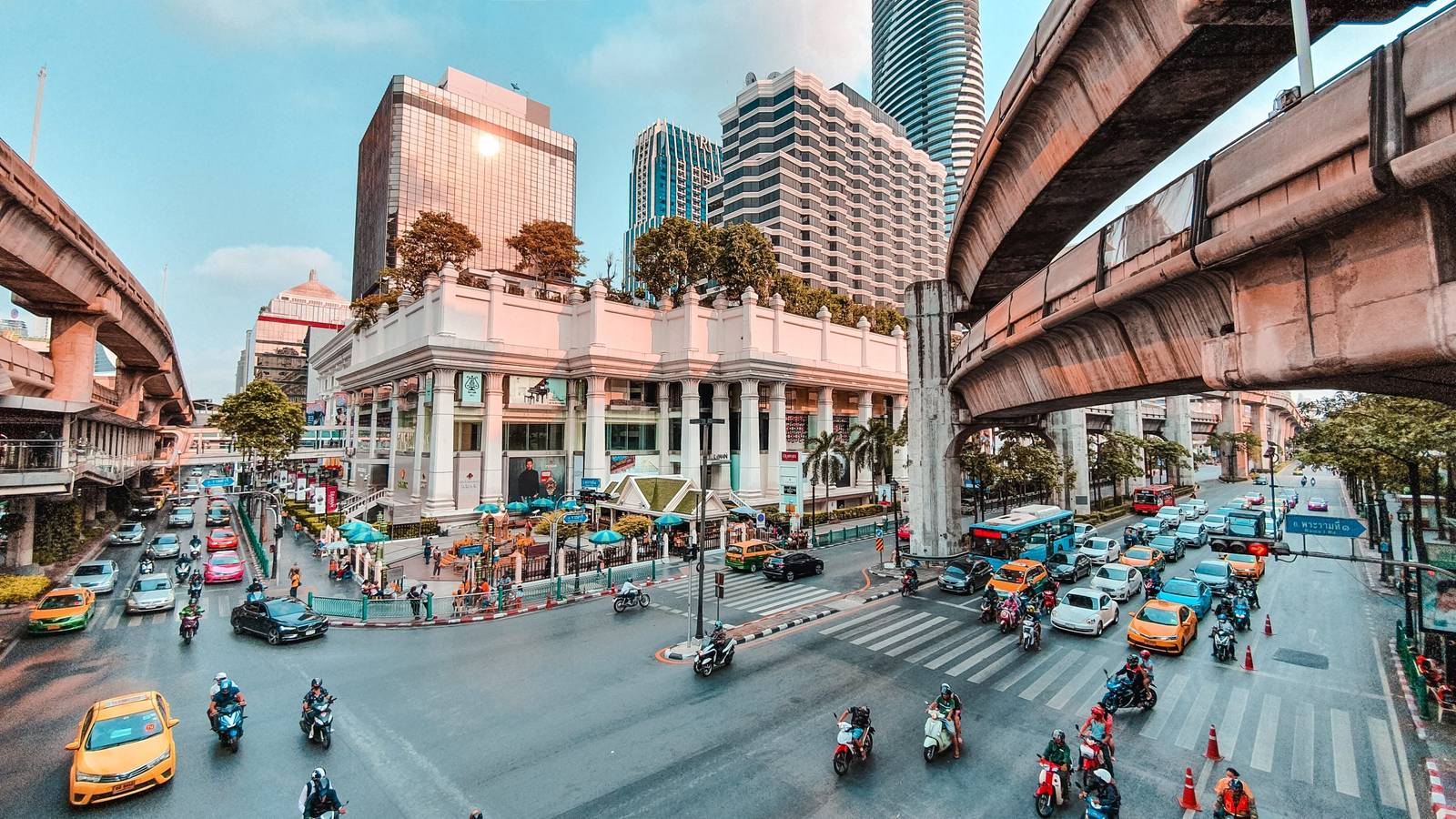
When is the best time to visit Thailand 2026
Thailand’s weather is defined by three distinct seasons, and picking the right window depends on whether you prioritize comfortable temperatures, low costs, or cultural immersion. The best time to visit Thailand 2026 generally falls between November and early April, when the cool and dry season offers the most pleasant conditions for exploring cities and beaches alike.
During the cool season (November to February), humidity drops and temperatures stay mild, making it ideal for sightseeing and island hopping. However, this is also the peak tourist period, meaning higher prices and crowded attractions. If you are willing to trade some heat for significant savings, the hot season (March to May) brings intense temperatures but much lower accommodation rates and fewer crowds. The rainy season (June to October) sees daily downpours, but these are often brief, allowing for lush greenery and deep discounts on travel.
To help you decide, here is a direct comparison of the three main seasons based on typical conditions:

| Season | Months | Avg Temp | Rainfall | Crowd Level | Cost Index |
|---|---|---|---|---|---|
| Cool & Dry | Nov – Feb | 25-32°C | Low | High | High |
| Hot | Mar – May | 30-38°C | Low-Medium | Medium | Low |
| Rainy | Jun – Oct | 26-33°C | High | Low | Low |
If your main goal is comfort and clear skies for beach activities, aim for the November to February window. For budget-conscious travelers who don’t mind sweating a bit, March to May offers the best value. And if you want to experience local life without the tourist crush, the rainy season provides a unique, atmospheric side of Thailand that few visitors see.
Why Thailand’s Weather Isn’t Uniform
Planning the best time to visit Thailand 2026 requires looking beyond a single national forecast. The country’s long, narrow shape means it is split into two distinct weather systems by the Kra Isthmus, the narrowest point of the Malay Peninsula. This geographic split dictates that the Gulf of Thailand and the Andaman Sea operate on different seasonal clocks.
The Andaman Coast, home to Phuket, Krabi, and Phi Phi Islands, follows the standard monsoon pattern. The southwest monsoon brings heavy rain and rough seas from May through October. Consequently, the prime window for beach holidays here is the cool, dry season between November and early April, when the water is calm and skies are clear.
The Gulf Islands, including Koh Samui, Koh Phangan, and Koh Tao, tell a different story. Shielded by the peninsula’s central spine, they are protected from the southwest monsoon. Instead, they experience their wettest period later in the year, typically from October to December, when the northeast monsoon hits the eastern side. This allows travelers to escape the Andaman’s rainy season by heading east to the Gulf.
This split creates a year-round opportunity for island hopping. If you visit in June, the Andaman Coast is often washed out, but the Gulf Islands are usually sunny and dry. Conversely, if you plan a trip in November, the Andaman Coast is just waking up with perfect weather, while the Gulf may still be dealing with late-season storms. Understanding this divergence is essential for maximizing your time in the sun.
Top attractions and hidden gems for 2026
The best time to visit Thailand 2026 depends on where you go. While the dry season from November to April is ideal for beach destinations, major cities like Bangkok remain accessible year-round. Visiting during the shoulder months of May or October can offer a balance of manageable crowds and lower costs, though afternoon showers are common.
Bangkok's Chinatown
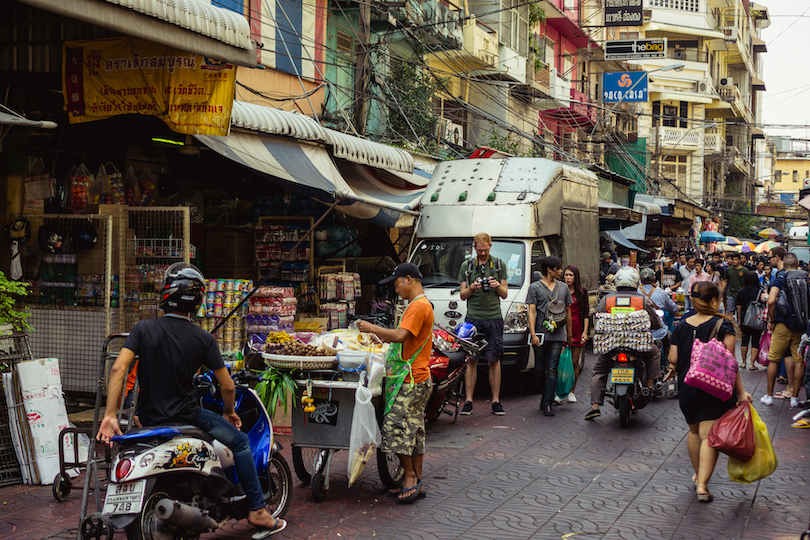
Bangkok’s Yaowarat Road transforms into a vibrant street food hub, especially after sunset. This district offers a sensory overload of sizzling woks, neon signs, and historic shophouses. It is a perfect example of urban exploration that doesn’t require a specific season, though the cooler months from November to March are most comfortable for walking the narrow alleys. The area is dense with authentic local eateries, making it a must-visit for food-focused travelers.

Chiang Mai’s Old City
For those visiting between November and February, Chiang Mai’s Old City is at its peak. The cooler weather makes exploring the ancient temples and moat-lined walls pleasant. This period also coincides with the Yi Peng lantern festival, drawing large crowds. If you prefer a quieter experience, consider visiting in March or April, just before the intense heat sets in. The cultural density here allows for a slow-paced itinerary that fits well into any two-week Thailand trip.
Koh Lanta’s Quiet Beaches
While Phuket and Phi Phi Islands are crowded during the high season, Koh Lanta remains a hidden gem for beach lovers. The best time to visit Koh Lanta 2026 is from November to April, when the sea is calm and the weather is sunny. The island’s long, white-sand beaches are less developed, offering a more relaxed atmosphere. It serves as an excellent base for day trips to nearby national parks without the hassle of heavy tourist traffic.
Budget and cost planning for Thailand
The best time to visit Thailand 2026 often aligns with the cool, dry season from November to March, but this peak period brings higher prices. Accommodation and domestic flights can cost 20–30% more than during the shoulder months of April or October. To balance weather and cost, aim for late February or early March when crowds thin slightly but conditions remain pleasant.
Food costs remain remarkably low regardless of the season. Street meals in Bangkok or Chiang Mai typically range from 40 to 80 baht ($1.10–$2.20), while sit-down restaurants charge 150–300 baht ($4–$8). Local markets offer fresh fruit and snacks for pennies. Eating where locals eat is the most effective way to keep daily food expenses under $10.
Transportation costs vary by distance and mode. Domestic flights between Bangkok and Phuket or Chiang Mai often cost $30–$60 if booked in advance. Overnight trains and buses are cheaper, ranging from $10–$25, but take longer. Within cities, tuk-tuks and ride-hailing apps like Grab are convenient for short trips but can be pricey if you don’t agree on a fare or use the app’s fixed pricing.
Accommodation ranges from $5 hostels to $200+ luxury resorts. For a comfortable mid-range experience, expect to pay $30–$60 per night for a clean hotel with air conditioning and a pool. Booking 3–6 months ahead secures the best rates, especially for popular islands like Koh Samui or Koh Phi Phi.
Essential packing checklist for Thailand
Packing for the best time to visit Thailand 2026 requires balancing heat, humidity, and cultural respect. Your luggage should be light, breathable, and versatile enough to handle everything from Bangkok’s bustling streets to the limestone karsts of Krabi.
Pack moisture-wicking fabrics like linen or rayon. Avoid cotton, which stays damp in tropical humidity. Bring short-sleeved shirts and lightweight trousers that can be rolled up. A wide-brimmed hat is essential for sun protection during the dry season.
Thai temples (wats) enforce strict dress codes. You must cover shoulders and knees. Carry a sarong or a lightweight scarf in your day bag to wrap around your waist or shoulders when entering religious sites. Avoid sleeveless tops and short shorts in these areas.
You will remove shoes frequently. Wear slip-on sandals or breathable sneakers that dry quickly. For island hopping and beach days, flip-flops are mandatory. Avoid heavy hiking boots unless you are trekking in northern mountains during the cool season.
Even in the dry season, sudden showers can occur. A compact, packable rain jacket is more useful than an umbrella in windy coastal areas. High-SPF sunscreen and insect repellent are non-negotiable items for the tropical climate.

Thailand uses Type A, B, and C outlets (220V). Most hotels provide universal adapters, but bringing a compact travel adapter ensures you can charge devices at guesthouses or in remote areas. Power banks are essential for long days of sightseeing.
-
Lightweight, breathable clothing (linen/rayon)
-
Modest attire for temple visits (sarong/scarf)
-
Slip-on sandals and flip-flops
-
Compact rain jacket
-
High-SPF sunscreen and insect repellent
-
Universal power adapter and power bank
-
Reusable water bottle
Frequently asked questions about Thailand travel
Is $50,000 enough for a Thailand trip?
That amount is far more than necessary for most travelers. A comfortable mid-range budget for a week-long trip typically ranges from $800 to $1,500 per person, depending on whether you stay in luxury resorts or local guesthouses. With smart choices in accommodation and dining, you can experience the highlights of Thailand for under $500 per week, making $50,000 sufficient for multiple extended trips or a very high-end luxury experience.
Why are tourists turning away from Thailand?
Recent concerns over safety and scams have led some travelers, particularly from key markets like China, to reconsider their plans. While Thailand remains generally safe, isolated incidents of tourist-targeted fraud have raised alarms. This shift highlights the importance of staying informed about current travel advisories and choosing reputable tour operators to ensure a secure experience.
What is the best time to visit Thailand in 2026?
The optimal window for visiting Thailand is from November to February. During these months, the weather is cooler and drier, offering comfortable conditions for exploring temples and beaches. This period also coincides with the peak tourist season, so expect higher prices and larger crowds. If you prefer fewer tourists and lower costs, consider visiting in the shoulder months of March or October, though you may encounter some rain.
No comments yet. Be the first to share your thoughts!