
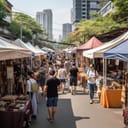
When to visit Thailand
Thailand’s weather follows three distinct seasons, and picking the right window depends on what you value most: clear skies, fewer tourists, or a lower budget. The dry season runs from November to April, offering the most reliable sunshine and lower humidity. This is the peak period for beach destinations in the south, particularly on the Andaman coast (Phuket, Krabi) and the Gulf islands (Koh Samui, Koh Phangan).
The hot season spans March to June. Temperatures often climb above 35°C (95°F), and humidity rises significantly. While still dry, the heat can be intense for outdoor activities, especially in Bangkok and the north. This period is often cheaper than the peak winter months, but travelers should prioritize early morning sightseeing and midday rest.
The rainy season lasts from July to October. Contrary to popular belief, it rarely rains all day every day. Showers are usually short, heavy, and followed by bright sunshine. This is the best time for budget travelers and those who don’t mind occasional downpours. The landscape is lush and green, and crowds are thin. However, some islands and national parks may have limited services or closed trails.
For a balanced experience, aim for the shoulder months: late October or early November. You’ll catch the tail end of the rains (if any) and the beginning of the cool, dry season. Prices are lower, and the weather is generally pleasant. If you’re set on beach time, November to February is ideal for the Andaman Sea, while December to April works best for the Gulf of Thailand.
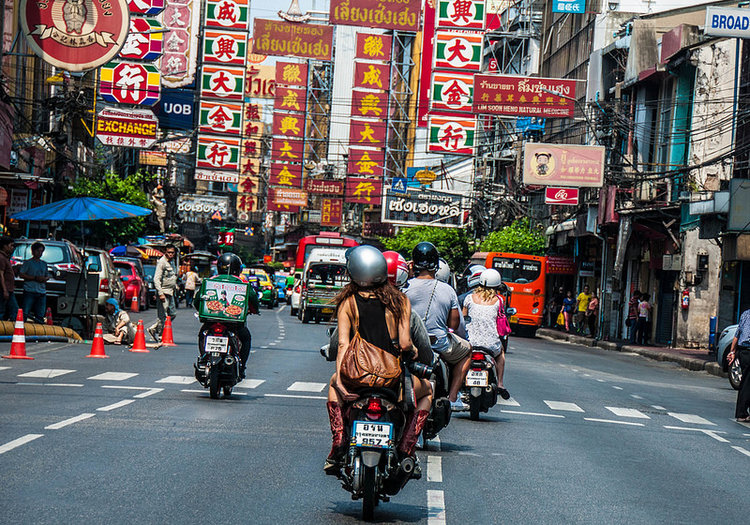
Where to start your route
Most first-timers make the mistake of trying to see everything at once. Thailand is long and narrow, stretching over 1,000 kilometers from the mountains of the north to the beaches of the south. Trying to visit Bangkok, Chiang Mai, and Phuket in one week means spending half your trip in transit. A logical geographic flow saves time, money, and stress.
Start in Bangkok. It is the transportation hub and the cultural gateway. Spend two or three days here to acclimatize to the heat and humidity. The city offers a mix of modern skyscrapers and ancient temples. Visit the Grand Palace early in the morning to avoid the worst of the crowds. Take a boat ride on the Chao Phraya River to see the city from the water. This approach lets you settle in without the pressure of immediate travel.
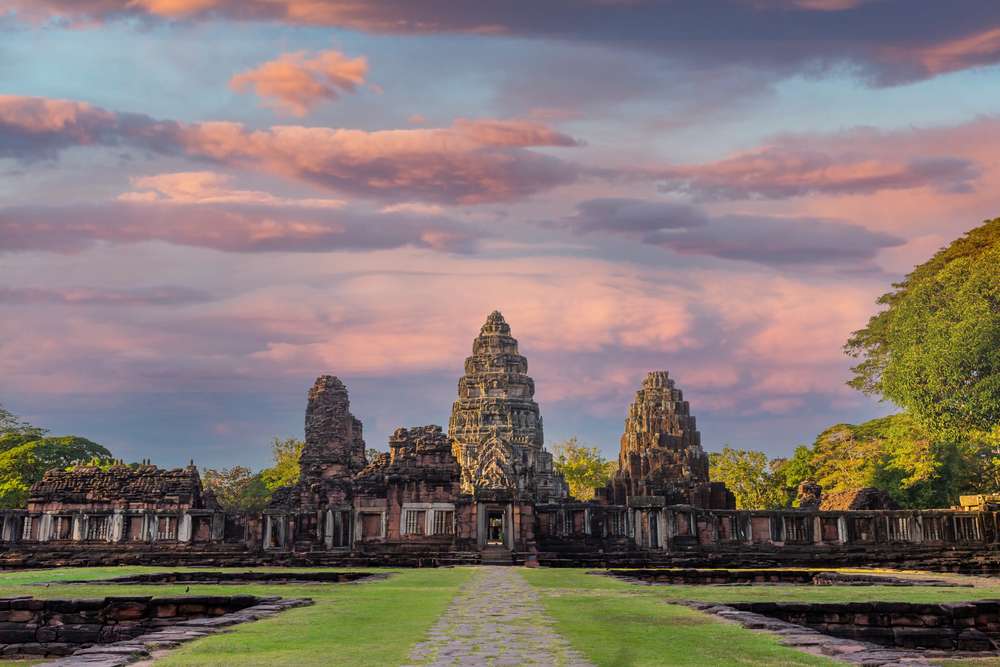
From Bangkok, head north to Chiang Mai. This flight takes about an hour and offers a stark contrast to the capital. Chiang Mai is cooler, greener, and more relaxed. It is the heart of Lanna culture. Spend three days exploring the old city temples, visiting ethical elephant sanctuaries, and taking a cooking class. The pace here is slower, giving you time to recover from the initial jet lag and city bustle.
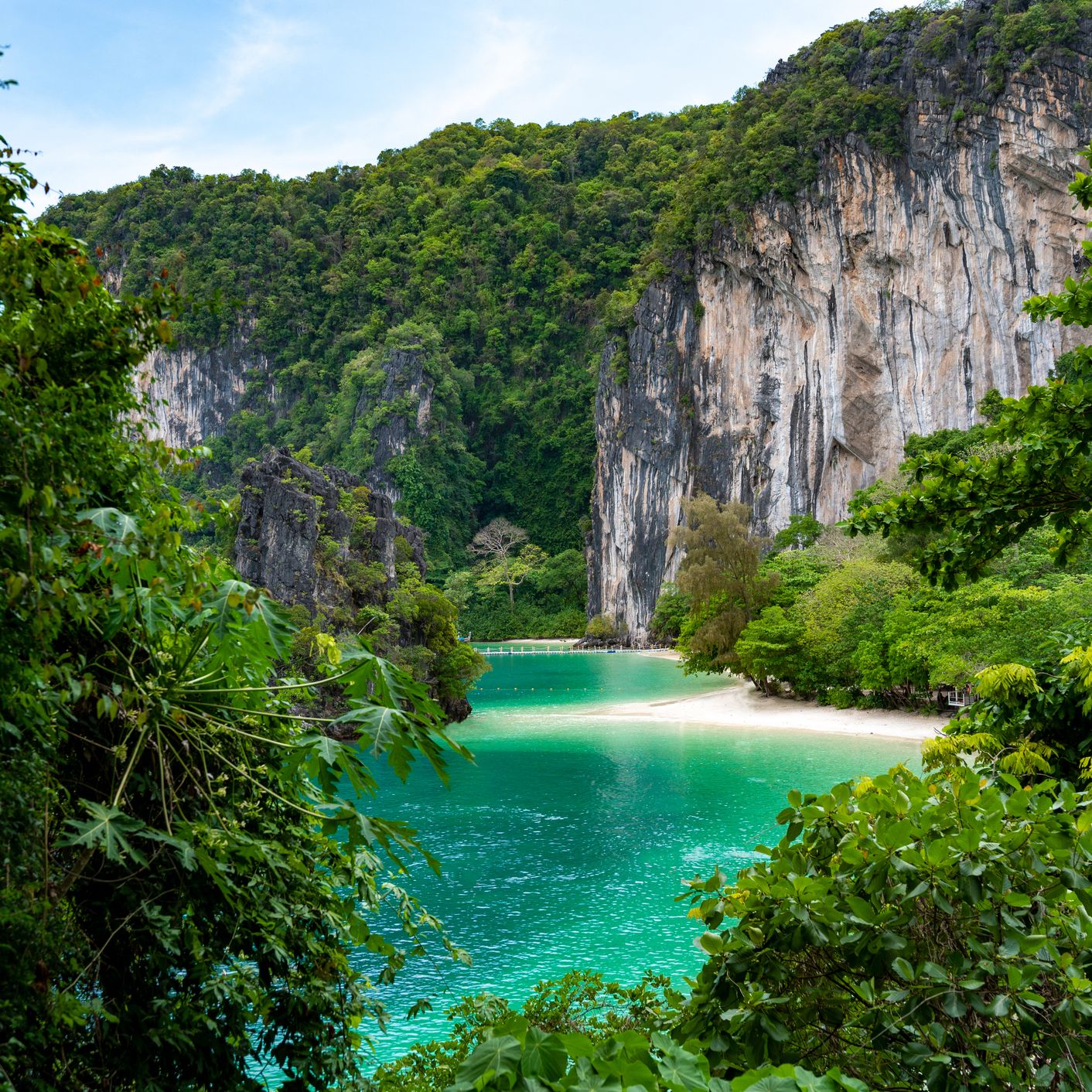
Finally, fly south to the islands. The Andaman Sea (Phuket, Krabi, Phi Phi) and the Gulf of Thailand (Koh Samui, Koh Phangan) offer different beach experiences. Choose one side based on the season. The Andaman Sea is best from November to April, while the Gulf is often calmer during the monsoon months. Two weeks in the south is ideal. This final leg allows you to unwind before heading home.
Daily budget for a Thailand travel guide
Thailand offers some of the best value in Southeast Asia, but your daily spend depends entirely on how you move and where you sleep. A realistic Thailand travel guide budget breaks down into three distinct tiers: backpacker, mid-range, and luxury. Understanding these ranges helps you plan without surprise expenses.
Budget travel: $30–$50 per day
Backpackers can experience Thailand for as little as $30 a day if they stick to street food, hostels, and local transport. This tier relies on sleeping in fan-only dorms, eating at night markets, and using buses or trains instead of flights. You can find cheap island ferries and songthaews (shared taxis) for a few baht per ride.
Mid-range travel: $80–$150 per day
Most travelers fit somewhere in-between. This budget allows for air-conditioned private rooms, occasional domestic flights, and a mix of street food and restaurant meals. You can afford guided tours, island-hopping boats, and occasional taxi rides. It offers comfort without the premium price tag of luxury resorts.
Luxury travel: $200+ per day
Luxury in Thailand is still affordable compared to Western destinations. This tier covers five-star resorts, private transfers, fine dining, and exclusive experiences like private longtail boat tours. You can easily spend $100 a day on just accommodation in high-end areas like Phuket or Koh Samui.
| Category | Budget ($/day) | Mid-Range ($/day) | Luxury ($/day) |
|---|---|---|---|
| Accommodation | Hostel dorm ($8–15) | 3-star hotel ($30–60) | 5-star resort ($100+) |
| Food | Street food ($3–8) | Restaurants ($15–30) | Fine dining ($50+) |
| Transport | Bus/Train ($5–15) | Flights/Taxis ($20–50) | Private driver ($80+) |
| Activities | Free beaches ($0) | Tours ($20–40) | Private tours ($100+) |
These estimates assume you are staying in popular tourist areas like Bangkok, Chiang Mai, or the islands. Remote locations or peak season dates (November–February) can push costs toward the higher end of each range.
Cultural norms and etiquette
Thailand is often called the "Land of Smiles," but beneath that warm exterior lies a society governed by strict social codes. Navigating these unwritten rules is the difference between being treated as a welcomed guest and standing out as an oblivious outsider. For anyone planning a Thailand travel guide itinerary, understanding these nuances is just as important as booking your flights.
The concept of "face"—social standing and dignity—is central to Thai culture. Public confrontation, raising your voice, or displaying anger is considered deeply shameful. If you make a mistake, apologize quietly and move on. Aggression never resolves issues; patience and a calm demeanor almost always will. This applies to everything from traffic disputes to hotel check-in problems.
Physical hierarchy matters more than you might expect. The head is considered the most sacred part of the body, while the feet are the lowest and dirtiest. Never touch anyone on the head, not even a child’s, as it is believed to house the soul. Conversely, do not point your feet at people, Buddha images, or sacred objects. When sitting on the floor, tuck your legs to the side or cross them so your soles do not face others.

Never touch anyone’s head or point your feet at a Buddha image or person. This is a serious cultural offense that can cause genuine distress or anger.
Dress modestly, especially when visiting temples (wats) or royal palaces. Shoulders and knees must be covered for both men and women. Remove your shoes before entering a home or certain shops; look for shoes lined up at the door as your cue. When in doubt, observe what locals are doing and follow suit.
The "wai" is the traditional greeting, pressing your palms together in a prayer-like gesture near your chest or nose while slightly bowing. While tourists are not expected to master the exact timing, returning a wai with a smile is a respectful gesture. However, you do not need to wai service staff or children; a simple nod or smile is sufficient.
Respect for the monarchy is absolute. It is illegal to criticize or mock the Thai royal family. Do not step on banknotes, as they feature the King’s image. Treat money with care, and never place items on top of coins or bills.
Packing essentials for Thailand
Packing for a Thailand travel guide itinerary means balancing three conflicting demands: scorching heat, sudden tropical downpours, and strict temple dress codes. You aren't just packing for weather; you are packing for cultural compliance and physical comfort. The goal is to travel light enough to navigate bustling markets and uneven temple stairs without breaking your back, but prepared enough to handle the humidity that makes cotton cling and synthetic fabrics feel like plastic wrap.
Start with your footwear. You will be taking your shoes off frequently—every time you enter a temple, a traditional home, or even some small shops. Slip-on sandals or lightweight sneakers are ideal because laces are a hassle when you are rushing between sites. Avoid heavy hiking boots unless you are trekking in the far north during winter; they will cook your feet in Bangkok’s summer heat. Bring one pair of sturdy walking shoes for long days and one pair of easy-on sandals for evenings and temple visits.
Clothing should be loose, breathable, and modest. Lightweight linen or moisture-wicking fabrics are your best friends. For temple visits, shoulders and knees must be covered. This doesn't mean you need a full burqa; a simple scarf or sarong that doubles as a beach cover-up is perfect. It can wrap around your waist when you are in shorts, or over your shoulders when you need to cover up. Avoid sheer fabrics that become transparent when sweaty. Pack quick-dry materials because laundry services are cheap and ubiquitous, but you won't always have time to wash clothes before your next long bus ride.
Health and hygiene items are non-negotiable. The humidity is relentless, and sweat rash is a common complaint for first-time visitors. Bring anti-chafing cream for your thighs and underarms. Mosquito repellent with DEET is essential, especially during the rainy season and in rural areas where dengue fever is a risk. A compact, reusable water bottle with a built-in filter or purification tablets can save you from buying endless plastic bottles, though sticking to sealed bottled water is the safest bet for most travelers. Finally, pack a small first-aid kit with blister plasters, antiseptic wipes, and oral rehydration salts, as stomach bugs are the most common travel ailment in Southeast Asia.
Prioritize slip-on shoes. You will remove them constantly at temples and homes. Sandals for heat, lightweight sneakers for walking. Avoid heavy boots or complex laces.
Pack loose, breathable fabrics. Always carry a sarong or scarf to cover shoulders and knees when entering religious sites. Avoid sheer materials.
Use anti-chafing cream and DEET-based repellent. Quick-dry fabrics are essential. Pack a small first-aid kit with blister plasters and rehydration salts.
-
Slip-on sandals or easy sneakers
-
Lightweight linen or moisture-wicking clothes
-
Sarong or large scarf for temple cover-ups
-
DEET-based mosquito repellent
-
Anti-chafing cream
-
Reusable water bottle
-
Blister plasters and oral rehydration salts
-
Quick-dry towel
Common questions about Thailand travel
Navigating the logistics of a trip to Southeast Asia often raises specific concerns before you even book your flight. Below are answers to the most frequent practical questions about budgeting, visas, and health while following a Thailand travel guide itinerary.
No comments yet. Be the first to share your thoughts!