

When to plan your trip
Choosing the right month for your Thailand travel guide itinerary depends on balancing weather, crowds, and your budget. Thailand’s climate is generally divided into three distinct seasons, each offering a different experience for travelers.
The dry season runs from November to April. This is the most popular time to visit, with cooler temperatures and minimal rainfall. It’s ideal for island hopping and beach activities, but also the busiest. Expect higher prices for flights and accommodation, especially around major holidays. The hot season peaks in March and April, with temperatures often soaring above 35°C (95°F). While still dry, the heat can be intense, particularly in the interior regions. Songkran, the Thai New Year festival in mid-April, brings massive crowds and water fights nationwide, driving up costs and requiring early bookings.
The rainy season spans May to October. Contrary to popular belief, it doesn’t rain all day every day. Showers are usually short and intense, often in the late afternoon, followed by clear skies. This is the low season, meaning fewer tourists and significantly lower prices. It’s a great time for budget travelers and those who don’t mind occasional rain. However, some islands and national parks may have limited access or closed facilities during the monsoon months.
Map of key regions
Thailand stretches across diverse landscapes, making it easy to mix urban energy, mountain culture, and island relaxation in a single trip. The country is generally divided into three main travel zones, each offering a distinct rhythm and set of experiences for visitors following this Thailand travel guide.
Bangkok: The Urban Gateway
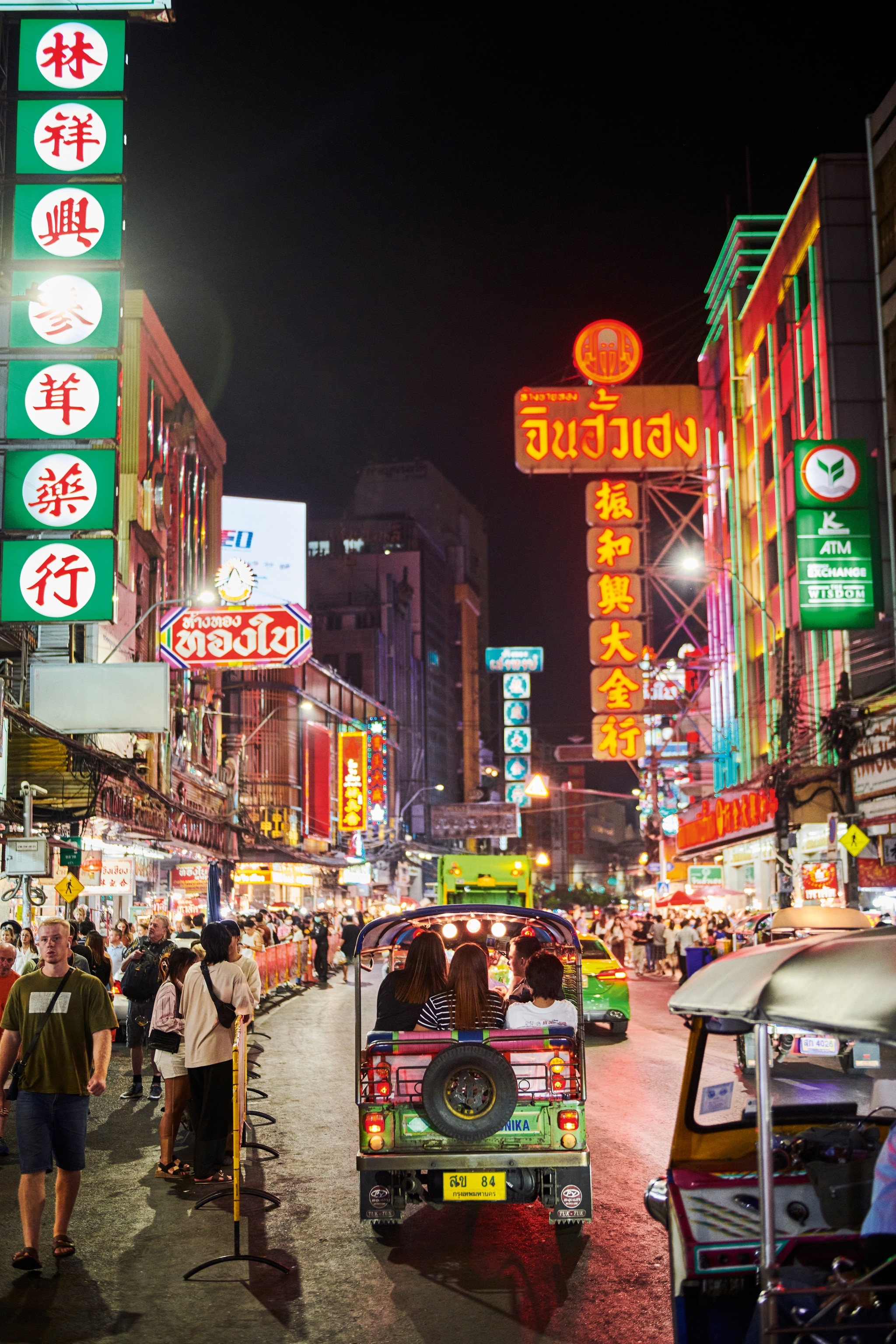
As the capital and primary entry point, Bangkok serves as the bustling heart of the country. It is a sensory overload of ornate temples, sprawling markets, and world-class street food. Most itineraries begin here, using the city as a hub to access the rest of the nation via efficient domestic flights or overnight trains.
The North: Mountains and Culture
Heading north leads to Chiang Mai and the surrounding highlands. This region is cooler, greener, and more laid-back, defined by ancient Lanna history, hill tribe villages, and dense jungles. It is the ideal base for trekking, ethical elephant sanctuaries, and exploring traditional crafts and cuisine.
The South: Island Paradises
The southern peninsula splits into two coastlines, each with different monsoon seasons. The Andaman side (Phuket, Krabi) is best visited from November to April, offering dramatic limestone cliffs and clear waters. The Gulf side (Koh Samui, Koh Phangan) shines from January to September, providing a slightly different set of beaches and party scenes.
North: Temples and mountains
Northern Thailand offers a distinct cultural rhythm compared to the south, centered around Chiang Mai and the hill country leading to Chiang Rai. This region is the heart of Lanna heritage, where ancient temples sit alongside misty mountains and ethnic hill tribe villages. A Thailand travel guide must account for the cooler climate and the slower pace of life in the highlands.
Chiang Mai serves as the logistical hub. From here, you can explore the historic Old City temples or head north to the Doi Suthep mountain shrine. For a more remote experience, the night markets offer local food and crafts at budget-friendly prices. Budget travelers often find that $30 to $50 a day covers accommodation and meals in the north, though luxury resorts in Pai or Chiang Rai can push costs higher.
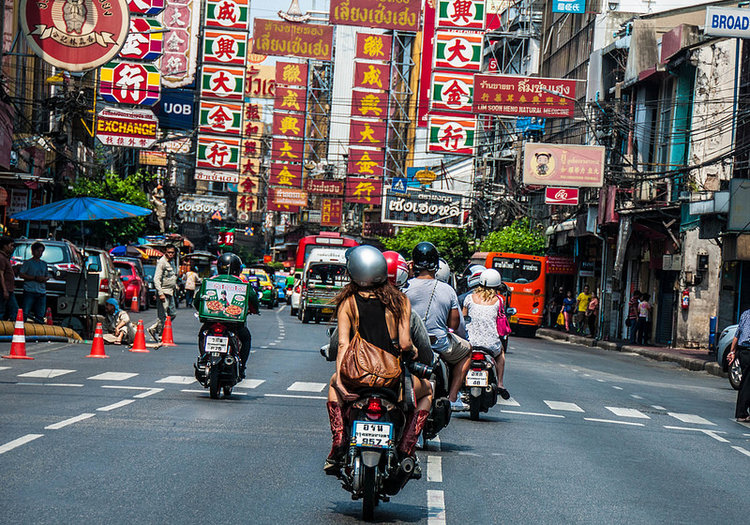
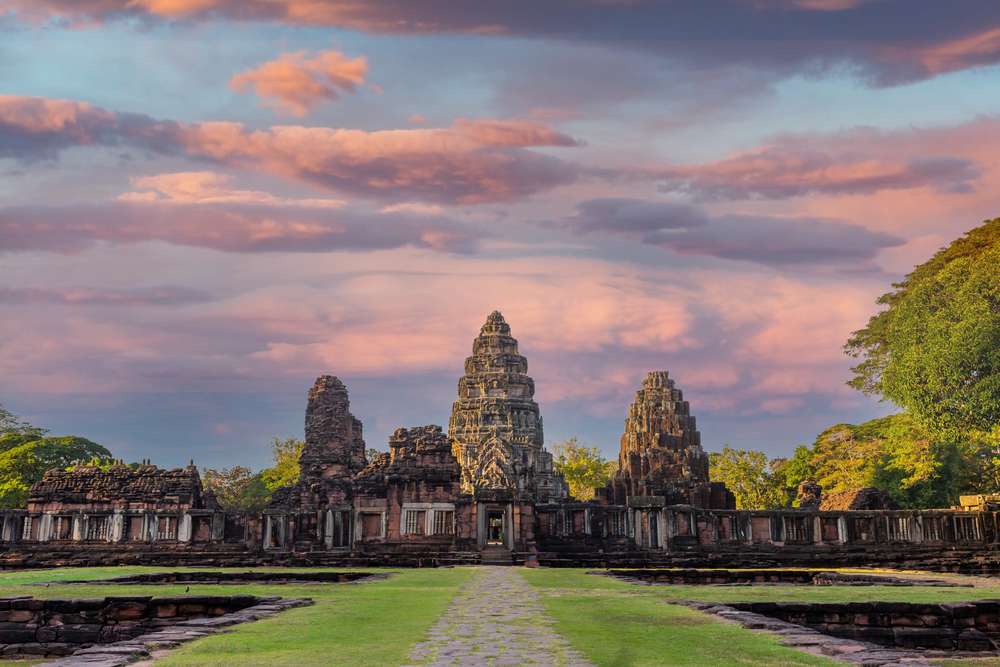
Heading further north to Chiang Rai reveals the stark white beauty of Wat Rong Khun (the White Temple) and the blue elegance of Wat Rong Suea Ten (the Blue Temple). These architectural marvels stand in contrast to the traditional gold-leaf temples of Chiang Mai. The drive between the two cities takes about three to four hours, passing through scenic mountain passes. Many travelers use this route to connect the cultural highlights of the north before heading south to the islands.
South: Islands and beaches
Thailand’s southern coastline splits into two distinct experiences depending on which side of the isthmus you choose. The Andaman Sea on the west and the Gulf of Thailand on the east have opposite monsoon seasons, meaning the best time to visit one is often the rainy season for the other. Picking the right group for your travel dates is the single most important logistical decision in a Thailand travel guide itinerary.
The Andaman Sea hosts the famous limestone karsts of Krabi and Phuket. This region offers the most dramatic scenery and world-class diving, but it shuts down during the southwest monsoon from May to October. If you visit in the high season (November to April), expect higher prices and crowded beaches. The Gulf islands, including Koh Samui, Koh Phangan, and Koh Tao, stay drier from June to September, making them the ideal summer escape when the west coast is soaked.
Accessibility also differs between the two. The Andaman islands are primarily reached by ferry from Phuket or Krabi, which can be slow and prone to cancellations during rough seas. The Gulf islands often have direct flights to Samui or ferry connections from Surat Thani, offering more flexible routing for travelers with tight schedules. Understanding these geographic and weather divides helps you avoid booking a beach holiday during the peak of the rainy season.
| Feature | Andaman Sea | Gulf of Thailand |
|---|---|---|
| Best Time to Visit | November – April | June – September |
| Key Islands | Phuket, Phi Phi, Krabi | Samui, Phangan, Tao |
| Vibe | Dramatic cliffs, luxury resorts | Relaxed, party, diving |
| Accessibility | Ferry from Phuket/Krabi | Direct flights or fast ferry |
Street food and local dining
Thailand’s street food scene is the heartbeat of the country’s culinary identity, offering everything from iconic Pad Thai to regional specialties that define local dining culture. As a central pillar of any Thailand travel guide, understanding where and how to eat is essential for an authentic experience. You can find incredible meals for just a few dollars, making it one of the most affordable and rewarding aspects of visiting.
Start with the staples: stir-fried noodles, grilled skewers, and fresh spring rolls are ubiquitous. In Bangkok, Chinatown (Yaowarat) offers a dazzling array of options, while Chiang Mai’s night markets feature northern specialties like khao soi (curry noodle soup). Head south to Phuket or Krabi for seafood stalls grilling fresh catch right by the beach. The key is to follow the locals; busy stalls with high turnover usually serve the freshest food.
Hygiene is a common concern, but risk is minimal if you follow simple rules. Choose stalls where the food is cooked fresh in front of you and served piping hot. Avoid pre-cut fruit or ice of questionable origin. Stick to bottled or filtered water, and don’t hesitate to ask for no ice (mai ao nam kong) if you have a sensitive stomach. With basic precautions, you can safely enjoy the vibrant, flavorful world of Thai street food.

Thailand travel guide: daily costs by budget
Planning a trip to Thailand requires understanding that your daily spend depends entirely on your comfort level. The question "is $100 a day enough for Thailand?" is common, but the answer varies by travel style. Backpackers can survive on $30 daily, while luxury travelers can easily spend $150 or more. Most mid-range travelers find a comfortable middle ground.
Backpacker budget: $30–$50 per day
Hostels in Thailand cost between $10 and $20 per night. Street food meals run $1–$3, and local buses or shared songthaews cost pennies. You can visit major temples and hike national parks for minimal fees. This budget requires flexibility and a willingness to sleep in dorms, but it offers an authentic immersion into local life.
Mid-range budget: $80–$100 per day
Mid-range travelers typically pay $40–$60 for private hotel rooms or boutique resorts. Dining includes a mix of street food and sit-down restaurants, costing $15–$25 daily. Domestic flights between islands or cities add $50–$100 per trip. This tier allows for comfort without the premium price tag, making it the sweet spot for most visitors.
Luxury budget: $150+ per day
Luxury travel in Thailand features private villas, five-star resorts, and private transfers. Dining includes high-end seafood and international cuisine, often exceeding $50 per meal. Guided tours, private boat charters, and spa treatments add significant costs. This budget ensures exclusivity and convenience, with no need to use public transport or navigate crowded areas.
Saving money on transport and food
To keep costs down, use local buses and ferries instead of private taxis. Eat where locals eat; street food is safe, delicious, and cheap. Book accommodations in advance for better rates. Avoid tourist traps in heavily visited areas like Phuket’s Patong Beach, where prices are inflated. Instead, head to smaller islands or mainland towns for better value.
Thailand travel guide: pre-trip checklist
Before you book your flights, handle the administrative basics. Getting these details right prevents headaches when you land in Bangkok or Phuket.
Many nationalities get a 30-day visa exemption on arrival. Check if your passport qualifies or if you need to apply for an e-Visa in advance. Requirements change frequently, so verify with the Royal Thai Embassy website.
Healthcare is affordable but can be expensive for serious incidents. Purchase a policy that covers medical evacuation and hospitalization. Public hospitals are crowded; private hospitals offer faster service but cost more.
Download Grab for reliable transportation and food delivery. Have a translation app ready for remote areas. Google Maps works well, but local ride-hailing apps often provide better prices for short trips.
Pack light, breathable clothing for the heat. Bring a sarong for temple visits, which require covered shoulders and knees. Include basic toiletries, as smaller shops may not stock Western brands.
-
Passport valid for 6+ months
-
Printed hotel bookings
-
Local currency (THB) in small bills
-
Power adapter (Type A, B, C, O)
-
Download offline maps
No comments yet. Be the first to share your thoughts!