
Plan the route
Thailand Travel works best as a clear sequence: define the constraint, compare the realistic options, test the tradeoff, and choose the path with the fewest hidden costs. That order keeps the advice usable instead of decorative. After each step, pause long enough to check whether the recommendation still fits the reader's actual situation. If it depends on perfect timing, unusual access, or a best-case budget, include a simpler fallback.
Stops worth prioritizing
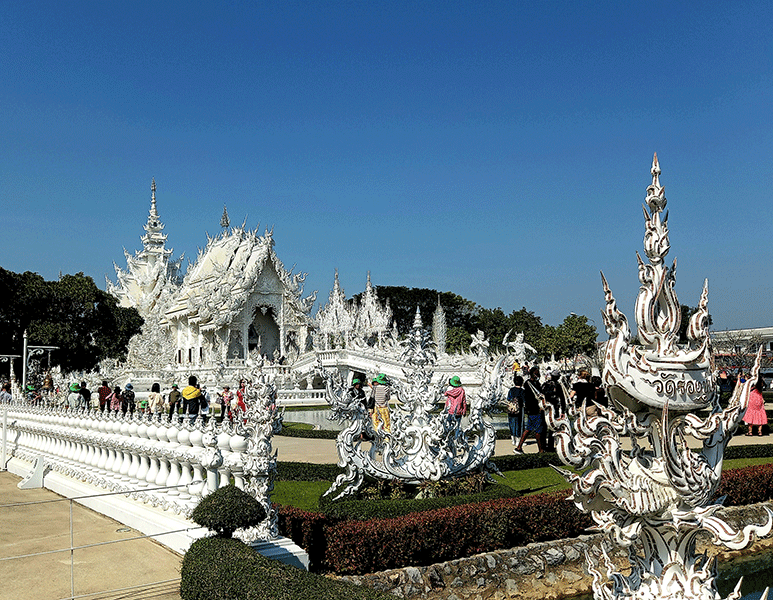
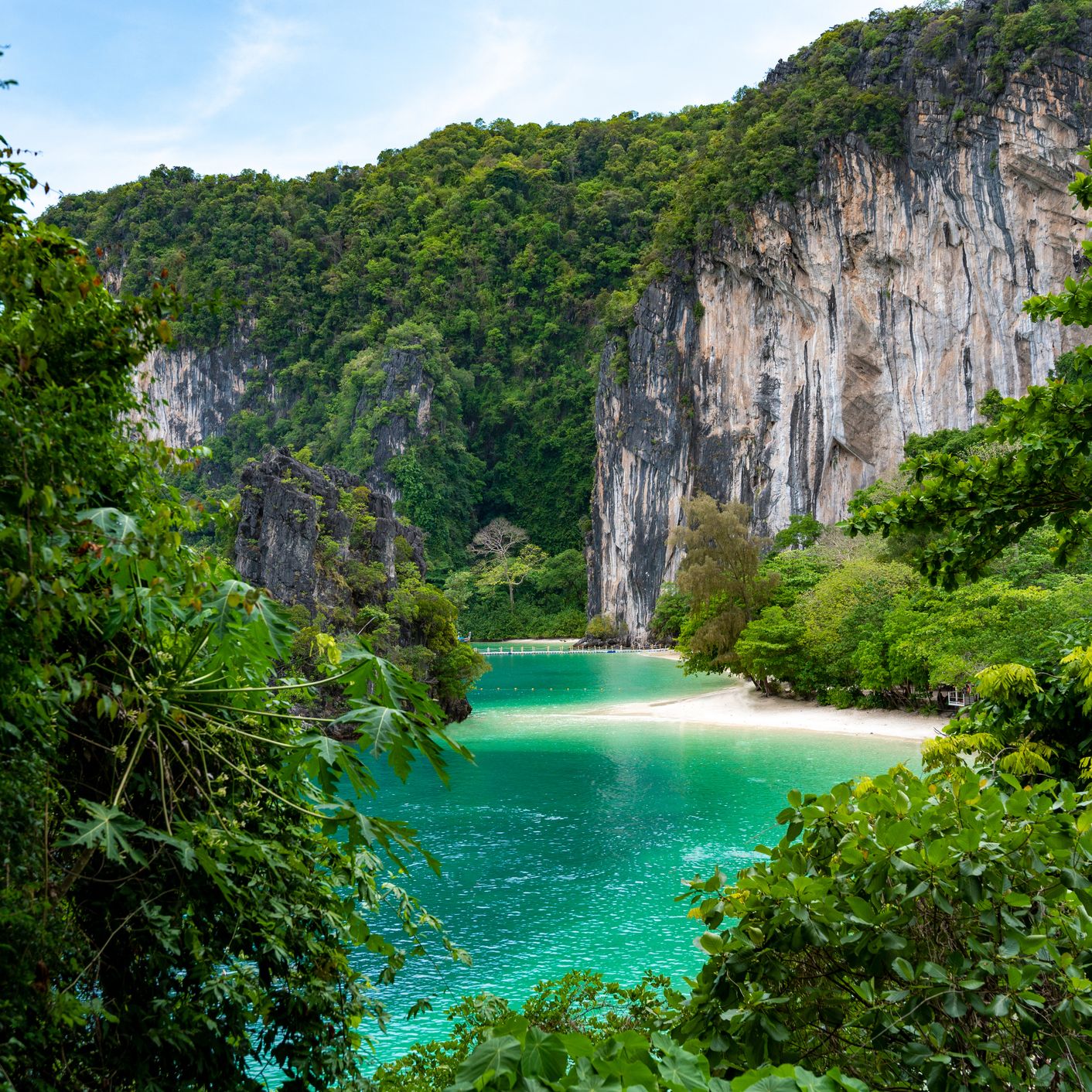
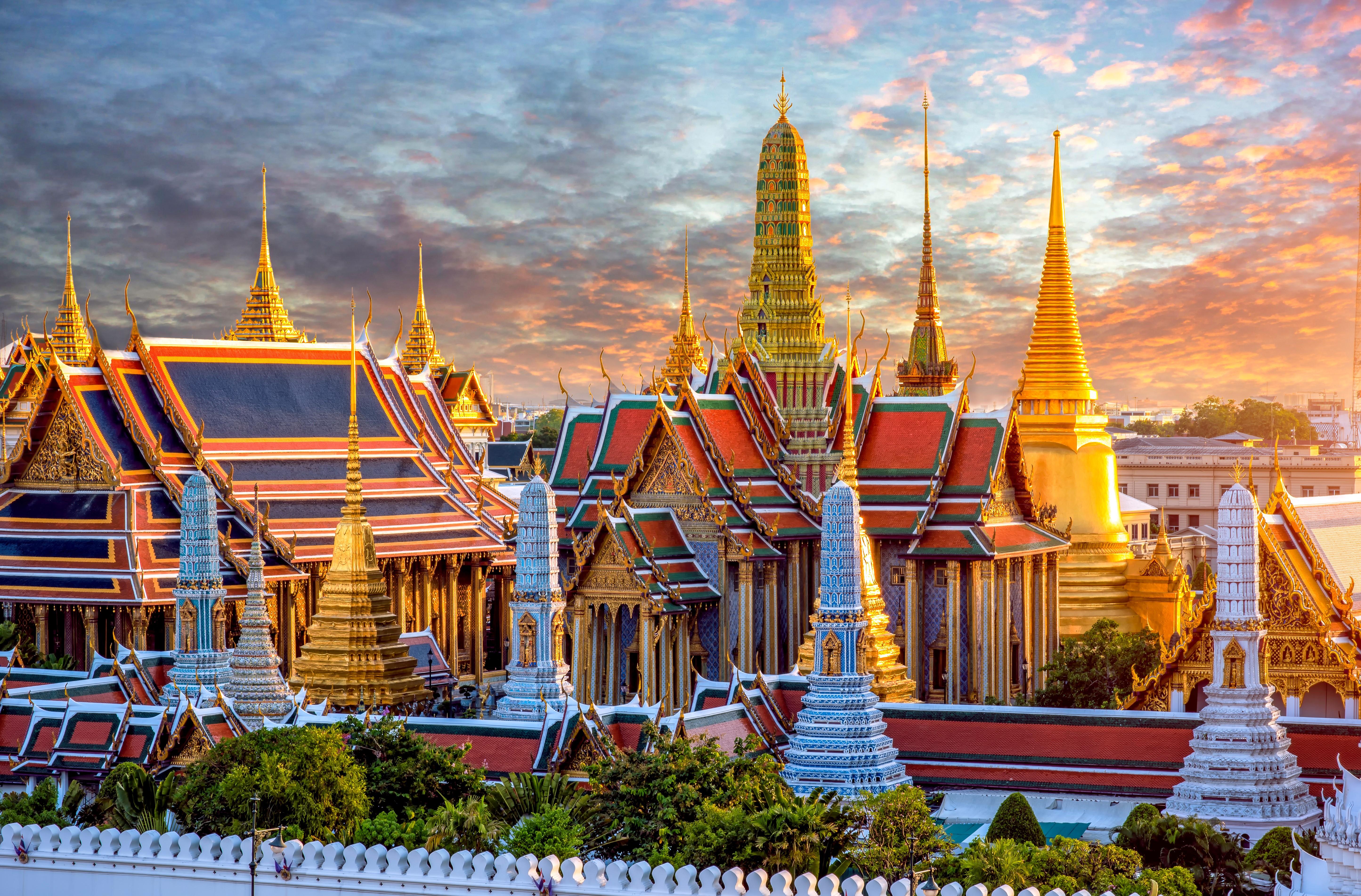
Thailand offers a vast array of destinations, but fitting them all into one trip is impossible. The most effective way to plan is to separate the essential hubs from the optional detours. Most first-time visitors should anchor their itinerary around Bangkok for urban culture, Chiang Mai for northern history, and one island region—either the Gulf or the Andaman Sea—for coastal time. Trying to chase every trending spot often leads to transit fatigue and shallow experiences.
Bangkok serves as the energetic gateway. It is not just a stopover but a destination in itself, with temples like Wat Arun and vibrant street food scenes that deserve at least two full days. From there, moving north to Chiang Mai offers a stark contrast in pace and landscape. The northern capital is ideal for those seeking cooler weather, hill tribe culture, and elephant sanctuaries, provided you choose ethical operators that prioritize animal welfare over riding.
For the islands, the choice depends on your travel window and desired vibe. The Gulf islands, such as Koh Samui and Koh Phangan, offer a more relaxed, resort-friendly atmosphere and are generally drier during the summer months. In contrast, the Andaman side, including Phuket, Krabi, and Phi Phi, features dramatic limestone cliffs and world-class diving but draws larger crowds. Avoiding the peak monsoon seasons for each region is critical to enjoying the water.
Rather than treating every location as a priority, view them as layers of experience. You might prioritize Bangkok for its intensity, Chiang Mai for its tranquility, and one island for relaxation. This approach ensures you see the highlights without rushing. Use the comparison below to weigh the trade-offs between the two main island regions, then decide which fits your schedule best.
| Region | Best For | Dry Season | Crowd Level |
|---|---|---|---|
| Gulf Islands | Relaxed resorts, family trips | March–October | Moderate |
| Andaman Sea | Diving, dramatic scenery | November–April | High |
| Bangkok | Urban culture, street food | November–February | Very High |
| Chiang Mai | Temples, nature, hiking | November–February | Moderate |
Local caveats and timing
Timing your visit to align with local holidays and weather patterns can make or break your experience. The hot season from March to May can be uncomfortably humid, while the rainy season brings short, intense downpours that rarely last all day but can disrupt boat transfers to the islands. The cool season, from November to February, is peak tourist time; expect higher prices and booked-up accommodations, so reserve early.
Be mindful of cultural norms when visiting temples and royal sites. Modest dress is required, and certain behaviors are strictly prohibited. Additionally, while Thailand is generally safe, petty theft can occur in crowded tourist areas. Keep valuables secure and use reputable transportation services. By focusing on a few key stops and respecting local customs, you will find a more authentic and enjoyable journey.
Timing and logistics
Getting around Thailand requires a mix of patience and planning. The country’s transit infrastructure is layered: modern in Bangkok and Phuket, but fragmented in rural provinces. For intercity travel, book flights or overnight trains at least two weeks in advance during peak season (November–February). Domestic carriers like AirAsia and Nok Air often have sales, but prices spike close to departure dates. Trains are scenic but slow; the overnight sleeper from Bangkok to Chiang Mai is a popular choice for budget travelers, though seats fill up quickly.
Parking in major cities like Bangkok and Phuket is scarce and expensive. Hotels rarely include free parking, and street parking is often monitored by cameras or paid via apps like ParkAssist. If you’re driving, expect to pay 100–300 THB per night at secure lots. In contrast, smaller islands and northern towns often have free roadside parking, but security is not guaranteed. Consider renting a scooter only if you’re experienced; police checkpoints are common, and fines for missing helmets or licenses can be steep.
Reservations are essential for popular attractions. Entry to places like the Grand Palace or Wat Arun requires online booking during holidays. For food, dinner reservations at high-end restaurants in Bangkok or Phuket should be made days ahead. Street food and local eateries rarely require bookings, but expect queues during lunch hours (12–2 PM) and dinner (7–9 PM). Always carry cash, as many small vendors and transport options do not accept cards.
-
Book domestic flights or trains 2+ weeks ahead for peak season
-
Confirm hotel parking availability and fees
-
Pre-book entry tickets for major temples and attractions
-
Carry sufficient cash (THB) for transport and small vendors
-
Download offline maps and transit apps (Grab, Bolt, 12Go)
Thai trip lover: what to check next
Planning a trip to Thailand involves more than just picking dates. You need to know how the weather shifts between regions, what to pack for temple visits, and which wildlife encounters are actually ethical. Here are the practical answers to the most common questions travelers ask before booking.
These basics will help you avoid common pitfalls. Keep these points in mind as you build your itinerary, and you'll be ready for the road ahead.
No comments yet. Be the first to share your thoughts!