
Plan the route
Thailand’s geography stretches over 1,800 kilometers north to south, and the weather varies significantly between the Andaman Sea and the Gulf of Thailand. Trying to cover the entire country in one trip often leads to exhaustion rather than enjoyment. Instead, treat the trip as a series of distinct regions rather than a single continuous loop.
1. Start in Bangkok and the Central Plains
Begin your journey in Bangkok to acclimate to the heat and humidity. Use the first two days for urban exploration, visiting the Grand Palace and Wat Pho, before taking a short trip to Ayutthaya or Kanchanaburi. This region is hot year-round, so schedule outdoor activities for the early morning. The city’s chaotic energy serves as a useful baseline for adjusting to Thai travel rhythms.
2. Head North to Chiang Mai and Chiang Rai
Fly from Bangkok to Chiang Mai (one hour) to escape the coastal heat. The northern highlands are cooler from November to February, making this the ideal time for temple visits and hill tribe treks. From Chiang Mai, you can easily reach Chiang Rai to see the White Temple. This leg of the journey is best done over four to five days, allowing time for slower-paced exploration of the Doi Suthep-Pui National Park.
3. Choose a Coast: Andaman or Gulf
Your final destination depends on the season. If you are traveling between November and April, the Andaman Sea side (Phuket, Krabi, Phi Phi Islands) has calm seas and clear water. If you are visiting during the monsoon months of May to October, the Gulf side (Koh Samui, Koh Phangan, Koh Tao) often remains sunny while the west coast experiences heavy rain. This geographic split is the single most important factor in planning your itinerary.
4. Connect Regions Efficiently
Domestic flights are cheap and frequent, connecting Bangkok to Chiang Mai, Phuket, and Koh Samui. Avoid long-distance buses unless you have ample time; a bus ride from Chiang Mai to Bangkok can take twelve hours. For island hopping, book ferries in advance during peak season. Prioritize direct transport links to minimize transit time and maximize your stay in each location.
- Confirm domestic flight bookings at least two weeks before travel during peak season.
- Check monsoon patterns for your specific destination month before booking island stays.
- Pack light; domestic luggage allowances on budget airlines can be strict.
- Keep a copy of your visa and passport separate from the originals.
- Download offline maps for areas with poor cellular coverage in the north and islands.
Stops worth prioritizing
Thailand’s geography stretches from the limestone karsts of Krabi to the temples of Chiang Mai, making it easy to overcommit. The key to a smooth itinerary is distinguishing between the essential anchors and the optional detours. Prioritize stops that offer unique cultural or natural value that cannot be replicated elsewhere.
Bangkok serves as the primary gateway. Spend your first two days here to absorb the chaotic energy and visit the Grand Palace. While the city is overwhelming, the street food scene and historic canals provide a necessary introduction to Thai culture before you head to the provinces.
From the capital, most travelers split their time between the north and the islands. Chiang Mai offers a slower pace, temple hopping, and elephant sanctuaries. For beach lovers, the southern islands vary by season. The Andaman coast (Phuket, Phi Phi) is best in the dry season, while the Gulf islands (Koh Samui, Koh Phangan) are accessible year-round.

Use the table below to compare the primary regions. This helps you decide where to allocate your limited vacation days based on your interests in culture, nature, or relaxation.
| Region | Best For | Travel Time | Cost Level |
|---|---|---|---|
| Chiang Mai | Culture & Nature | 1 hour flight | Low |
| Bangkok | Food & History | International airport | Medium |
| Krabi | Islands & Hiking | 1.5 hour flight | Medium |
| Koh Samui | Relaxation | 1.5 hour flight | High |
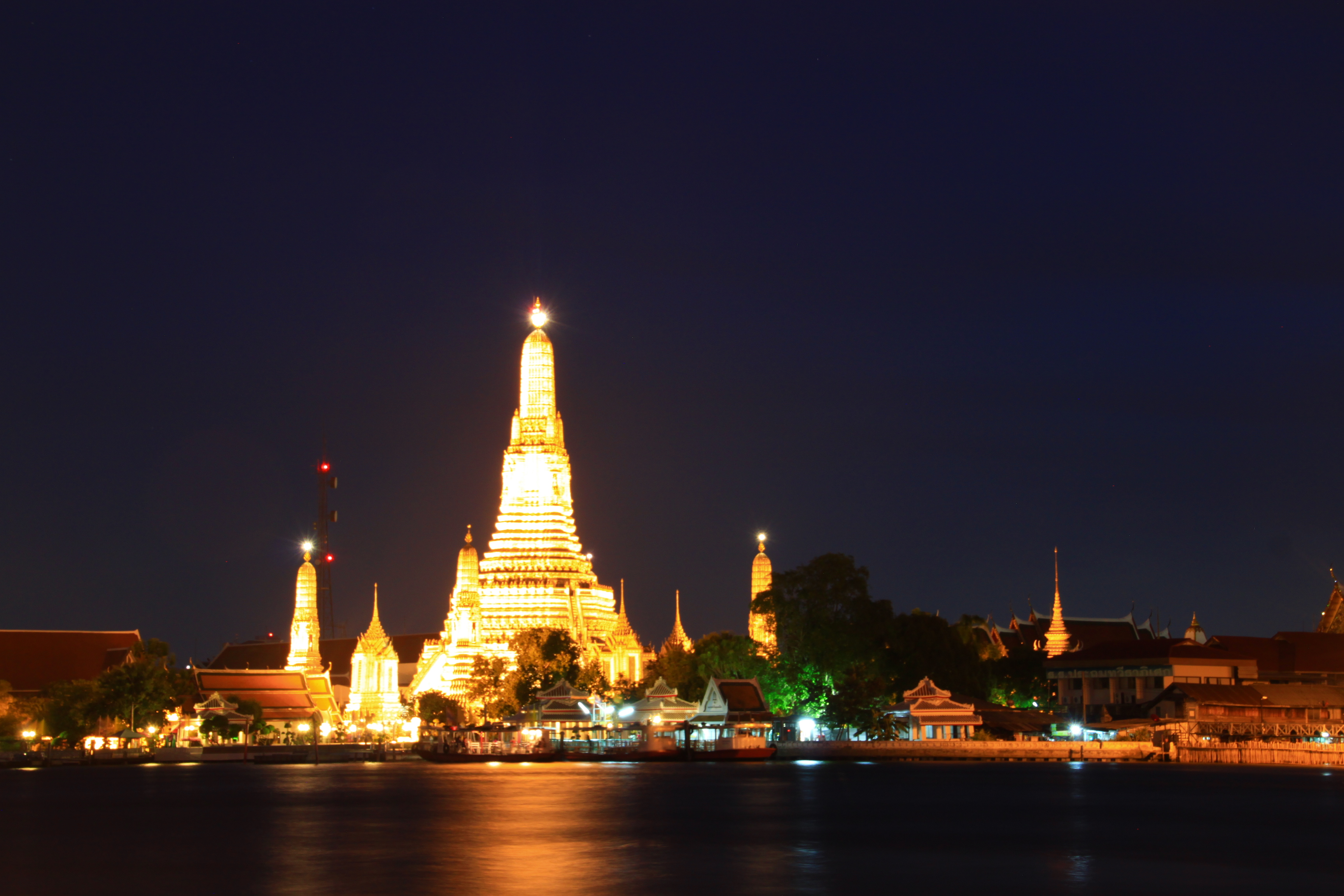
Skip the overly commercialized spots in Bangkok like Patpong if you prefer authentic experiences. Instead, focus on Wat Arun at sunset or a boat tour through the Thonburi canals. Similarly, if you choose Koh Phi Phi, stay on the quieter side of the island to avoid the party noise.
By focusing on these three main hubs—Bangkok, Chiang Mai, and one island group—you can cover the highlights without spending your entire trip in transit. Thailand’s domestic flights are affordable and efficient, making this routing feasible even on a tight schedule.
Timing and logistics
Getting around Thailand requires a mix of planning and flexibility. Public transit is excellent in Bangkok and key tourist hubs like Chiang Mai, but rural areas rely on songthaews (shared trucks), motorbike taxis, or private drivers. For city centers, the BTS Skytrain and MRT subway are the fastest ways to avoid Bangkok’s notorious traffic. Outside the cities, book intercity buses or trains in advance during peak season, as tickets sell out quickly.
Parking is generally easy and cheap in smaller towns, but in Bangkok, expect to pay 40–100 baht per hour at malls and commercial areas. Hotel parking is often included, but verify this when booking. If you plan to rent a motorbike, ensure you have an international driving permit; police frequently fine tourists without one. Always wear a helmet—it’s the law and your best protection.
Reservations are essential for popular attractions like the Grand Palace or island tours, especially during the high season (November–February). Book accommodations at least a few weeks ahead for major destinations like Phuket or Koh Samui. For day trips, local tour operators often offer better rates than hotels, but check reviews to avoid scams.
-
Verify visa requirements for your nationality
-
Book intercity transport during peak season
-
Confirm hotel parking availability
-
Carry small bills for tips and tolls
Thailand travel: what to check next
Planning a trip to Thailand involves more than just picking dates. You need to review safety advisories, cultural etiquette, and seasonal weather patterns to avoid common pitfalls. Here are the practical answers to the most frequent questions travelers ask before booking.
No comments yet. Be the first to share your thoughts!