

Best time to visit Thailand
Thailand’s weather follows a predictable rhythm, but the country’s geography splits the climate into two distinct zones. Choosing the right window depends on which part of the country you plan to explore, as the rainy seasons do not align.
The dry season runs from November to April. This is the peak period for travel, offering clear skies and lower humidity. Temperatures are cooler, particularly in the north, making it ideal for temple visits and trekking. However, this convenience comes with higher costs for flights and accommodation, and popular spots like Phuket and Chiang Mai are at their most crowded.
The wet season varies by coast. The Andaman Coast, home to Phuket and Krabi, experiences its heaviest rains from May to October. Conversely, the Gulf Islands, including Koh Samui and Koh Phangan, enjoy drier weather during these months, with their peak rainy season arriving later, from November to January.
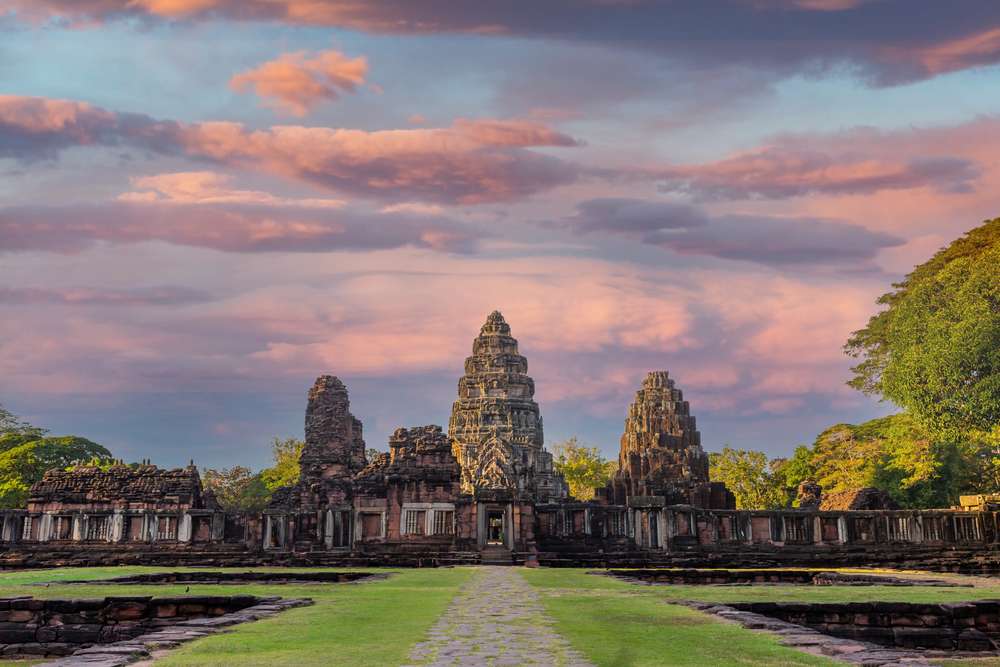
If you prioritize budget and solitude, aim for the shoulder months of May or late October. You will encounter some rain, but it often comes in short, heavy bursts rather than days of gray skies. This trade-off allows for significant savings on lodging and a more relaxed pace at major attractions.
Where to start in Thailand
Bangkok is the logical entry point for almost every Thailand itinerary. As the country’s transport hub, it connects directly to the north toward Chiang Mai and the south toward the islands. Starting here allows you to acclimate to the tropical heat and plan around the chaotic traffic before heading to quieter regions.
Plan to spend three to four days in the city. This duration is enough to cover the major historical sites without rushing. You can walk the Grand Palace and Wat Pho in the morning, then spend the afternoon exploring the Chinatown district or taking a long-tail boat ride through the khlongs (canals).
Bangkok: The Urban Base
Start your mornings early. The temples open at 8:30 AM, and the heat becomes oppressive by noon. Wat Arun (Temple of Dawn) is best visited in the late afternoon when the sun reflects off the porcelain facade, making it ideal for photography before sunset. Use this time to sample street food at Yaowarat Road, where the energy peaks after dark.
Moving North to Chiang Mai
From Bangkok, you can take a short flight (one hour) or an overnight train to Chiang Mai. The train is a classic experience, offering sleeper cabins for a modest price, though it takes ten to twelve hours. Chiang Mai offers a cooler climate and a slower pace, focusing on hill tribe culture, night markets, and elephant sanctuaries.
Head South to the Islands
The final leg of the classic route heads south to Phuket, Koh Samui, or Krabi. Flights from Chiang Mai or Bangkok take roughly two hours. Once in the south, ferries connect the islands. The dry season (November to April) is the only reliable time for island hopping, as the monsoon season brings rough seas and frequent cancellations.
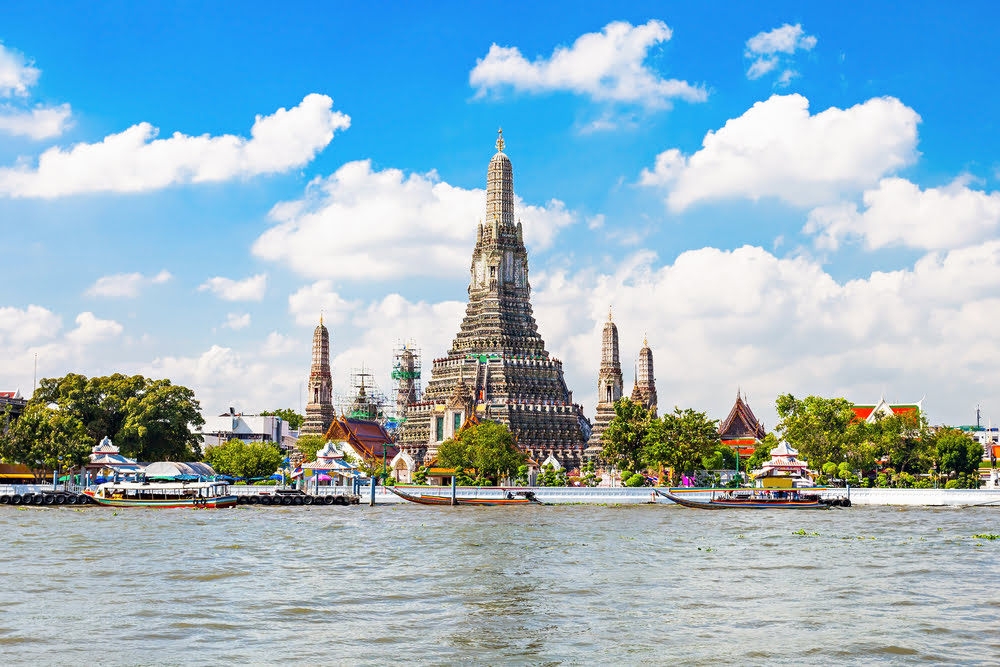
Land at Suvarnabhumi (BKK) or Don Mueang (DMK). Take the Airport Rail Link or a taxi to your hotel in Sukhumvit or Silom. Spend your first evening adjusting to the humidity and grabbing dinner at a local mall or street stall.
Dedicate two full days to temples and history. Visit the Grand Palace, Wat Pho (Reclining Buddha), and Wat Arun. Book a guided tour if you want deeper historical context, or use a audio guide app to navigate independently.

Choose your next destination based on season and interest. For culture and cool air, fly to Chiang Mai. For beaches and diving, fly to Phuket or Krabi. Book domestic flights in advance for better rates.
Thailand trip costs and budgeting
Thailand remains one of the most affordable destinations in Southeast Asia, but daily spending varies significantly depending on your comfort level. Whether you are backpacking through Chiang Mai or staying in a Phuket resort, understanding the daily cost breakdown helps you plan accurately. The following comparison covers accommodation, meals, local transport, and activities across three common travel styles.
| Travel Style | Daily Cost (USD) | Accommodation | Food & Drink | Activities & Transport |
|---|---|---|---|---|
| Budget | $35–$50 | Hostels or basic guesthouses ($10–$20) | Street food and local markets ($10–$15) | Local buses, walking, free beaches ($10–$15) |
| Mid-Range | $70–$120 | 3–4 star hotels or resorts ($40–$70) | Mix of street food and restaurants ($20–$35) | Tuk-tuks, domestic flights, tour fees ($20–$30) |
| Luxury | $200+ | 5-star resorts and villas ($100+) | Fine dining and imported beverages ($50+) | Private guides, chartered boats, spa treatments ($60+) |
For budget travelers, street food is your best friend. A meal of pad thai or som tam from a local stall costs between $1.50 and $3.00, allowing you to eat well without breaking the bank. Accommodation in hostels or basic guesthouses in cities like Bangkok or Chiang Mai typically runs $10–$20 per night. Local transport via red trucks (songthaews) or buses is extremely cheap, often costing less than $1 per trip.
Mid-range travelers can expect to pay $70–$120 per day. This tier offers air-conditioned rooms with pools, private transfers, and access to guided tours. Domestic flights between Bangkok and Phuket or Krabi often cost $50–$80 round-trip if booked in advance. Dining shifts from street stalls to air-conditioned restaurants, where a full meal with a drink costs $5–$10.
Luxury travel in Thailand is world-class and surprisingly accessible. High-end resorts in Koh Samui or Koh Phangan offer private villas and butler service. While costs can easily exceed $300 per day, the value for money remains high compared to Western destinations. Private charters for island-hopping or guided diving trips are common expenses in this bracket.
Staying safe in Thailand
Thailand is generally safe for travelers, but maintaining awareness prevents most issues. The country sees millions of visitors annually with low rates of violent crime against tourists. Most incidents involve petty theft or misunderstandings rather than personal danger. Treat your belongings with the same care you would in any major global city.
Health precautions form the backbone of a safe trip. Drink only bottled or filtered water, even for brushing your teeth. Street food is widely available and usually safe if cooked fresh in front of you; avoid pre-cut fruit left at room temperature. Mosquito-borne illnesses like dengue fever are present year-round, so use repellent containing DEET, especially in rural areas or during the rainy season.
Scams rarely involve violence but can disrupt your itinerary. Taxis may refuse to use the meter, claiming it is broken. Insist on the meter or use ride-hailing apps like Grab for transparent pricing. Tuk-tuk drivers might offer unusually cheap tours, then pressure you into expensive shopping stops. A firm "no" and walking away is the standard response.
Respect local laws and cultural norms to avoid serious legal trouble. Drug offenses carry severe penalties, including long prison sentences. Defaming the monarchy is a criminal offense with strict enforcement. Dress modestly when visiting temples; shoulders and knees should be covered. These simple adjustments keep your focus on enjoyment rather than anxiety.
Thailand travel checklist
Before you board your flight, ensure your documents and health preparations are in order. This final checklist covers the critical logistics for a smooth entry into Thailand.
Your passport must be valid for at least six months beyond your date of entry. Immigration officers are strict about this rule, and failing to meet it can result in denied boarding or entry.
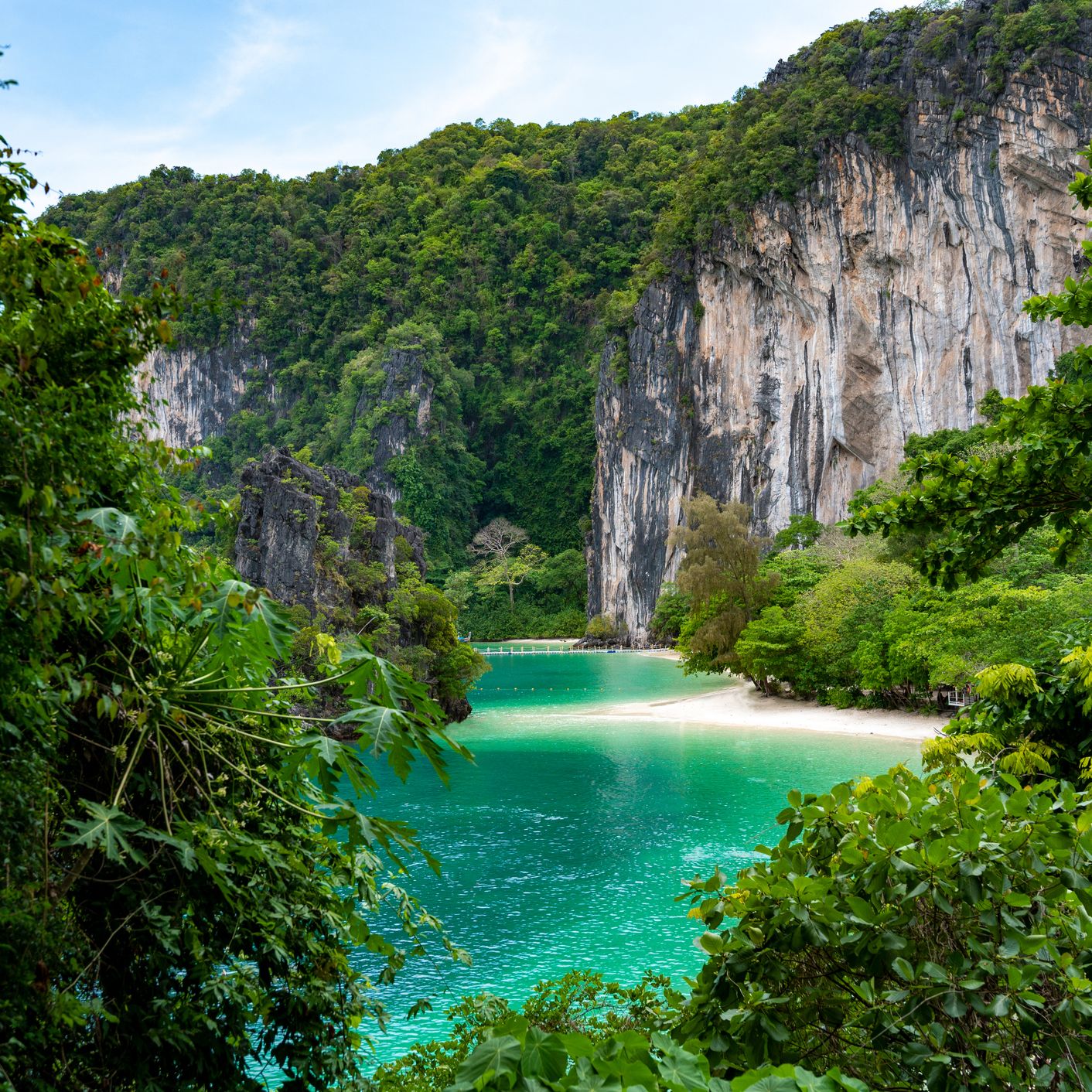
Many nationalities can enter visa-free for short stays, but rules change. Verify your specific eligibility on the Tourism Authority of Thailand website before booking.
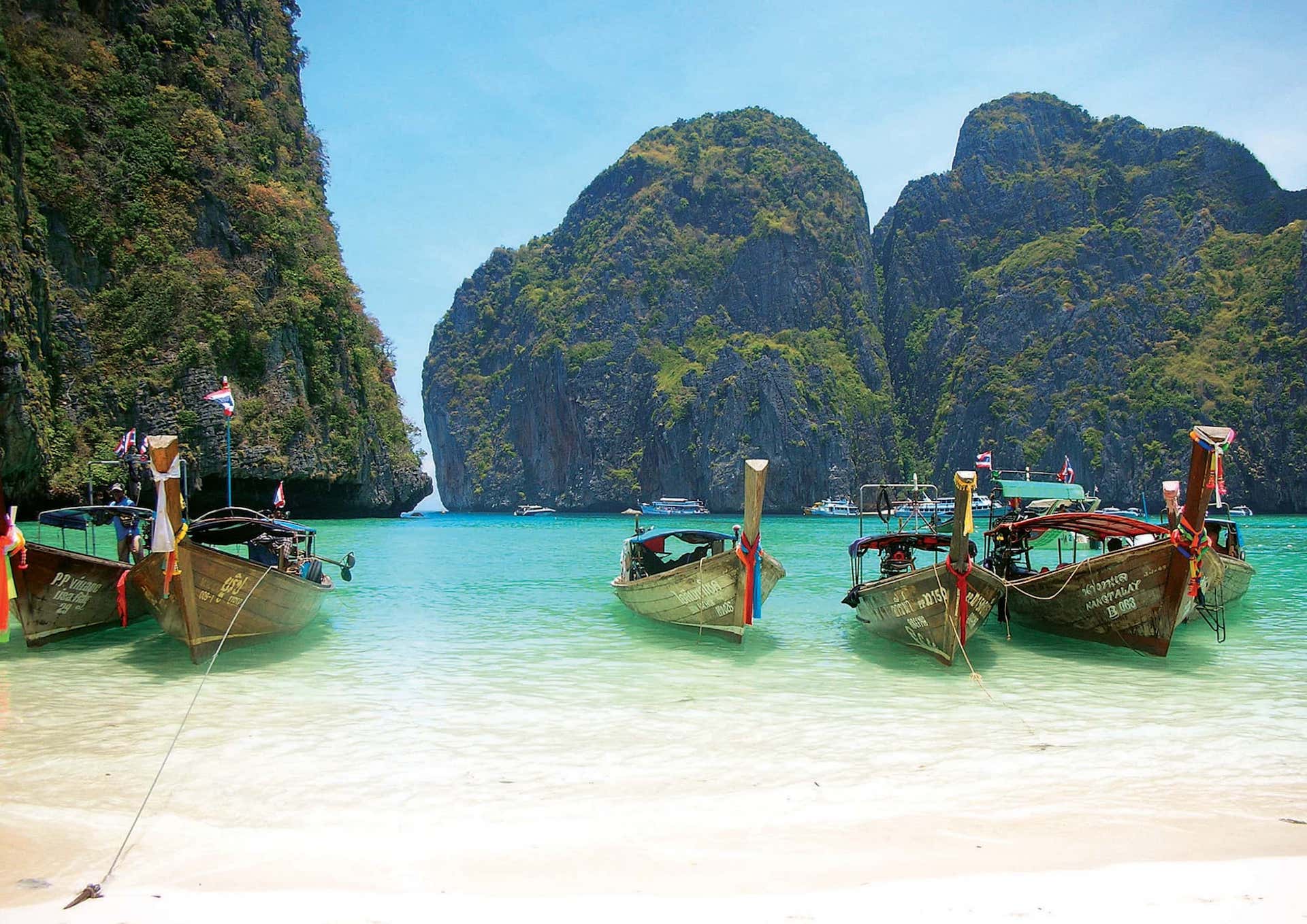
Check your government’s current travel warnings. Some regions may have higher security risks or health screening requirements for arrivals from certain countries.
Ensure you have travel insurance that covers medical evacuation. Carry a copy of your vaccination records, especially if you are visiting rural areas or planning extended stays.
Is Thailand safe for American travelers?
Thailand is generally safe for American travelers, but it requires a nuanced approach. The US State Department advises exercising a high degree of caution due to varying security risks. While violent crime against tourists is rare, petty theft and scams are common in busy areas.
Health and traffic pose the biggest daily risks. Road accidents are a leading cause of injury for visitors. Always wear helmets on motorbikes and use reputable transport services. Food and water safety is also a factor; stick to bottled water and well-cooked street food to avoid illness.
Stay aware of your surroundings, especially at night. Keep copies of your passport and important documents. Register with the Smart Traveler Enrollment Program (STEP) for updates. With basic precautions, Thailand remains a rewarding destination for American visitors.
No comments yet. Be the first to share your thoughts!