
Plan the route
Thailand’s geography is long and narrow, stretching from the borderlands of Myanmar and Laos down to the Malaysian peninsula. Trying to cover Bangkok, Chiang Mai, and the southern islands in a single two-week trip usually means spending more time on planes than in temples or on beaches. The most efficient strategy is to treat the country as three distinct zones, moving north to south or vice versa to follow the wind and weather patterns.
1. Start in the Central Plains
Begin or end your trip in Bangkok and the surrounding central plains. This region is the logistical hub, offering the most direct international flight connections and a dense network of domestic airports. Use this time to acclimate to the humidity and traffic before heading into more remote areas. The city’s temples, markets, and street food scene require no special gear, making it an ideal buffer zone for jet lag recovery.
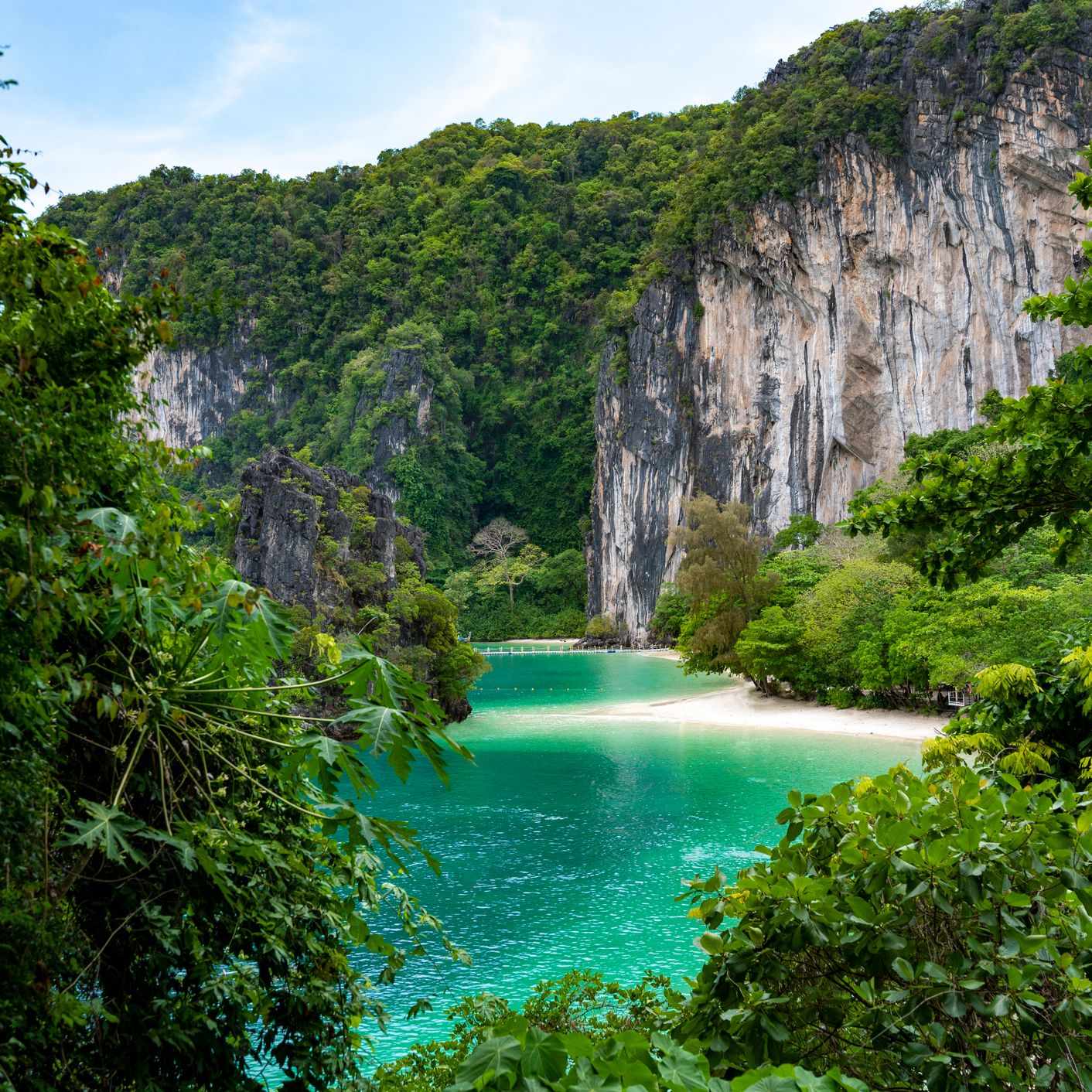
The southern Gulf of Thailand islands (Koh Samui, Koh Phangan, Koh Tao) have a different rainy season than the Andaman side (Phuket, Krabi). If you are traveling between November and April, the Gulf islands offer calm seas and sunny days, while the Andaman side may still be experiencing residual monsoon clouds. Book ferries in advance during peak season, as schedules fill up quickly.

Chiang Mai and Chiang Rai offer a cooler climate from November to February, providing a refreshing break from the southern heat. This region is best visited in the dry season to ensure clear views of the mountains and comfortable trekking conditions. Allow at least four to five days to explore the old city temples and the surrounding hill tribe villages without feeling rushed.

Thailand’s domestic airline network is extensive and affordable. Use budget carriers like AirAsia or Nok Air to skip the long bus rides between distant provinces. A flight from Bangkok to Chiang Mai takes about one hour, whereas a bus journey can take twelve hours or more. Book these internal legs separately from your international ticket to allow for flexible scheduling.
2. Time your moves with the monsoons
Weather dictates your route more than any other factor. The southwest monsoon hits the Andaman coast (Phuket, Phi Phi) from May to October, bringing heavy rain and rough seas. During this same period, the Gulf coast (Koh Samui) often sees clearer skies. Conversely, the northeast monsoon affects the north and central regions from November to February, bringing cooler, drier air. Plan your island hopping to align with the dry season for your chosen coast.
3. Use a map for context
Thailand is not a compact country. The distance from the northern border to the southern tip is roughly 1,800 kilometers. A map helps you visualize the travel time between zones. For example, moving from Chiang Mai to Koh Samui involves crossing the entire length of the country. Grouping nearby islands together reduces transit fatigue and maximizes your time on the ground.
Stops worth prioritizing
Thailand’s geography splits into distinct travel zones, each with its own rhythm and tradeoffs. Prioritizing stops means balancing iconic cultural sites with coastal relaxation, while navigating seasonal weather patterns that dictate accessibility. The following breakdown separates high-value destinations from optional detours based on logistics, crowd density, and seasonal reliability.
Bangkok: The Urban Anchor
Bangkok serves as the essential entry point and cultural hub. The Grand Palace and Wat Pho are non-negotiable for first-time visitors, but the real value lies in the river districts. Stay near the Chao Phraya River to minimize traffic delays. Visit temples early (8:00 AM) to beat both heat and tour groups. The Flower Market offers a sensory contrast to the city’s concrete sprawl.
Chiang Mai: Cultural Depth
Northern Thailand provides a cooler climate and slower pace. Chiang Mai’s Old City temples and Doi Suthep mountain offer manageable sightseeing without the chaotic energy of Bangkok. It is an ideal base for day trips to ethical elephant sanctuaries. Unlike southern islands, the north remains accessible year-round, though December and January are peak dry-season months.
Southern Islands: Weather-Dependent
The southern coast splits into two seas with opposite rainy seasons. The Andaman Coast (Phuket, Krabi, Phi Phi) is best from November to April. The Gulf Coast (Koh Samui, Koh Phangan, Koh Tao) sees peak weather from June to August. Choosing the wrong side during monsoon season means rough seas, cancelled ferries, and limited beach time. Prioritize your islands based on your travel dates, not just preference.
| Destination | Best Season | Crowd Level | Logistics Complexity |
|---|---|---|---|
| Bangkok | Year-round | High | Low (Airport direct) |
| Chiang Mai | Nov-Feb | Medium | Medium (Domestic flight) |
| Andaman Coast | Nov-Apr | High (Peak) | Medium (Ferry/Flight) |
| Gulf Coast | Jun-Sep | Medium | Medium (Ferry/Flight) |
Optional Detours
Locations like Koh Lanta or Pai offer tranquility but require more transit time. Koh Lanta is worth the detour if you skip Phuket, but ferry connections can be slow during monsoon months. Pai is a backpacker haven with stunning mountains, but the winding road from Chiang Mai takes 4-5 hours. These stops are excellent for extending a trip, but they should not replace core destinations if time is limited.
Timing and logistics
Getting around Thailand is part of the adventure, but it requires a bit of local know-how to avoid the friction of unfamiliar systems. The country’s transit infrastructure is layered: modern in Bangkok’s core, sporadic in the islands, and often reliant on informal networks elsewhere. Your strategy should shift based on where you are and how much time you want to spend navigating.
Parking and driving
If you plan to rent a car, stick to the mainland regions like Chiang Mai or the southern peninsula where distances between attractions are vast. Major cities like Bangkok and Phuket have terrible traffic and scarce parking. If you do drive, remember that Thailand drives on the left. Police checkpoints are common, so always carry your international driving permit and passport copies. For short hops in towns, motorbike rentals are ubiquitous but risky; only rent if you are an experienced rider and have comprehensive insurance.
Public transit and local transport
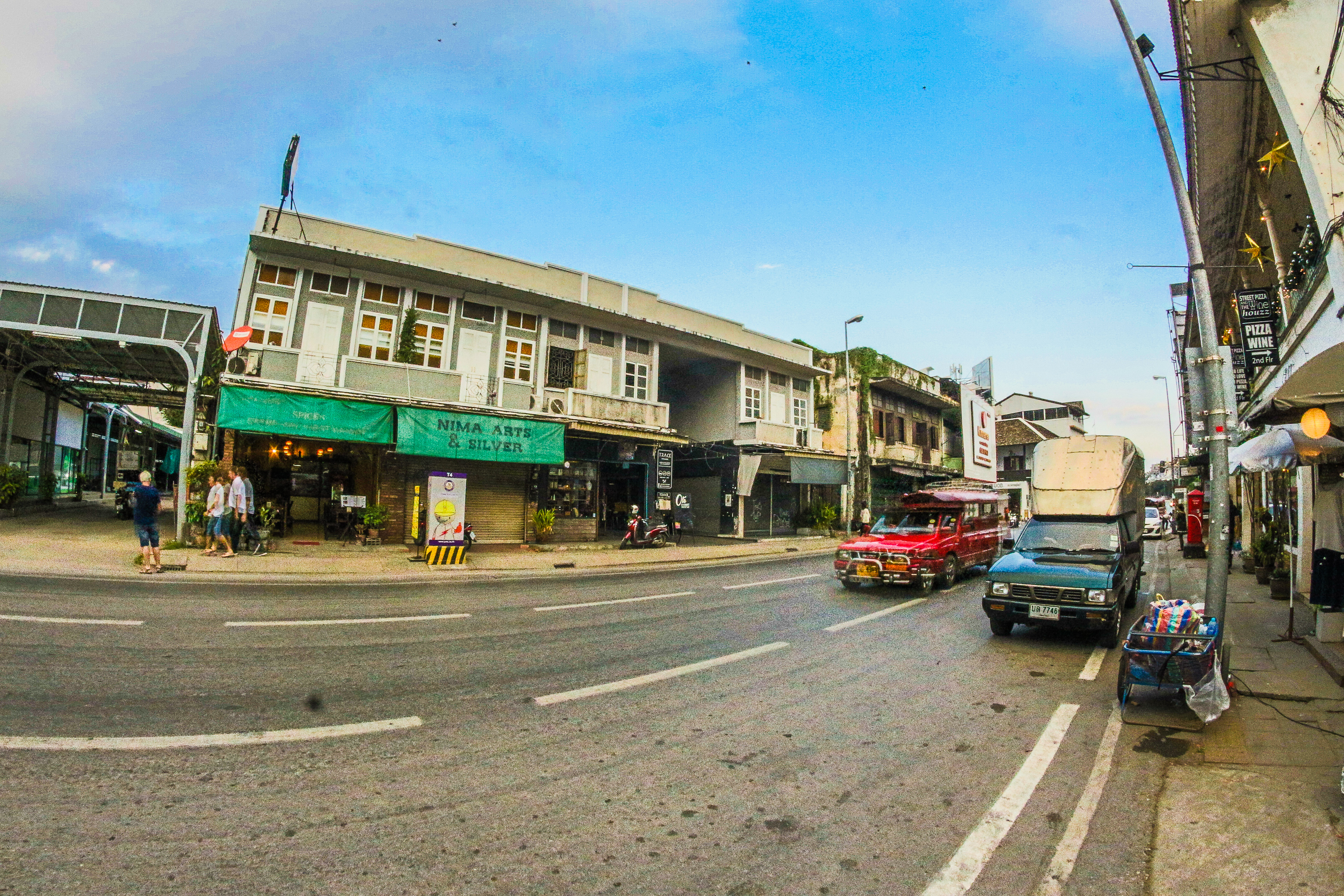
In Bangkok, the BTS Skytrain and MRT subway are your best friends for avoiding gridlock. They are clean, air-conditioned, and cover the main tourist hubs. For areas outside the rail lines, use the Grab app for taxis and ride-shares. It is safer and often cheaper than hailing a street cab, which may try to refuse the meter. In Chiang Mai, songthaews (shared pickup trucks) run on fixed routes. You flag them down, pay 30 baht per person, and tell the driver where you want to get off.
Reservations and timing
Domestic flights are the most efficient way to jump between islands or far-flung provinces. Book these at least two weeks in advance for better rates. For popular temples like Wat Arun or major national parks, arrive early. The heat builds quickly after 10 am, and crowds peak by midday. If you are visiting during the Songkran festival (mid-April) or Loy Krathong (November), book accommodations months ahead, as these are peak domestic travel periods.
Thai trip lover: what to check next
Planning a trip to Thailand involves balancing weather windows, cultural etiquette, and budget realities. Before you book, here are the practical answers to the questions travelers ask most often about logistics, wildlife, and costs.
No comments yet. Be the first to share your thoughts!