
Best time to visit Thailand
Choosing the right month for your trip depends on balancing weather comfort with crowd levels. Thailand’s climate generally splits into three seasons: cool and dry (November to February), hot (March to May), and rainy (June to October). For most travelers, the dry season offers the most reliable conditions for beach days and temple visits, but the rainy season has its own distinct charm and lower prices.
The peak dry season runs from November to April. During these months, humidity is lower, and rainfall is minimal, especially in the north and central regions. This is the ideal window for exploring Bangkok, Chiang Mai, and the northern highlands. However, this period also coincides with major holidays like Songkran (mid-April) and New Year, leading to higher prices and crowded attractions. If you prefer a more relaxed pace, aim for the shoulder months of November or March.
The rainy season, from June to October, brings daily showers that are usually short and intense, often occurring in the late afternoon. While humidity rises, the landscape turns lush and green, and prices for accommodation drop significantly. This season is particularly tricky for island hopping. The Andaman Sea (Phuket, Krabi) experiences rough seas and limited boat services, making island-hopping difficult. In contrast, the Gulf of Thailand (Koh Samui, Koh Phangan, Koh Tao) often sees less rain during the peak monsoon months of September and October, making it a better alternative for beach lovers during the wet season.
To help you visualize the difference, here is a comparison of average rainfall in two popular destinations during their respective peak and off-peak months.
Ultimately, the best time to visit is a trade-off. If perfect beach weather is your priority, stick to the Gulf islands between December and August. If you want to explore the country’s cultural heartland without the heat, November to February is your best bet. For budget travelers willing to navigate occasional rain, the rainy season offers a quieter, more authentic experience.
Top attractions in Bangkok
Bangkok’s energy is best understood by moving through it, not just looking at it. The city balances centuries-old spirituality with chaotic street life, and the best way to experience both is to group visits by neighborhood. This approach saves time on traffic and lets you absorb the local rhythm.
Grand Palace and Wat Phra Kaew
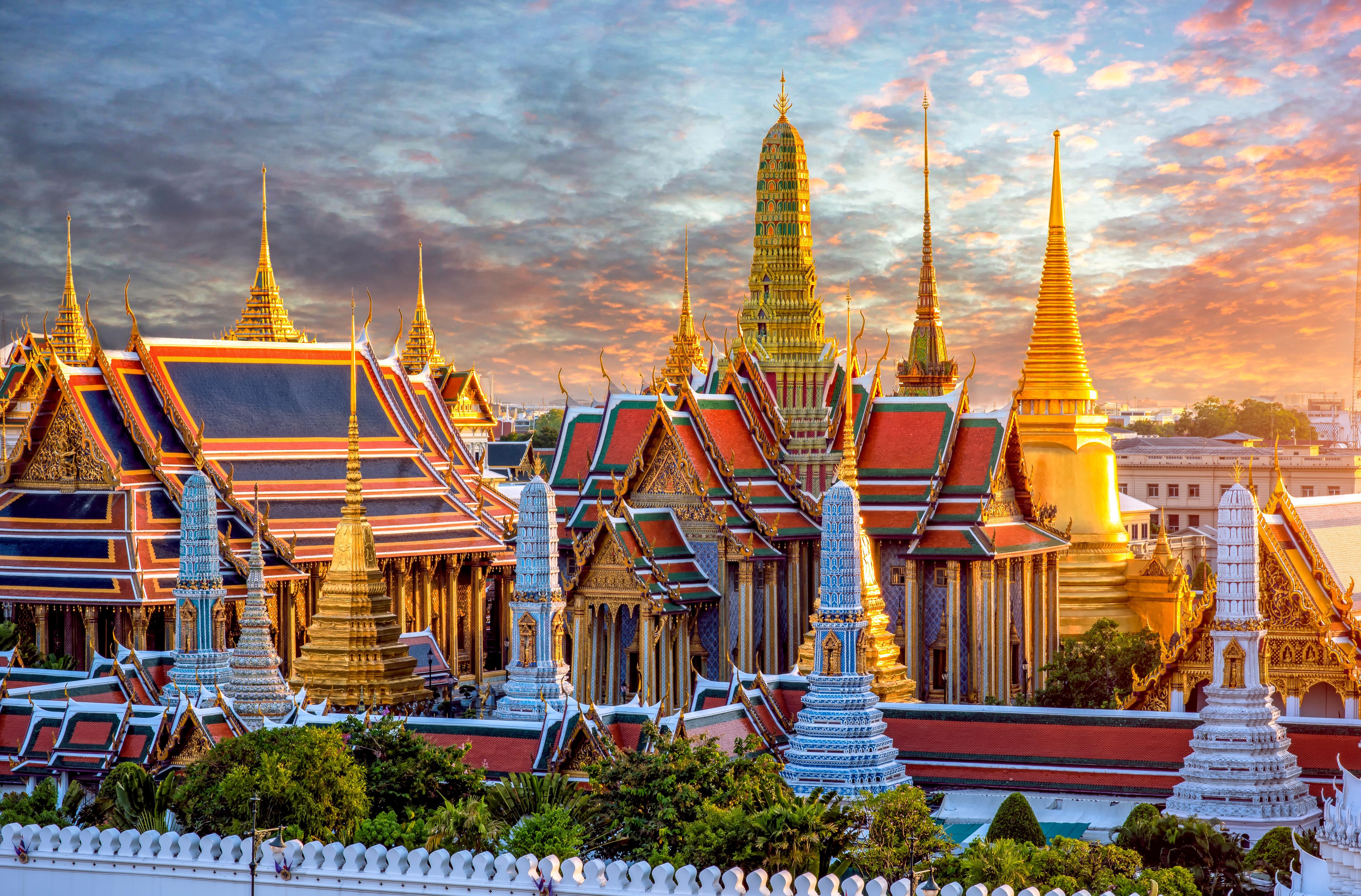
The Grand Palace complex is the most visited site in the city, drawing millions who come to see the Temple of the Emerald Buddha. The architecture is intricate, but the crowds are dense. Arrive right at opening time to beat the tour groups and the midday heat. Dress strictly: shoulders and knees must be covered. Entry fees are around 500 baht, which includes access to the main halls and surrounding gardens.
Wat Arun and Riverside
Wat Arun, the Temple of Dawn, sits across the Chao Phraya River. It’s best visited in the late afternoon. Take a public ferry from Tha Tien Pier—it costs just a few baht and offers the best view of the skyline. The temple’s porcelain-covered spires catch the light beautifully as the sun sets. Afterward, walk along the riverside promenade to escape the heat and watch the city lights turn on.
Khao San Road and Chinatown
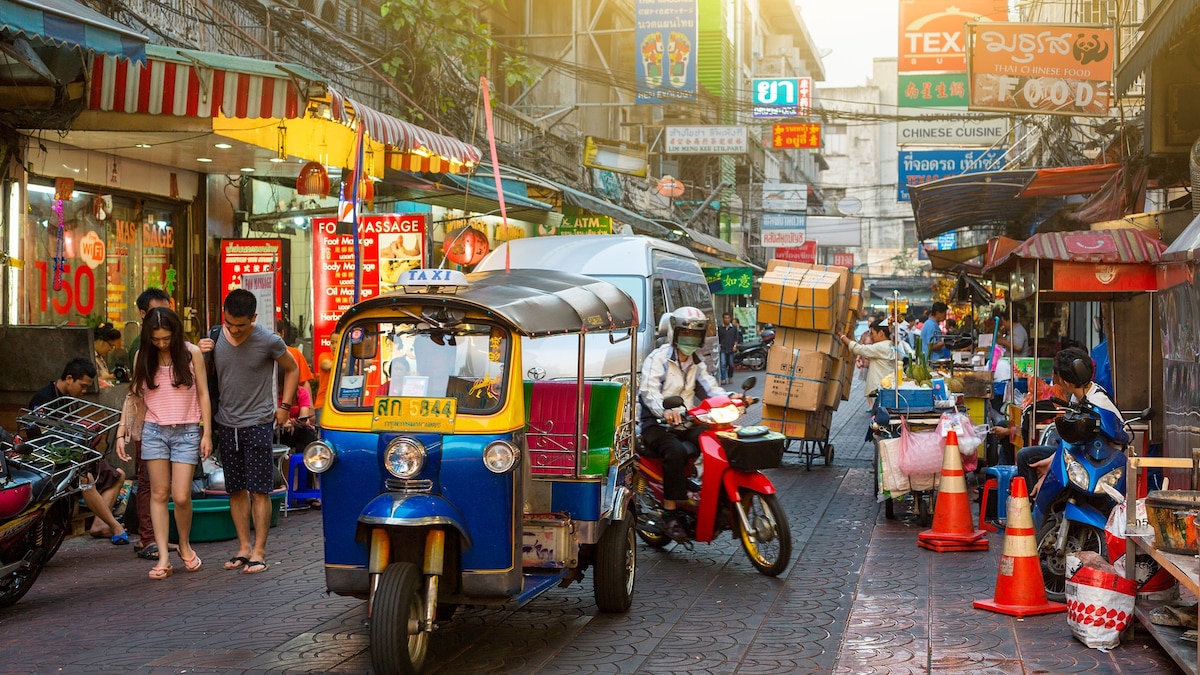
For a taste of Bangkok’s nightlife and street food, head to Khao San Road early in the evening. It’s tourist-heavy, but the energy is infectious. Then, cross into Chinatown (Yaowarat) for dinner. The street food here is legendary. Try the shrimp dumplings at Yaowarat Road or the mango sticky rice at a local stall. It’s chaotic, loud, and delicious. Bring cash, as many vendors don’t accept cards.
Choosing between the Andaman Sea and the Gulf of Thailand
Thailand’s south splits into two distinct marine regions, each with its own weather patterns, island clusters, and travel rhythms. The Andaman Sea faces the open Indian Ocean and includes Phuket, Krabi, and the Phi Phi islands. The Gulf of Thailand, sheltered by the Khorat Plateau, hosts Koh Samui, Koh Phangan, and Koh Tao. Your choice depends on when you travel and what you want to do on the water.
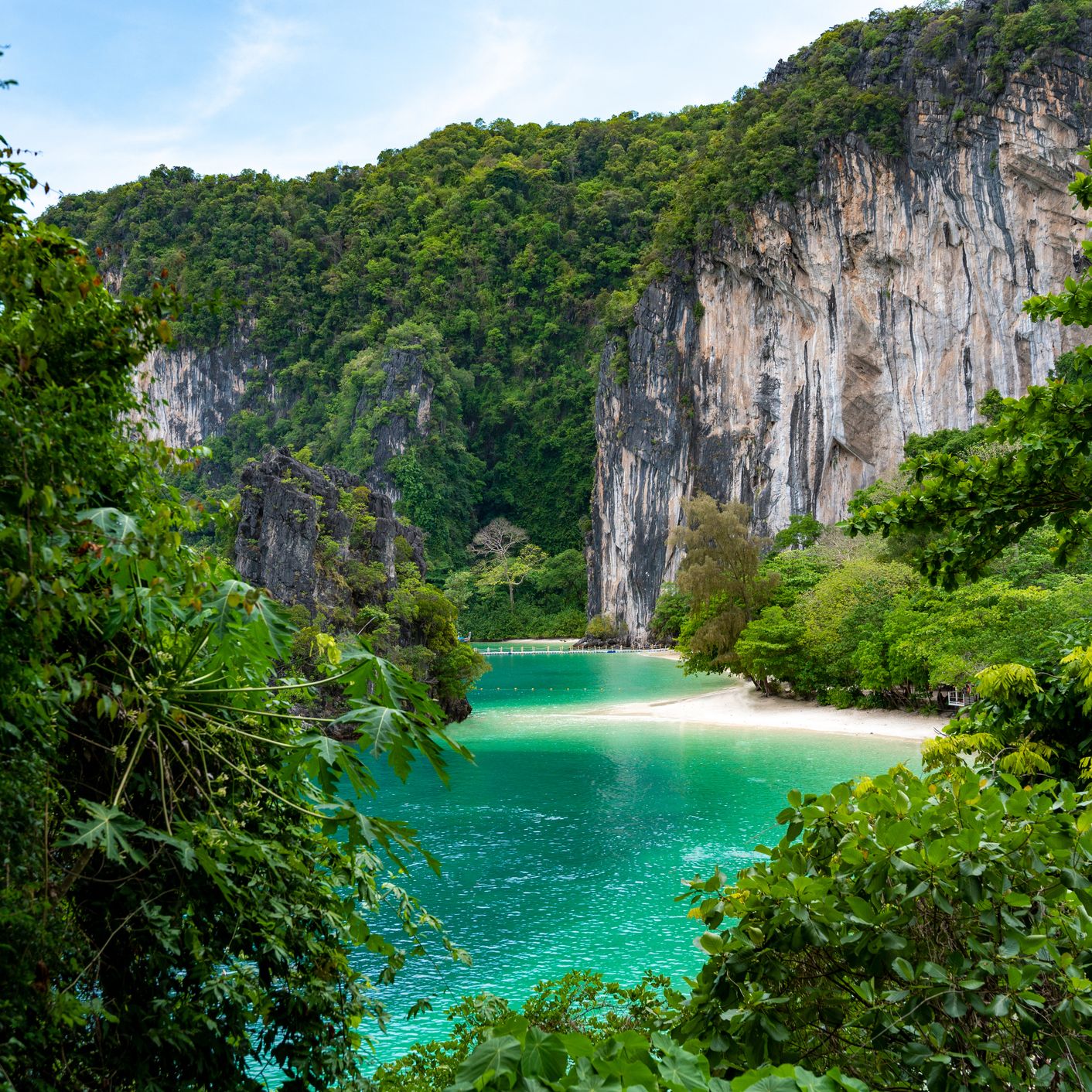
The Andaman Sea is the better choice for diving, rock climbing, and dramatic limestone scenery. Koh Phi Phi and Railay Beach offer some of the most iconic landscapes in Southeast Asia. However, the monsoon season runs from May to October, bringing rough seas and frequent ferry cancellations. If you visit during these months, you may find fewer boats running and some islands partially closed.
The Gulf of Thailand offers a longer dry season, typically from February to September. This makes it the more reliable option for summer travelers. Koh Samui has an international airport and a wider range of resorts. Koh Tao is a world-class diving hub, while Koh Phangan is famous for its full moon parties. The water is generally calmer, and ferries run more consistently during the rainy months.
Use the comparison below to see how the two regions stack up against each other. This table covers the most practical factors for planning your island hopping itinerary.
| Region | Best Season | Vibe | Key Islands |
|---|---|---|---|
| Andaman Sea | November to April | Adventure, diving, dramatic cliffs | Phuket, Krabi, Koh Phi Phi |
| Gulf of Thailand | February to September | Relaxed, nightlife, diving | Koh Samui, Koh Phangan, Koh Tao |
Northern culture in Chiang Mai
Chiang Mai serves as the cultural heart of Northern Thailand, offering a distinct contrast to the beach-focused destinations of the south. The city is defined by its historic moat, hundreds of ornate Buddhist temples, and a slower, more contemplative pace of life. For travelers seeking depth beyond coastal resorts, the region provides a rich tapestry of Lanna heritage, traditional crafts, and mountainous landscapes that feel worlds away from the tourist hubs.
The cultural experience here is anchored by the Old City, where ancient walls enclose a dense cluster of significant sites. Wat Phra That Doi Suthep, perched on a mountain overlooking the city, remains the most revered temple in the region, offering panoramic views and deep spiritual significance. Within the city, streets like Nimmanhaemin Road blend modern cafes with artisan workshops, showcasing contemporary interpretations of traditional Thai art and design.
Nature and wildlife are integral to the Northern experience, but ethical engagement is paramount. The region is home to numerous elephant sanctuaries that prioritize conservation and observation over riding or performance. These facilities allow visitors to witness elephants in natural habitats, feeding and bathing with them in a respectful manner. This shift toward ethical tourism ensures that travel supports animal welfare rather than exploitation.
Timing your visit matters for both comfort and cultural immersion. The cool season, from November to February, offers the most pleasant weather for temple hopping and trekking. During this period, the air is crisp, and the skies are clear, making it ideal for visiting outdoor sites and mountain villages. Travelers should also consider local festivals, such as Yi Peng (lantern festival), which transforms the night sky with thousands of floating lanterns, though accommodation prices surge during these dates.
Plan your itinerary with a clear framework
Building a solid itinerary is less about filling every hour and more about respecting the rhythm of the country. Thailand moves at a different pace than Western destinations, and trying to force a dense schedule often leads to burnout rather than enjoyment. A practical framework helps you balance travel time with actual experience, ensuring your budget stretches further and your trip feels relaxed.
Start by anchoring your trip to one or two main regions. Trying to cover Bangkok, Chiang Mai, and the islands in a single two-week trip is a common mistake that wastes days in transit. Instead, pick a north-south axis or a specific island group. This reduces travel fatigue and allows for deeper exploration. Use a map to visualize distances; Thailand is longer than it looks, and internal flights or overnight trains can save precious daylight hours.
Budgeting for Thailand is straightforward if you track your daily spend. A budget traveler might spend $40-60 a day, focusing on hostels, street food, and public transport. Mid-range travelers can expect to spend $100-150, allowing for nice hotels, private tours, and occasional taxis. Luxury travelers can easily exceed $300 a day. Remember to factor in visa fees if applicable, and set aside a small emergency fund for unexpected changes.
-
Passport valid for 6+ months
-
Travel insurance policy downloaded
-
Local SIM card or eSIM activated
-
Thai Baht cash for initial expenses
-
Accommodation bookings for first 2 nights
Finally, build flexibility into your plan. Thailand’s weather can be unpredictable, and ferries to islands may be canceled due to rough seas. Leave one or two days open in your itinerary for rest or spontaneous discoveries. The best parts of a trip often happen when you aren't rushing to the next checkpoint.
Thailand travel map and logistics
Thailand stretches like a long ribbon of land, making it easy to visualize your route before you book. The country is generally divided into three main regions, each offering a distinct rhythm and climate. Understanding this geography is the first step in planning a route that fits your timeline.
Central Thailand is the heart of the country, anchored by Bangkok. This region is flat, humid, and dense with history, from the Grand Palace to the floating markets of Ayutthaya. It serves as the primary gateway for international flights and the hub for domestic connections. Most travelers spend their first few days here navigating the chaos and culture before heading elsewhere.
Northern Thailand offers a cooler climate and mountainous terrain, centered around Chiang Mai. This area is known for its hill tribes, night markets, and relaxed pace. It is a popular starting point for trekking and cultural immersion. Travelers often fly north from Bangkok to spend a week exploring the temples and nature reserves before moving on.
Southern Thailand splits into two coasts, each with different beach experiences. The Andaman Sea side, including Phuket and Krabi, faces the west and is best visited from November to April. The Gulf of Thailand side, featuring Koh Samui and Koh Phangan, has a slightly different rainy season, often offering sun while the west is wet. Choosing which coast depends on your travel dates and whether you prefer dramatic limestone cliffs or sandy resorts.
Practical FAQs
Is Thailand safe for solo travelers?
Thailand remains one of Asia’s most traveler-friendly destinations, with a well-trodden tourism infrastructure and generally low violent crime rates against visitors. Petty theft, such as bag snatching or scooter scams, is the primary risk, particularly in Bangkok’s tourist hubs like Khao San Road. Use common sense: keep valuables out of sight, avoid walking alone in poorly lit alleys at night, and register your trip with your embassy if traveling to remote areas. The Thai Tourist Police maintain a dedicated English-speaking unit (1155) for assistance.
What currency should I use and how do I pay?
The official currency is the Thai Baht (THB). While major hotels and upscale restaurants accept credit cards, cash is king for street food, tuk-tuks, markets, and smaller shops. ATMs are ubiquitous but charge a 220 THB fee per withdrawal for foreign cards; it is more cost-effective to withdraw larger amounts less frequently. Many travelers also carry small denominations of Baht for tips and minor purchases. USD is widely accepted for tour deposits, but you will get a poor exchange rate if you pay in dollars for everyday items.
Do I need a visa for a Thailand trip?
Visa requirements depend on your passport. Citizens of many Western countries, including the US, UK, Canada, and Australia, can enter visa-free for stays up to 30 days (or 60 days depending on current bilateral agreements) by air. If you plan to stay longer or enter via land borders, you may need a Visa on Arrival (VOA) or a tourist visa applied for in advance. Always check the latest entry requirements from the Royal Thai Embassy website before booking, as policies can shift with seasonal tourism pushes.
No comments yet. Be the first to share your thoughts!