

Plan the route
Thailand is long and narrow, stretching like a spine from the Mekong border down to the Malay Peninsula. Trying to see everything in one trip leads to exhaustion. Instead, treat the country as three distinct zones, each with its own rhythm, weather patterns, and geographic logic. This approach saves time and keeps your itinerary realistic.
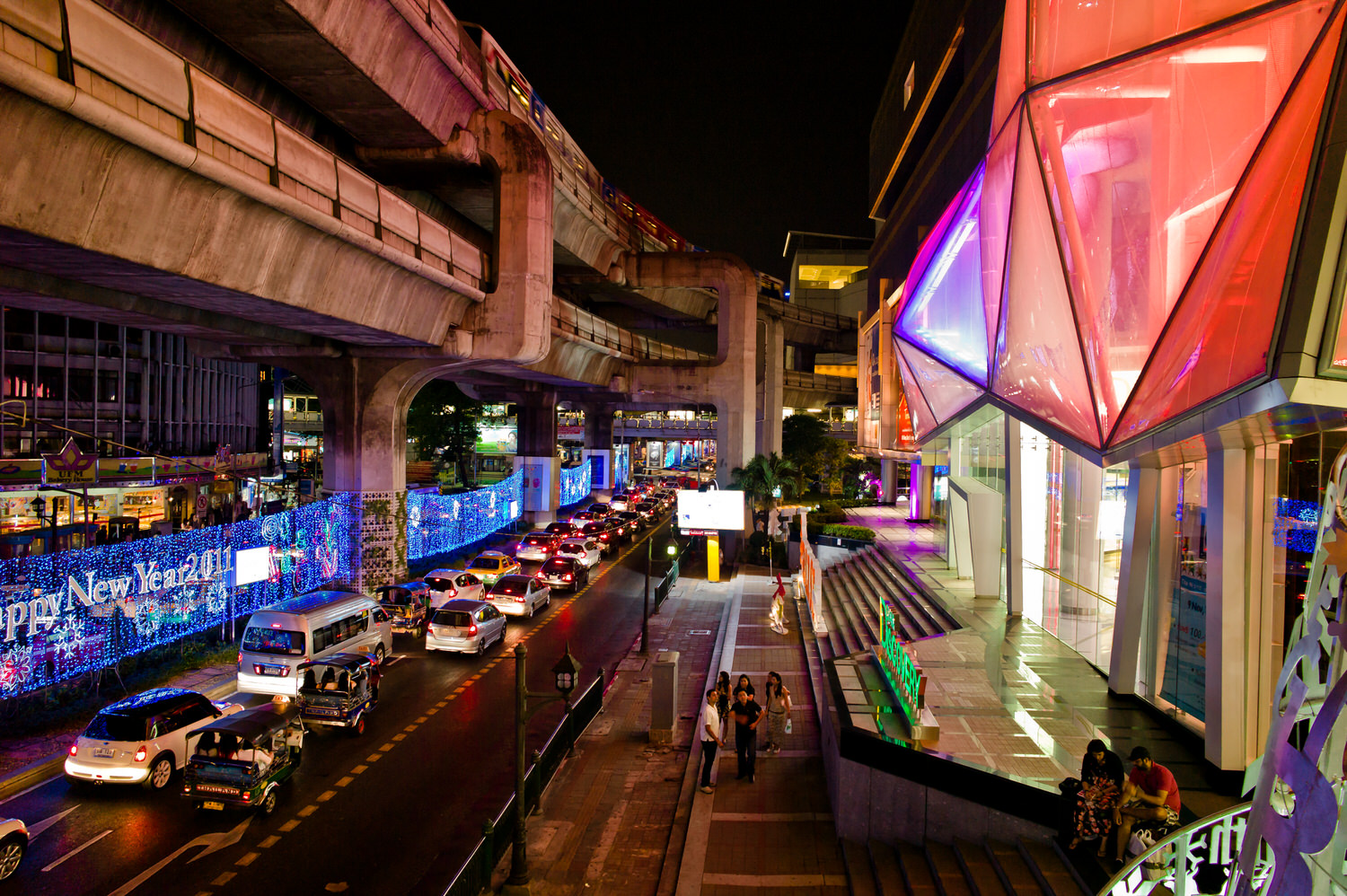
Begin in the mountainous north. Chiang Mai offers a slower pace, cooler nights, and access to hill tribe villages and national parks. It is the best place to acclimate if you are coming from a humid coastal region. Use this as your base for 3-4 days before heading to Chiang Rai for the White Temple and golden triangle viewpoints.
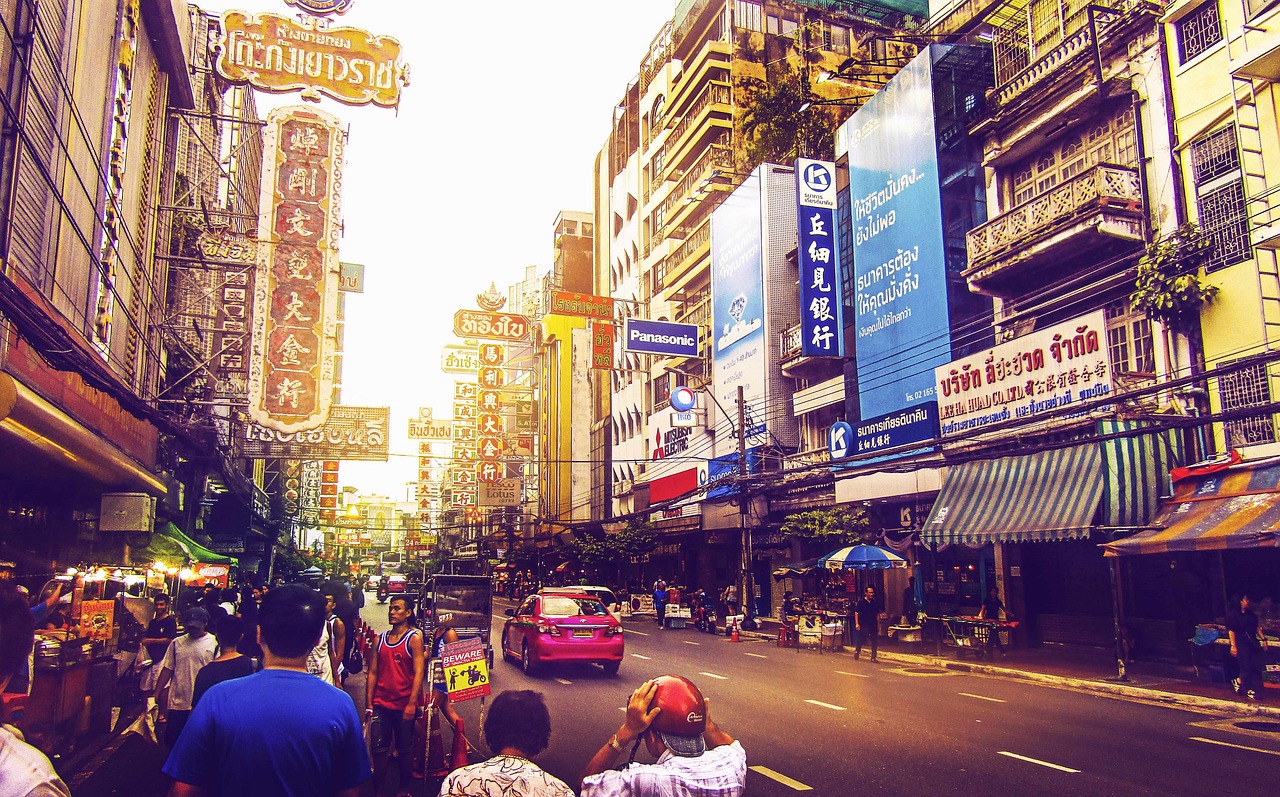
Bangkok is the logistical hub. Fly here from the north (1 hour) or arrive directly if starting your trip here. Spend 2-3 days navigating the chaos of Khao San Road, visiting the Grand Palace, and eating at Yaowarat Chinatown. Do not stay longer than necessary; use Bangkok as a transit point to the islands or the south.
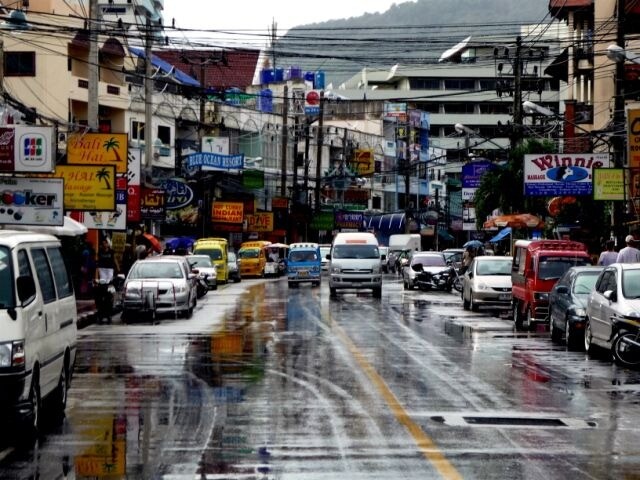
The islands are split by geography and weather. The Gulf of Thailand islands (Koh Samui, Koh Phangan, Koh Tao) are best from June to September. The Andaman Sea islands (Phuket, Krabi, Phi Phi) are best from November to April. Pick one side to avoid ferry transfers and monsoon rain.
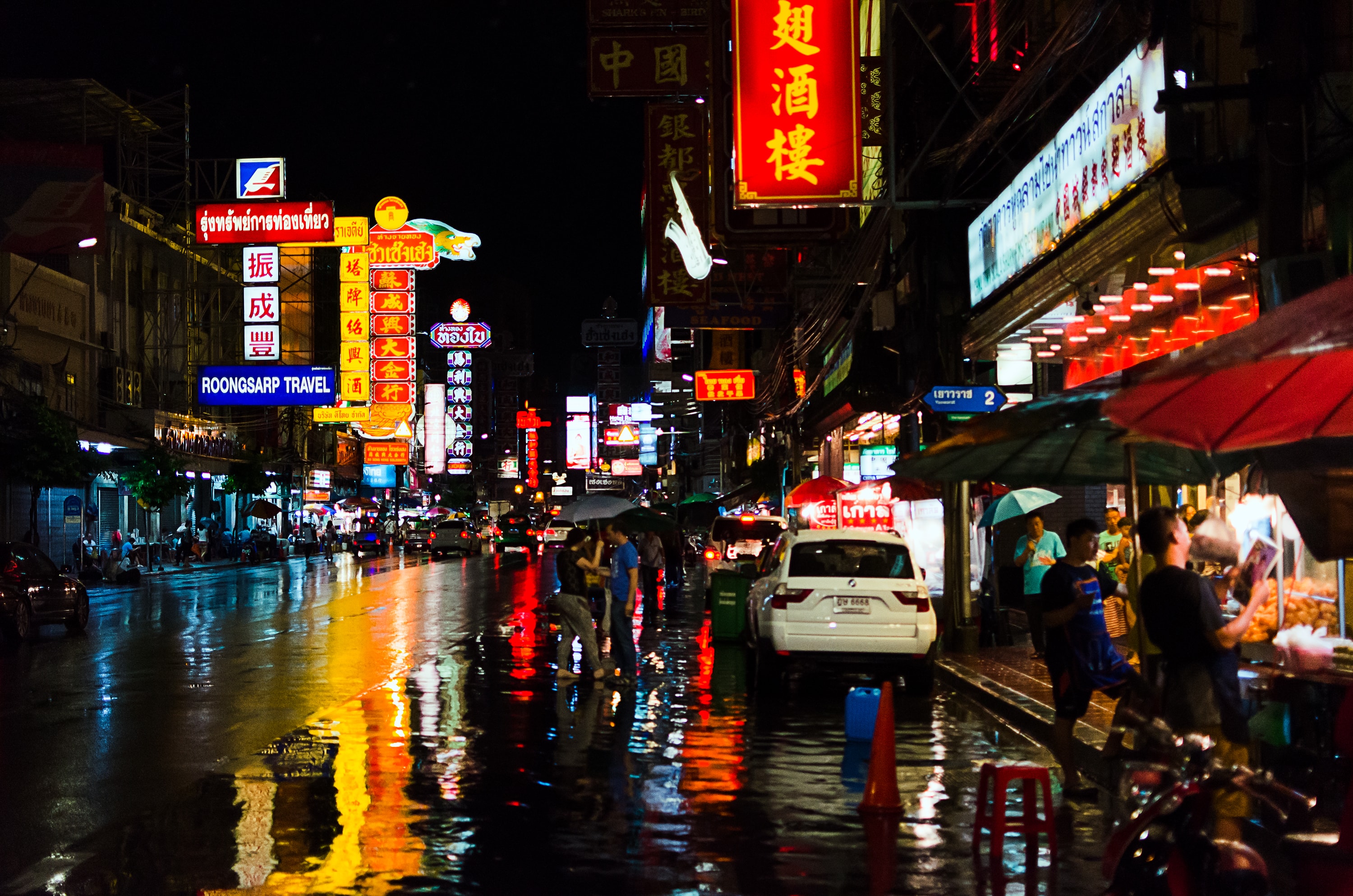
For a unique cultural mix, fly to Hat Yai or Trang and take a ferry to Koh Lanta or Koh Yao Noi. This area is less touristy and offers authentic Malay-Muslim influences. It is a quiet, beautiful finish to a trip before flying out of Phuket or Bangkok.
-
Check visa requirements for your nationality
-
Verify domestic flight bookings between north and south
-
Confirm island ferry schedules for your travel dates
-
Pack light layers for northern mountain evenings
Stops worth prioritizing
Thailand’s itinerary can feel overwhelming, but the core stops are distinct enough to justify the trip on their own. Separating the essential highlights from the optional detours helps you build a route that balances famous landmarks with local atmosphere. The following sections break down the must-see stops and the practical tradeoffs for each.
Bangkok: The Urban Anchor
Bangkok is the necessary starting point for most 2026 visits. The Grand Palace and Wat Arun are crowded but historically significant, while the street food scenes in Yaowarat offer some of the best meals in the country. Expect heavy traffic during rush hour; use the BTS Skytrain or MRT to move between districts. The city is humid year-round, so schedule outdoor sightseeing for early mornings or late afternoons.
Chiang Mai: Culture and Climate
Chiang Mai offers a cooler climate and a slower pace than the south. It is ideal for travelers who prefer temple hopping, night markets, and ethical elephant sanctuaries over beach lounging. The Old City grid is walkable, making it easy to explore without a vehicle. This is the best stop for those who want to experience northern Thai culture and cuisine without the intensity of Bangkok.
Phuket and the Andaman Coast
Phuket is the most developed island, offering luxury resorts and vibrant nightlife. For a more rugged experience, consider nearby Phi Phi Islands or Koh Lanta. The Andaman coast is best visited from November to April. Avoid the rainy season (May–October) if you plan to swim, as rough seas and red flags often close beaches. Ferries between islands can be delayed during monsoon season, so build buffer days into your itinerary.
Chiang Rai: The Northern Edge
Chiang Rai is often skipped by first-time visitors, but it deserves a spot for those with extra time. The White Temple (Wat Rong Khun) is an architectural marvel that stands in stark contrast to the more traditional temples in Chiang Mai. It is about three hours from Chiang Mai, making it a manageable day trip or a one-night stop. This area is quieter and offers a different perspective on northern Thai art and spirituality.
Comparison Table: Key Stops
Use this table to compare the primary destinations based on vibe, best time to visit, and travel intensity.
| Destination | Vibe | Best Time | Travel Intensity |
|---|---|---|---|
| Bangkok | Urban, chaotic, historic | Nov–Feb | High |
| Chiang Mai | Cultural, cool, relaxed | Nov–Feb | Medium |
| Phuket | Resort, beach, lively | Nov–Apr | Low |
| Chiang Rai | Artistic, quiet, remote | Nov–Feb | Medium |
Practical Route Advice
A standard two-week loop works best: Bangkok (3 days) → Chiang Mai (3 days) → Chiang Rai (1 day) → Fly to Phuket/Krabi (5 days) → Bangkok (2 days). This minimizes backtracking and allows you to experience the north and south in one trip. If you have more time, add Koh Samui or the islands of Trang. Always check the latest travel advisories, as border regions can have sudden security changes.
Timing and logistics
Getting around Thailand requires balancing comfort with local realities. While ride-hailing apps like Grab are reliable in Bangkok and Chiang Mai, they often fail to function in smaller towns or on remote islands. In these areas, you will rely on metered taxis, tuk-tuks, or songthaews (shared pickup trucks). Always agree on a price before entering a tuk-tuk, as drivers frequently quote inflated rates to tourists. For intercity travel, book trains and domestic flights at least two weeks in advance during peak season to secure reasonable fares.
Parking in major cities is scarce and expensive. Hotels in Bangkok often charge 150–300 THB per night for garage access, while street parking is rarely available and strictly enforced. If you plan to rent a scooter, ensure you have an International Driving Permit; police frequently target foreigners without proper documentation, issuing on-the-spot fines that are difficult to contest. For island hopping, ferries and speedboats run on fixed schedules that change with the season. Verify departure times with your hotel or a local agent, as online timetables are often outdated.
Reservations are essential for popular attractions. Temples like Wat Arun in Bangkok or the Grand Palace in Chiang Mai often require advance booking or have strict dress codes enforced at the gate. Similarly, national parks such as Khao Sok or Erawan have daily visitor caps to protect the environment. Booking these online prevents disappointment and often offers a small discount compared to on-site prices.
Thailand travel: what to check next
Planning a trip to Thailand involves navigating distinct seasonal shifts, varying safety contexts, and complex transport logistics. These practical answers address the most common hurdles travelers face when booking itineraries for 2026.
When is the best time to visit Thailand?
Thailand’s weather divides into three main seasons: cool (November–February), hot (March–May), and rainy (June–October). The cool season offers the most comfortable conditions for temple tours and island hopping, particularly in the Andaman Sea. However, the rainy season brings lush greenery and significantly lower prices. If you prioritize beach weather, target the Gulf islands like Koh Samui during the rainy season, as they often remain drier than the western coast.
Is Thailand safe for solo travelers?
Thailand remains one of Asia’s most solo-traveler-friendly destinations, with well-established backpacker routes and a culture of hospitality. Exercise increased caution regarding civil unrest, particularly near the Cambodian border and in certain southern provinces due to armed conflict. Stick to well-trodden tourist areas for nightlife and transport, and always register with your embassy if staying long-term. Violent crime against tourists is rare, but petty theft in crowded markets requires standard vigilance.
How do I get around Bangkok and between cities?
Bangkok’s public transit relies on the BTS Skytrain and MRT subway, which efficiently bypass the worst of the traffic. For longer distances, the State Railway offers overnight trains to Chiang Mai, while budget airlines connect major hubs like Phuket and Chiang Rai. Ride-hailing apps like Grab are reliable for intercity bookings and airport transfers, often cheaper than metered taxis that may refuse to use the meter during rush hour.
What should I pack for Thailand’s climate?
Pack lightweight, breathable fabrics like linen or moisture-wicking synthetics. Temperatures frequently exceed 35°C (95°F) in the dry months. Essential items include high-SPF sunscreen, insect repellent containing DEET for mosquito-borne illnesses, and modest clothing for temple visits (covering shoulders and knees). A compact rain jacket is useful year-round, as tropical showers can appear suddenly even in the dry season.
No comments yet. Be the first to share your thoughts!