

Plan the route
Thailand is long and narrow, so the most efficient way to experience it is to follow the weather. Instead of zigzagging across the country, stick to one of the two main corridors: the western mainland spine or the eastern islands. This approach minimizes travel time and keeps your itinerary grounded in a specific region.
1. Start in Bangkok and the North
Begin in Bangkok for 2-3 days to handle logistics, then fly north to Chiang Mai. The northern route is cooler and culturally distinct. Visit the Old City temples, then take a slow train or overnight bus to Chiang Rai for the White Temple. This leg is best done in the cool season (November-February) when hiking is comfortable.
Fly from Bangkok to Chiang Mai. Spend two days exploring the Old City and Doi Suthep temple. Book a slow train or overnight bus for the next leg to maintain momentum.
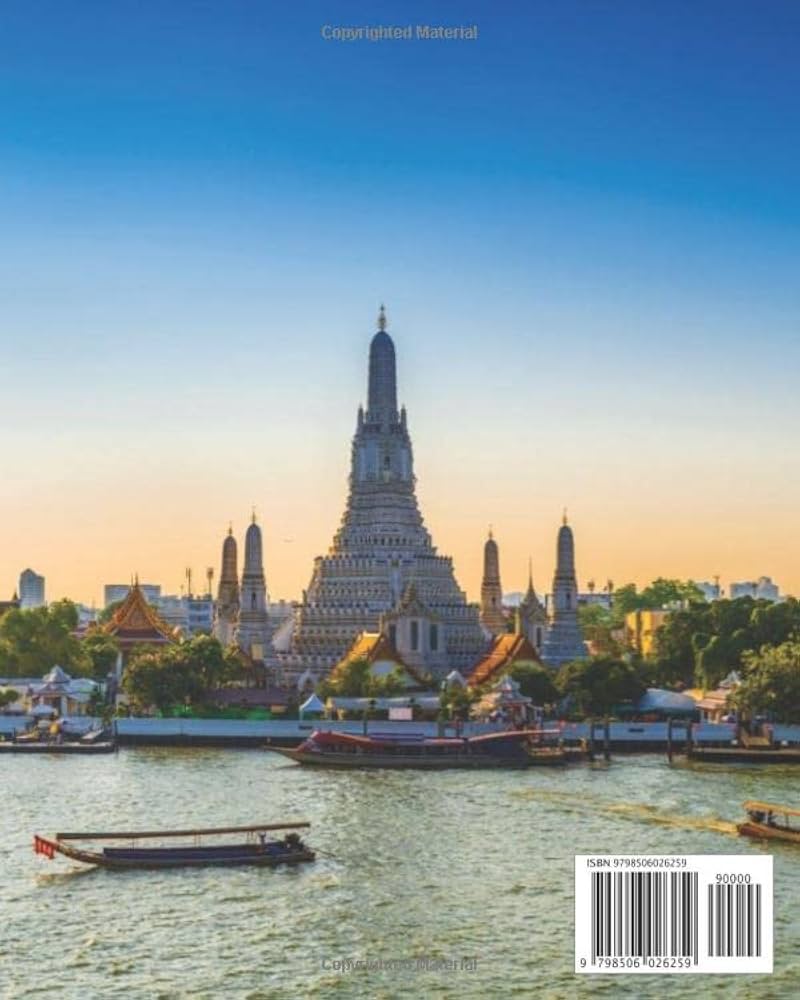
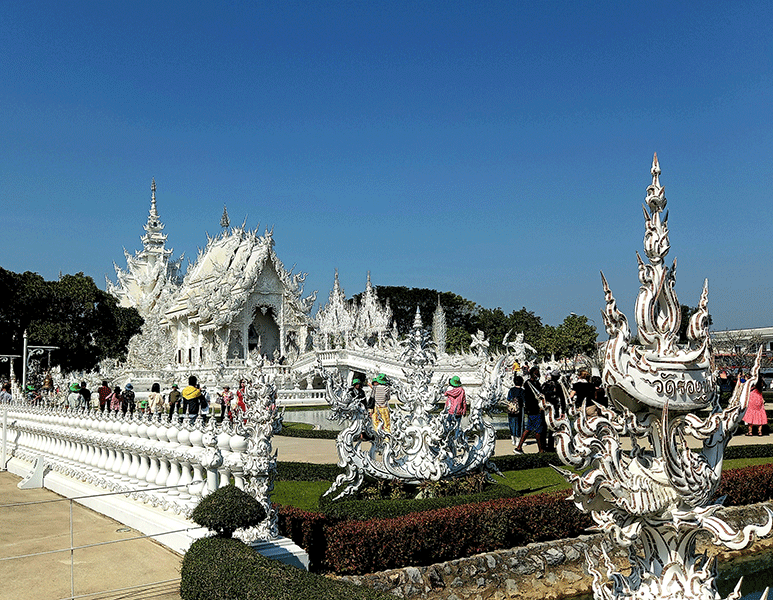
Take a 3-4 hour drive or bus north. Focus on the White Temple (Wat Rong Khun) and Blue Temple. This area is quieter and offers a different cultural perspective than Bangkok.
2. Fly South to the Andaman Coast
From Chiang Mai, fly south to Phuket or Krabi. The Andaman Sea (west side) is accessible year-round, but the best conditions are November to April. This region offers limestone karsts, national parks, and island hopping. Phuket is the hub; Krabi is the base for Railay Beach.
Book a domestic flight from Chiang Mai to Phuket. From there, take a ferry to Phi Phi Islands or a longtail boat to Railay Beach. This transition marks the shift from jungle culture to beach relaxation.
Spend 3-4 days here. Visit Hong Island, Poda Island, and the Emerald Pool. This is the prime time for snorkeling and climbing. Avoid the rainy season (May-October) when seas are rough.
3. Cross to the Gulf Coast
If you have time, fly from Krabi to Koh Samui or Koh Tao. The Gulf of Thailand (east side) has a different rainy season (October-December). This leg is ideal for diving or a more relaxed island vibe.
Fly from Krabi to Koh Samui. From Samui, take a ferry to Koh Tao for diving or Koh Phangan for nightlife. This route is best in the dry months (January-September).
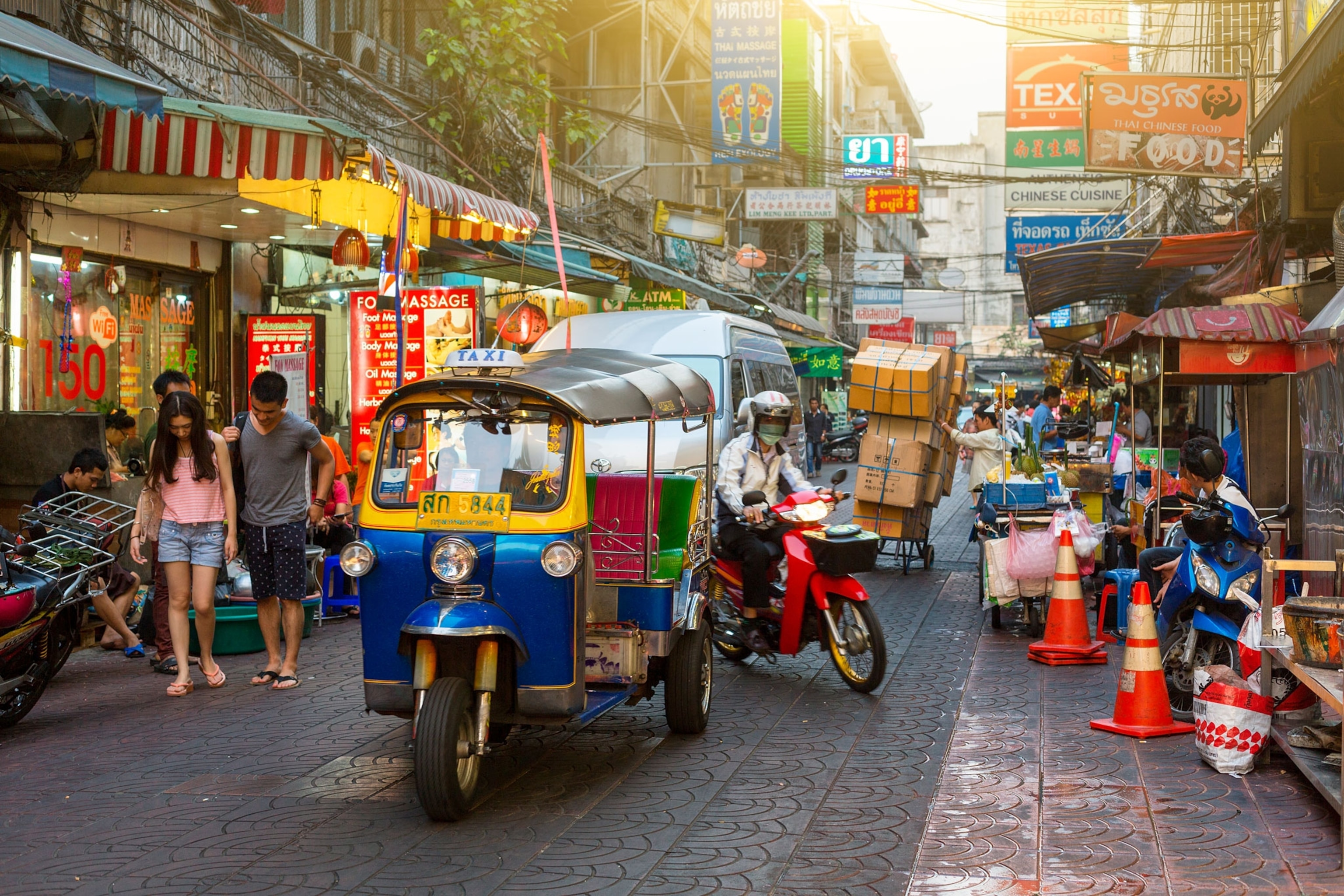
Fly back to Bangkok from the Gulf islands. Use the final day for last-minute shopping or a farewell dinner. Ensure you have enough time to reach Suvarnabhumi or Don Mueang airport.
-
Book domestic flights early (Bangkok-Chiang Mai, Chiang Mai-Phuket, Phuket-Koh Samui)
-
Check visa requirements for your nationality
-
Pack light: sandals, breathable clothes, light jacket for northern mountains
-
Download offline maps for remote island areas
-
Confirm ferry schedules in advance, as they change seasonally
KeyTakeaways items=["Follow the weather: North in winter, Andaman in spring, Gulf in summer.", "Fly between regions to save time; avoid long bus rides across the country.", "Book domestic flights and ferries early, especially during peak season."]
Stops worth prioritizing
Thailand offers distinct regions, each with its own rhythm and logistical demands. Rather than trying to see everything, focus on the core experiences that define the country. The following stops separate the essential itinerary from the optional detours, helping you allocate time and budget where it matters most.
Bangkok: The Urban Anchor
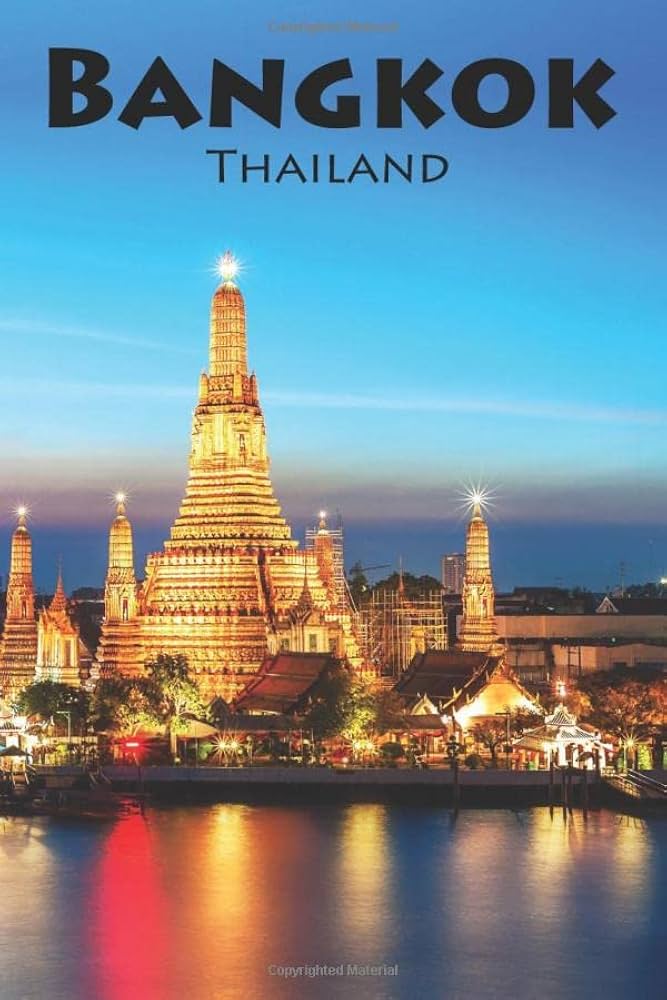
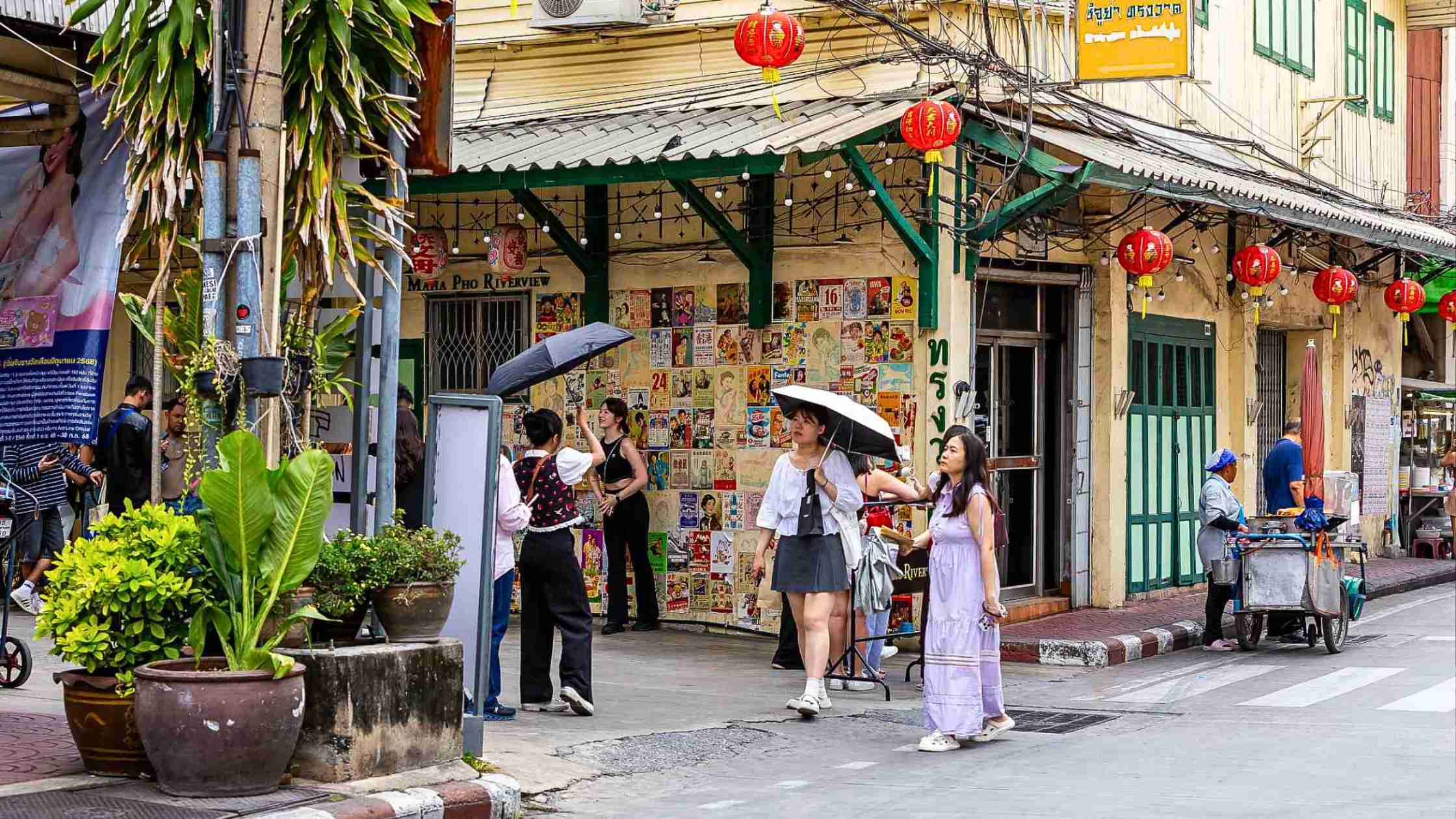
Bangkok is the primary arrival point and a destination in itself. Prioritize the historic Grand Palace complex and the Wat Arun temple across the river for the classic cultural introduction. For a break from the heat, visit the floating markets of Damnoen Saduak or Amphawa, though these are tourist-heavy. A more local alternative is the Thonburi canal system, which offers a quieter glimpse into traditional river life. Use the BTS Skytrain to move through the city efficiently, avoiding the notorious traffic jams.
Chiang Mai: Culture and Nature
Head north to Chiang Mai for a slower pace and cooler climate. This city is the heart of Lanna culture, featuring hundreds of temples like Wat Phra That Doi Suthep, which sits on a mountain overlooking the city. Prioritize the Old City’s temple circuit and the Sunday Walking Street market for local crafts and food. If time allows, add a day trip to the Doi Inthanon National Park for hiking and waterfalls. Chiang Mai serves as a gateway to hill tribe villages, but ensure you choose ethical operators.
Ayutthaya: Ancient Ruins
Located just an hour north of Bangkok, Ayutthaya was the second capital of the Siamese Kingdom. The historical park is filled with crumbling prangs (towers) and Buddha heads tangled in tree roots, offering a hauntingly beautiful snapshot of history. It is easy to visit as a day trip from Bangkok by train or tour bus. Prioritize the early morning hours to beat the heat and the crowds, allowing you to explore the Wat Mahathat and Wat Chaiwatthanaram in peace.
The Islands: Choose One Region
Thailand’s islands are divided into two coasts with different monsoon seasons. The Andaman Coast (Phuket, Krabi, Phi Phi) is best from November to April. The Gulf Coast (Samui, Phangan, Tao) is accessible year-round but best from January to August. Do not try to visit both coasts in one trip unless you have at least ten days; the travel time between them is significant. Pick one region based on your preferred activity: Phuket for nightlife and amenities, or Krabi/Phi Phi for dramatic limestone cliffs and beaches.
| Region | Best Season | Travel Style | Key Attraction |
|---|---|---|---|
| Bangkok | November–February | Urban, Cultural, Food | Grand Palace & Temples |
| Chiang Mai | November–February | Relaxed, Nature, History | Old City Temples |
| Ayutthaya | November–February | Day Trip, History | Ancient Ruins Park |
| Andaman Islands | November–April | Beach, Snorkeling, Island Hopping | Phi Phi Islands |
| Gulf Islands | January–August | Beach, Party, Diving | Samui & Phangan |
Phuket: The Tourist Hub
Phuket is the largest island and the most developed. It offers a wide range of accommodations, from luxury resorts to budget hostels, and has excellent international airport connectivity. Prioritize Patong Beach for nightlife and Bang Tao for a more relaxed beach vibe. The island also serves as a base for day trips to the Phi Phi Islands and James Bond Island. While convenient, Phuket can feel crowded and commercialized compared to smaller islands.
Krabi: Dramatic Landscapes
Krabi province offers some of Thailand’s most stunning scenery, including Railay Beach and the Emerald Pool. It is less developed than Phuket, providing a more rugged and natural experience. Ao Nang is the main tourist hub, with easy boat access to Railay. Prioritize a long-tail boat tour to the Hong Islands or Poda Island for snorkeling and kayaking. Krabi is ideal for travelers who prefer nature over nightlife.
Koh Samui: Family-Friendly Gulf Island
Koh Samui is the most developed island in the Gulf, with a good mix of beaches, resorts, and activities. It is particularly popular with families and couples seeking a balance of relaxation and entertainment. Prioritize Chaweng Beach for dining and nightlife, and Maenam Beach for a quieter stay. The island also offers elephant sanctuaries and water sports. Samui is a good choice if you want island life without the rough seas or limited infrastructure of smaller islands.
Timing and logistics
Thailand’s infrastructure is efficient but dense. Planning around weather patterns and traffic bottlenecks is essential. The country operates on a unique time zone (ICT, UTC+7) that doesn’t shift with daylight saving, meaning your internal clock may take a few days to adjust. For most travelers, the dry season (November to February) offers the most reliable conditions for transit, while the rainy season brings sudden downpours that can delay boat transfers and make rural roads slippery.
Parking and driving
Driving in Bangkok or Phuket is stressful for outsiders. Traffic congestion is severe during rush hours (7–9 AM and 5–8 PM), and road rules are often interpreted loosely. If you plan to rent a scooter, you need an international driving permit and a valid license from your home country; police frequently target tourists for fines. Parking in major cities is scarce and often expensive. In Chiang Mai or smaller towns, street parking is more forgiving but still requires vigilance for theft. Always use secured parking lots when available, and never leave valuables in view.
Public transit options
Bangkok’s BTS Skytrain and MRT subway systems are the fastest way to move across the city. They are clean, air-conditioned, and avoid the worst of the traffic. Outside Bangkok, options vary. In Chiang Mai, songthaews (shared pickup trucks) are cheap and convenient for short trips, but negotiate the price before boarding. In Phuket and Koh Samui, renting a car or motorbike is common, but traffic can be chaotic. Ferries between islands are essential but subject to weather delays; always book return tickets in advance during peak season.
Reservations and timing limits to account for
Popular attractions like the Grand Palace, Wat Arun, and island tours require advance booking, especially during holidays (Songkran in April, Loy Krathong in November). Many temples close for lunch or have strict dress codes that can delay entry if you’re unprepared. For island hopping, last-minute bookings are risky; seats fill up quickly, and prices surge. Consider booking inter-city flights or overnight trains weeks ahead if traveling between Bangkok, Chiang Mai, and the south.
Thai trip lover: what to check next
Planning a trip to Thailand involves balancing budget, timing, and expectations. Here are the most common practical questions travelers ask before booking their 2026 itinerary.
Is $1000 enough for a week in Thailand?
For a budget traveler, $1000 is tight but possible for seven days. You can cover hostels, street food, and local transport by sticking to Bangkok, Chiang Mai, or the northern interior. However, if you plan to island-hop to Phuket or Krabi, or stay in mid-range hotels with air conditioning, you will likely exceed this amount. Factor in domestic flights ($50–$100 each way) and inter-city buses, which eat quickly into a strict weekly budget.
Who is the viral girl in Thailand?
"The viral girl in Thailand" usually refers to specific internet trends rather than one permanent figure. It often points to influencers like The Diary Trails (featured in recent travel guides) or viral TikTok creators showcasing hidden gems in Chiang Mai or Bangkok’s street food scenes. These creators highlight specific cafes, temples, or night markets that become must-visit spots for months. Check current social media trends for the latest viral locations, as these shift rapidly with seasonal content.
Is $30,000 enough for a Thailand trip?
Yes, $30,000 provides a luxury experience for one person for about three to four weeks, or a comfortable two-week trip for two people. This budget allows for five-star resorts in Phuket, private long-tail boat tours, fine dining in Bangkok’s rooftop bars, and first-class domestic flights. It also covers high-end spa treatments and guided tours to remote areas like Kanchanaburi or the River Kwai without financial stress.
Why do people love traveling to Thailand?
Thailand offers a rare mix of affordability, safety, and sensory richness. Travelers love the world-class street food, which is both cheap and consistently high-quality. The infrastructure is mature, with reliable transport between major hubs, while the "Land of Smiles" reputation reflects genuine hospitality. From the bustling energy of Bangkok to the serene temples of Ayutthaya and the turquoise waters of the south, the variety keeps first-time and repeat visitors engaged.
No comments yet. Be the first to share your thoughts!