

Why November to February wins
The cool dry season from November to February is the best time to visit Thailand 2026 for most travelers. During these months, the sweltering heat of summer breaks, and the humid rains of the monsoon have not yet arrived. This window offers the most comfortable conditions for exploring bustling cities, trekking through northern jungles, or island-hopping in the south.
Temperatures across the country settle into a pleasant range. In major hubs like Bangkok and Chiang Mai, daytime highs typically hover between 25°C and 32°C (77°F–90°F). The humidity drops significantly, making outdoor activities feel less exhausting. You can walk around historic temples or navigate busy street markets without the oppressive stickiness that characterizes the rest of the year.

This period also provides reliable sunshine for beach destinations. While the Andaman Sea (Phuket, Krabi) is in its prime, the Gulf of Thailand (Koh Samui, Koh Phangan) can still see some rain early in the season. By late December and January, however, conditions improve across almost all coastal areas. The clear skies and calm seas make this the ideal time for snorkeling, diving, and boat tours.
Because the weather is so favorable, this is also the peak tourist season. You will find higher prices for flights and accommodations, and popular spots will be more crowded. If you prioritize comfort and reliability over budget, the cool dry season remains the optimal choice for your 2026 itinerary.
Island weather: Gulf vs Andaman
Finding the best time to visit Thailand in 2026 requires understanding that the country’s two coastlines follow opposite weather patterns. The Gulf of Thailand and the Andaman Sea do not share monsoon cycles, meaning a rainy day in Phuket might coincide with perfect sunshine in Koh Samui. Booking both regions during their respective low seasons can ruin a trip with constant storms, so choosing one coast based on your travel dates is essential.
The Andaman Sea, home to Phuket, Krabi, and the Phi Phi Islands, experiences its wettest months from May to October. The southwest monsoon brings heavy afternoon rain and rough seas, often canceling longtail boat tours to offshore islands. While this is the low season with cheaper rates, the water can be murky, and the humidity is intense. The dry season runs from November to April, offering calm seas and clear skies, which is when you will find the most crowds and highest prices.
Conversely, the Gulf of Thailand, including Koh Samui, Koh Phangan, and Koh Tao, has its dry season from June to August. This is the ideal window for beach lovers who want to avoid the Andaman’s monsoon. The Gulf’s wettest period is typically November and December, when sudden heavy rains can disrupt ferry schedules. If you plan to visit in the winter, the Andaman coast is generally more reliable for consistent sunshine.
Comparison of Regional Weather
| Feature | Gulf of Thailand | Andaman Sea |
|---|---|---|
| Best Beach Weather | June – August | November – April |
| Wettest Months | November – December | May – October |
| Sea Conditions | Calm in summer | Calm in winter |
| Best For | Summer beach trips | Winter island hopping |

Month-by-month weather breakdown
Best Time to Visit Thailand works best when the purchase path is explicit. Verify the source, compare the offer against real alternatives, check the total cost, and confirm what happens after payment before you decide. After each comparison, write down the one risk that would change your mind. If the seller, condition, support, warranty, shipping, or upkeep still feels uncertain, resolve that question before moving to checkout.
The simplest way to use this section is to verify the seller, compare the total cost, and resolve the biggest risk before you commit.
Top attractions by region
Thailand’s geography splits the country into distinct climate zones, meaning the best time to visit Thailand 2026 depends entirely on which part of the map you are targeting. The north, central plains, and southern islands each follow their own seasonal rhythms. Aligning your itinerary with these regional windows ensures you avoid the monsoon rains and peak humidity that can disrupt travel plans.
Bangkok and Central Thailand
The capital and surrounding provinces offer year-round attractions, but the cool season from November to February provides the most comfortable conditions for walking the Grand Palace and exploring floating markets. During these months, daytime temperatures hover around 30°C with lower humidity, making street exploration pleasant. Avoid April if possible; the heat peaks during Songkran, the Thai New Year, when temperatures often exceed 35°C and humidity becomes oppressive.
Chiang Mai and the North
The northern highlands have a different weather pattern, with a distinct dry season from November to February that is ideal for temple tours and hill tribe visits. The famous Yi Peng lantern festival typically occurs in November, drawing large crowds. March and April are the hottest months in the north, often accompanied by agricultural burning that reduces air quality. For clear skies and cool mornings, aim for late November or early December.
The Southern Islands
The south is divided by the isthmus, creating two opposite weather systems. The Andaman Sea coast (Phuket, Krabi, Phi Phi) is best visited from November to April, offering calm seas and sunny days. The Gulf of Thailand coast (Koh Samui, Koh Phangan, Koh Tao) has its peak dry season from June to August, while its monsoon season hits later, from October to December. Planning a trip to the south requires checking which coast you prefer, as they rarely share the same weather window.

Identify your target region on a map before booking. The north, central plains, and southern coasts are far apart, and flight connections between them can be limited during shoulder seasons.
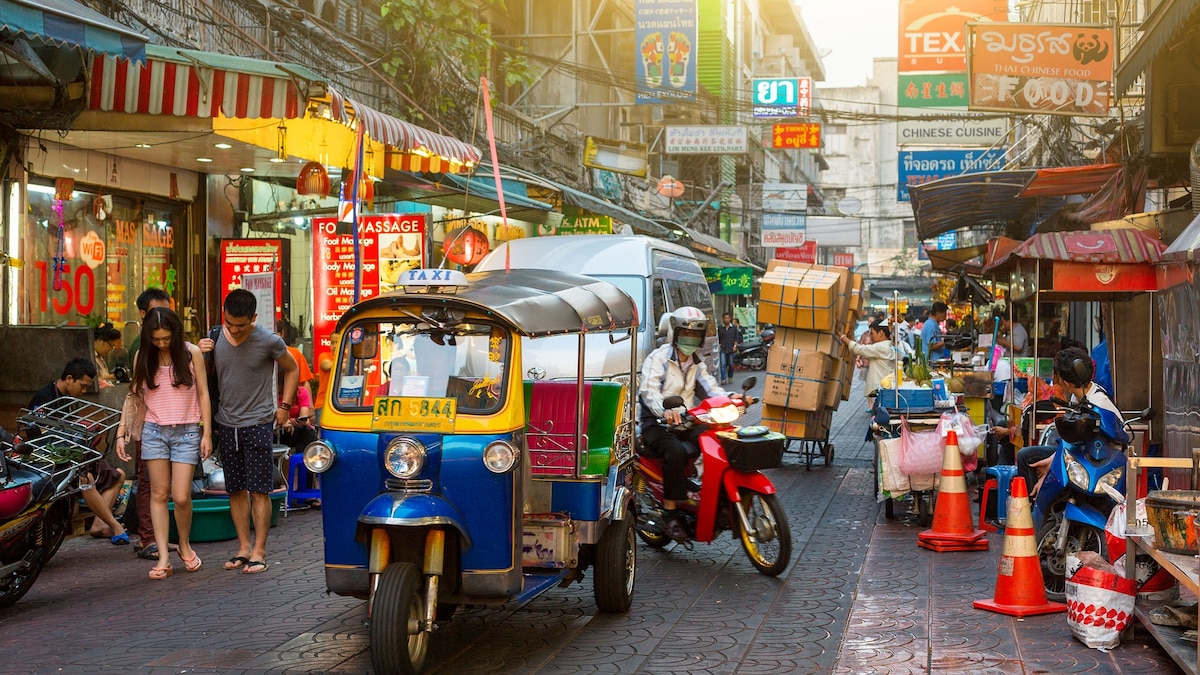
Use a reliable weather service to check hourly forecasts for your specific destination. Coastal areas can have sudden squalls even during dry seasons, so flexibility is key.
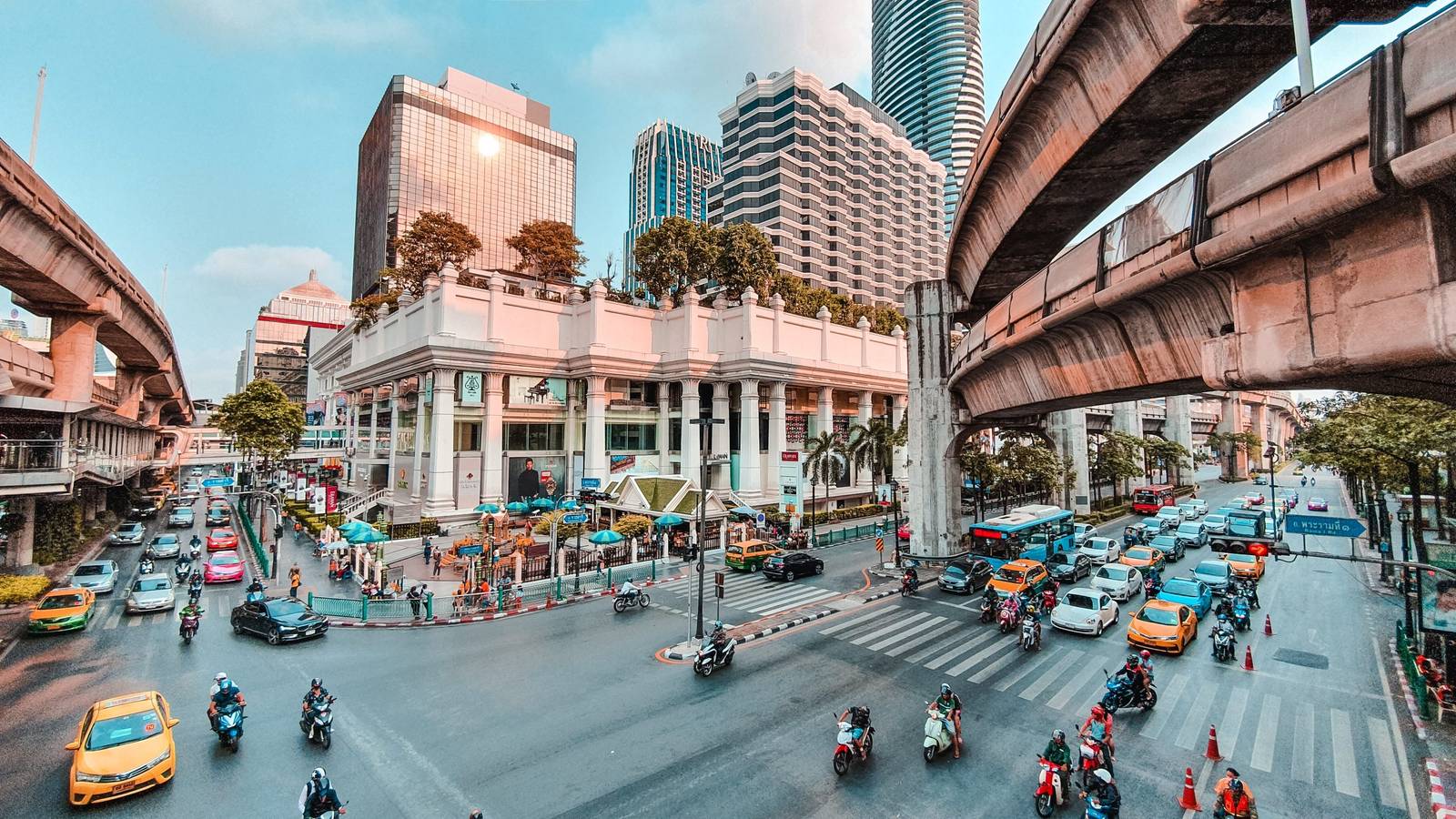
The best time to visit Thailand 2026 coincides with peak tourist numbers in November and December. Secure your hotels and flights at least three months in advance for popular islands.
2026 travel checklist
Planning the best time to visit Thailand 2026 means aligning your dates with the dry season, but logistics are just as critical as weather. Use this ordered checklist to ensure your trip runs smoothly from booking to departure.
Check visa requirements for your nationality. Many travelers now qualify for visa-free entry or e-visas, but rules change frequently. Ensure your passport has at least six months of validity remaining from your entry date.
Book international flights early for November–February peaks. For intercity travel, compare budget airlines like AirAsia with overnight trains, which save on accommodation and offer a local experience.
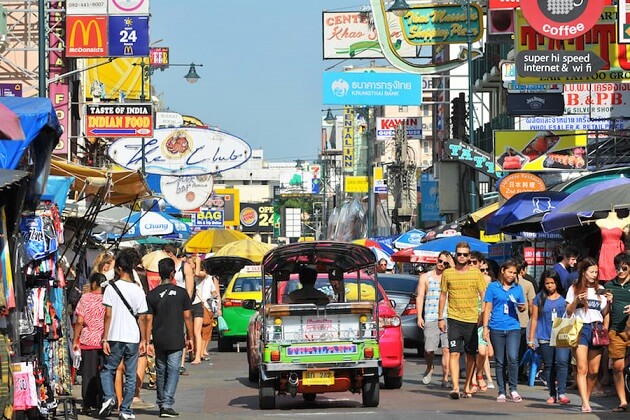
Pack light, breathable clothing. Include a light rain jacket for sudden showers even in the dry season, comfortable walking shoes for temples, and a swimsuit for island hopping.
Purchase comprehensive travel insurance covering medical evacuation. Download Grab for rides, Translate Thai for menus, and map apps like Maps.me for offline navigation in remote areas.
Common Questions About the Best Time to Visit Thailand 2026
Planning your trip around the right season simplifies everything from packing to budgeting. Here are the most frequent questions travelers ask when figuring out the best time to visit Thailand 2026.
No comments yet. Be the first to share your thoughts!