

When to visit Thailand in 2026
Thailand’s weather follows a predictable rhythm, and timing your trip around the monsoons is the single most important decision for a smooth journey. The dry season runs from November to April, offering the most reliable conditions for beach hopping, temple tours, and island hopping. If you are planning to visit Thailand in 2026, aiming for this window ensures you won’t waste days waiting out heavy rain.
The dry season splits into two distinct phases. The cool season, from November to February, brings comfortable temperatures averaging 25-32°C (77-90°F) and lower humidity. This is peak tourist time, so popular spots like Phuket and Chiang Mai will be busy. The hot season, from March to May, sees temperatures climb higher, often exceeding 35°C. While intense, this period is still dry, making it a viable option if you prefer fewer crowds and lower prices.
The rainy season stretches from June to October. This doesn’t mean it rains all day every day; typically, you’ll see heavy downpours in the late afternoon or evening, leaving mornings clear. However, sea conditions can be rough, and some islands close their resorts due to unsafe swimming conditions. If you visit during this time, pack a light rain jacket and remain flexible with your itinerary.
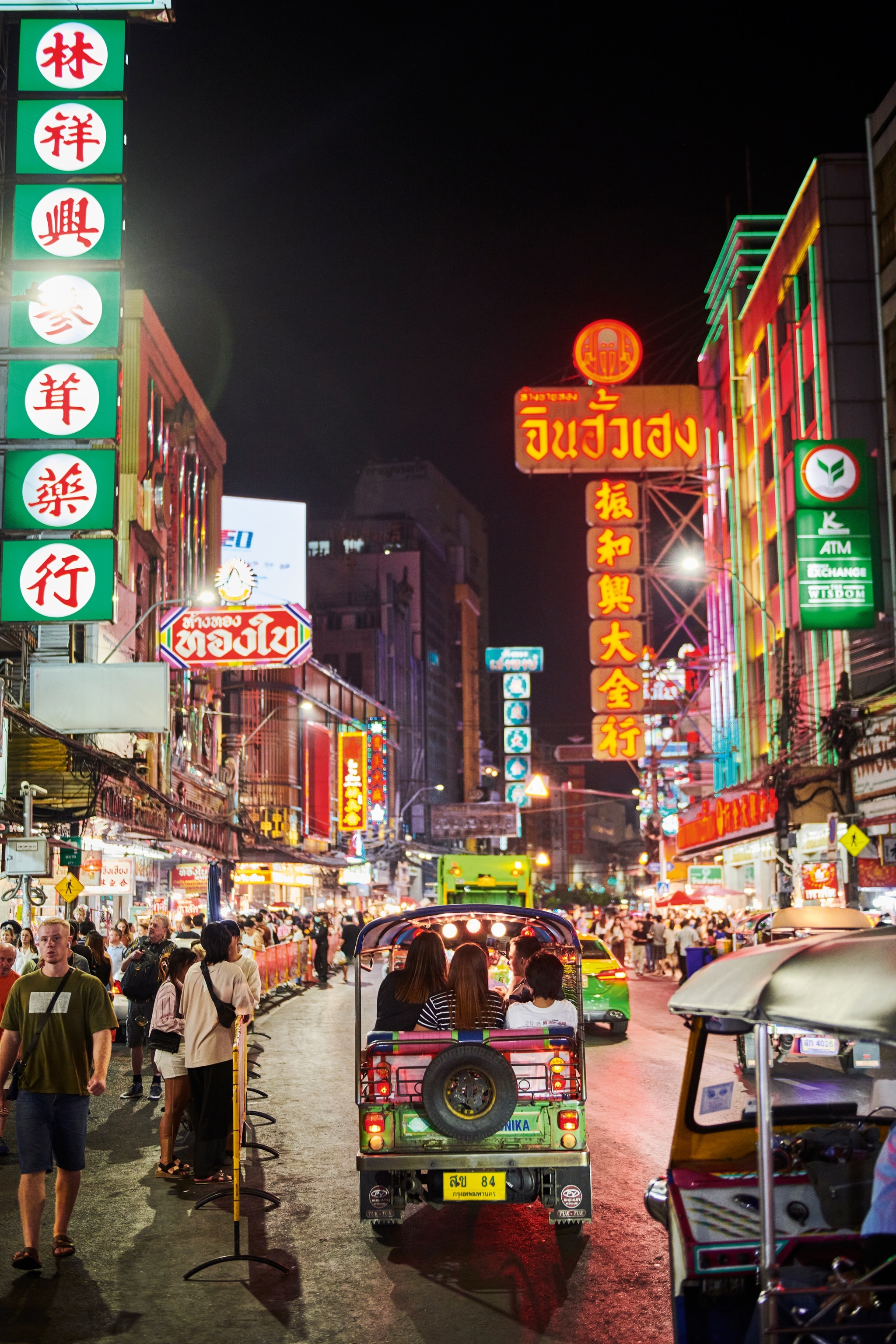
Crowd levels also shift with the seasons. December and January are the busiest months, with flights and hotels booking up weeks in advance. If you want to avoid the throngs but still enjoy good weather, consider the shoulder months of November and April. You’ll get near-perfect conditions with slightly fewer tourists and better deals on accommodation.
Where to go: Bangkok, Chiang Mai & Islands
Thailand’s geography dictates its rhythm. Most itineraries split between the chaotic energy of the capital, the cool hills of the north, and the island clusters in the south. This guide to best times and places in Thailand breaks down how to sequence these regions without wasting days in transit.
Bangkok: The Urban Launchpad
Bangkok is best used as a launchpad rather than a long-term destination. The heat and traffic are intense, but the street food and markets are unmatched. Spend two to three days here to explore the Grand Palace, take a canal boat tour, and eat your way through Chinatown. From Suvarnabhumi Airport, you can catch a direct flight to Chiang Mai or a ferry to the southern piers.
Chiang Mai: The Northern Anchor
Chiang Mai offers a slower pace and cooler weather, especially from November to February. It serves as the gateway to the Doi Suthep temple and hill tribe villages. The Old City is walkable, and the night bazaars provide easy access to handicrafts. Use this as a base for three to four days before heading south to the islands or north to the border regions.
The Islands: South or North?
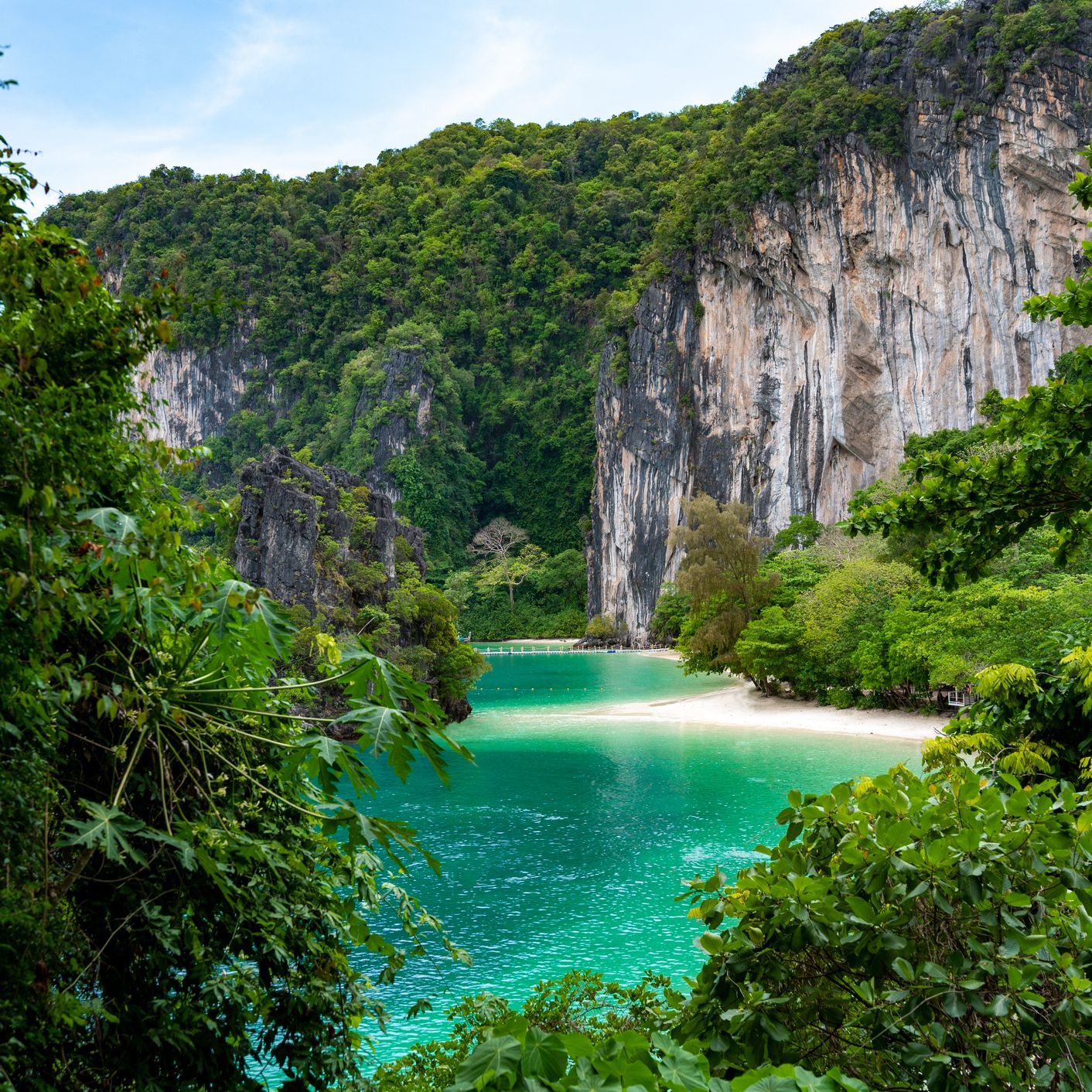
The islands are divided by monsoon season. The Andaman Sea (Phuket, Krabi, Phi Phi) is calm from November to April, while the Gulf of Thailand (Koh Samui, Koh Phangan, Koh Tao) is best from June to September. Trying to visit both coasts in one trip is logistically difficult and often unnecessary. Pick one region based on your travel dates and stick to it to minimize ferry and flight transfers.
New attractions and hidden gems in 2026
Thailand’s tourism landscape is shifting in 2026, moving beyond the well-worn paths of Bangkok and Phuket. The focus is now on decentralized experiences that prioritize sustainability and local community engagement. This shift has opened up lesser-known regions that offer authentic cultural immersion without the heavy tourist footfall.
Khao Sok’s Canopy Walks
In Surat Thani province, Khao Sok National Park has expanded its canopy walkways to provide a bird’s-eye view of one of the world’s oldest rainforests. These elevated trails allow visitors to observe wildlife in their natural habitat while minimizing ground disturbance. The experience is best enjoyed early in the morning when the mist is still rising from Cheow Lan Lake.
Chiang Rai’s White Temple Extensions
The White Temple (Wat Rong Khun) in Chiang Rai has unveiled new exhibition spaces that blend contemporary art with traditional Buddhist philosophy. These additions offer a deeper understanding of the temple’s unique architectural vision. The area also features a growing network of local artisan workshops where visitors can participate in traditional silk weaving and silver smithing.
Koh Yao Noi’s Eco-Lodges
Between Phuket and Krabi, Koh Yao Noi is emerging as a premier destination for eco-tourism. Several new eco-lodges have opened, focusing on renewable energy and zero-waste practices. These accommodations often include guided kayaking tours through mangrove forests and visits to local fishing villages, providing a glimpse into the island’s slow-paced lifestyle.
What to eat: 2026 Thai food trends
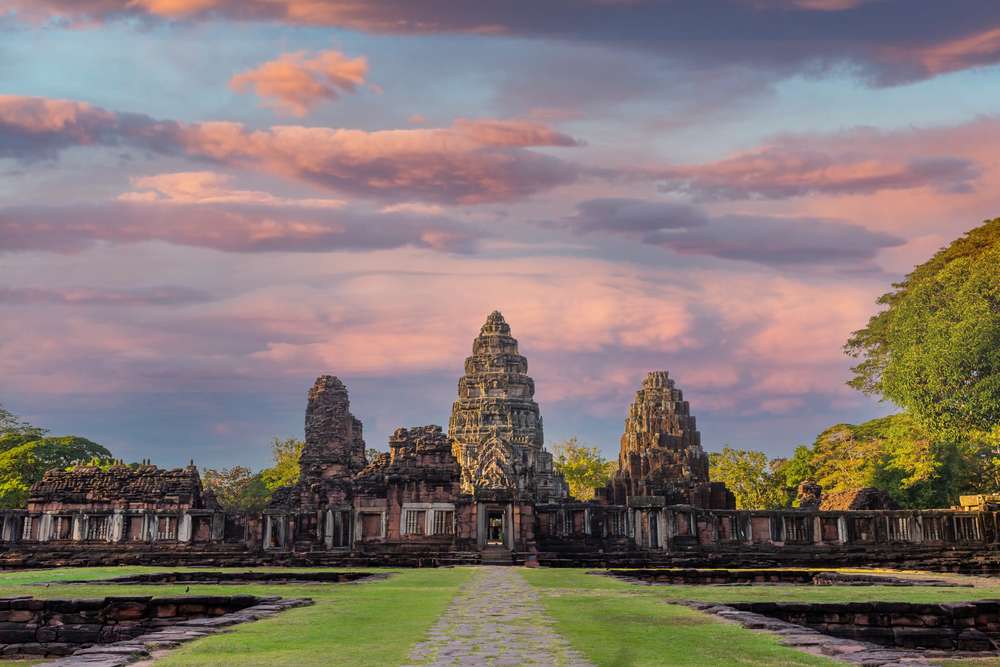
Thailand’s culinary landscape in 2026 is defined by a blend of hyper-local nostalgia and modern innovation. The primary draw remains Thai food trends that prioritize authenticity, with street vendors refining traditional recipes using sustainably sourced ingredients. In Bangkok and Chiang Mai, chefs are reinterpreting classic dishes like som tam and gaeng som with a focus on seasonal, locally grown produce, reducing reliance on imported spices while amplifying the natural heat and acidity of fresh herbs.
Street food remains the heartbeat of this movement. Look for stalls with high turnover, a practical indicator of freshness and quality. In 2026, vendors are increasingly transparent about their sourcing, often displaying local farm partnerships. This shift isn't just about taste; it's a response to growing demand for ethical and eco-conscious dining. You’ll find more plant-based versions of iconic meat dishes, such as jackfruit kaeng phet, catering to both locals and international visitors seeking lighter options without sacrificing flavor.
Modern fusion is also gaining traction, particularly in urban centers. Chefs are experimenting with cross-cultural techniques, such as using Japanese yuzu in Thai citrus salads or incorporating French pastry methods into traditional khanom (sweet snacks). This trend reflects a broader global connection, yet the core flavors remain distinctly Thai. Dining here offers a unique opportunity to experience how traditional Thai cuisine is evolving while staying rooted in its cultural heritage.
Budgeting your Thailand trip
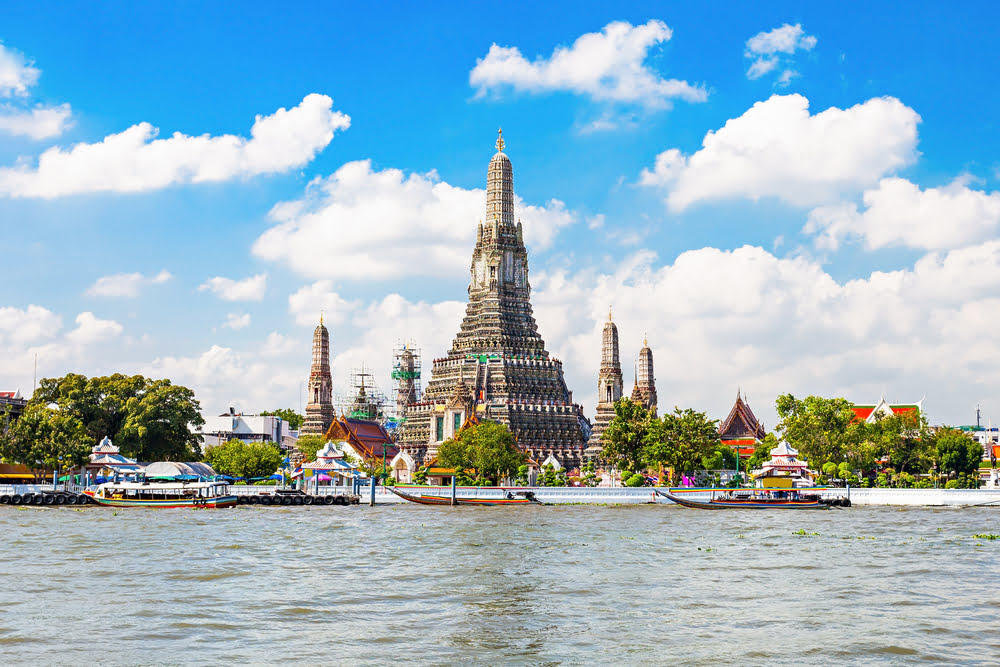
Thailand remains one of the most affordable destinations in Southeast Asia, but costs vary significantly depending on your travel style. A daily budget for Thailand ranges from $40 for backpackers to over $200 for luxury travelers, covering accommodation, transport, and food. Planning ahead helps you allocate funds where they matter most—whether that’s staying in a beachfront bungalow or eating at street stalls.
Daily Costs by Travel Style
Accommodation and food make up the bulk of your expenses. Hostels and guesthouses in Chiang Mai or Bangkok cost far less than beach resorts in Phuket or Koh Samui. Public transport like buses and trains is cheap, while private tours and domestic flights add up quickly.
| Category | Budget (USD) | Mid-Range (USD) | Luxury (USD) |
|---|---|---|---|
| Accommodation | $10–$20 | $40–$80 | $150+ |
| Food | $10–$15 | $25–$40 | $60+ |
| Transport | $5–$10 | $15–$30 | $50+ |
| Activities | $5–$10 | $20–$40 | $80+ |
Saving Money on Transport and Food
To keep costs down, use local buses, songthaews, and trains instead of taxis or private cars. Street food offers delicious, authentic meals for under $2, while restaurant prices rise with ambiance and location. Booking accommodations in advance and traveling during shoulder seasons can further reduce your daily Thailand travel budget.
Essential packing and safety checklist
Start The Thailand Travel with the constraint that matters most in real life: space, timing, budget, skill level, maintenance, or availability. That first constraint should shape the rest of the plan instead of appearing as an afterthought. Keep the first pass simple enough to verify. Compare the main options against the same criteria, remove choices that only work in ideal conditions, and save optional upgrades for later.

Frequently asked questions about Thailand travel
Travelers planning a trip to Thailand often have specific concerns about safety, budget, and duration. Here are direct answers to the most common questions based on current traveler data and local insights.
No comments yet. Be the first to share your thoughts!