

Plan the route
Thailand Travel works best as a clear sequence: define the constraint, compare the realistic options, test the tradeoff, and choose the path with the fewest hidden costs. That order keeps the advice usable instead of decorative. After each step, pause long enough to check whether the recommendation still fits the reader's actual situation. If it depends on perfect timing, unusual access, or a best-case budget, include a simpler fallback.
Stops worth prioritizing
Thailand’s tourism infrastructure is mature, but not every stop deserves the same amount of time. The difference between a memorable trip and a rushed one often comes down to how you allocate days across the country’s distinct regions. Bangkok demands attention for its density, but the North and Islands require separate itineraries to avoid burnout.
Bangkok: The Urban Core
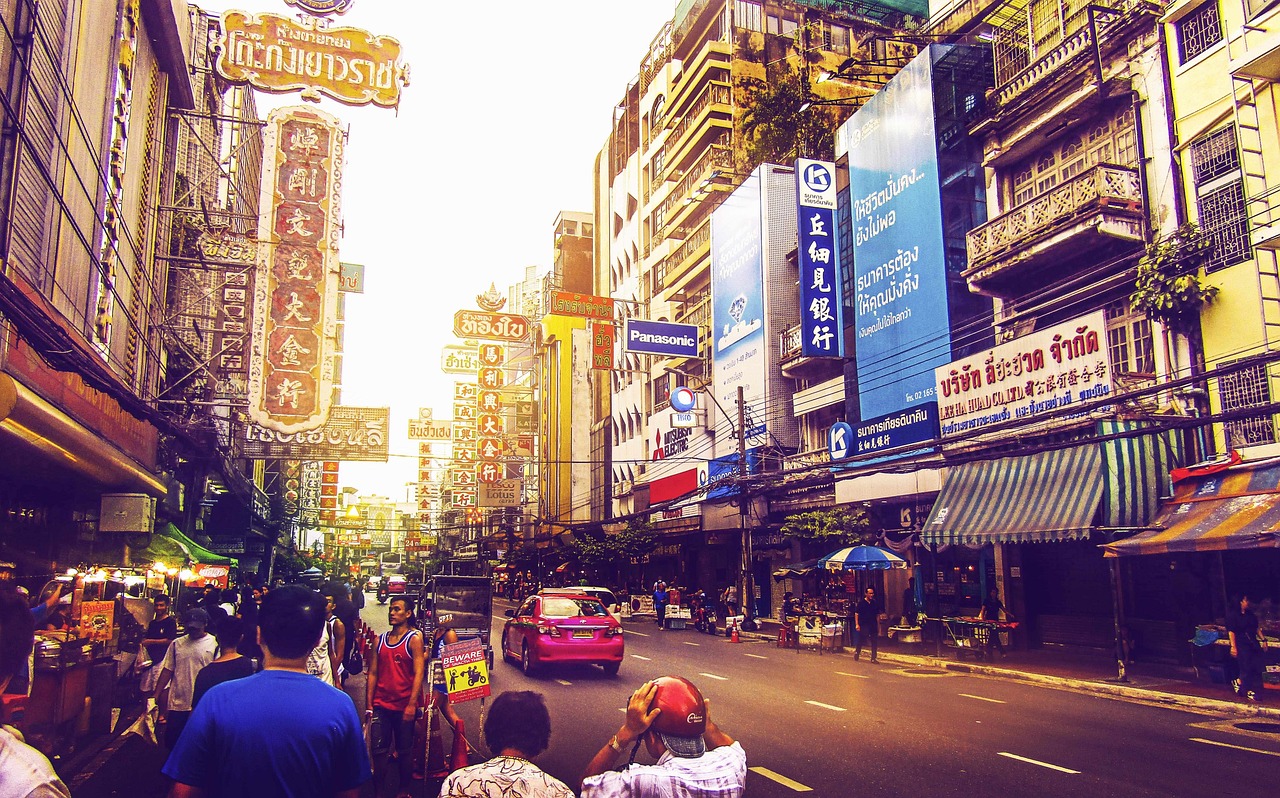
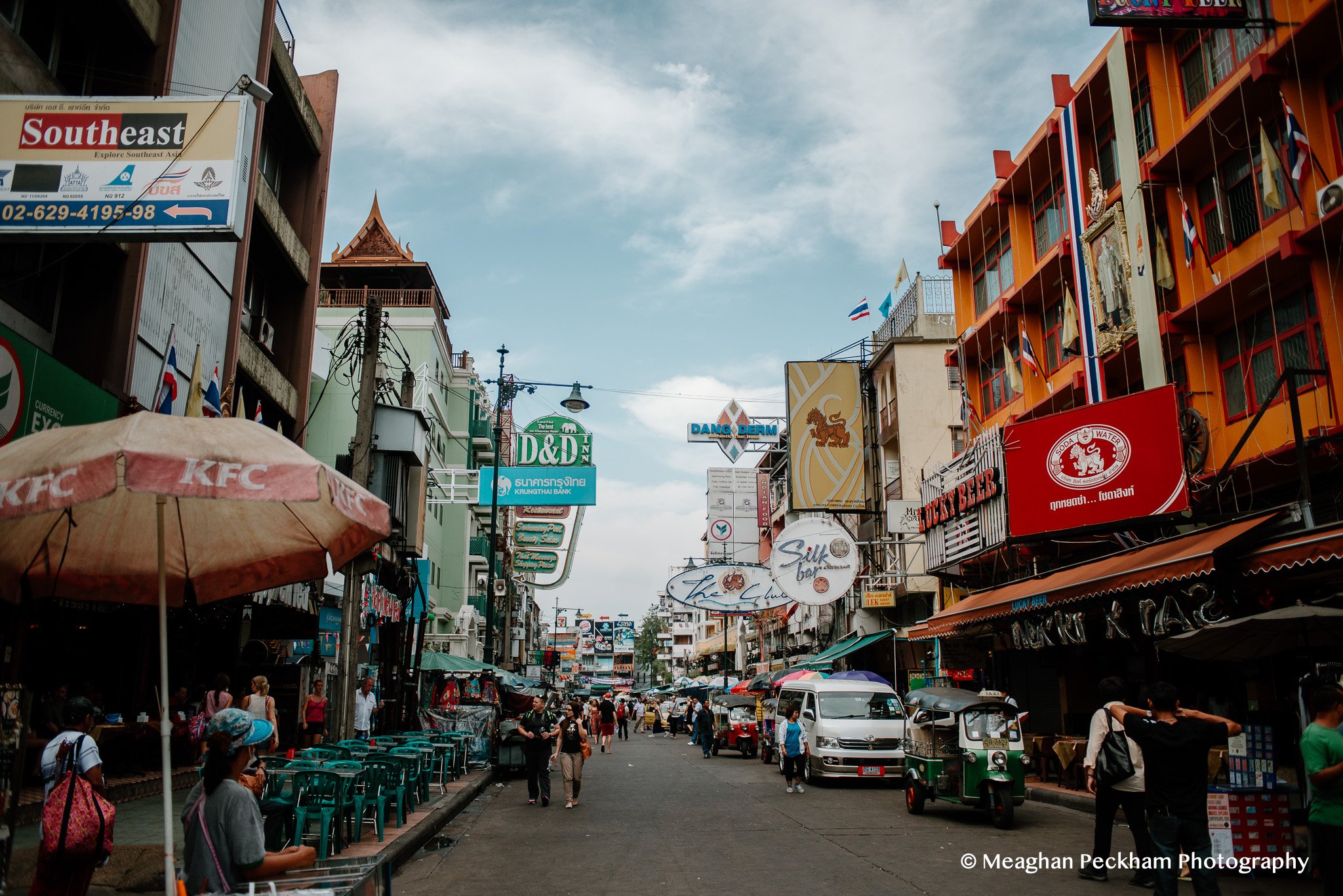
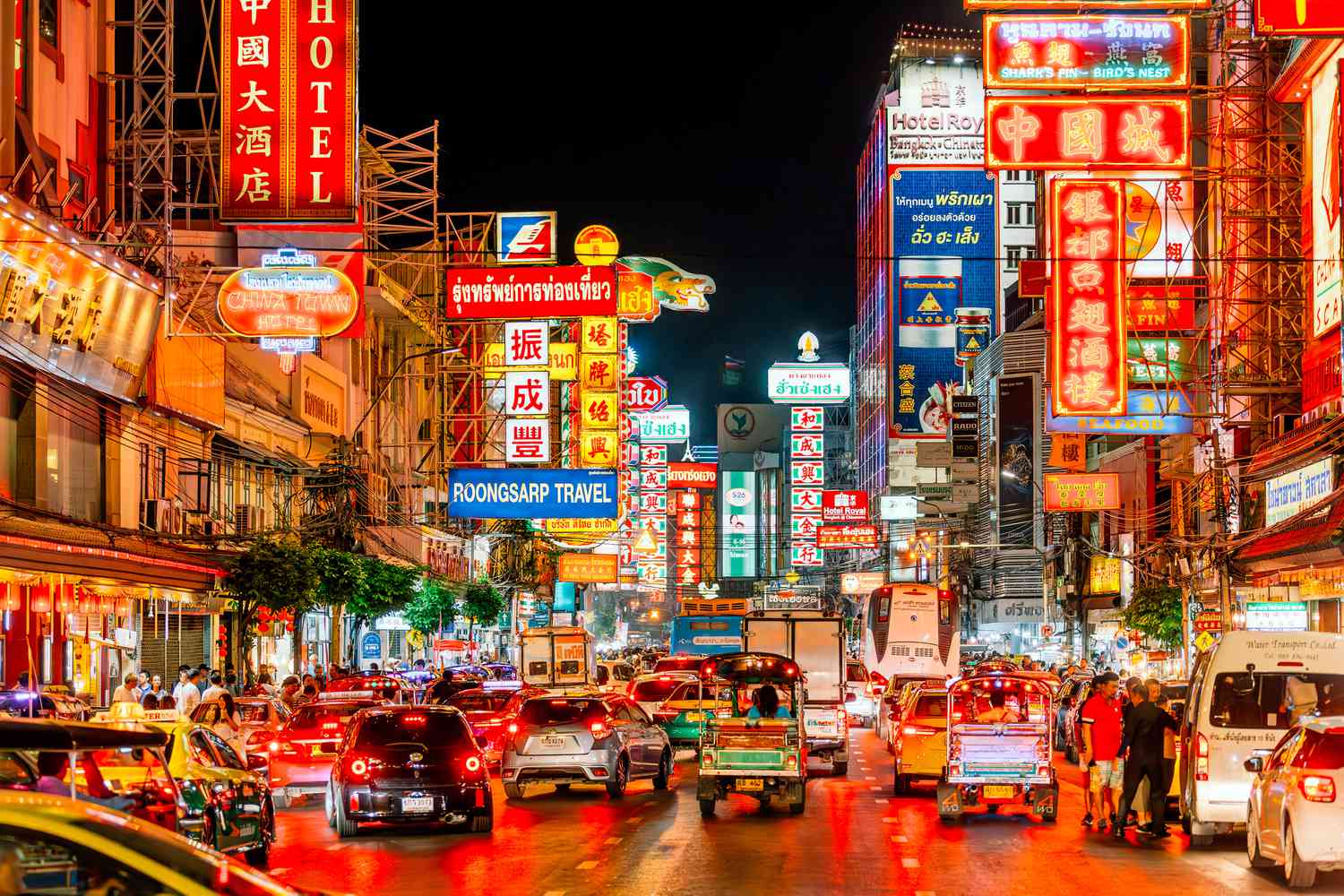
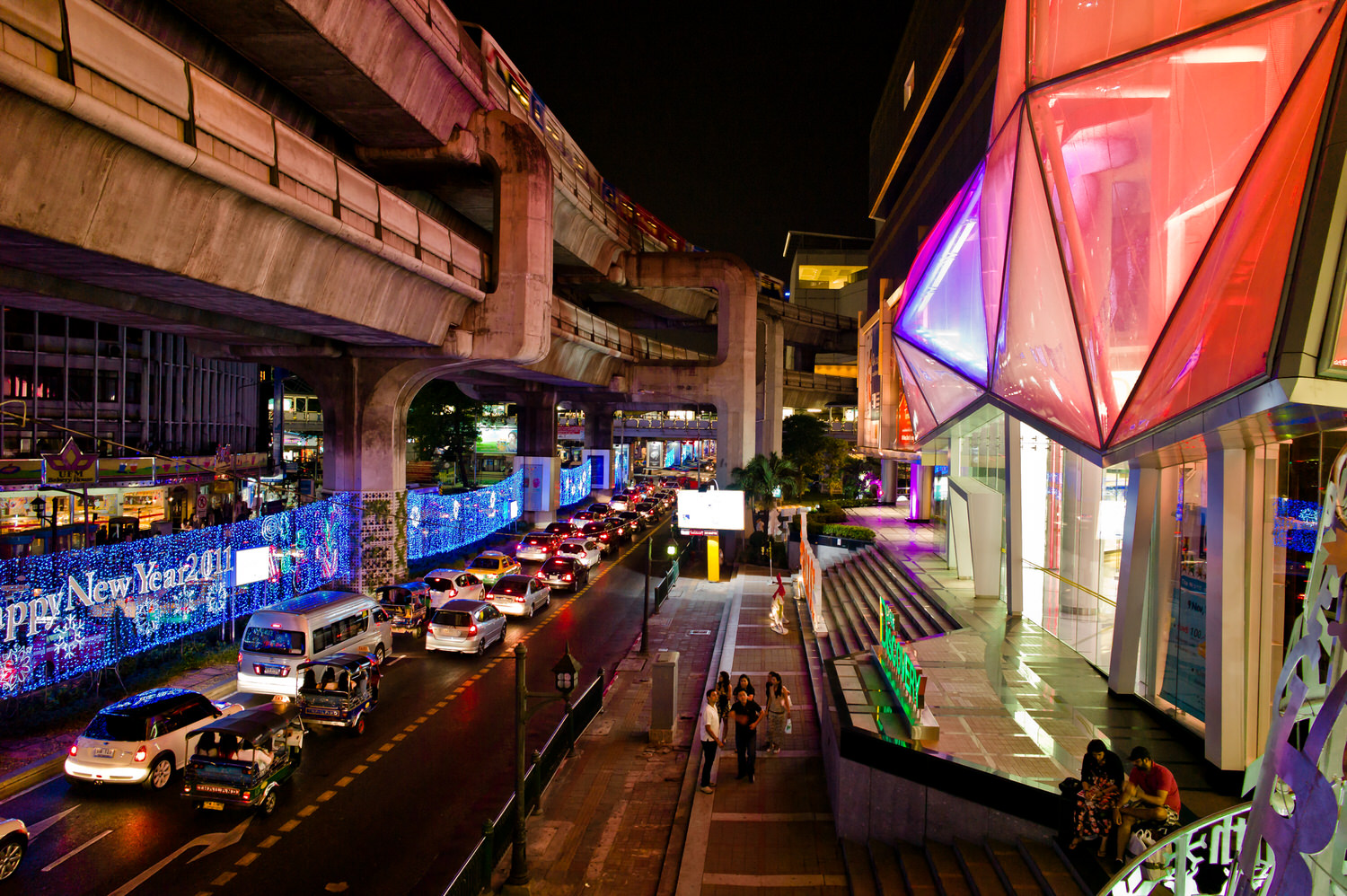
Bangkok is the primary gateway and a destination in itself. Prioritize the Grand Palace and Wat Aru for historical context, but spend equal time navigating the street food scene in Yaowarat (Chinatown). The city is a sensory overload; plan your days around cool morning hours and reserve evenings for rooftop views or canal tours. Avoid the Khao San Road area unless you are specifically looking for backpacker nightlife, as it lacks the cultural depth of other districts.
Chiang Mai: Cultural Depth
For eco-tourism and cultural immersion, Chiang Mai is the strongest alternative to the south. The Old City grid offers manageable exploration, while the surrounding mountains provide ethical elephant sanctuaries and hill tribe visits. Unlike the islands, Chiang Mai is accessible year-round, though the dry season (November–February) offers the most comfortable trekking conditions. It serves as a necessary counterbalance to the urban intensity of Bangkok.
The Islands: Seasonal Trade-offs
The Gulf Islands (Koh Samui, Koh Phangan, Koh Tao) and the Andaman Coast (Phuket, Krabi, Phi Phi) have opposite rainy seasons. If you are traveling between November and April, the Andaman side offers clearer waters for snorkeling and diving. The Gulf islands are generally calmer during the monsoon months of October and November. Choose your island group based entirely on your travel dates, not just your preference for beaches.
Quick Comparison: Region by Region
| Feature | Bangkok | Chiang Mai | Andaman Islands | Gulf Islands |
|---|---|---|---|---|
| Best For | Street food, culture, nightlife | Eco-tourism, temples, hiking | Snorkeling, diving, beaches | Relaxation, parties, diving |
| Best Season | Year-round (avoid April heat) | Nov–Feb (cool/dry) | Nov–Apr (dry) | Jan–Sep (dry) |
| Pace | Fast, chaotic | Moderate, relaxed | Moderate, resort-focused | Variable, party or chill |
| Crowd Level | Very High | High | High (Peak season) | Moderate to High |
Timing and logistics
Getting around Thailand requires a mix of advance planning and local flexibility. The country’s transit systems are efficient in major hubs but sparse in rural eco-tourism zones, so your choice of accommodation often dictates your movement strategy. In Bangkok and Chiang Mai, ride-hailing apps like Grab and Bolt are reliable alternatives to metered taxis, which often refuse to use meters or inflate prices for tourists. For longer distances, domestic flights connect the north and south quickly, but booking two to three weeks ahead usually secures better rates than waiting until the last minute.
Parking in dense urban areas like Bangkok’s Sukhumvit or Silom districts is tight and expensive. Most hotels charge between 200 and 400 baht per night, while street parking is scarce and often monitored by municipal cameras. If you rent a car for island hopping in Phuket or Krabi, note that driving is on the left and traffic can be chaotic; many travelers find it easier to hire a private driver with a car for day trips instead. This option is cost-effective for groups and removes the stress of navigating unfamiliar roads.
Reservations are non-negotiable for popular street food districts and new cultural attractions during peak seasons. Venues like Bangkok’s Chatuchak Weekend Market or Chiang Mai’s Sunday Walking Street require early arrival—before 8 am—to avoid the worst crowds and secure parking. For fine dining or exclusive eco-lodges, book at least a month in advance. Always check if a venue requires a deposit, as no-show policies are becoming stricter in high-demand areas.
Safety remains a primary concern for many travelers. The U.S. State Department rates Thailand as Level 1: Exercise Normal Precautions, noting that violent crime against tourists is rare but petty theft and scams are common in crowded areas. Stay aware of your surroundings in markets and transit hubs. Regarding cultural norms, females can generally wear shorts in most public areas, but temples and royal palaces enforce strict dress codes requiring covered knees and shoulders. Always carry a scarf or long skirt when visiting religious sites. The geopolitical situation in the Middle East, including tensions involving Iran, has no direct impact on travel safety in Thailand, though global fuel prices may occasionally affect domestic flight costs.
No comments yet. Be the first to share your thoughts!