
Plan the route
Thailand Travel works best as a clear sequence: define the constraint, compare the realistic options, test the tradeoff, and choose the path with the fewest hidden costs. That order keeps the advice usable instead of decorative. After each step, pause long enough to check whether the recommendation still fits the reader's actual situation. If it depends on perfect timing, unusual access, or a best-case budget, include a simpler fallback.

Stops worth prioritizing
Thailand covers a lot of ground, so treating every stop as equally important is a mistake. Some destinations anchor a trip, while others are better suited as brief detours. Knowing the difference saves time and prevents fatigue.
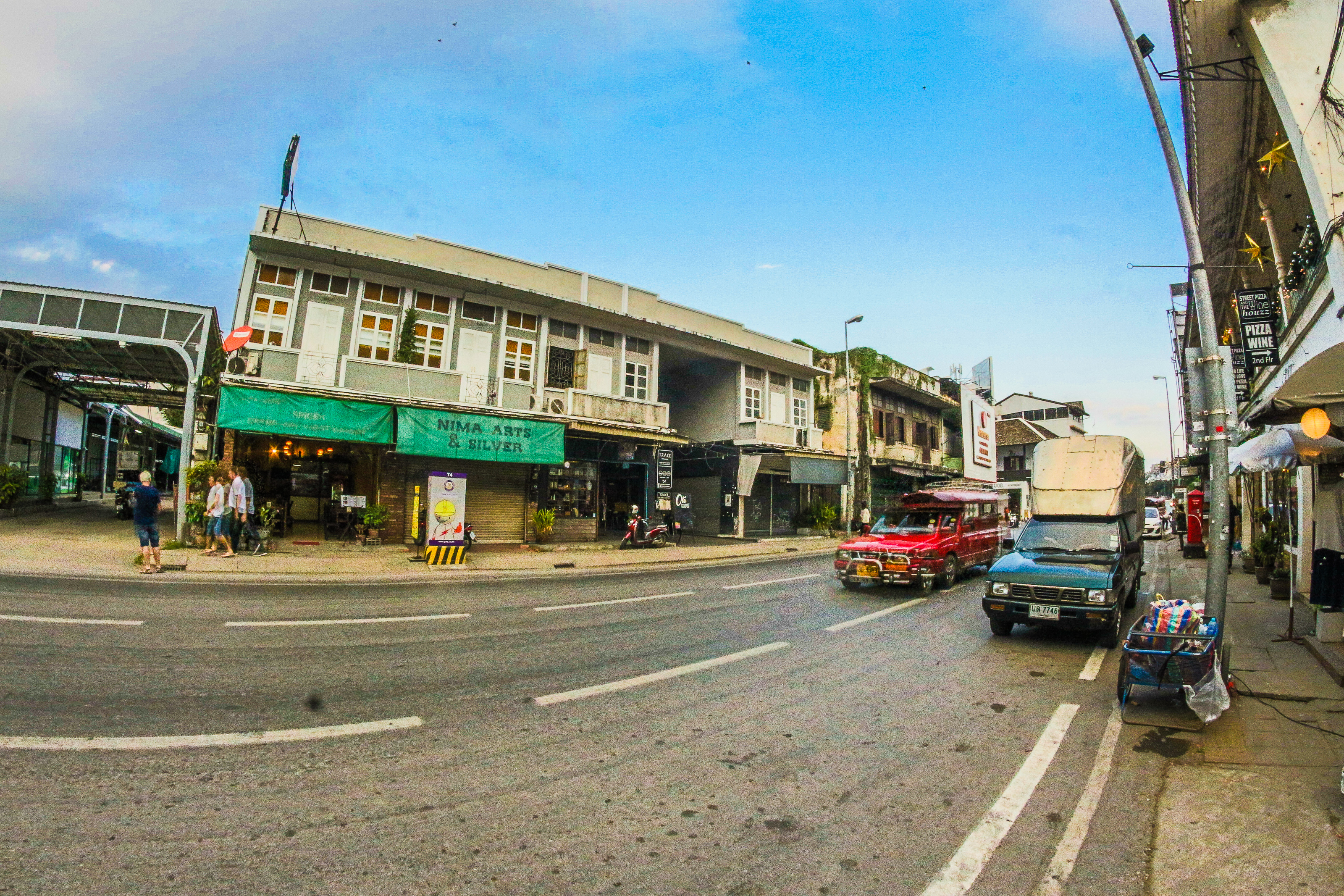
Bangkok and Chiang Mai serve as the primary hubs for most itineraries. Bangkok offers the densest concentration of temples, street food, and modern amenities, making it a practical base for arrival and departure. Chiang Mai provides a slower pace and distinct cultural experiences in the north. These two cities justify multi-day stays because the volume of activities outweighs the effort of settling in.
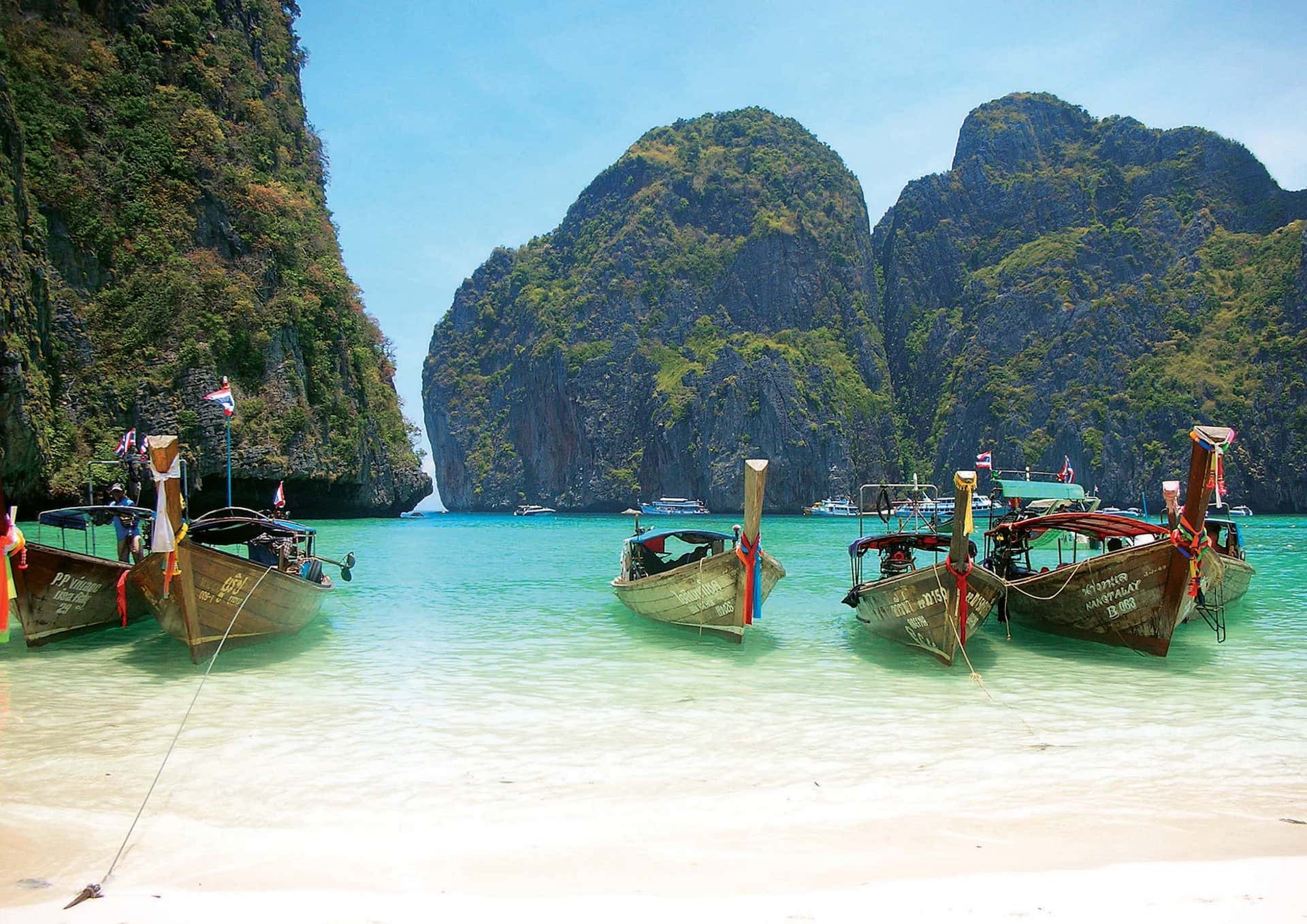
The islands in the south require more planning but offer the payoff most travelers seek. Phuket and Koh Samui have the best infrastructure for first-time visitors, with reliable transport and English-speaking services. For clearer water and quieter beaches, look at Koh Lanta or the Similan Islands. These spots are further away, so they work best as a final stretch of the trip rather than a quick stopover.
Some destinations are optional detours. Kanchanaburi is a meaningful historical site, but the travel time from Bangkok can feel long for a short visit. Ayutthaya is easier to reach, but many travelers find the temple ruins less compelling than the Grand Palace in Bangkok. Decide based on your interest in history versus relaxation.

Comparison of Priority Levels
Use this table to decide how many days to allocate. "Must-see" stops require at least two full days to avoid rushing. "Optional" stops can be skipped if time is tight or weather is poor.
| Destination | Priority | Best For | Min. Days |
|---|---|---|---|
| Bangkok | Must-See | Culture, food, transit | 3-4 |
| Chiang Mai | Must-See | Temples, nature, pace | 3-4 |
| Phuket | High | Beaches, nightlife | 3-5 |
| Koh Lanta | High | Relaxation, diving | 3-4 |
| Ayutthaya | Optional | History, day trip | 1-2 |
| Kanchanaburi | Optional | War history, nature | 1-2 |
Local Caveats and Timing
Weather dictates which stops are actually worth visiting. The rainy season (May to October) makes northern roads muddy and island ferries unreliable. If you travel during these months, prioritize Bangkok and Chiang Mai, where indoor activities and sheltered markets keep the experience pleasant. Southern islands are best visited from November to April.
Transport costs vary significantly between regions. Domestic flights are cheap and save hours, making distant islands more accessible. Buses are affordable but slow, adding a full day to any northern journey. Factor these logistics into your priority list before booking hotels.
Timing and logistics
Thailand’s infrastructure is efficient but dense, and planning around transit and reservations prevents the most common travel headaches. Navigating the country requires a mix of digital tools, local knowledge, and strategic timing. Whether you are hopping between islands or navigating Bangkok’s sprawling streets, understanding the local systems is as important as the itinerary itself.
Parking and Driving
Renting a car offers freedom in rural areas like Chiang Mai or Isaan, but it is rarely necessary in Bangkok, Phuket, or Pattaya. Traffic in major cities is intense, and parking is often scarce or expensive in tourist zones. If you do rent a vehicle, ensure you have an International Driving Permit alongside your home license. In rural regions, road conditions can vary, and signage may be unclear, so a GPS app like Google Maps or Grab is essential. For city dwellers, ride-hailing apps are cheaper and more reliable than hailing random taxis, which may use unmetered fares.
Public Transit and Local Mobility
Bangkok’s BTS Skytrain and MRT subway are the best ways to avoid gridlock. They are clean, air-conditioned, and cover the main tourist and business districts. Outside the capital, options are limited. Buses in Chiang Mai are cheap but confusing for first-timers. The most practical solution for most travelers is using Grab or Bolt, the regional equivalents of Uber. These apps provide fixed prices, eliminating the need to haggle with tuk-tuk drivers or taxi drivers. For longer distances, domestic flights connect major hubs quickly, while overnight trains offer a scenic, budget-friendly alternative for routes like Bangkok to Chiang Rai.
Reservations and Timing
Peak seasons (November to February) require advance bookings for both flights and hotels, especially in popular islands like Koh Samui or Phuket. Last-minute deals are rare during these months. Conversely, the rainy season (May to October) offers lower prices and fewer crowds, but some islands may have restricted ferry services or closed resorts. Always check local weather forecasts and ferry schedules if island-hopping. For temple visits and national parks, arrive early in the morning to beat the heat and tour groups. Popular sites like the Grand Palace in Bangkok open early and fill up quickly.
No comments yet. Be the first to share your thoughts!