
Plan the route
Thailand’s geography is linear, stretching from the northern mountains down to the southern peninsula. Trying to zigzag across the country in a short window adds unnecessary transit time and cost. Instead, treat the route as a north-to-south or south-to-north line, picking specific regions to minimize backtracking.
Start by locking in your entry and exit cities. Most international flights arrive in Bangkok, but flying into Chiang Mai or Phuket can save a full day of domestic travel if you are prioritizing those regions. Once you have your endpoints, fill in the middle with a logical geographic sequence rather than a wish list of disconnected islands.

Begin in Chiang Mai or Chiang Rai if you are visiting between November and February. The cooler mountain air makes walking tours and temple visits comfortable. Use this leg to explore the Golden Triangle or take a slow boat down the Mekong River before heading south. This region rewards slower pacing, so allow at least four days here.
Bangkok serves as the central hub for trains, buses, and flights. Even if it is not your main destination, use it as a transit point. If you have extra time, visit Ayutthaya or Kanchanaburi, which are within easy reach of the capital. This segment is mostly about efficient movement, so keep transit days light and book connections in advance during peak season.
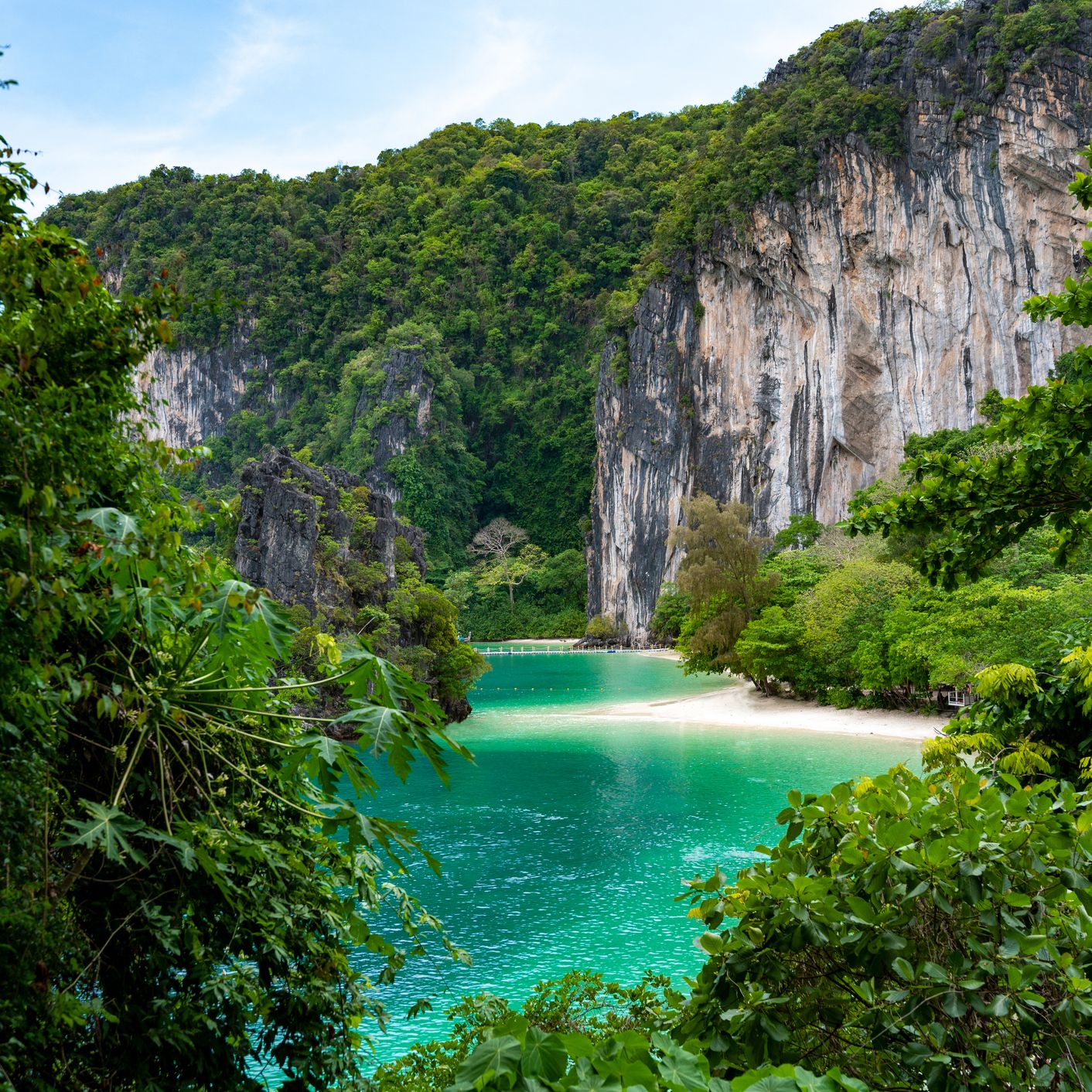
The southern coast splits into two sides: the Andaman Sea (Phuket, Krabi, Phi Phi) and the Gulf of Thailand (Koh Samui, Koh Phangan, Koh Tao). Choose one side based on the monsoon season. The Andaman side is best from November to April, while the Gulf side is accessible year-round but peaks in summer. Fly directly into your final island to avoid a long bus ride from Bangkok.
-
Book domestic flights at least three weeks ahead for peak season
-
Verify visa requirements for your nationality before booking
-
Pack light, breathable clothing for the southern humidity
-
Download offline maps for areas with spotty signal
Map context
Timing choices that change the plan
The biggest variable in your route is the monsoon. The rainy season (May to October) makes island hopping difficult on the Andaman side, with rough seas often closing ferries to Koh Phi Phi or Koh Lanta. If you travel during these months, stick to the Gulf islands or the mainland north. Conversely, the high season (November to February) brings crowds and higher prices, especially in Phuket and Chiang Mai. Shoulder months like March or October offer a balance of decent weather and fewer tourists, though afternoon showers are still common.
Stops worth prioritizing
Thailand Travel works best as a clear sequence: define the constraint, compare the realistic options, test the tradeoff, and choose the path with the fewest hidden costs. That order keeps the advice usable instead of decorative. After each step, pause long enough to check whether the recommendation still fits the reader's actual situation. If it depends on perfect timing, unusual access, or a best-case budget, include a simpler fallback.
| Factor | What to check | Why it matters |
|---|---|---|
| Fit | Match the option to the primary use case. | A good deal still fails if it does not fit the job. |
| Condition | Verify age, wear, and service history. | Hidden condition issues erase upfront savings. |
| Cost | Compare purchase price with likely upkeep. | The cheapest option is not always the lowest-cost option. |
Timing and logistics
Thailand’s infrastructure is growing fast, but it still runs on local time. Getting from point A to point B requires a mix of apps, advance bookings, and a willingness to adapt. Treat your itinerary like a rough sketch rather than a rigid schedule, especially if you’re moving between regions.
Getting Around
Bangkok’s traffic is notorious, but the BTS Skytrain and MRT subway lines cover most tourist zones efficiently. For trips outside the capital, trains offer a comfortable and scenic alternative to buses. Booking train tickets via the official State Railway of Thailand website a few days in advance is standard practice. For intercity travel, buses are cheaper but slower; book through reliable agencies like 12Go.Asia to avoid scams.
Parking and Driving
If you plan to rent a car, note that driving in Bangkok is chaotic and parking is scarce and expensive. Most hotels charge 200–300 THB per night for parking. In Chiang Mai or Phuket, driving is more relaxed, but you’ll need an International Driving Permit. Scooters are popular but risky; many insurance policies void coverage for scooter accidents if you lack the proper license.
Reservations and Timing
Popular temples like Wat Arun or the Grand Palace require online tickets during peak season (November–February). Book these at least 24 hours ahead. For food, reservations are rarely needed for street food or local eateries, but high-end restaurants in Bangkok and Phuket often require bookings days in advance. Always check opening hours on Google Maps, as they change frequently and many places close for lunch between 2–5 PM.
Thai trip lover: what to check next
Thailand is a massive country with distinct regions, making a single "best time" or "best place" impossible to define. The right answers depend entirely on your priorities: beach relaxation, jungle trekking, or city culture. Use these practical answers to filter the noise and build a plan that fits your schedule and budget.
No comments yet. Be the first to share your thoughts!