
Plan the route
Thailand Travel works best as a clear sequence: define the constraint, compare the realistic options, test the tradeoff, and choose the path with the fewest hidden costs. That order keeps the advice usable instead of decorative. After each step, pause long enough to check whether the recommendation still fits the reader's actual situation. If it depends on perfect timing, unusual access, or a best-case budget, include a simpler fallback.

Stops worth prioritizing
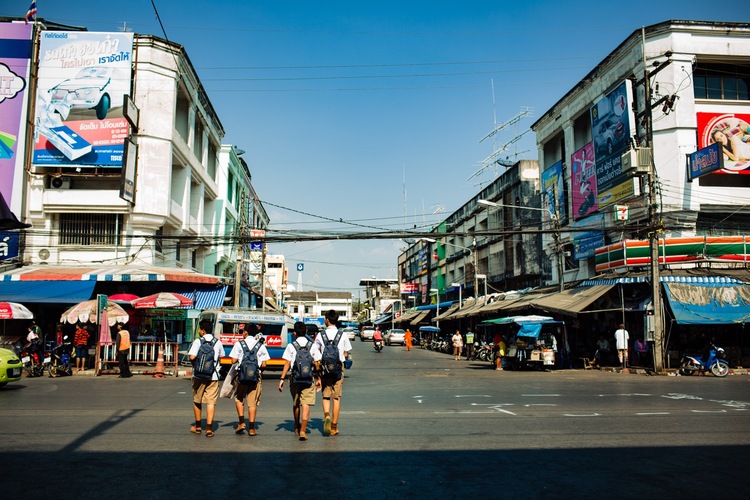
Thailand’s geography stretches across distinct climate zones, meaning a stop that makes sense in the north may be difficult in the south during the monsoon. The cool and dry season between November and early April offers the most reliable conditions for travel, with temperatures generally ranging from 29°C to 34°C. During this window, the southern beaches are calm, and the northern highlands are crisp and clear.
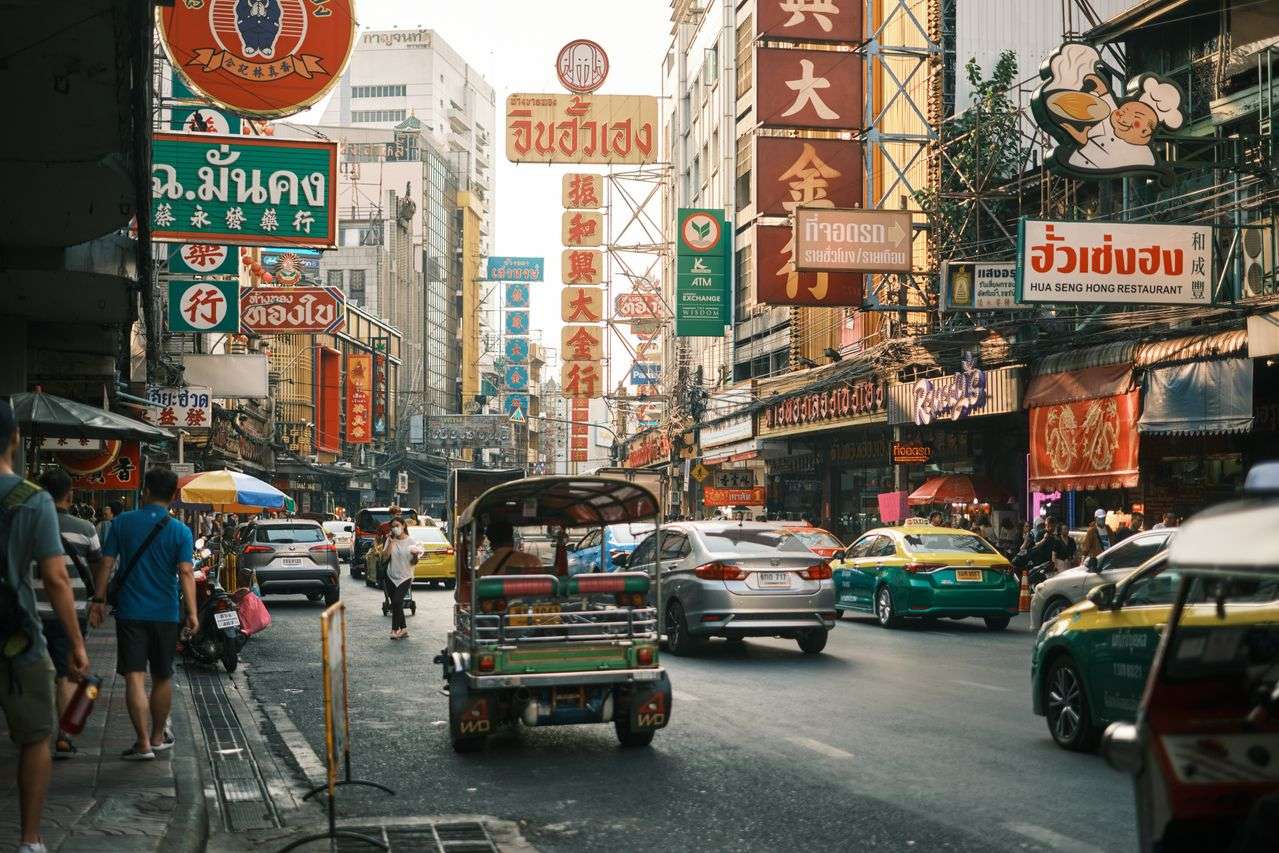
Prioritize Chiang Mai if you want to escape the coastal humidity. The mountains provide a natural break from the heat, and the city’s temples are best explored when the air is dry. Conversely, if your goal is snorkeling or beach relaxation, focus on the Andaman Coast (Phuket, Krabi) or the Gulf Islands (Koh Samui, Koh Phangan) during their respective dry months. Avoid the southern islands between October and November, when rough seas often cancel ferries and disrupt itineraries.
| Destination | Best Months | Weather | Crowd Level |
|---|---|---|---|
| Bangkok | Nov - Feb | Hot & Dry | High |
| Chiang Mai | Nov - Feb | Cool & Clear | Moderate |
| Phuket | Nov - Apr | Sunny & Calm | High |
| Koh Samui | Jun - Sep | Warm & Dry | Moderate |
Optional detours like Koh Lanta or Khao Sok National Park offer fewer crowds but require more flexible planning. If you visit during the rainy season, expect afternoon showers that rarely last all day, but also benefit from lower hotel rates and fewer tourists. Check local ferry schedules before booking island-hopping trips, as weather conditions can change rapidly.
Timing and logistics
Thailand’s climate and infrastructure vary significantly by region, making timing your arrival and departure as important as choosing your destinations. The cool, dry season from November to early April offers the most reliable weather for travel, particularly in the north and central plains. During this window, temperatures hover between 29°C and 34°C, and rainfall is minimal, allowing for smooth transit between cities and islands. Conversely, the wet season from May to October brings heavy afternoon showers and higher humidity, which can disrupt ferry schedules in the Andaman Sea and make trekking in the north slippery and difficult.
Public transportation is generally affordable and efficient for getting around major hubs like Bangkok, Chiang Mai, and Phuket. The BTS Skytrain and MRT subway in Bangkok cover most tourist areas, while red songthaews and metered taxis provide flexible street-level transit. For intercity travel, domestic flights are the fastest option, connecting Bangkok to Chiang Mai, Phuket, or Krabi in under two hours. Trains offer a slower, scenic alternative, especially the overnight sleeper trains to the north, but schedules can be subject to delays. Booking flights and trains at least two weeks in advance is advisable during peak season to secure better rates and avoid sold-out services.
Parking in Bangkok’s city center is scarce and expensive, with many hotels charging 200–300 baht per night for valet or self-parking. If you plan to explore the city extensively, consider staying near a BTS or MRT station to minimize the need for a car. In contrast, having a rental car is highly recommended for exploring the north or the islands, as public transit is limited outside major towns. Always carry an international driving permit if you plan to drive, as police checkpoints are common and strict enforcement is typical. For island hopping, ferry tickets should be booked directly with operators or through reputable local agents to avoid inflated prices at tourist kiosks.
Time to visit thailand: what to check next
Planning a trip to Thailand involves balancing weather patterns, budget constraints, and itinerary length. Here are answers to the most common practical questions travelers ask before booking.
No comments yet. Be the first to share your thoughts!