

Plan the route
Thailand’s geography stretches from the misty mountains of the north to the limestone karsts of the south. Trying to see everything in one go means spending more time on buses and flights than actually exploring. A logical route follows the country’s spine, moving north to south or vice versa, allowing you to adjust your schedule based on the weather and your energy levels.
Start in Chiang Mai to experience the cultural heart of the north. The city offers a slower pace, with temple hopping and night markets that are easy to navigate on foot. From here, you can take a short flight or bus to Pai for a weekend of relaxation before heading south. This initial phase sets a relaxed tone for the trip, avoiding the immediate shock of Bangkok’s traffic.

Spend three to four days in Chiang Mai. Visit the Old City temples, take a morning cooking class, and explore the Sunday Walking Street market. This is a low-stress introduction to Thai culture that doesn’t require complex transit planning.
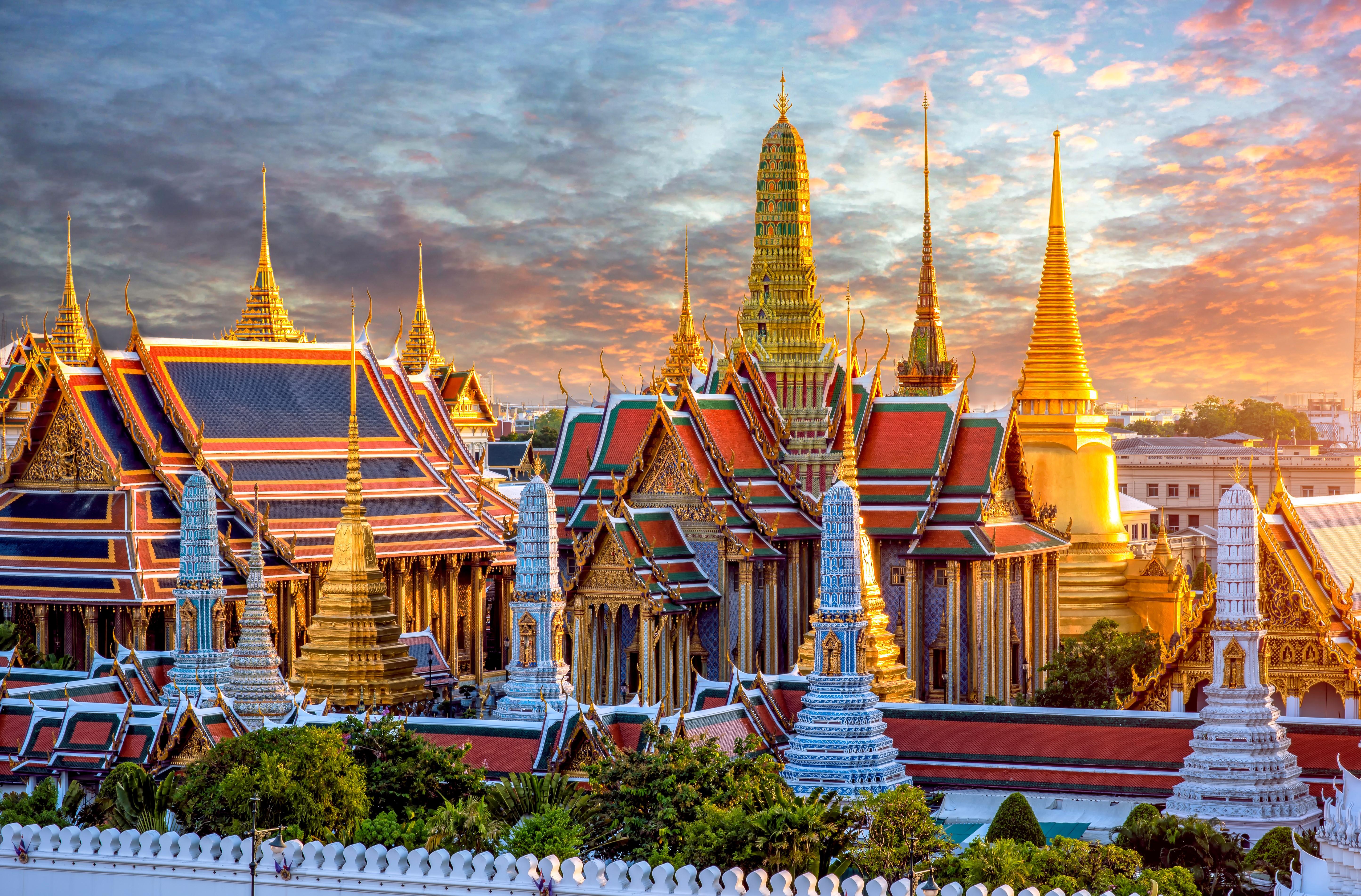
Fly south to Bangkok. Use this as a hub rather than a destination. Spend one day exploring the Grand Palace and one day navigating the Chinatown food scene. Book a river ferry pass to avoid the notorious rush-hour traffic, which can derail your schedule if you’re not careful.
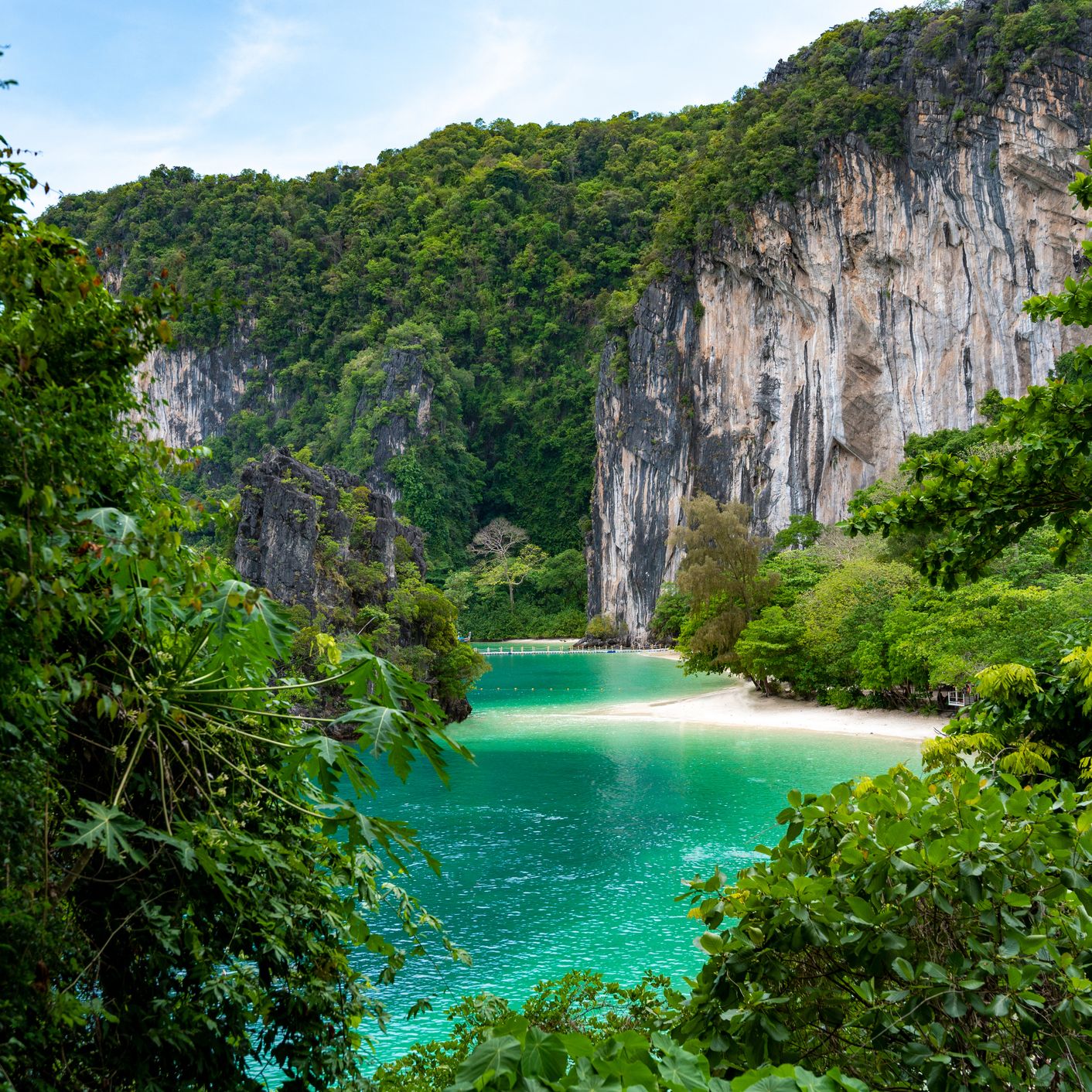
Choose your islands based on the season. If you are visiting between November and April, head to the Gulf of Thailand islands like Koh Samui or Koh Phangan. For the Andaman side, including the famous Phi Phi and Phuket, the best weather runs from October to April.
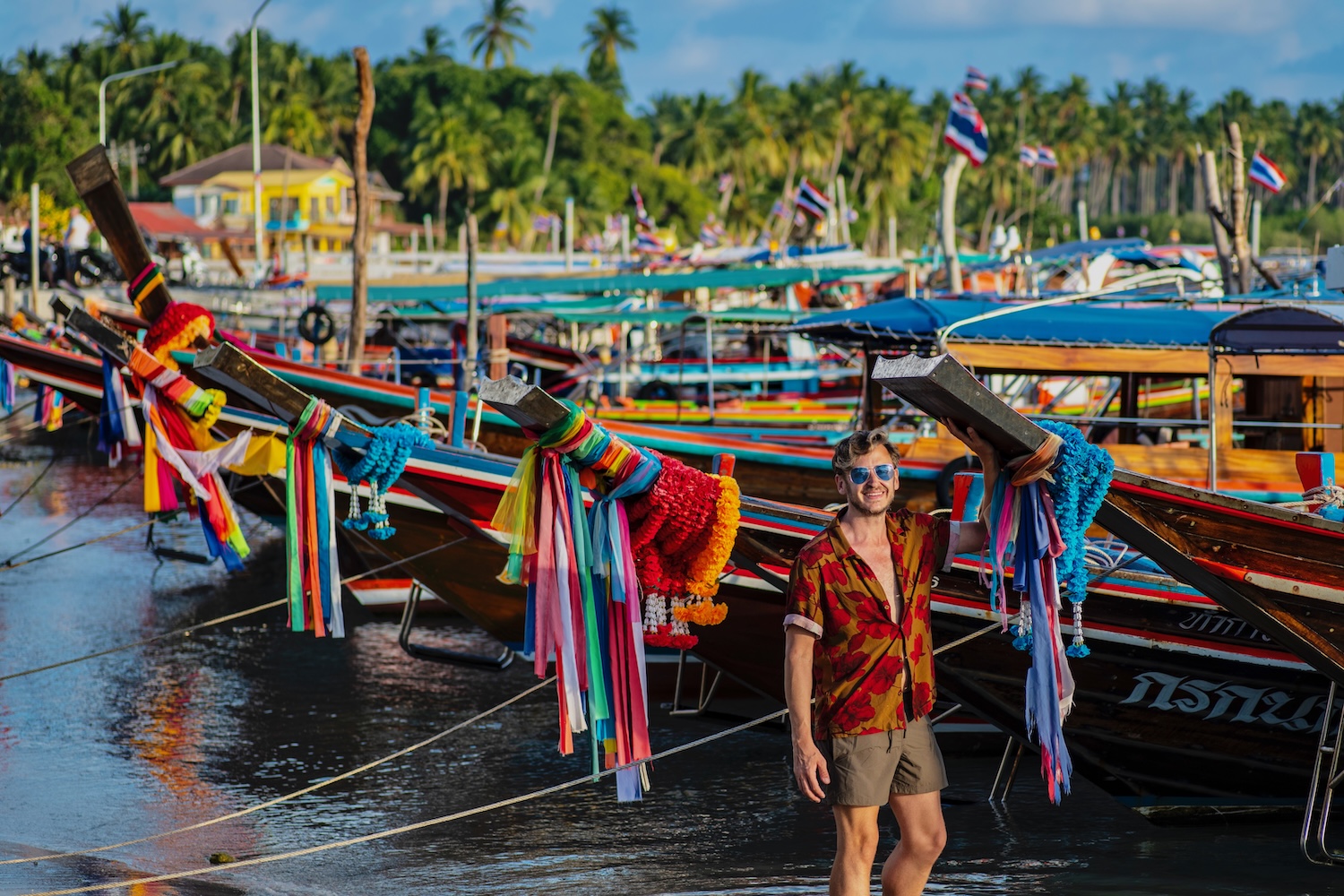
Conclude your trip in Krabi or Koh Lanta. These areas offer a more laid-back vibe compared to Phuket. Use this time to decompress before your flight home. Book your final internal flight or overnight train back to Bangkok with at least 48 hours of buffer time for delays.
Timing is critical. The rainy season (May to October) brings heavy afternoon showers, particularly in the south. While hotels are cheaper and crowds are thinner, boat tours to smaller islands are often canceled. If you prefer guaranteed sunshine, stick to the northern routes during these months, as the weather is more stable.
-
Book domestic flights 2 weeks in advance for better rates
-
Verify visa requirements based on your passport country
-
Pack light clothing and a light rain jacket
-
Download offline maps for areas with spotty signal
Stops worth prioritizing
Thailand offers distinct geographic zones, each with its own rhythm and travel logic. You can easily waste days on detours that don't align with your itinerary's core goal. This section separates the essential stops from the optional extras, helping you build a route that moves efficiently.
Bangkok: The Urban Anchor
Bangkok is the logistical heart of the country. It is not just a destination but the primary hub for domestic flights and trains. Use it to orient yourself, but do not treat it as a place to linger for more than two or three nights unless you are specifically interested in its nightlife or shopping districts. The traffic is dense, and the heat is relentless; keep your focus on key temples like Wat Arun and the Grand Palace.
Chiang Mai: Northern Culture
For a shift in pace, head north to Chiang Mai. This city offers a cooler climate, significant historical sites, and a slower pace of life. It serves as the gateway to the northern highlands and national parks. Prioritize this stop if you want to experience traditional Lanna culture, visit ethical elephant sanctuaries, or trek into the jungle. It is a necessary counterweight to the chaos of Bangkok.
The Islands: South vs. South
The southern coast is divided into two seas with opposing weather patterns. The Andaman Sea (Phuket, Krabi, Phi Phi) is calm from November to April. The Gulf of Thailand (Koh Samui, Koh Phangan, Koh Tao) is best visited from January to August. Pick one side based on your travel dates. Trying to visit both in a single short trip often leads to excessive ferry time and missed beach days.
The Hidden Gem: Kanchanaburi
Often skipped by first-time visitors, Kanchanaburi is a vital stop for history buffs. Located just a few hours from Bangkok, it houses the Death Railway and the famous Bridge over the Kwai River. It is a manageable day trip or a short overnight stay that adds historical depth without requiring long-haul travel.
Quick Comparison: Core Destinations
Use this table to decide where your time is best spent based on your primary interest.
| Destination | Best For | Min. Time | Travel Cost |
|---|---|---|---|
| Bangkok | Culture & Transit | 2-3 Days | Low |
| Chiang Mai | Nature & History | 3-4 Days | Medium |
| Phuket/Krabi | Beaches & Diving | 4-5 Days | High |
| Kanchanaburi | WWII History | 1-2 Days | Low |
Optional Detours
Places like Koh Lanta or Pai are wonderful but require specific interests. Koh Lanta is best for those seeking a quiet, family-friendly beach away from the party scene of Phuket. Pai is a mountain valley town ideal for digital nomads and hikers, but the road trip from Chiang Mai is long and winding. Only add these if your schedule allows for slower travel.
Timing and Logistics
Thailand’s infrastructure is improving, but the difference between a smooth trip and a logistical headache often comes down to planning ahead. Whether you are navigating the gridlock of Bangkok or trying to catch a long-tail boat in Krabi, knowing how the local systems work will save you hours. The country is large, and distances can be deceptive; a short flight often saves more time than a long bus ride.
Getting Around
Bangkok traffic is legendary and unforgiving. The BTS Skytrain and MRT subway are your best friends here, cutting through congestion that would stall cars for hours. For longer distances, domestic flights with airlines like Thai Vietjet or AirAsia are affordable and efficient, turning a 10-hour bus journey into a 1-hour flight. If you prefer the ground, overnight trains offer a classic experience, but book sleeper cabins in advance during peak season.
Parking and Driving
Driving in Thailand is an exercise in caution. Traffic drives on the left, and road conditions vary wildly from smooth highways to potholed rural roads. If you rent a car, ensure you have an International Driving Permit alongside your home license. In major cities like Bangkok, Phuket, and Chiang Mai, parking can be scarce and expensive. Hotels often charge 100-200 THB per night, while mall parking can cost even more. For city centers, rely on public transit or ride-hailing apps like Grab, which are reliable and price-transparent.
Reservations and Entry Rules
Book accommodations and popular attractions months in advance, especially if you are visiting during the cool season (November to February). Popular islands like Koh Phi Phi and Koh Samui fill up quickly. Regarding entry, Thailand currently offers visa-free entry for citizens of many countries, but always check the latest requirements for your nationality before you fly. Be aware of the "3-day rule" often discussed in travel forums: this is a myth. There is no mandatory 3-day stay requirement for tourists; you can leave as soon as your visa allows, though overstaying leads to heavy fines.
Thai trip lover: what to check next
Before locking in your 2026 itinerary, it helps to separate budget myths from local realities. Thailand offers a wide spectrum of travel styles, from backpacker hostels in Chiang Mai to luxury resorts in Koh Samui. Understanding the actual costs and cultural norms will save you money and prevent awkward situations on the ground.
These answers reflect current travel dynamics. Always verify entry requirements with the Thai Embassy before booking, as immigration policies can shift based on seasonal tourism goals.
No comments yet. Be the first to share your thoughts!