

The History of Thai Massage: From Ancient Times to Modern Day
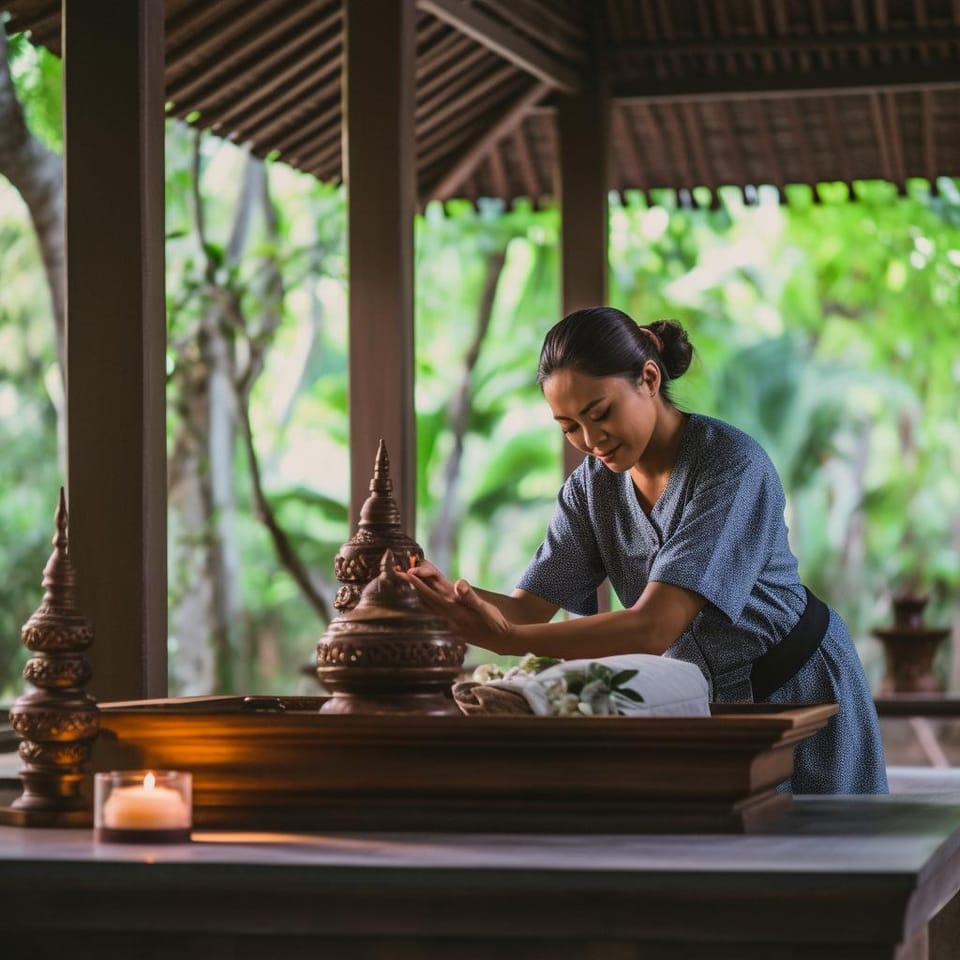
The history of Thai massage can be traced back to over 2,500 years ago, with roots in ancient Indian Ayurvedic medicine and Chinese healing practices. The founder of Thai massage, Jivaka Kumar Bhaccha, was a physician from India who treated the Buddha and other prominent figures during his time. As Buddhism spread from India to Southeast Asia, so did the knowledge of this healing art, eventually becoming an integral part of traditional Thai medicine.
Over the centuries, Thai massage has evolved and adapted to the local culture and beliefs. In ancient times, it was practiced in Buddhist temples, where monks would provide the treatment as a form of spiritual healing. The massage techniques were passed down through generations, with each practitioner adding their unique touch and knowledge to the practice. Traditional Thai massage is a combination of acupressure, assisted yoga postures, and energy work, focusing on the body's energy lines, or sen, to promote overall well-being.
During the 19th century, King Rama III of Thailand commissioned the creation of Wat Pho, a temple in Bangkok that would serve as a center for traditional Thai medicine. Here, the ancient knowledge of Thai massage was inscribed on stone tablets, ensuring the preservation of this valuable healing art for future generations. Today, Wat Pho is not only a popular tourist destination but also a renowned school for Thai massage.
In recent decades, Thai massage has gained global recognition as a highly effective and unique form of bodywork. As a result, thailand spa vacation and thailand wellness retreats have become increasingly popular among travelers seeking relaxation and rejuvenation. Modern Thai massage therapists undergo rigorous training to master the traditional techniques, ensuring that the rich history and healing benefits of this ancient practice continue to thrive in the 21st century.

Traditional Thai Massage Techniques: Understanding the Basics
Traditional Thai Massage Techniques: Understanding the Basics
At the core of traditional Thai massage lies a deep understanding of the body's energy lines, or sen, which are believed to be the pathways through which life force, or prana, flows. By working on these energy lines, Thai massage therapists aim to release blockages and restore balance to the body, promoting overall health and well-being. There are several key techniques used in Thai massage to achieve this goal, including acupressure, assisted yoga postures, and energy work.
Acupressure: Similar to the principles of acupuncture, Thai massage uses acupressure to stimulate specific points along the body's energy lines. By applying pressure with their hands, thumbs, elbows, or feet, therapists can release tension and improve the flow of energy. This technique is particularly effective in relieving muscle stiffness and joint pain, as well as promoting relaxation and stress relief.
Assisted Yoga Postures: Thai massage incorporates a series of assisted yoga postures, in which the therapist gently stretches and manipulates the client's body to improve flexibility, range of motion, and overall muscle tone. These postures are designed to open up the body's energy channels and stimulate the flow of prana. Clients often report feeling more energized and rejuvenated after a session, thanks to the increased circulation and oxygenation of the muscles.
Energy Work: Central to Thai massage therapy is the concept of balancing the body's energy systems. Therapists use their hands to sense and manipulate the flow of energy, working to release blockages and restore harmony. This aspect of Thai massage is closely linked to the country's spiritual beliefs, as it is thought that a balanced energy system promotes not only physical health but also emotional and mental well-being.
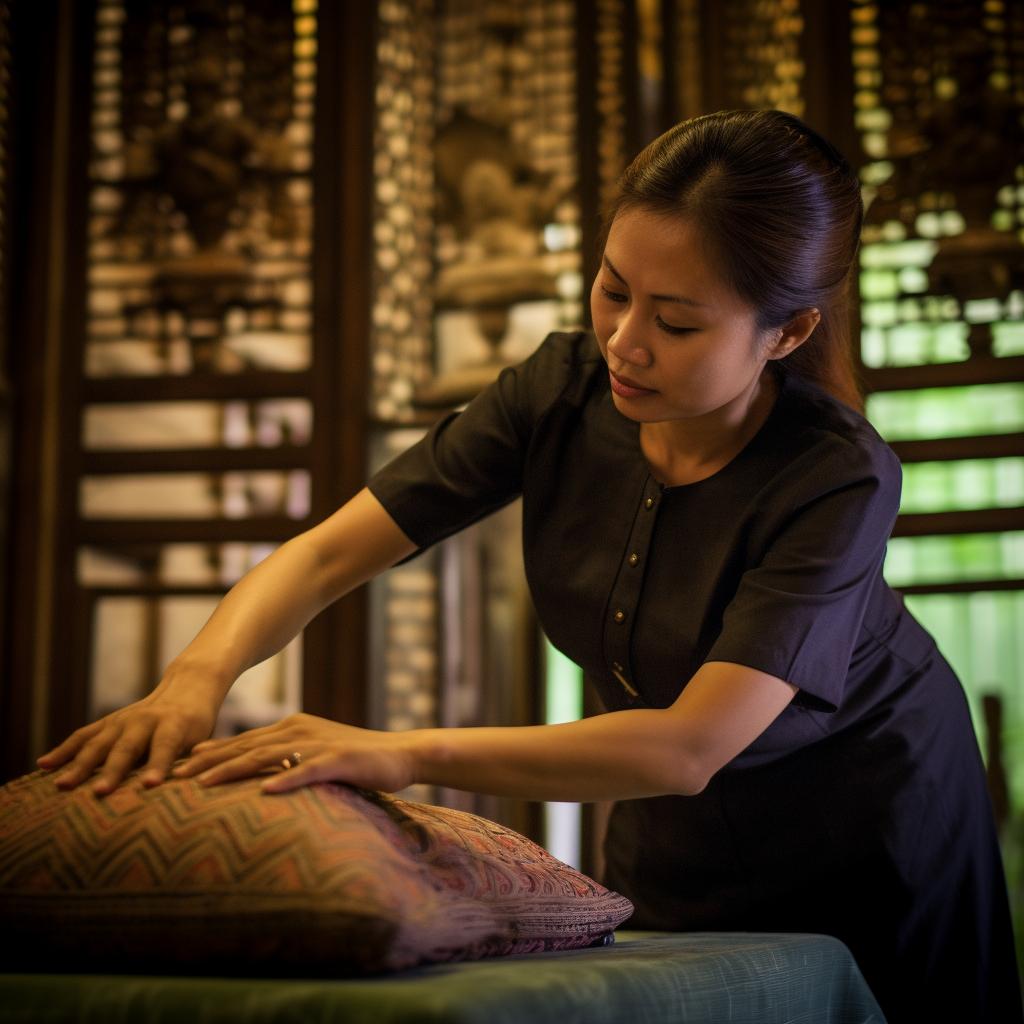
In addition to these core techniques, traditional Thai massage also incorporates elements of reflexology, herbal compresses, and aromatherapy to further enhance the healing experience. As a result, each session is tailored to the individual's needs and preferences, ensuring a truly personalized and holistic approach to wellness.
Whether you're seeking relief from chronic pain, improved flexibility, or simply a deeper sense of relaxation, Thai massage offers a unique and powerful way to achieve your wellness goals. By understanding the basics of this ancient healing art, you can fully appreciate the rich history and cultural significance of Thai massage, as well as the many benefits it can bring to your life.
The Benefits of Thai Massage: From Physical to Mental Health
The Benefits of Thai Massage: From Physical to Mental Health
Thai massage is renowned for its myriad of health benefits, which extend far beyond the physical realm. By working on the body's energy lines and incorporating a range of holistic techniques, Thai massage therapy can have a profound impact on one's overall well-being, from enhancing physical fitness to promoting mental and emotional balance. Here, we explore some of the key thai massage benefits that make this ancient healing art a popular choice for those seeking a holistic approach to wellness.
Physical Benefits: Thai massage is known for its ability to alleviate a wide range of physical discomforts, such as muscle tension, joint pain, and stiffness. By using acupressure and assisted yoga postures, therapists can effectively release tight muscles, improve range of motion, and increase flexibility. Furthermore, the enhanced circulation and oxygenation of the muscles that result from these techniques can lead to increased energy levels and improved overall fitness. For those suffering from chronic pain or recovering from injuries, Thai massage can be a valuable tool in promoting healing and restoring mobility.
Mental Health Benefits: The energy work involved in Thai massage therapy is closely linked to mental and emotional well-being. By releasing blockages in the body's energy lines, therapists can help clients achieve a greater sense of balance and harmony, which in turn can lead to reduced stress levels, improved mood, and enhanced mental clarity. The incorporation of aromatherapy and herbal compresses in traditional Thai massage sessions can further contribute to relaxation and stress relief, making it an ideal choice for those seeking a holistic approach to mental health.
Emotional Benefits: The spiritual aspect of Thai massage culture is deeply intertwined with its healing techniques. By working to balance the body's energy systems, therapists can help clients tap into their inner emotional landscape, promoting self-awareness and personal growth. This connection between body, mind, and spirit is a fundamental aspect of Thai massage therapy and can lead to a deeper sense of emotional well-being and resilience.

In conclusion, Thai massage offers a unique and powerful approach to wellness that encompasses physical, mental, and emotional health. By understanding the history and techniques behind this ancient healing art, you can fully appreciate its potential to transform your well-being and enhance your quality of life. Whether you're planning a thailand spa vacation or considering incorporating Thai massage into your regular self-care routine, the benefits of this holistic practice are sure to leave a lasting impression.
Thai Massage Therapy: How It Can Help with Specific Conditions
Thai Massage Therapy: How It Can Help with Specific Conditions
While the general benefits of Thai massage are well-documented, it's important to note that this ancient healing art can also be highly effective in addressing specific health conditions. By tailoring the massage techniques to suit individual needs, Thai massage therapists can provide targeted relief and support for a variety of ailments, making it a valuable addition to any thailand wellness retreat or personal wellness journey. In this section, we'll explore some of the key conditions that can be alleviated through Thai massage therapy.
1. Chronic Pain and Musculoskeletal Issues: As mentioned earlier, Thai massage is particularly effective in relieving muscle tension and joint pain. For those suffering from chronic pain conditions such as fibromyalgia, arthritis, or lower back pain, Thai massage can provide much-needed relief by targeting specific areas of discomfort and promoting relaxation. Additionally, the increased flexibility and range of motion achieved through Thai massage techniques can help prevent future injuries and support long-term musculoskeletal health.
2. Stress and Anxiety: The mental health benefits of Thai massage make it an excellent choice for individuals dealing with stress and anxiety. By working on the body's energy lines and incorporating relaxation techniques such as aromatherapy, Thai massage can help to calm the nervous system and promote a sense of inner peace. This, in turn, can lead to improved sleep quality, increased mental clarity, and a greater ability to cope with daily stressors.
3. Headaches and Migraines: Thai massage therapy can be particularly beneficial for those who suffer from headaches and migraines. By focusing on the head, neck, and shoulders, therapists can release tension and improve blood flow in these areas, which can help to alleviate headache pain and reduce the frequency of migraines. 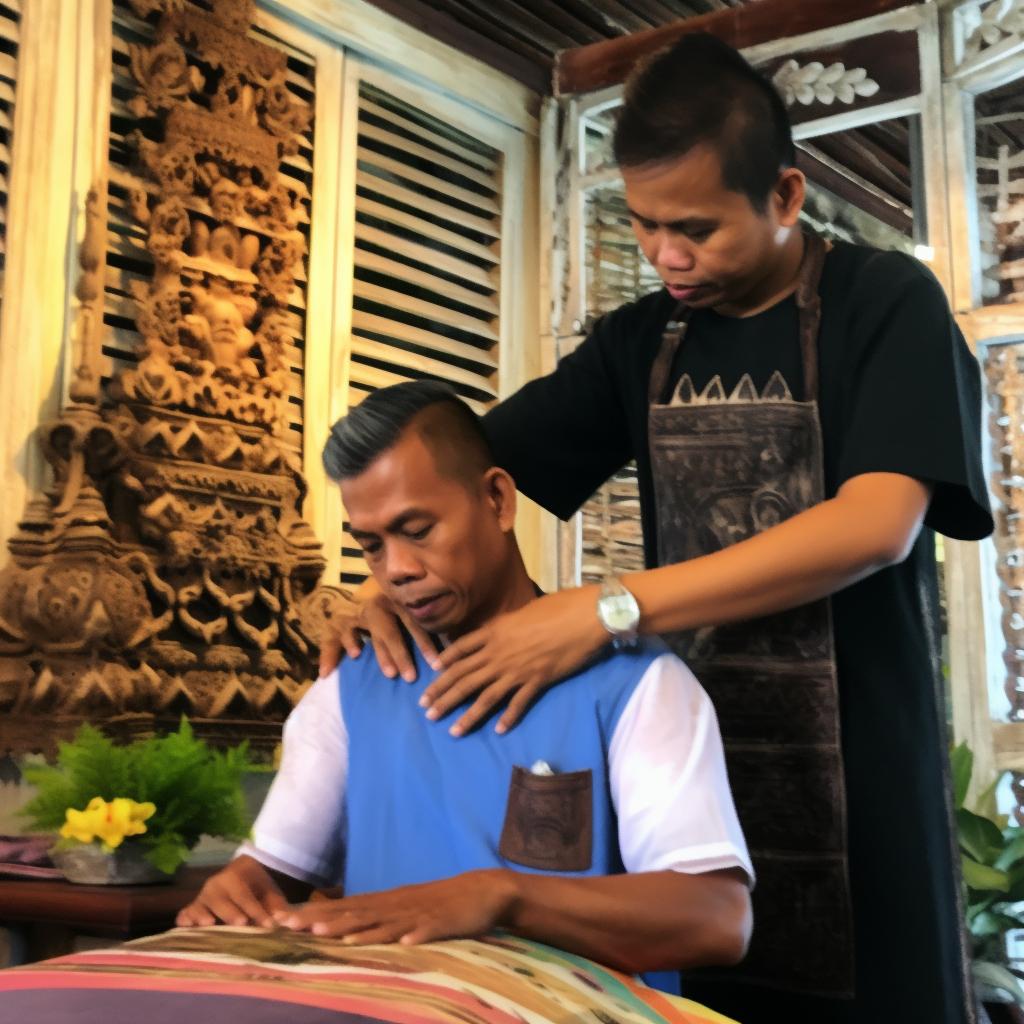
4. Digestive Issues: The abdominal massage techniques used in traditional Thai massage can help to stimulate digestion and alleviate digestive issues such as constipation, bloating, and irritable bowel syndrome (IBS). By applying gentle pressure to specific points on the abdomen, therapists can encourage the natural flow of energy and promote a healthy digestive system.
5. Insomnia: The deep relaxation and stress relief provided by Thai massage can be particularly beneficial for those struggling with insomnia. By promoting a sense of calm and balance, Thai massage can help to improve sleep quality and support overall emotional well-being.
In summary, Thai massage therapy offers a versatile and effective approach to addressing a range of specific health conditions. By incorporating this ancient healing art into your thailand spa vacation or personal wellness routine, you can experience targeted relief and support for your unique needs, further enhancing the transformative power of Thai massage.
Thailand Spa Vacation: The Best Places to Relax and Rejuvenate
Thailand Spa Vacation: The Best Places to Relax and Rejuvenate
After exploring the many benefits of Thai massage and its potential to address specific health conditions, it's time to discover some of the best places in Thailand to experience this ancient healing art for yourself. A Thailand spa vacation is the perfect opportunity to relax, rejuvenate, and immerse yourself in the rich wellness traditions of this beautiful country. Here, we'll highlight some top destinations for a truly unforgettable Thailand spa vacation.
1. Chiang Mai: Known for its stunning temples and lush mountain landscapes, Chiang Mai is a popular destination for those seeking a tranquil retreat. The city is home to numerous luxury spas and wellness centers, many of which specialize in traditional Thai massage. Some top choices include Fah Lanna Spa, Oasis Spa, and The Dhara Dhevi Spa. These establishments offer a range of Thai massage treatments, as well as other holistic therapies and wellness programs.
2. Phuket: As one of Thailand's most famous beach destinations, Phuket offers a perfect blend of relaxation and adventure. The island is home to several world-class spa resorts, such as Banyan Tree Phuket, Amatara Wellness Resort, and Trisara. These luxurious retreats provide a serene environment for indulging in Thai massage and other rejuvenating treatments, all while enjoying the breathtaking beauty of Phuket's sandy beaches and turquoise waters.
3. Koh Samui: This idyllic island in the Gulf of Thailand is another top destination for a Thailand spa vacation. Known for its palm-fringed beaches and crystal-clear waters, Koh Samui is home to several renowned wellness retreats, such as Kamalaya, Six Senses Samui, and Anantara Bophut. These resorts offer a range of Thai massage treatments and holistic wellness programs, allowing you to fully immerse yourself in the healing power of Thai massage culture.
4. Bangkok: While the bustling capital city may not be the first place that comes to mind for a relaxing spa vacation, Bangkok is home to some of the finest spas in Thailand. The city's luxury hotels, such as The Mandarin Oriental, The Peninsula, and The Siam, boast world-class spa facilities offering traditional Thai massage and other wellness treatments. These urban sanctuaries provide a peaceful escape from the city's vibrant energy, making them an excellent choice for a Thailand spa vacation.
In conclusion, a Thailand spa vacation offers the perfect opportunity to experience the transformative power of Thai massage in some of the world's most beautiful and serene settings. Whether you choose the tranquil mountains of Chiang Mai, the sun-kissed beaches of Phuket, the idyllic island of Koh Samui, or the bustling metropolis of Bangkok, you're sure to find a spa retreat that will leave you feeling relaxed, rejuvenated, and inspired by the rich wellness traditions of Thailand.
Thailand Wellness Retreats: Combining Thai Massage with Other Holistic Practices
Thailand Wellness Retreats: Combining Thai Massage with Other Holistic Practices
While Thai massage is undoubtedly a cornerstone of Thailand's wellness traditions, many retreats in the country also incorporate other holistic practices to create a comprehensive and immersive healing experience. By combining Thai massage with activities such as yoga, meditation, and traditional herbal treatments, these wellness retreats offer a unique opportunity to explore the full spectrum of Thailand's rich healing culture.
One of the key elements often integrated into Thailand wellness retreats is yoga. With its focus on flexibility, strength, and balance, yoga is a natural complement to Thai massage, as both practices share the goal of promoting physical and mental well-being. Many retreats offer daily yoga classes, allowing guests to deepen their practice while enjoying the benefits of Thai massage therapy. 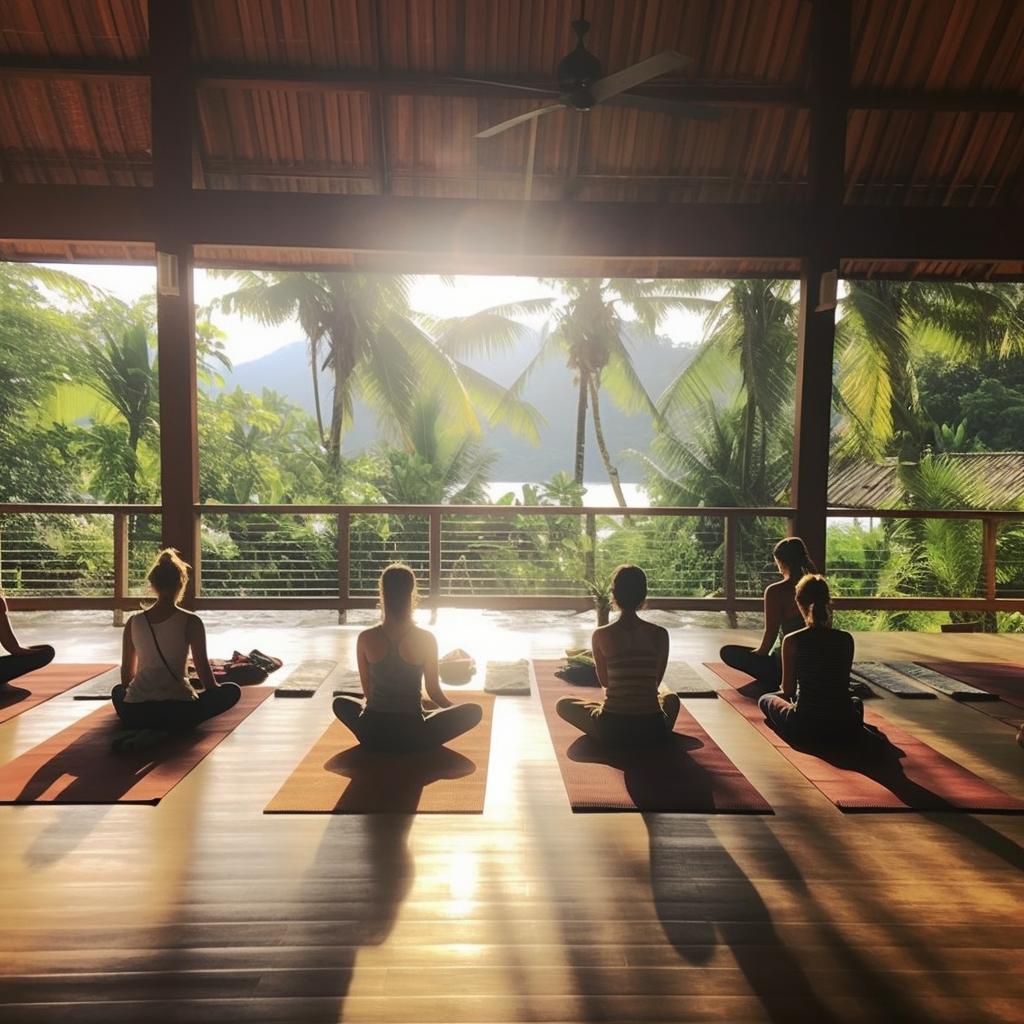
Meditation is another practice commonly found in Thai wellness retreats. Rooted in Buddhist tradition, meditation is an essential component of Thai culture and spirituality. By incorporating meditation sessions into their programs, wellness retreats provide guests with the opportunity to cultivate mindfulness, inner peace, and mental clarity, further enhancing the benefits of Thai massage. 
Many Thailand wellness retreats also emphasize the use of traditional herbal treatments in their programs. These treatments, which often include herbal steam baths, herbal compresses, and herbal teas, harness the healing power of Thailand's native plants to support overall health and well-being. When combined with Thai massage, these treatments provide a holistic approach to wellness that is deeply rooted in Thai culture and tradition. 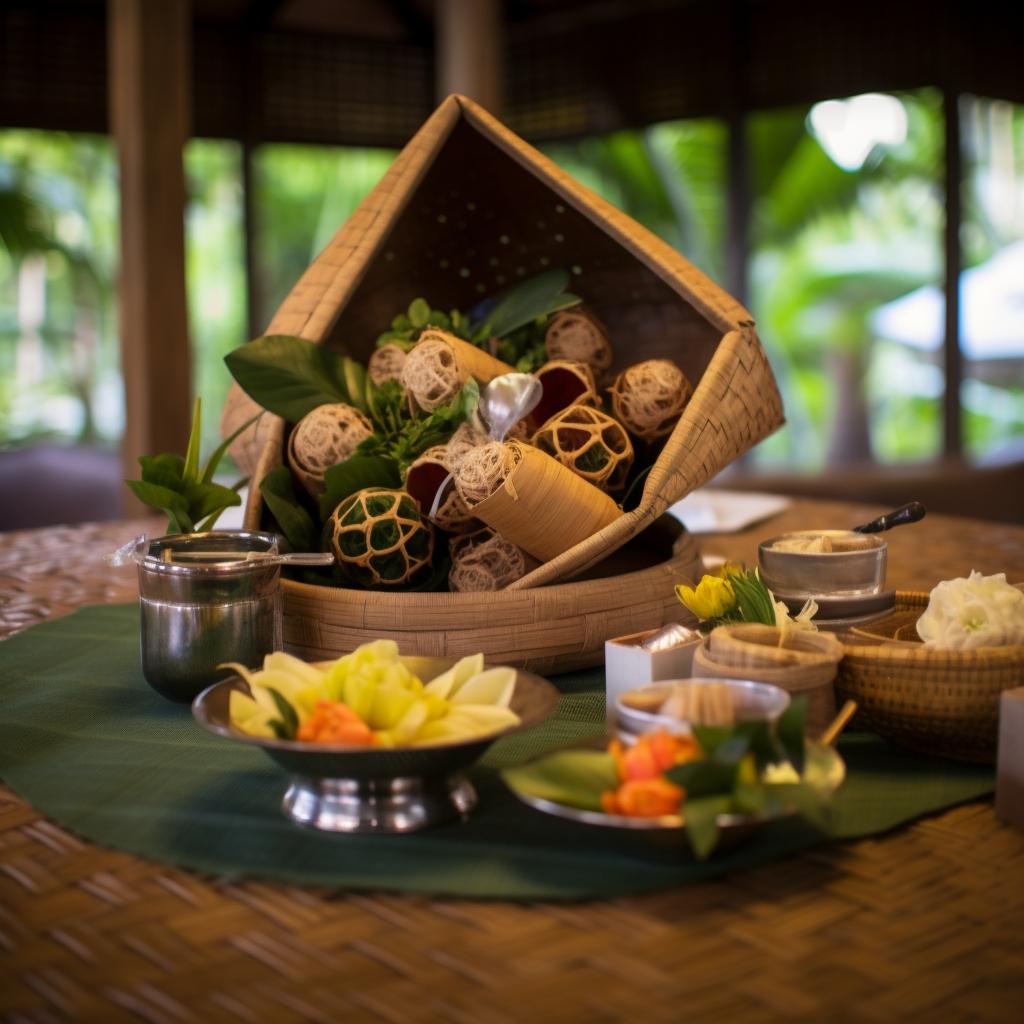
Finally, some wellness retreats in Thailand also offer nutritional guidance and cooking classes focused on Thai cuisine. By teaching guests how to prepare healthy, flavorful Thai dishes, these retreats encourage a mindful approach to eating that can be carried over into everyday life. This focus on nutrition complements the physical and mental benefits of Thai massage, creating a well-rounded wellness experience. 
In summary, Thailand wellness retreats offer a unique opportunity to experience the full range of the country's healing traditions. By combining Thai massage with practices such as yoga, meditation, herbal treatments, and nutritional guidance, these retreats provide a comprehensive and immersive approach to wellness that is deeply rooted in Thai culture and history.
Thai Massage Culture: How It Reflects Thai Values and Beliefs
Thai Massage Culture: How It Reflects Thai Values and Beliefs
Thai massage is not just a form of physical therapy; it is a reflection of the core values and beliefs that underpin Thai culture. At the heart of Thai massage lies the concept of metta, or loving-kindness, which is a fundamental principle in Buddhism. This principle emphasizes the importance of compassion, empathy, and care for oneself and others, and it is deeply ingrained in the practice of Thai massage.
Another key aspect of Thai massage culture is the belief in the interconnectedness of body, mind, and spirit. This holistic approach to well-being is rooted in ancient Thai wisdom and is evident in the way Thai massage techniques are designed to promote balance and harmony throughout the entire body. By working on the body's energy lines, or sen, Thai massage therapists aim to release blockages and restore the natural flow of energy, thereby supporting overall health and vitality.
Respect for tradition and the wisdom of the past is another value that is central to Thai massage culture. The practice of Thai massage has been passed down through generations, with each new generation of therapists building on the knowledge and techniques of their predecessors. This respect for tradition is reflected in the way Thai massage therapists often begin their sessions with a wai khru ceremony, a ritual that pays homage to their teachers and the lineage of Thai massage.
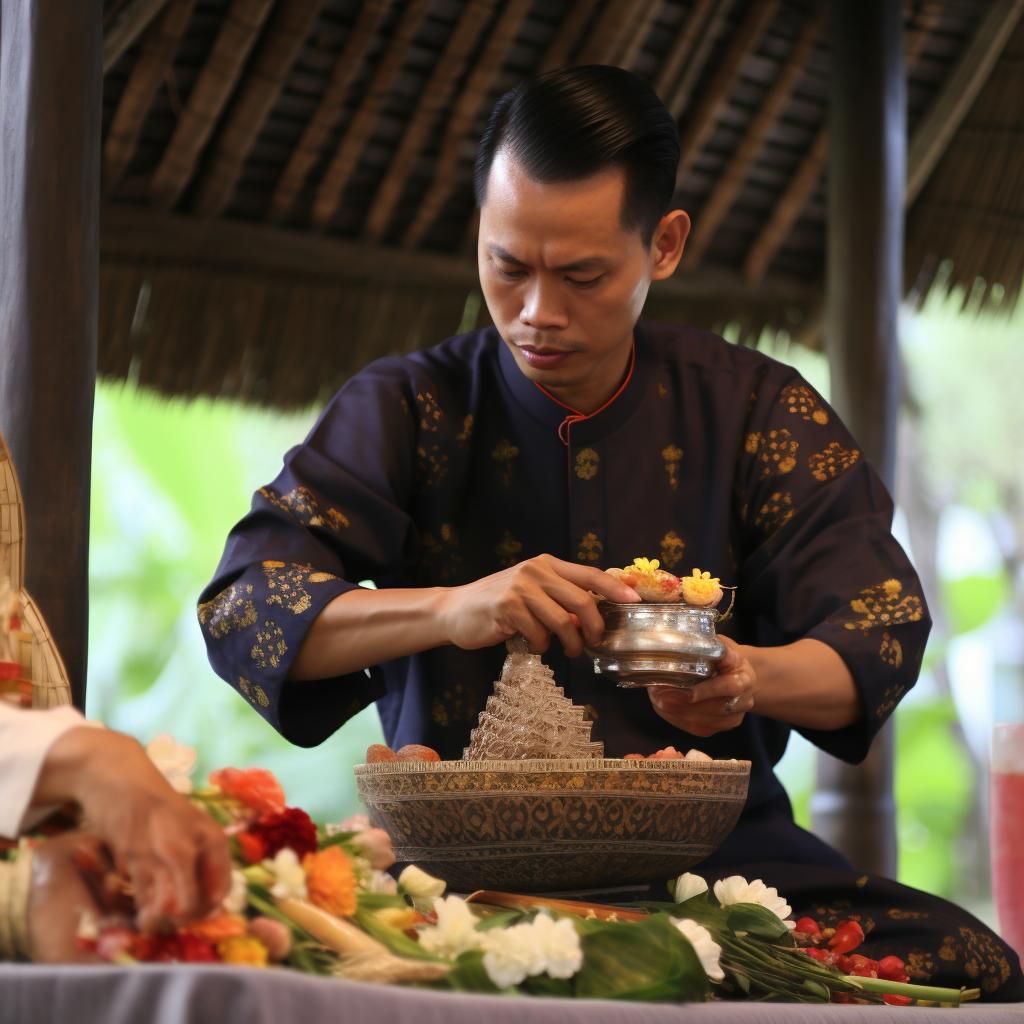
Furthermore, Thai massage culture is deeply intertwined with the country's spiritual beliefs. Many Thai massage therapists view their work as a form of spiritual practice, and they approach each session with a sense of reverence and mindfulness. This spiritual dimension is evident in the tranquil atmosphere of Thai massage studios, where therapists often create a calming environment with soft lighting, soothing music, and the scent of incense.
Lastly, the emphasis on community and social harmony in Thai culture is also reflected in the practice of Thai massage. In Thailand, massage is often seen as a communal activity, with friends and family members giving and receiving massages as a way of bonding and showing affection. This sense of togetherness and mutual support is a key aspect of Thai massage culture and contributes to the nurturing, healing atmosphere that is characteristic of the practice.
In conclusion, Thai massage is a powerful embodiment of the values and beliefs that define Thai culture. From its emphasis on loving-kindness and holistic well-being to its respect for tradition and spiritual practice, Thai massage offers a unique window into the heart of Thailand's rich cultural heritage.



No comments yet. Be the first to share your thoughts!