
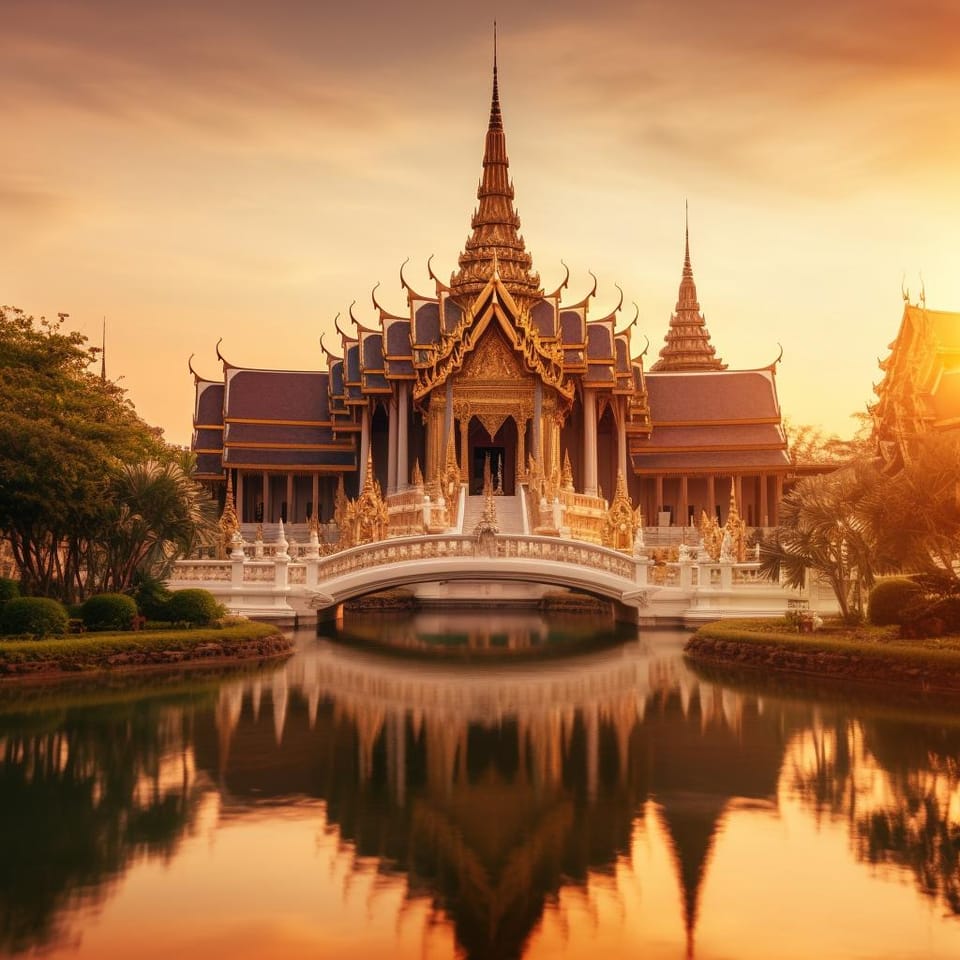

Discovering Thailand's Rich Cultural Heritage
Thailand, known as the Land of Smiles, is a country with a rich cultural heritage that dates back thousands of years. The nation's history is deeply rooted in its religious beliefs, customs, and traditions, making it a fascinating destination for travelers seeking to immerse themselves in a unique and vibrant culture. In this section, we will explore the various aspects of Thai cultural heritage, from its historical sites and temples to its traditional arts and crafts.
One of the most prominent aspects of Thai cultural heritage is its stunning architecture, which can be seen in the numerous temples and historical sites scattered throughout the country. These structures, often adorned with intricate carvings and gold leaf, showcase the skill and craftsmanship of Thai artisans. A visit to Thailand would not be complete without exploring some of these magnificent temples, such as the iconic Wat Phra Kaew in Bangkok or the ancient ruins of Ayutthaya.
Thai cultural heritage also extends to its traditional arts and crafts, which include pottery, weaving, and woodcarving. These handicrafts are often made using techniques passed down through generations, and they serve as a testament to the creativity and ingenuity of the Thai people. Travelers can find these beautiful items in local markets and shops, making them a perfect souvenir to remember their Thai trip.
Thai cuisine is another integral part of the country's cultural heritage. Known for its bold flavors and aromatic spices, Thai food is a true culinary delight. From the famous Pad Thai to the spicy Tom Yum soup, travelers can indulge in a variety of mouth-watering dishes that showcase the diverse flavors of Thailand. Food lovers can also participate in cooking classes to learn the secrets of Thai cuisine and bring a taste of Thailand back home.
Festivals and celebrations are another important aspect of Thai cultural heritage. Throughout the year, numerous events take place across the country, offering travelers a glimpse into the vibrant and colorful world of Thai culture. Some of the most popular festivals include Songkran, the Thai New Year celebration, and Loy Krathong, the festival of lights. These events provide a unique opportunity for travelers to experience the warmth and hospitality of the Thai people, as well as their deep-rooted traditions and customs.
In conclusion, discovering Thailand's rich cultural heritage is an unforgettable journey that offers travelers a deeper understanding of the country's history, traditions, and way of life. Whether you're exploring ancient temples, admiring traditional handicrafts, or participating in a lively festival, your Thai trip is sure to be a memorable and enriching experience.
Exploring Thailand's Top Historical Sites
Thailand's rich history is evident in the numerous historical sites that can be found across the country. These sites offer a fascinating glimpse into the past and provide a deeper understanding of Thai cultural heritage. In this section, we will explore some of the top historical sites in Thailand that should not be missed on your next Thai trip.
Ayutthaya Historical Park
Once the capital of the Kingdom of Siam, Ayutthaya is now a UNESCO World Heritage Site, featuring ancient ruins and temples that date back to the 14th century. The park is home to some of the most iconic structures in Thailand, such as Wat Phra Si Sanphet, Wat Mahathat, and Wat Chaiwatthanaram. A visit to Ayutthaya Historical Park is a must for history enthusiasts and those looking to immerse themselves in Thailand's past.
Sukhothai Historical Park
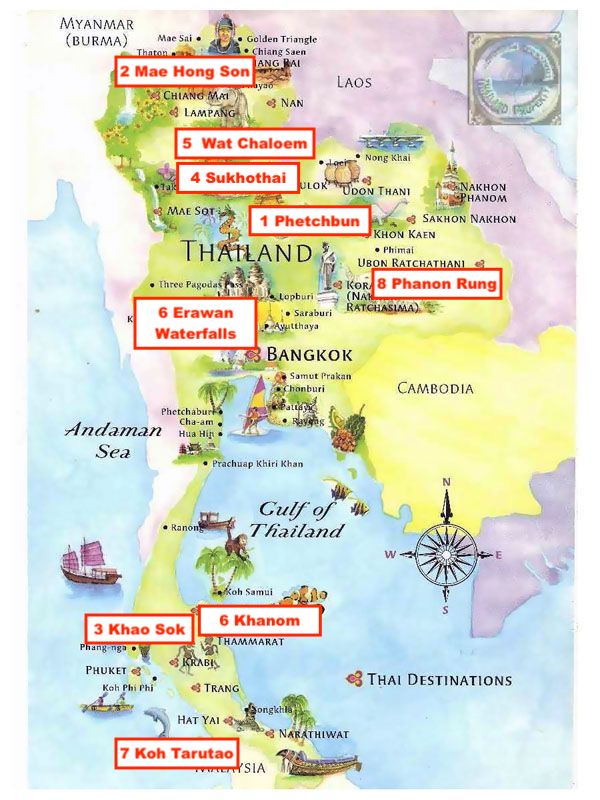
Another UNESCO World Heritage Site, Sukhothai Historical Park, is the birthplace of Thai art, architecture, and language. The park contains the ruins of the ancient city of Sukhothai, which was the first capital of the Kingdom of Siam. Some of the most notable attractions within the park include Wat Mahathat, Wat Si Chum, and Wat Sa Si. Exploring Sukhothai Historical Park is an excellent way to gain insight into the early days of Thai cultural heritage.
Phimai Historical Park
Located in the Nakhon Ratchasima Province, Phimai Historical Park is home to one of the most significant Khmer temples in Thailand. The park's centerpiece, Prasat Hin Phimai, is an impressive sandstone temple that showcases the intricate architectural style of the Khmer Empire. This historical site offers a unique opportunity for travelers to learn about the influence of the Khmer culture on Thai history.
Lopburi
Another important historical site in Thailand is Lopburi, a city with a history that dates back over 1,000 years. Lopburi is known for its Khmer-style temples and ancient ruins, such as Phra Prang Sam Yot and Wat Nakhon Kosa. The city also hosts the annual Monkey Banquet Festival, a unique event that celebrates the local monkey population and their role in Lopburi's history.
Exploring Thailand's top historical sites is an essential part of any Thailand cultural tour. These sites offer a unique opportunity for travelers to delve into the country's rich past and gain a deeper appreciation for Thai cultural heritage. So, when planning your next Thai trip, be sure to include these historical sites in your itinerary for an unforgettable journey through Thailand's history.
A Guide to Thailand's Most Beautiful Temples
A Guide to Thailand's Most Beautiful Temples
Thailand is home to thousands of stunning temples, each with its unique architectural style, history, and spiritual significance. In this section, we will guide you through some of the most beautiful temples in Thailand that should be on every traveler's list when exploring the country's rich cultural heritage.
Wat Pho (Temple of the Reclining Buddha)
Located in Bangkok, Wat Pho is one of the oldest and largest temples in Thailand. It is famous for its enormous reclining Buddha statue, which measures 46 meters long and 15 meters high, covered in gold leaf. The temple complex also houses the largest collection of Buddha images in Thailand and is considered the birthplace of traditional Thai massage. A visit to Wat Pho is a must for any Thailand travelers guide.
Wat Arun (Temple of Dawn)
Situated on the banks of the Chao Phraya River, Wat Arun is an iconic temple in Bangkok known for its stunning riverside location and unique design. The temple's central prang (tower) is adorned with colorful porcelain, which creates a dazzling effect when illuminated at dawn or dusk. Wat Arun is an essential stop on any Thailand cultural tour and offers breathtaking views of the city from its upper levels.
Wat Rong Khun (The White Temple)
Located in Chiang Rai, Wat Rong Khun is a contemporary temple that stands out for its unconventional design and all-white exterior. The temple is the brainchild of Thai artist Chalermchai Kositpipat, who has incorporated modern elements and symbols into its intricate design. A visit to Wat Rong Khun is a unique experience that showcases the creativity and innovation of Thai art and architecture.
Wat Phra That Doi Suthep
Perched on a mountain overlooking Chiang Mai, Wat Phra That Doi Suthep is one of the most sacred temples in Thailand. The temple is believed to house a relic of the Buddha and is an important pilgrimage site for Thai Buddhists. Visitors can reach the temple by climbing a steep staircase adorned with mythical Naga serpents or take a cable car. The temple offers stunning panoramic views of Chiang Mai and is an essential stop on any Thailand traveling guide.
These are just a few of the many beautiful temples that can be found throughout Thailand. Each temple offers a unique glimpse into Thai cultural heritage and provides a serene and spiritual atmosphere for visitors to explore. When planning your next Thai trip, be sure to include these temples in your itinerary for an unforgettable journey through Thailand's rich spiritual history.
The Best Time to Visit Thailand for a Cultural Tour
The Best Time to Visit Thailand for a Cultural Tour
When planning a trip to explore Thailand's rich cultural heritage, it's essential to consider the best time to visit Thailand. The country's climate can be divided into three seasons: the cool season (November to February), the hot season (March to May), and the rainy season (June to October). Each season offers unique experiences and opportunities for travelers, but some are more suitable for a cultural tour than others.
The cool season is widely regarded as the best time to visit Thailand for a cultural tour. During this period, temperatures are more comfortable, ranging from 20°C to 30°C, and the weather is generally dry, making it ideal for exploring historical sites and temples. Additionally, many of Thailand's most important cultural festivals, such as Loy Krathong and the Chiang Mai Flower Festival, take place during this time, offering travelers a chance to immerse themselves in Thai traditions and celebrations.
The hot season can be challenging for travelers, as temperatures can soar to 40°C, making outdoor activities like temple hopping and sightseeing less enjoyable. However, if you can handle the heat, this season offers fewer crowds at popular attractions, allowing for a more intimate experience. Just be sure to stay hydrated and take breaks in air-conditioned spaces when needed.
The rainy season brings frequent downpours and high humidity, which can make exploring Thailand's historical sites and temples more challenging. However, the rain also brings lush green landscapes and fewer tourists, providing a different perspective on Thailand's beauty. If you don't mind getting a little wet, this season can still be enjoyable for a cultural tour, but be prepared for occasional disruptions to your plans due to the weather.
In summary, the cool season is the most favorable time for a Thailand cultural tour, offering pleasant weather and a range of cultural events. However, each season has its unique appeal, and with proper planning and preparation, a memorable trip can be had at any time of the year. So, pack your bags, consult your Thailand travelers guide, and embark on a journey to discover the fascinating cultural heritage of this incredible country.

Thailand's Cultural Heritage: A Traveler's Guide
Thailand's Cultural Heritage: A Traveler's Guide
Thailand's cultural heritage is a treasure trove of history, art, and spirituality that has been shaped by centuries of diverse influences. From ancient ruins and temples to vibrant festivals and traditional crafts, a Thailand cultural tour offers an unforgettable journey into the heart of this fascinating country. In this section, we will delve into the key aspects of Thai cultural heritage that every traveler should experience on their trip.
Architecture and Historical Sites
Thailand is home to a wealth of historical sites that showcase the country's rich architectural heritage. A visit to the ancient city of Ayutthaya, a UNESCO World Heritage Site, reveals the grandeur of the former Siamese capital with its magnificent temples, palaces, and monasteries. Similarly, the ancient city of Sukhothai, another UNESCO World Heritage Site, offers a glimpse into the early days of Thai civilization with its well-preserved ruins and monuments. Don't miss the opportunity to explore these remarkable sites on your Thailand traveling guide itinerary.

Temples and Spirituality
Thailand is renowned for its stunning temples, which serve as both spiritual centers and architectural masterpieces. Our Thailand temples guide will help you navigate the most beautiful and significant temples in the country, such as the iconic Wat Phra Kaew in Bangkok, the serene Wat Phra That Doi Suthep in Chiang Mai, and the awe-inspiring White Temple in Chiang Rai. These sacred spaces offer a unique insight into Thai Buddhism and its influence on the country's culture and art.

Festivals and Celebrations
Experiencing Thailand's vibrant festivals and celebrations is an essential part of any cultural tour. From the colorful Loy Krathong festival, where thousands of candlelit floats are released into rivers and canals, to the lively Songkran water festival, which marks the Thai New Year, these events provide a window into the country's customs, traditions, and community spirit. Be sure to consult your Thailand travelers guide for information on local festivals and events during your visit.

Arts and Crafts
Thai arts and crafts are an integral part of the country's cultural heritage, reflecting the creativity and skill of its people. From intricate wood carvings and traditional pottery to exquisite silk weaving and delicate lacquerware, these crafts showcase the rich artistic traditions that have been passed down through generations. Visiting local markets, workshops, and cultural centers will allow you to witness these crafts firsthand and even purchase unique souvenirs to take home.

Embarking on a Thailand cultural tour is a journey of discovery, where you'll encounter the country's rich history, spiritual traditions, and artistic expressions. By exploring its historical sites, temples, festivals, and crafts, you'll gain a deeper understanding of the unique cultural heritage that makes Thailand such a captivating destination for travelers from around the world.
Uncovering the Top Attractions in Thailand's Historical Sites
Uncovering the Top Attractions in Thailand's Historical Sites
Thailand's historical sites are a testament to the country's rich cultural heritage and offer a fascinating glimpse into its past. In this section, we will uncover the top attractions in Thailand's historical sites that should not be missed on your Thai Trip Lover itinerary.
Ayutthaya Historical Park
Once the thriving capital of the Kingdom of Siam, Ayutthaya is now a UNESCO World Heritage Site that boasts an impressive collection of ancient ruins and temples. Key attractions include the iconic Wat Phra Si Sanphet, known for its three majestic chedis, and Wat Mahathat, where the famous Buddha head entwined in tree roots can be found. 
Sukhothai Historical Park
Another UNESCO World Heritage Site, Sukhothai Historical Park, is home to the well-preserved remains of the first capital of Siam. The park's top attractions include the striking Wat Mahathat, with its large seated Buddha statue, and Wat Si Chum, known for its massive, hidden Buddha image. 
Phanom Rung Historical Park
Located in the northeastern region of Thailand, Phanom Rung Historical Park features a stunning Khmer temple complex built atop an extinct volcano. This architectural marvel, dedicated to the Hindu god Shiva, offers breathtaking views of the surrounding countryside and is best visited during the annual Phanom Rung Festival when the sun's rays align perfectly with the temple's doorways. 
Lopburi
Rich in history and architectural wonders, Lopburi is a must-visit destination for those interested in Thailand's historical sites. The city's top attractions include the ancient Khmer temple of Prang Sam Yot, the beautiful San Phra Kan shrine, and the unique Monkey Temple, where hundreds of macaques roam freely. 
Exploring these top attractions in Thailand's historical sites will undoubtedly enrich your understanding of the country's cultural heritage and provide unforgettable memories. Whether you're visiting during the best time to visit Thailand or venturing off the beaten path, these awe-inspiring sites are sure to leave a lasting impression on your Thai Trip Lover adventure.
Thailand's Temples: A Guide for Travelers
Thailand's Temples: A Guide for Travelers
Thailand is home to over 40,000 temples, each one a testament to the country's deep-rooted Buddhist traditions and rich cultural heritage. In this section, we will guide you through some of the most iconic and awe-inspiring temples that should be on every traveler's Thailand itinerary.
Wat Pho, Bangkok
Also known as the Temple of the Reclining Buddha, Wat Pho is one of Bangkok's oldest and largest temples. The temple complex houses the famous 46-meter-long gold-plated Reclining Buddha statue and is also the birthplace of traditional Thai massage. A visit to Wat Pho is a must for any Thailand traveler seeking to immerse themselves in Thai culture and history. 
Wat Arun, Bangkok
Located on the banks of the Chao Phraya River, Wat Arun, or the Temple of Dawn, is one of the most stunning temples in Thailand. Its distinctive prang (spire) is adorned with colorful porcelain and offers breathtaking views of the river and city skyline. The best time to visit Wat Arun is at sunset when the temple's intricate details are illuminated by the warm glow of the setting sun. 
Wat Rong Khun, Chiang Rai
Also known as the White Temple, Wat Rong Khun is a contemporary, unconventional temple that has become one of Thailand's top attractions. Designed by Thai artist Chalermchai Kositpipat, the temple's striking white exterior is adorned with intricate sculptures and mirrored glass, symbolizing purity and wisdom. A visit to Wat Rong Khun offers a unique and unforgettable experience for travelers seeking a different perspective on Thai cultural heritage. 
Wat Phra That Doi Suthep, Chiang Mai
Perched on a mountain overlooking the city of Chiang Mai, Wat Phra That Doi Suthep is one of the most sacred temples in Thailand. The temple's golden chedi is believed to house a relic of the Buddha, and the site offers panoramic views of Chiang Mai and its surrounding countryside. A visit to Wat Phra That Doi Suthep is a must for any traveler seeking a deeper understanding of Thai Buddhism and the country's spiritual traditions. 
Exploring Thailand's temples is an essential part of any Thai Trip Lover itinerary, offering insights into the country's spiritual and cultural heritage. Whether you're visiting during the best time to visit Thailand or venturing off the beaten path, these magnificent temples are sure to leave a lasting impression on your journey through the Land of Smiles.



No comments yet. Be the first to share your thoughts!